What Is Évora Known For? Portugal's Alentejo Capital Explained
Évora, the capital of Portugal's Alentejo region, is known for a walled UNESCO-listed old town, a chapel lined with bones, a Roman temple, Stone Age monuments, wine and cork. Here is what the city is actually famous for, fact by fact.
Short answer
Évora is known for its UNESCO World Heritage historic centre, the bone-decorated Capela dos Ossos, the Roman Templo Romano, the Cromeleque dos Almendres megalithic site, Alentejo wine and food, and cork. It is a European Capital of Culture in 2027.
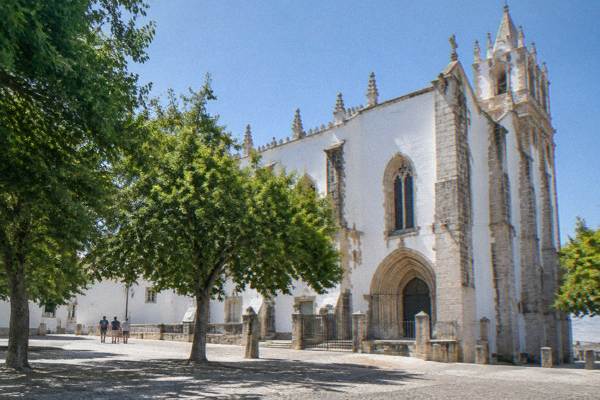
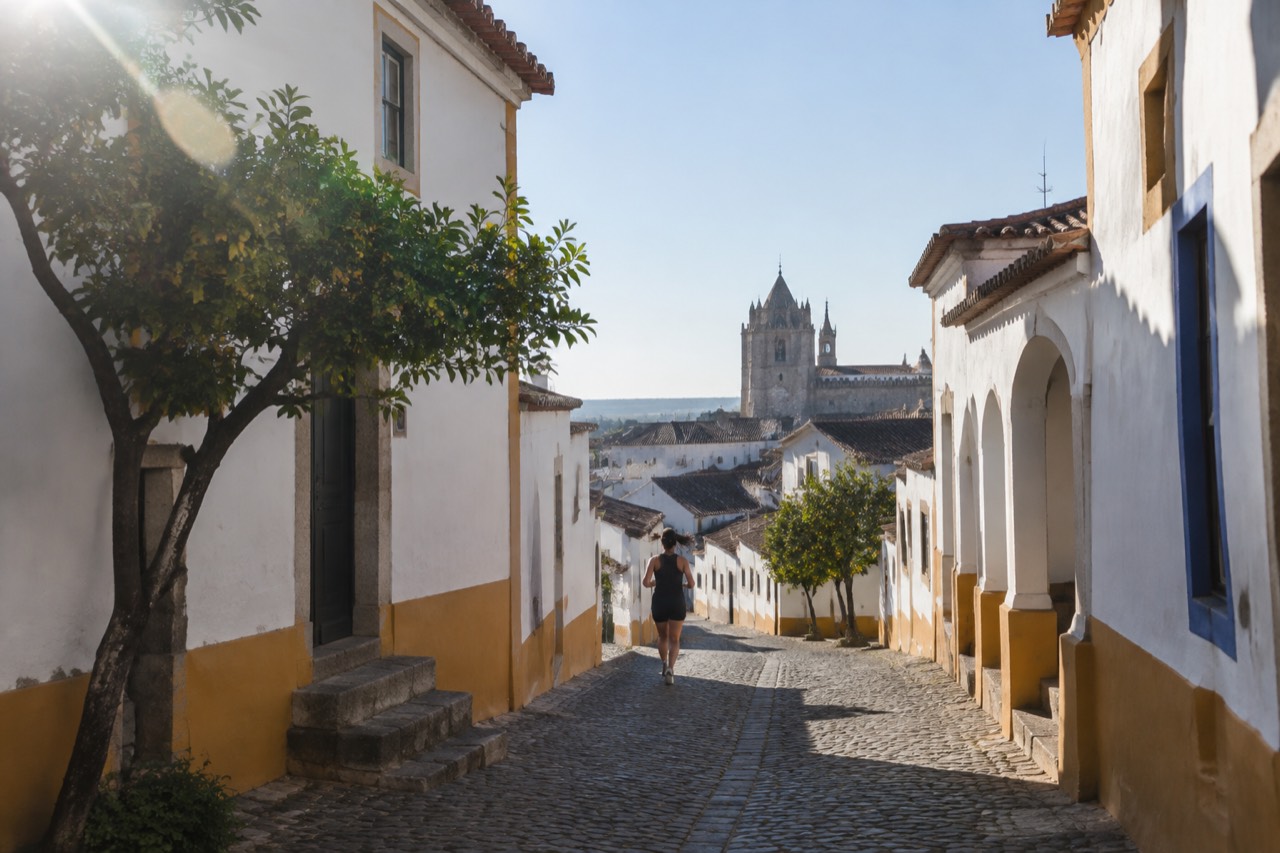
Évora, Portugal, the capital of the Alentejo region and of the district that carries its name, is known above all for one thing: an entire walled historic centre that UNESCO inscribed on its World Heritage list in 1986. The city stands on an inland plain, about 130 km from Lisbon, with no coast and no sea view, and its fame rests on layers, Roman, medieval, golden-age Portuguese, that survived in one place because the 1755 earthquake that flattened Lisbon largely spared it. The Évora Travel Guide editorial desk has assembled what follows from official sources: the UNESCO listing, the cathedral's own ticket page, the Igreja de São Francisco's page for the Capela dos Ossos, CP's timetable valid since 6 September 2026, and IPMA's 1991 to 2020 climate normals for the Évora station.
What Is Évora Known For?
Évora is known for five things together: a UNESCO World Heritage historic centre inscribed in 1986, the Capela dos Ossos bone chapel, the Roman Templo Romano, the Cromeleque dos Almendres stone circle outside the city, and the wine and cork of the Alentejo. No other inland Portuguese city combines a Roman temple, a golden-age cathedral and prehistoric monuments within reach of a day trip from Lisbon.
That combination is the short answer, but each part deserves its own explanation, and this guide gives each one a section. The city is small, about 53,000 people in the municipality at the 2021 census, and everything famous about it sits inside or just outside the medieval walls. Visitors reach it from Lisbon in about 1 hour 40 by train, which makes it the most-visited inland city in the Alentejo and the standard answer to the question of which Portuguese city to see after Lisbon, Porto and Sintra.
For a first visit routed around the famous sights, things to do in Évora lays out the practical order, and is Évora worth visiting answers the sceptic's version of this page's question.
Why Is The Historic Centre Of Évora A UNESCO World Heritage Site?
UNESCO inscribed the Historic Centre of Évora in 1986 under criteria (ii) and (iv). Criterion (iv) calls it the finest example of a city of the golden age of Portugal, after the 1755 Lisbon earthquake, which Évora was largely spared. The listing also notes that Moorish rule ended in 1165, that the Jesuit University of the Holy Spirit dates from 1553, and that the Jesuits were expelled in 1759.
That single sentence explains why the city looks the way it does. The golden age of Portugal filled Évora with Manueline and Renaissance buildings, and because the 1755 earthquake barely touched it, they still stand. The Roman remains include the Temple of Diana, the popular name for the Templo Romano. The city's role as a royal residence and ecclesiastical centre, archbishops, Jesuits, the Inquisition's presence in the city, left a density of churches, convents and palaces that few inland European cities of its size can match.
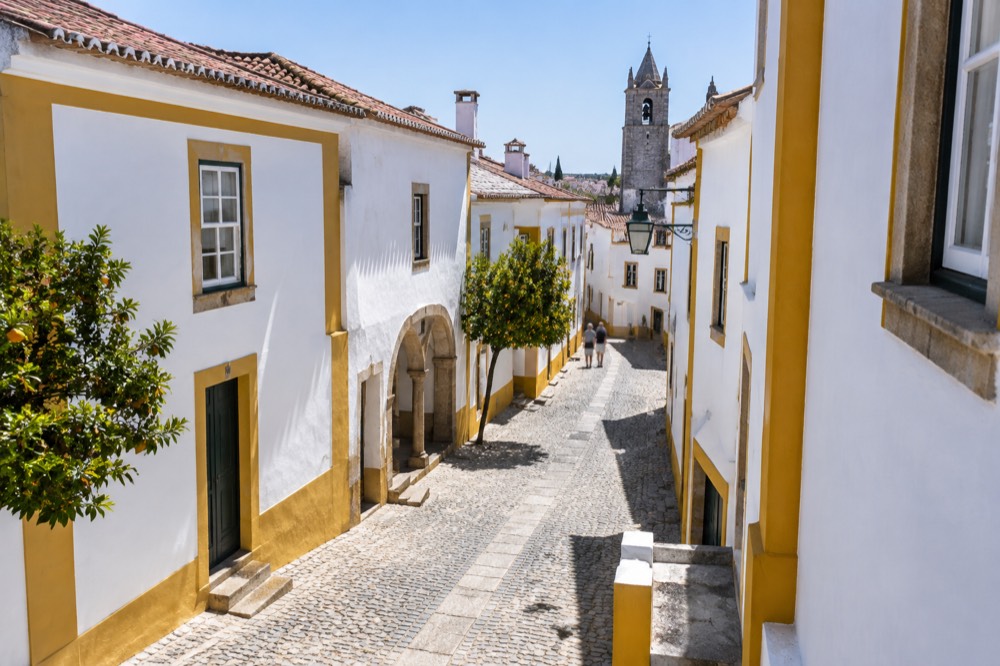
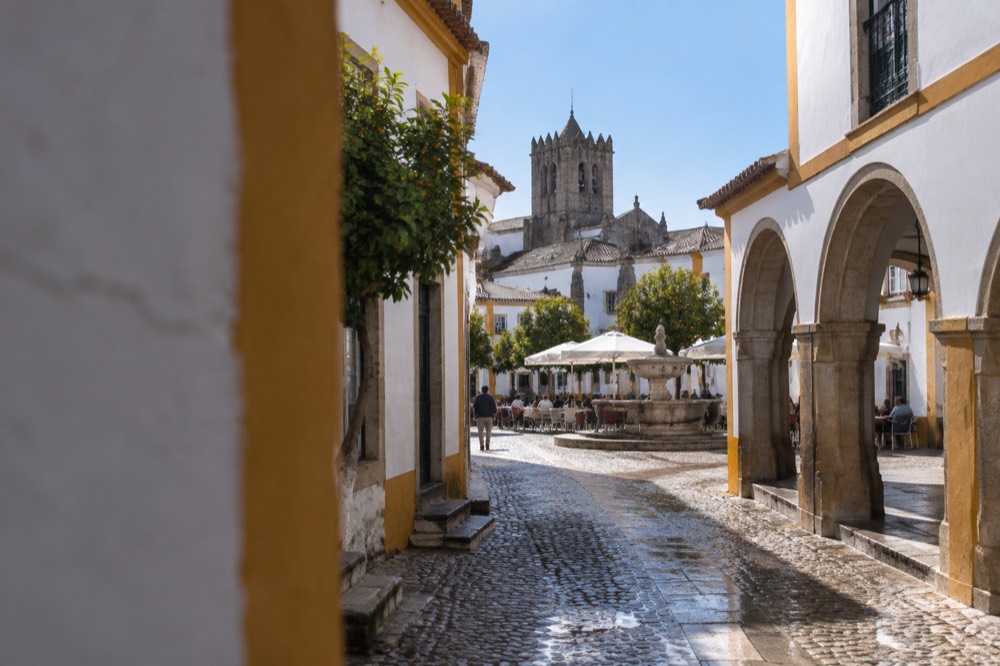
The practical consequence for a visitor is that the famous core is walkable in a day. The Sé, the Capela dos Ossos, the Praça do Giraldo, the Templo Romano and the Museu de Évora all sit within a few minutes of each other. The guide to the UNESCO historic centre covers the walls and the layout in detail.
| UNESCO fact | Detail |
|---|---|
| Inscription year | 1986 |
| Criteria | (ii) and (iv) |
| Criterion (iv) wording | Finest example of a city of the golden age of Portugal, after the 1755 Lisbon earthquake |
| Earthquake damage | Évora was largely spared |
| Moorish rule ended | 1165 |
| Jesuit University of the Holy Spirit | Dates from 1553 |
| Jesuits expelled | 1759 |
What Is The Capela Dos Ossos And Why Is It Famous?
The Capela dos Ossos, the Chapel of Bones, is a small chapel next to the Igreja de São Francisco whose interior walls and pillars are lined and decorated with human bones. It is the single sight most visitors name when asked what Évora is known for, and the Igreja de São Francisco's own page sells one museum ticket for 7.00 EUR adult that covers it together with the chapter room, the nativity collection and the other museum areas.
The chapel is the reason many day-trippers come from Lisbon at all. The church's page lists the full ticket: adult 7.00 EUR, youth to 25 at 5.00 EUR, senior over 65 at 5.00 EUR, and a family ticket at 15.00 EUR, and it notes that the church is a private religious entity and does not apply State Museum discounts. Hours run 9:00 to 18:30 in summer legal time and 9:00 to 17:00 in winter, open every day except 1 January, Easter Sunday, the afternoon of 24 December and 25 December.
The chapel's fame is not macabre tourism alone. It belongs to the Igreja de São Francisco, one of the largest Gothic churches in Portugal, and the pair anchors the western edge of the old town. The Capela dos Ossos guide and the church of São Francisco guide cover the building, the ticket and the visiting order.
A guided walk is the most efficient way to see the famous core, because the monuments cluster but their ticket windows, opening patterns and entry rules differ. The private walking tour that pairs the cathedral with the bone chapel runs from $111.42 per person and is rated 5 from 106 reviews on its listing.
What Roman Remains Survive In Évora?
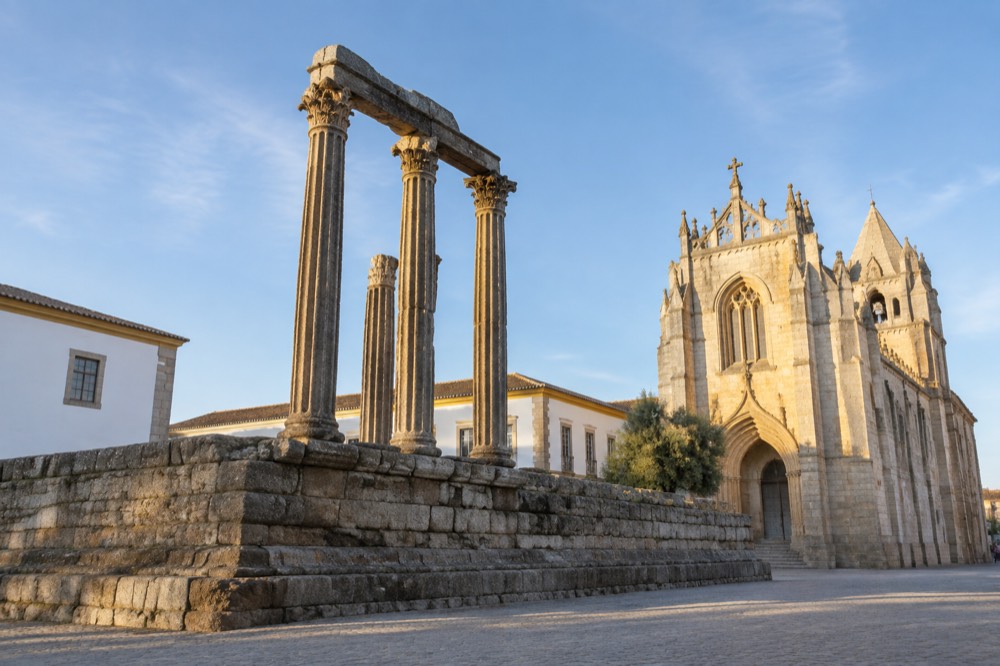
The Templo Romano, popularly called the Temple of Diana, is the city's signature Roman monument: a colonnaded temple platform of about 25 x 15 m in the centre of the old town. The municipal page says it was probably dedicated to the imperial cult rather than to the goddess Diana, that the name has been used only since the 17th century, that it was later reused as a municipal butcher's, and that its walls were freed in 1870.
The temple stands next to the Sé and the Convento dos Lóios, so a visitor sees three eras in one glance: Roman, Gothic and Renaissance. It is an open-air monument with no ticket. Beyond it, the city holds Roman baths and stretches of the Água de Prata aqueduct, a structure carrying water toward the city in the Roman tradition, though the facts hold no hours or prices for the aqueduct and this page states none.
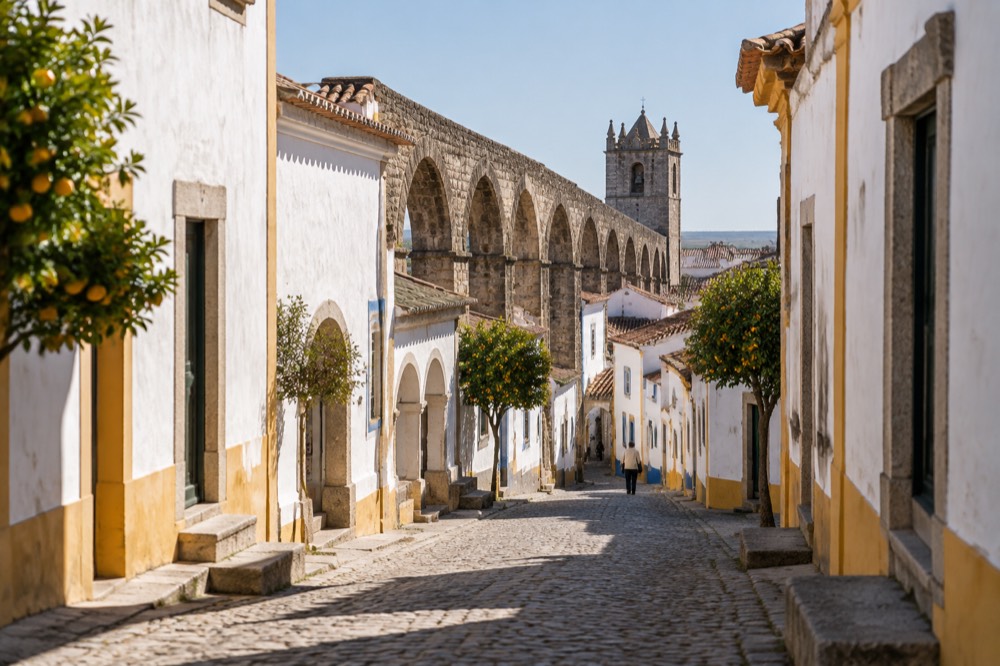
The deeper Roman layer sits underground and in the city's very name, which descends from Ebora, the Roman town on this site. The Roman temple guide, the Roman baths guide and the ancient and Roman sites guide take that layer further.
What Are The Megalithic Sites Around Évora?
Évora is known as the base for the Cromeleque dos Almendres, the stone circle that stands west of the city and is the most famous prehistoric monument in Portugal. The Almendres Interpretation Centre in the village of Guadalupe keeps summer hours of 10:00 to 18:00 from 1 May to 31 October and winter hours of 10:00 to 17:00 from 1 November to 30 April, and the route from Évora follows the national road toward Lisbon with a turn-off after 8 km.
The Alentejo plain around Évora is one of the richest megalithic landscapes in Iberia: stone circles, dolmens and menhirs scattered across the cork oak country. The interpretation centre's page gives the practical route and hours; the stones themselves stand in the open. This page states no age or stone count for the cromlech, because no verified figure for those sits in the sources, and readers should check the interpretation centre's displays for the archaeology. Other pages covering the same trip are gathered on Évora Travel Guide.
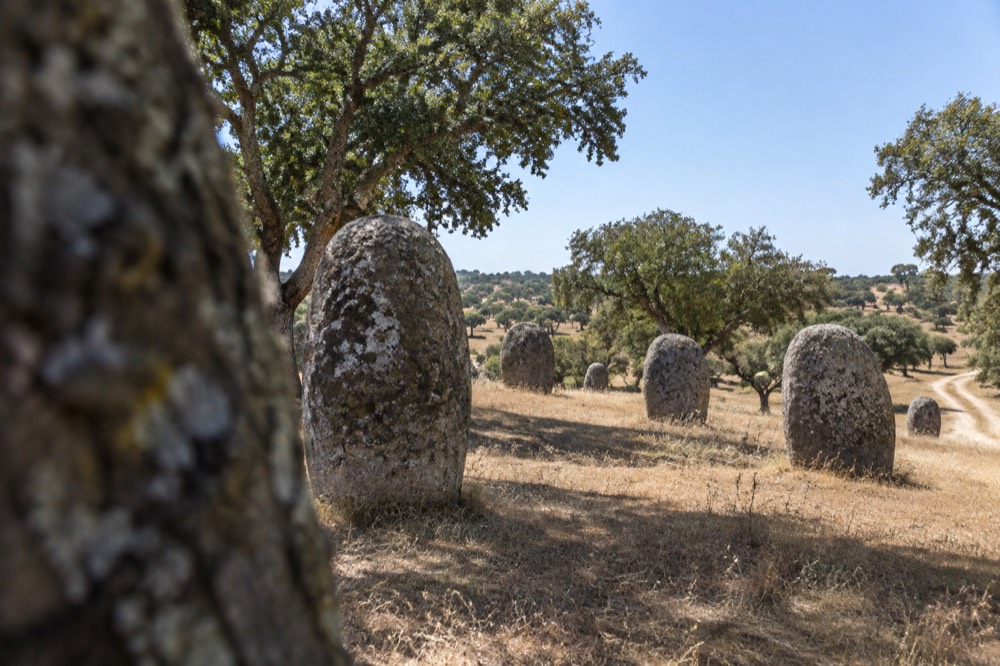
Guided tours make the cromlech reachable without a car. A three-hour tour to the Cromlech of Almendres and the Great Dolmen of Zambujeiro runs from $33.76 per person, rated 5 from 54 reviews, and an archaeologist-led half-day version from $74.54, rated 5 from 77 reviews. The Almendres Cromlech guide and the megalithic sites guide cover the sites in full.
What Food And Drink Is The Alentejo Known For?
Évora is known as the food and wine capital of the Alentejo. The region's wines, reds above all, are the reason wine tourism concentrates here, and the city's restaurants and taverns serve the regional cooking of the plains. The Cartuxa winery, attached to the charterhouse just outside the walls, is the most famous producer in the Évora area, and its wines anchor the city's reputation among Portuguese wine drinkers.
The Alentejo is Portugal's largest wine region by area, and Évora sits at its centre. Wine tours from the city run from $78.78 per person for a four-hour wine and cork tour to $321.11 for a full-day version with lunch and transport included. The Alentejo wine guide, the Évora food guide and the Évora restaurants guide cover the practical side, and the evening food and wine crawl, from $83.28 per person and rated 4.6 from 19 reviews, walks the taverns with a guide.
| Food and wine experience in Évora | Price | Rating |
|---|---|---|
| Alentejo Wine and Cork from Évora, 4 hours | $78.78 per person | 4.7 from 24 reviews |
| 1 Day Wine Tour Around Évora, lunch and transport | $321.11 per person | 5 from 11 reviews |
| Evening Food and Wine Crawl, 3 hours | $83.28 per person | 4.6 from 19 reviews |
| Golden Era walking tour with wine tasting | $23.92 per person | 4.4 from 33 reviews |
| Cooking class, Learn the Art of Alentejo Cuisine | $166.29 per person | 3 from 3 reviews |
Why Is Évora Known For Cork?
Évora is known for cork because the Alentejo plains around it are the heart of the world's cork oak country, and the city is the natural base for visiting it. The montado, the cork oak landscape, surrounds the city, and guided tours from Évora reach working cork factories and cork forests within an hour, including an eight-hour cork factory and farm visit with lunch included at $112.55 per person.
Portugal is the world's largest cork producer, and the montado landscape, evergreen oaks with their bark harvested in cycles, is what the countryside around Évora actually looks like. The city's shops sell cork in every form, and the cork museum and cork shops guide and the Alentejo cork guide explain both the product and the landscape. A two-hour walk in a cork forest runs from $71.10 per person, and a two-hour cork safari in a classic Land Rover from $102.07.
What Is Happening In Évora In 2027?
Évora and the Alentejo will be a European Capital of Culture in 2027, promoted by an executive board led by the Municipality of Évora. It is the fourth Portuguese city to hold the title, after Lisbon, Porto and Guimarães. The year 2026 is a preparation programme built on the concept of "Vagar", and the full 2027 calendar is not yet published.
The 2026 programme already carries real events: the GUADIANA Festival of Afro-Ibero-American Literatures, its first edition, runs 9 to 11 October 2026 with 28 authors from nine countries, and the Feira de São João, the city's great annual fair, ran 23 June to 5 July 2026 at the Rossio de São Brás under the theme "Évora: Capital Europeia ao Sul". The events and festivals guide follows the calendar.
| Event | Dates | Detail |
|---|---|---|
| Évora 2027, European Capital of Culture | Year 2027 | Fourth Portuguese city after Lisbon, Porto and Guimarães |
| 2026 preparation programme | Throughout 2026 | Built on the concept of "Vagar" |
| GUADIANA literature festival | 9 to 11 October 2026 | First edition, 28 authors from nine countries |
| Feira de São João 2026 | 23 June to 5 July 2026 | Rossio de São Brás, theme "Évora: Capital Europeia ao Sul" |
How Do You Get To Évora From Lisbon?
CP's Intercidades timetable, valid since 6 September 2026, lists six through trains a day from Lisboa Oriente to Évora, departing 07:02, 09:02, 09:58, 13:35, 17:02 and 19:02 and arriving 08:47, 10:45, 11:40, 15:13, 18:41 and 20:46, a journey of about 1 hour 40 to 1 hour 45. The fare is 13.90 EUR in second class and 18.50 EUR in first class. No change of train is needed on these services.
Lisbon is the gateway, about 130 km away, and the train is the standard way in. The services call at Entrecampos, Sete Rios, Pragal, Pinhal Novo, Vendas Novas and Casa Branca before Évora. Coaches also run the route, but no verified fare or timetable for them sits in the sources, so readers should check the operator's page before booking. The Lisbon to Évora guide, the by train guide and the by bus guide cover every option.
| Lisboa Oriente departure | Évora arrival |
|---|---|
| 07:02 | 08:47 |
| 09:02 | 10:45 |
| 09:58 | 11:40 |
| 13:35 | 15:13 |
| 17:02 | 18:41 |
| 19:02 | 20:46 |
When Is The Best Time To Visit Évora?
The best time to visit Évora is spring or autumn, because IPMA's 1991 to 2020 normals for the Évora station show July and August mean daily maxima of 33.3 C and 33.5 C, with 31.9 days a year reaching 35 C or more and a record of 45.4 C on 4 August 2018. May and October, with mean maxima of 25.0 C and 24.1 C and far less heat, are the comfortable shoulder months.
The city is inland, with no sea breeze to soften the afternoon, and the difference between the plains in July and the same streets in October is the difference between two cities. Rain concentrates from October onward: the normals show 81.5 mm in October, 86.0 mm in November and 85.1 mm in December, against 2.7 mm in July. The best time to visit guide and the Évora weather guide give the month-by-month detail.
| IPMA 1991-2020 normals, Évora station | Figure |
|---|---|
| July mean daily maximum | 33.3 C |
| August mean daily maximum | 33.5 C |
| Days per year at 35 C or more | 31.9 |
| Record maximum | 45.4 C on 4 August 2018 |
| October mean daily maximum | 24.1 C |
| Annual precipitation | 596.1 mm |
What Does It Cost To See Évora'S Famous Sights?
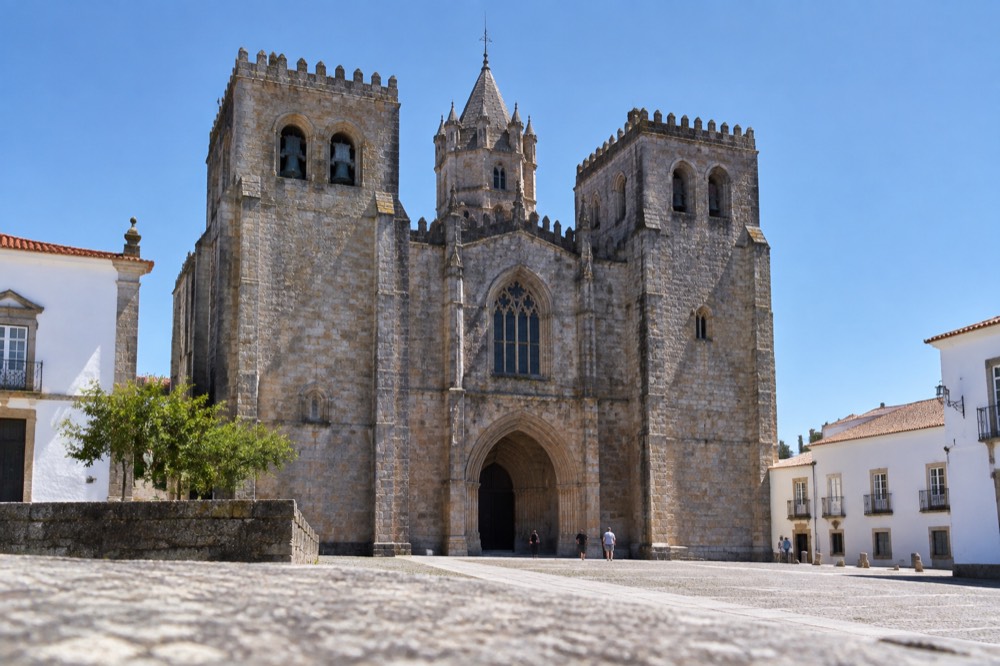
The famous monuments cost 5.00 EUR for the Sé's complete-visit ticket, cathedral, cloister, roof terrace and museum, 7.00 EUR for the Capela dos Ossos museum ticket, and 8 EUR for the Museu de Évora, with children up to 12 free at the Sé and the Évora Ticket multi-site pass at 8 EUR for one day, 10 EUR for two and 12 EUR for three. The Évora Ticket does not include the Sé, the Capela dos Ossos or the Museu de Évora.
That price structure surprises visitors who assume one pass covers everything. The Évora Ticket buys the Cidade-Museu network's smaller sites; the three headline monuments sell their own tickets at their own windows. The Museu de Évora keeps Tuesday to Sunday hours of 9:30 to 13:00 and 14:00 to 17:30 and closes Mondays. The Évora tickets and passes guide and the cost and budget guide give the full breakdown.
| Monument | Adult ticket | Concessions | Hours |
|---|---|---|---|
| Sé de Évora, complete visit | 5.00 EUR | Children up to 12 free | 9:00-17:00 |
| Capela dos Ossos museum ticket | 7.00 EUR | Youth to 25 and seniors over 65 at 5.00 EUR, family 15.00 EUR | Summer 9:00-18:30, winter 9:00-17:00 |
| Museu de Évora | 8 EUR | Youth 13-24, seniors and family 50% off | Tue-Sun 9:30-13:00 and 14:00-17:30 |
| Évora Ticket, one day | 8 EUR | Free to age 12 | Valid at Cidade-Museu network sites |
| Évora Ticket, three days | 12 EUR | Free to age 12 | Valid at Cidade-Museu network sites |
Common Questions About What Évora Is Known For
What is Évora known for?
Évora is known for its UNESCO World Heritage historic centre, the Capela dos Ossos bone chapel, the Roman Templo Romano, the Cromeleque dos Almendres megalithic site nearby, and the wine and cork of the Alentejo. It will be a European Capital of Culture in 2027.
Is Évora worth visiting?
Yes, for anything from a day trip to a three-day stay. The city holds a UNESCO-listed old town, a Roman temple, a famous bone chapel and a national museum within walking distance of each other, and it is about 1 hour 40 from Lisbon by train.
What is the most famous sight in Évora?
The Capela dos Ossos, the bone chapel beside the Igreja de São Francisco, is the sight most visitors name. The museum ticket costs 7.00 EUR for an adult and covers the chapel together with the church's other museum areas.
How do you get from Lisbon to Évora?
CP's Intercidades trains run six times a day from Lisboa Oriente to Évora, about 1 hour 40 to 1 hour 45, for 13.90 EUR in second class and 18.50 EUR in first class, according to the timetable valid since 6 September 2026.
What is the best month to visit Évora?
May and October. IPMA's 1991 to 2020 normals for the Évora station put the July and August mean daily maxima at 33.3 C and 33.5 C, while May averages 25.0 C and October 24.1 C, with far fewer extreme days.
Is Évora close to the sea?
No. Évora is an inland city on the Alentejo plain, about 130 km from Lisbon, with the Atlantic coast roughly 90 km away. There is no beach or sea view; the city's setting is cork oak plains and wheat fields.
Those three walks, a private monuments tour, a sidecar circuit and a golden-era walk with wine, cover the famous core from three angles and at three price points, so the choice comes down to pace and budget rather than coverage.
For a longer stay built around these sights, the Alentejo travel guide extends the picture beyond the walls, and the comparison in Évora vs Sintra helps place the city against Portugal's other famous day trip. Whatever the length of the visit, the famous Évora, bones, temple, stones, wine and cork, sits close together inside a small walled city that the 1755 earthquake left standing.