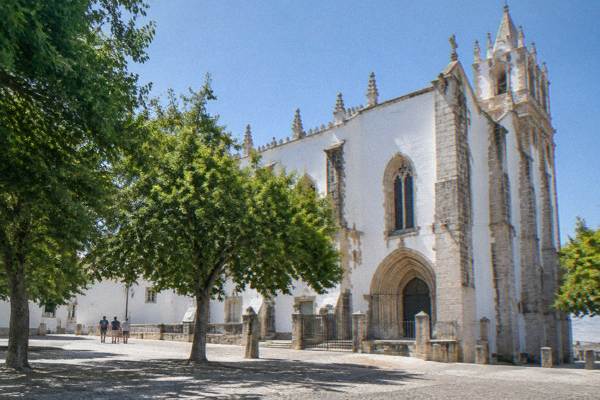
Chapel Of Bones Évora: Tickets, Hours And What To Expect At The Capela Dos Ossos
The Capela dos Ossos in Évora, Portugal, lines its walls with human bones. This guide covers the single museum ticket, seasonal opening hours, the walk from Praça do Giraldo, and what a visit actually involves.
Short answer
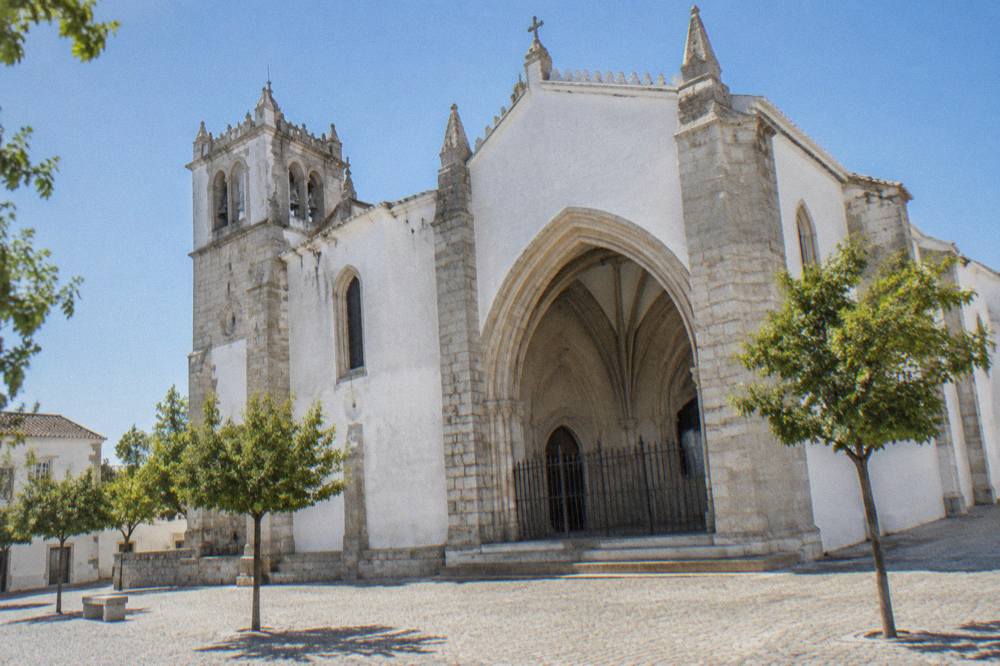
The Chapel of Bones in Évora, Portugal, is a small chapel inside the Igreja de São Francisco complex whose interior walls are lined with human bones. A single 7.00 EUR adult museum ticket covers the chapel and all the adjoining museum areas; it is open daily in summer from 9:00 to 18:30 and in winter from 9:00 to 17:00, closed on 1 January, Easter Sunday, the afternoon of 24 December and 25 December.
Évora, Portugal, a UNESCO World Heritage city in the Alentejo plain about 130 km from Lisbon, holds one of the most unusual religious interiors in Europe: the Capela dos Ossos, the Chapel of Bones, a small chapel whose walls and pillars are lined with human bones. It sits inside the Igreja de São Francisco complex, a few minutes' walk from Praça do Giraldo, and it is the sight most visitors to Évora remember longest, whether they loved it or merely endured it. The chapel is not a ruin or a curiosity stuck behind glass. It is a working part of one of the city's principal churches, entered on a single museum ticket that also covers several other rooms of the same complex, and it draws a steady queue of visitors through every month of the year.
What Is The Chapel Of Bones In Évora?
The Chapel of Bones, the Capela dos Ossos, is a small chapel inside the Igreja de São Francisco complex in the historic centre of Évora, Portugal, whose interior walls, pillars and arches are lined with human bones arranged in decorative patterns. The church's own page describes it as one of several museum areas covered by a single ticket, alongside the Sala do Capítulo, the Presépio, the Arte Sacra nucleus and other rooms.
The chapel is small, dim and intimate, and a visit takes only a few minutes inside the room itself.
The chapel's purpose was contemplative rather than macabre for the people who built it. Bones were used as a memento mori, a physical reminder of mortality intended to turn the visitor's thoughts from worldly concerns toward the transient nature of life. That framing matters, because the chapel is not a sideshow or a haunted attraction: it belongs to a private religious entity, and the church's own page notes that it does not apply State Museum discounts for that reason. Visitors expecting a museum-style institution with concession structures will find the pricing works differently here.
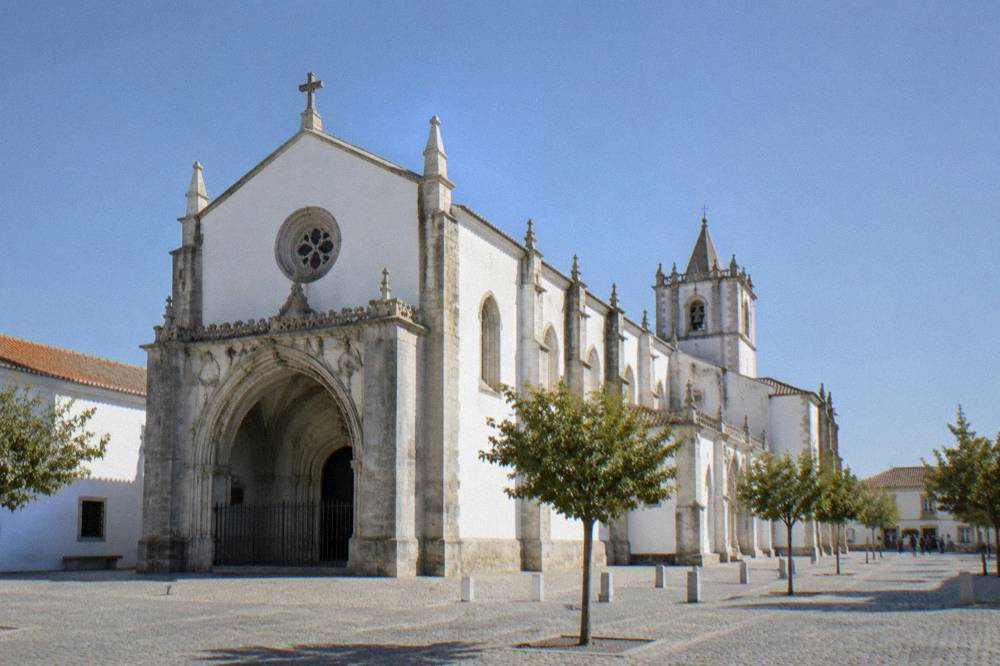
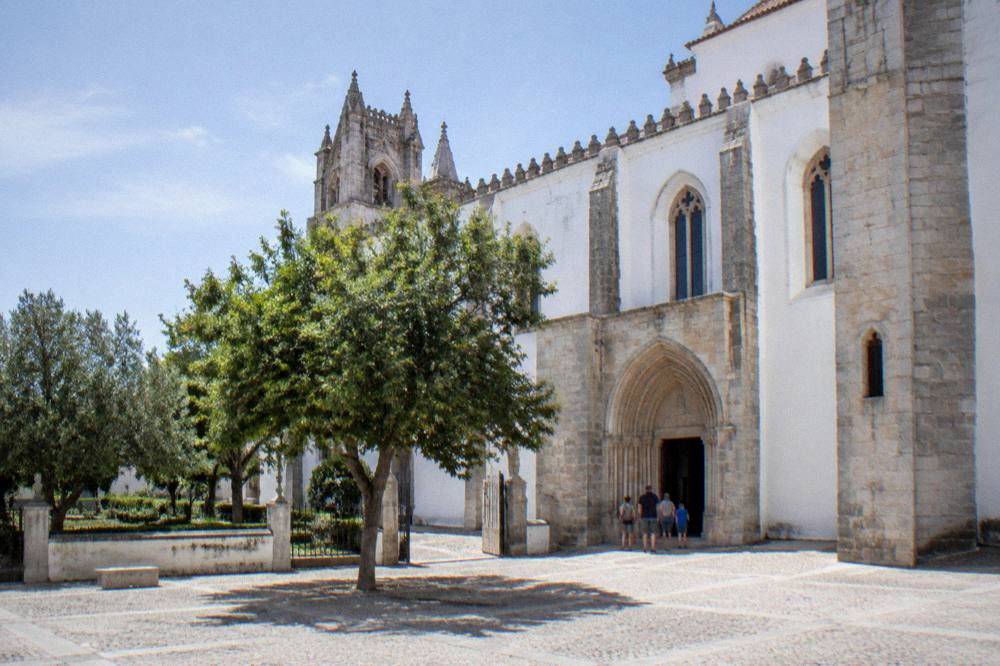
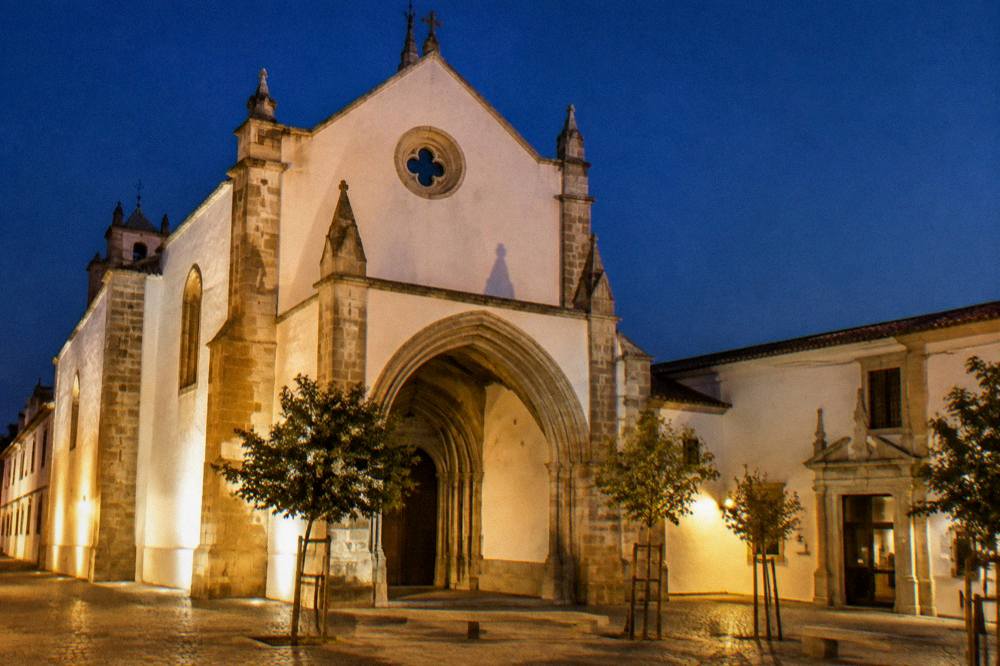
The Igreja de São Francisco that contains the chapel is one of Évora's major monuments in its own right, and the two are usually visited together. The church itself is free to enter; the ticket is for the museum areas, of which the Capela dos Ossos is the headline draw. For the wider picture of the building, see the Igreja de São Francisco guide, and for the broader debate about whether the visit justifies the price, the is the Chapel of Bones worth visiting answer page weighs both sides.
What you will not find here is a body count. Estimates and figures for the number of skeletons or bones circulate freely online, but none of them comes from the church's own materials, so this guide does not repeat one. The walls are lined with human bones; that is the fact the name itself states, and it is the honest limit of the description. The story behind the Chapel of Bones answer page covers the history in the same careful terms.
How Much Do Chapel Of Bones Évora Tickets Cost?
A single adult museum ticket to the Capela dos Ossos costs 7.00 EUR, and it covers every museum area of the Igreja de São Francisco complex, not just the chapel: the Sala do Capítulo, the Presépio, the Arte Sacra nucleus, the Sala da Tribuna Real, the Terraço da Galilé and the Canha da Silva nativity collection. Youth up to 25 pay 5.00 EUR, seniors over 65 pay 5.00 EUR, and a family ticket for two adults plus youths costs 15.00 EUR.
The church itself remains free to enter.
The pricing structure rewards a slow visit. Because the one ticket opens every museum room in the complex, a visitor who only wants a photograph inside the chapel pays exactly the same as a visitor who spends an hour across the nativity collection and the sacred-art nucleus. Plan for the full circuit rather than a dash in and out, and the price per minute of interest falls considerably.
| Ticket | Price | What It Covers |
|---|---|---|
| Adult | 7.00 EUR | All museum areas: Capela dos Ossos, Sala do Capítulo, Presépio, Arte Sacra nucleus, Sala da Tribuna Real, Terraço da Galilé, Canha da Silva nativity collection |
| Youth up to 25 | 5.00 EUR | Same full museum circuit |
| Senior over 65 | 5.00 EUR | Same full museum circuit |
| Family (2 adults plus youths) | 15.00 EUR | Same full museum circuit |
| Church entry | Free | The Igreja de São Francisco nave only, no museum areas |
Two comparisons help place that 7.00 EUR in context. The Sé de Évora, the cathedral a short walk away, charges 5.00 EUR for its complete visit including the cloister, the roof terrace and the museum, with children up to 12 free. The Museu de Évora charges adults 8 EUR. All three sights sit within a few hundred metres of each other, and a visitor doing the full monumental circuit of Évora is buying three separate tickets, because the Évora Ticket multi-site pass does not include the Sé, the Capela dos Ossos or the Museu de Évora. The Évora tickets and passes question is worth checking before you buy anything, and the is the Chapel of Bones free answer page addresses the common confusion between the free church and the paid chapel.
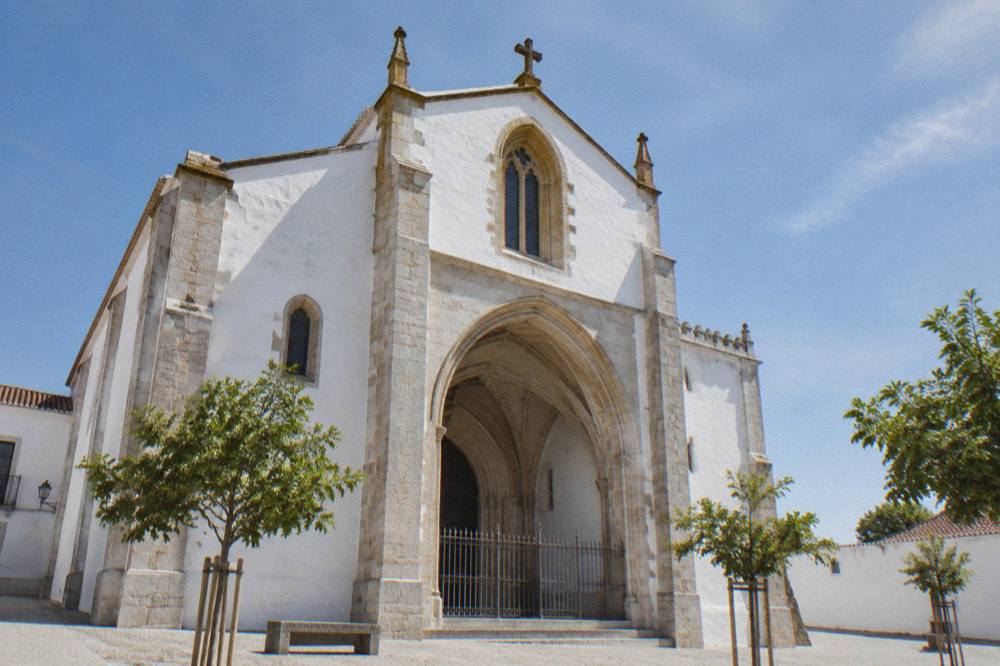
For visitors who prefer the chapel explained rather than simply seen, guided options change the arithmetic. A guided walk bundles the chapel into a route that also covers the cathedral and the historic centre, with tickets often handled by the guide.
The small-group cultural walking tour above, from $77.66 per person and rated 4.9 from 141 reviews, is built around exactly this sight, pairing a two-hour walk with chapel entry. It suits visitors who want the memento mori context explained while standing inside the room, rather than reading it afterwards.
What Are The Chapel Of Bones Opening Hours In Évora?
The Capela dos Ossos keeps seasonal hours tied to legal time in Portugal: in summer the museum areas open 9:00 to 18:30, and in winter they open 9:00 to 17:00. The chapel is open every day of the week, with the exception of 1 January, Easter Sunday, the afternoon of 24 December and 25 December. Masses in the adjoining church are held Monday to Saturday at 11:30 and on Sunday at 9:00 and 12:00.
The seasonal split matters more than most visitors expect. Summer hours run a full hour and a half later into the evening, which makes the chapel one of the few Évora monuments genuinely comfortable to visit after a late Alentejo lunch. In winter the 17:00 close arrives early, and the light outside the complex is already low by the time the doors shut.
| Period | Hours | Days Open | Closed |
|---|---|---|---|
| Summer legal time | 9:00 to 18:30 | Every day | 1 January, Easter Sunday, 24 December afternoon, 25 December |
| Winter legal time | 9:00 to 17:00 | Every day | 1 January, Easter Sunday, 24 December afternoon, 25 December |
The closure list is short and precise, which is a gift for trip planning. Easter Sunday is the one closure that catches visitors out, because it moves each year and Évora is busy that week with visitors touring the Alentejo. The 24 December afternoon closure is the other trap: a morning visit works that day, an afternoon one does not. On every other day of the year the chapel opens in the morning and stays open through the middle of the day, unlike the Museu de Évora, which closes for lunch and stays shut on Mondays.
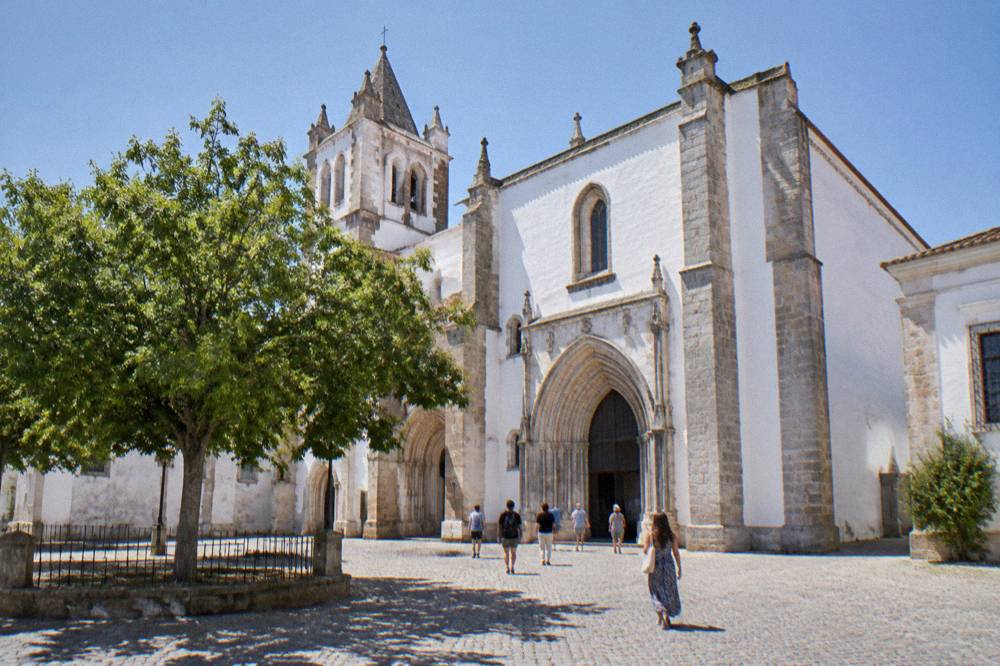
If the timing question is whether the chapel can anchor a wider day in the city, it can. The one day in Évora itineraries on this site slot the chapel into the afternoon between the cathedral and the Praça do Giraldo, and the hours above make that sequencing work in both seasons.
Should You Book A Chapel Of Bones Walk In Advance?
Queues at the ticket area are unpredictable, and in peak months a guided option removes the wait entirely. The private skip-line walk below covers the university, the cathedral and the chapel in one three-hour circuit, with monument tickets handled for you.
Where Is The Chapel Of Bones And How Do You Get There?
The Capela dos Ossos sits inside the Igreja de São Francisco complex in the historic centre of Évora, a short walk west of Praça do Giraldo, the city's main square, inside the UNESCO-inscribed old town where almost every sight is reachable on foot. The chapel is not on a transport route of any kind: no local bus is needed, and the walk from Praça do Giraldo takes only a few minutes through the medieval street grid.
The historic centre of Évora is compact and largely pedestrian in character. The Igreja de São Francisco faces a square of its own, and the museum entrance for the chapel circuit is signposted from the church entrance. Anyone who can find Praça do Giraldo, the arcaded square that functions as the city's living room, can find the chapel: it lies a few streets away toward the western edge of the old town, close to where the medieval wall runs.
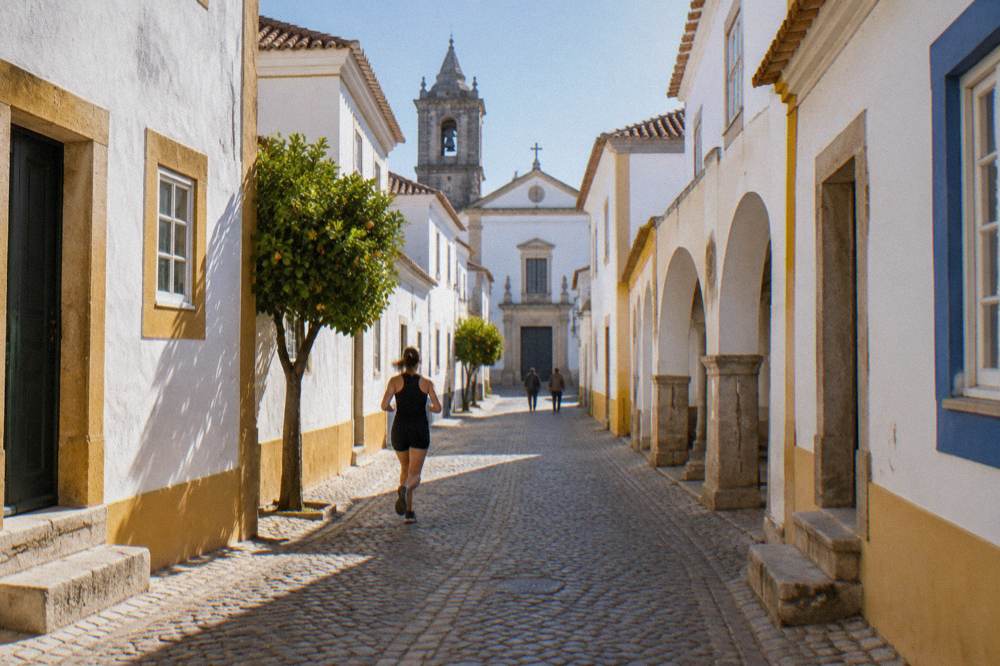
The walk between the chapel and the other headline sights is short in every direction. The Sé de Évora, the cathedral with its roof terrace, stands a few minutes to the south-east. The Templo Romano, the Roman temple popularly called the Temple of Diana, sits beside the cathedral. The Museu de Évora closes the triangle. A visitor can see all four in a single unhurried afternoon, and the chapel's long summer hours mean it can be saved for last.
| Nearby Sight | Direction From The Chapel | Ticket Situation |
|---|---|---|
| Sé de Évora (cathedral, cloister, roof terrace, museum) | A few minutes south-east | 5.00 EUR complete visit, children up to 12 free |
| Templo Romano | Beside the cathedral | Open-air monument, no ticket listed |
| Museu de Évora | Close to the cathedral | 8 EUR adult, closed Mondays |
| Praça do Giraldo | A few minutes east | Public square, free |
| Igreja de São Francisco nave | Same complex | Free to enter |
Visitors with reduced mobility should note that the historic centre is cobbled and sloping in parts, and the chapel interior is a small, enclosed room. There is no verified accessibility statement for the complex, so anyone with specific needs should ask at the entrance or check the church's notice before travelling.
What Will You Actually See Inside The Chapel Of Bones?
Inside the Capela dos Ossos you see a small, dim chapel whose walls and columns are completely lined with human bones, arranged in ordered rows and patterns, with skulls worked into the composition and bones packed into the pillars and vaulting. The room is deliberately intimate and takes only a few minutes to walk through, and the same ticket continues into the adjoining museum areas, including the Sala do Capítulo, the nativity Presépio and the sacred-art nucleus.
The effect is architectural rather than gory. The bones function as a wall finish, a texture applied to every surface the eye meets, and the impression most visitors report is of a room built from a material that should not exist. The memento mori intent, the reminder of mortality, is the frame the church itself gives the space, and it explains why the chapel belongs to a working religious complex rather than standing alone as a curiosity. Other pages covering the same trip are gathered on Évora Travel Guide.
What the room is not is a museum of anatomy. There are no display cases, no labels counting specimens, no interpretive panels listing figures. The church's own materials describe the chapel as part of its museum circuit without quantifying the remains, and this guide follows that lead. Visitors who arrive with a number in their head from an online source should expect no confirmation of it on site.
The rest of the circuit rewards the slower visitor. The Canha da Silva nativity collection is a substantial display in its own right, and the Terraço da Galilé gives an outdoor terrace break between rooms. In summer, that terrace is a welcome pause, because the chapel itself is enclosed and unairconditioned. Allow thirty to forty-five minutes for the full museum circuit at a comfortable pace, longer if the sacred-art nucleus catches your interest.
Is The Chapel Of Bones Suitable For Children?
The Capela dos Ossos is a genuine judgment call for families: nothing about the sight is graphic in a modern-media sense, but the walls are real human bones, the room is dim and enclosed, and the emotional register is sombre rather than entertaining. There is no age restriction on entry and no separate child ticket printed on the church's own price list, and the family ticket at 15.00 EUR for two adults plus youths is the structure the church provides for family groups.
The honest answer is that children react unpredictably. Some are fascinated, some are bored, and some are frightened, and the deciding factor is usually whether the child understood what they were about to see before the door opened. Explaining the memento mori idea in advance, that the bones were placed there to make visitors think about how short life is, converts the room from a shock into a lesson for many families.
The wider city is one of the more family-friendly destinations in Portugal, which makes the chapel an easier call as part of a day than as a standalone trip. The Évora with kids planning pages on this site balance the chapel against the public garden, the Roman temple and the city's slow, safe street rhythm. For families touring with a guide, a private walk lets the pacing flex around the children, and the private best-of walk below handles exactly that kind of group.
How Does The Chapel Of Bones Compare With Évora'S Other Sights?
The Capela dos Ossos is Évora's most singular sight, but it is a short experience, roughly a few minutes inside the chapel itself within a museum circuit of thirty to forty-five minutes, whereas the Sé de Évora offers a longer complete visit for 5.00 EUR and the Museu de Évora a conventional gallery morning for 8 EUR. The chapel's power is concentration: no other sight in the city delivers comparable intensity in so small a space.
The comparison matters because Évora rewards a full day rather than a single sight. The city's UNESCO inscription, covering the historic centre since 1986, rests on the ensemble: the Roman temple, the cathedral, the medieval walls, the aqueduct and the churches, of which the Igreja de São Francisco with its bone chapel is one. A visitor who sees only the chapel misses the context that makes Évora more than a curiosity stop.
| Sight | Experience | Adult Ticket | Time To Allow |
|---|---|---|---|
| Capela dos Ossos and museum circuit | Bone-lined chapel plus six museum areas | 7.00 EUR | 30 to 45 minutes |
| Sé de Évora complete visit | Cathedral, cloister, roof terrace, museum | 5.00 EUR | About an hour |
| Museu de Évora | National museum in the former Archbishop's Palace | 8 EUR | One to two hours |
| Templo Romano | Open-air Roman temple precinct | No ticket listed | A few minutes |
| Praça do Giraldo | Arcaded main square, cafés | Free | As long as you like |
One practical note on combination tickets: the Évora Ticket, the multi-site pass for the Cidade-Museu network, costs 8 EUR for one day, 10 EUR for two and 12 EUR for three, but it does not include the Sé, the Capela dos Ossos or the Museu de Évora. The three headline sights of the city sit outside the pass, so the pass and the individual tickets need to be planned as separate purchases. The bone chapels in Portugal guide places the Évora chapel in its national context for visitors deciding how much weight to give it.
What Are The Best Guided Tours Of The Chapel Of Bones In Évora?
The best guided options for the Capela dos Ossos are the walking tours that pair the chapel with the cathedral and the historic centre, because the chapel itself is small and benefits from context more than from company. The leading private option runs about 2.5 hours from $111.42 per person, rated 5 from 106 reviews, covering the cathedral and the chapel with monument tickets included; the small-group cultural walk runs 2 hours from $77.66 per person, rated 4.9 from 141 reviews.
The private format suits visitors who want the memento mori history unpacked at their own pace and who value having the monument tickets handled. The small-group format suits visitors happy to share a guide and pay less. A budget flexible historic-centre walk, 3 hours from $13.51 per person and rated 4.8 from 105 reviews, covers the city as a whole at a lower price point for travellers whose priority is not the chapel alone.
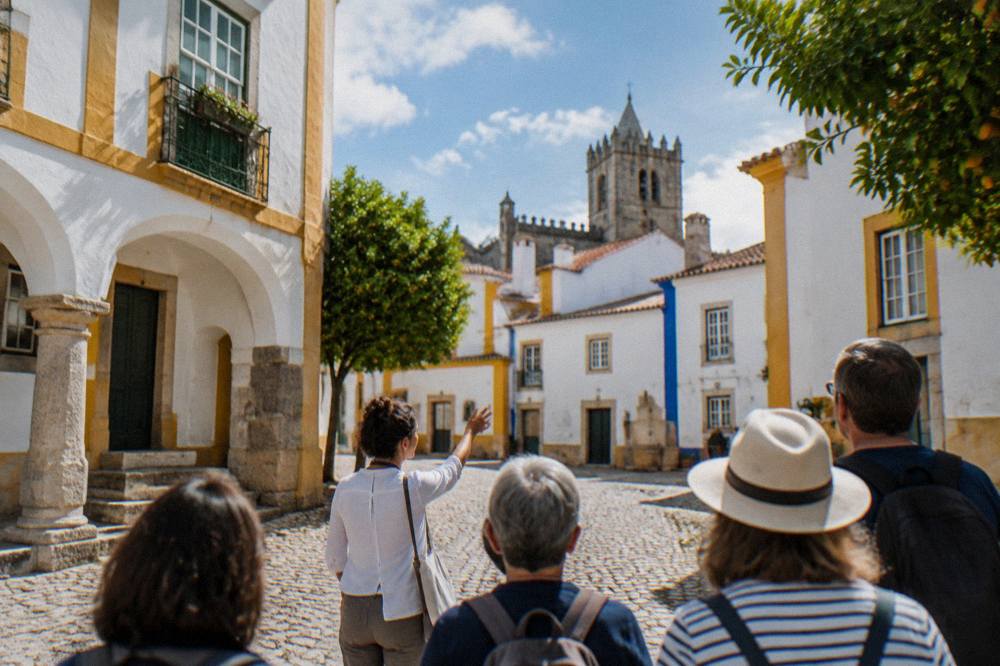
For visitors who want the chapel without a price tag at all, Évora has a free-walk scene on GuruWalk. The Essential Free Tour of Évora, rated 4.93 from 774 reviews and running about 2 hours, is tip-based and covers the essential historic centre; the Évora through history walk, rated 4.88 from 74 reviews, tells how the city's past shaped its streets. These free walks do not include the chapel's 7.00 EUR museum ticket, which every participant still buys or skips independently, but they are the cheapest way to arrive at the chapel with the city already explained.
Between the paid and free formats sits the private best-of walk, which bundles the cathedral and the chapel into one route with tickets included, rated 5 from 256 reviews and starting from $113.53 per person. It is the format to choose when the chapel is the priority of the day rather than one stop on a list.
How Should You Plan Your Visit To The Chapel Of Bones?
Plan the Capela dos Ossos as a thirty to forty-five minute museum visit inside a half-day or full-day circuit of Évora's historic centre, buying the 7.00 EUR adult ticket that covers all the museum areas, timing your arrival for the morning or the late afternoon to avoid the midday peak, and avoiding only the four annual closures of 1 January, Easter Sunday, the afternoon of 24 December and 25 December.
The single most useful planning decision is sequencing. The chapel, the cathedral and the Museu de Évora sit within a few minutes of one another, but their hours differ: the museum closes for lunch and on Mondays, the cathedral closes at 17:00 year-round, and the chapel runs longest into the evening in summer. A morning at the museum, an early afternoon at the cathedral and a late afternoon at the chapel uses every sight at its best hour.
| Time Of Day | Chapel Crowd Level | Best Paired With |
|---|---|---|
| 9:00 to 11:00 | Quietest of the day | Museu de Évora before its lunch closure |
| 11:00 to 13:30 | Busiest, tour groups arrive | The cathedral, then lunch on Praça do Giraldo |
| 14:00 to 16:30 | Moderate | Templo Romano and the historic-centre streets |
| 16:30 to close | Thinning out | Summer terrace hour, then dinner in the old town |
Visitors combining the chapel with the wider Alentejo should give Évora at least a full day. The how much time do you need in Évora question comes up constantly, and the chapel is the reason many of them come at all. Whether it is worth it is a fair question with a personal answer; what is not in doubt is the ticket, the hours and the walk, all of which are fixed and all of which this guide has set out above.
Common Questions About The Chapel Of Bones In Évora
Is the Chapel of Bones worth visiting?
For most visitors to Évora, yes: the chapel is the city's most singular interior and the sight most people remember. The counterargument is that the visit is short, a few minutes inside the chapel within a circuit of thirty to forty-five minutes, against a 7.00 EUR adult ticket. Visitors with limited time or no appetite for human remains often prefer the free church nave and spend longer at the cathedral instead.
Is the Chapel of Bones free to enter?
The Igreja de São Francisco itself is free to enter, but the Capela dos Ossos is part of the paid museum areas and requires the single museum ticket: 7.00 EUR adult, 5.00 EUR for youth up to 25 and seniors over 65, 15.00 EUR for a family of two adults plus youths. There is no free way into the chapel itself.
Is the Chapel of Bones made of real bones?
Yes, the walls and pillars of the chapel are lined with human bones. The chapel was conceived as a memento mori, a reminder of mortality, and the bones are integral to the room's architecture rather than being a later decoration. The church's own materials do not quantify the remains.
Why is the Chapel of Bones famous?
The chapel is famous for being one of the world's best-known bone-decorated interiors, a small room whose every surface is finished in arranged human bones, inside a major Gothic church in a UNESCO World Heritage city. Its fame rests on the intensity of the effect in a small space and on the philosophical intent behind it.
Whose bones are in the Chapel of Bones?
The church's own materials do not identify the individuals whose remains line the chapel, and no verified attribution exists. The remains came from Évora's churchgrounds, but any specific claim about who they belonged to should be treated as unconfirmed. What can be said is that the bones are human and that the arrangement is deliberate and devotional in intent.
What are the Chapel of Bones opening hours?
In summer legal time the museum areas open 9:00 to 18:30; in winter legal time they open 9:00 to 17:00. The chapel is open every day except 1 January, Easter Sunday, the afternoon of 24 December and 25 December. Masses in the adjoining church are held Monday to Saturday at 11:30 and on Sunday at 9:00 and 12:00.
Whatever you decide about the ticket and the timing, go with the chapel's own intent in mind: it was built to make visitors pause, and a visitor who gives it that pause, inside a full circuit of the Igreja de São Francisco's museum areas, gets the most from the strangest room in the Alentejo.