Évora Vs The Algarve
Évora is an inland UNESCO-listed city of Roman temples and bone chapels; the Algarve is a coastal region of beaches and resort towns. Here is how the two honestly compare.
Short answer
Choose Évora for a compact, walkable historic city with megaliths, wine and Alentejo food, reached from Lisbon in about 1 hour 40 by train. Choose the Algarve for beaches, coastal walks and a slower resort rhythm. Many visitors do both.
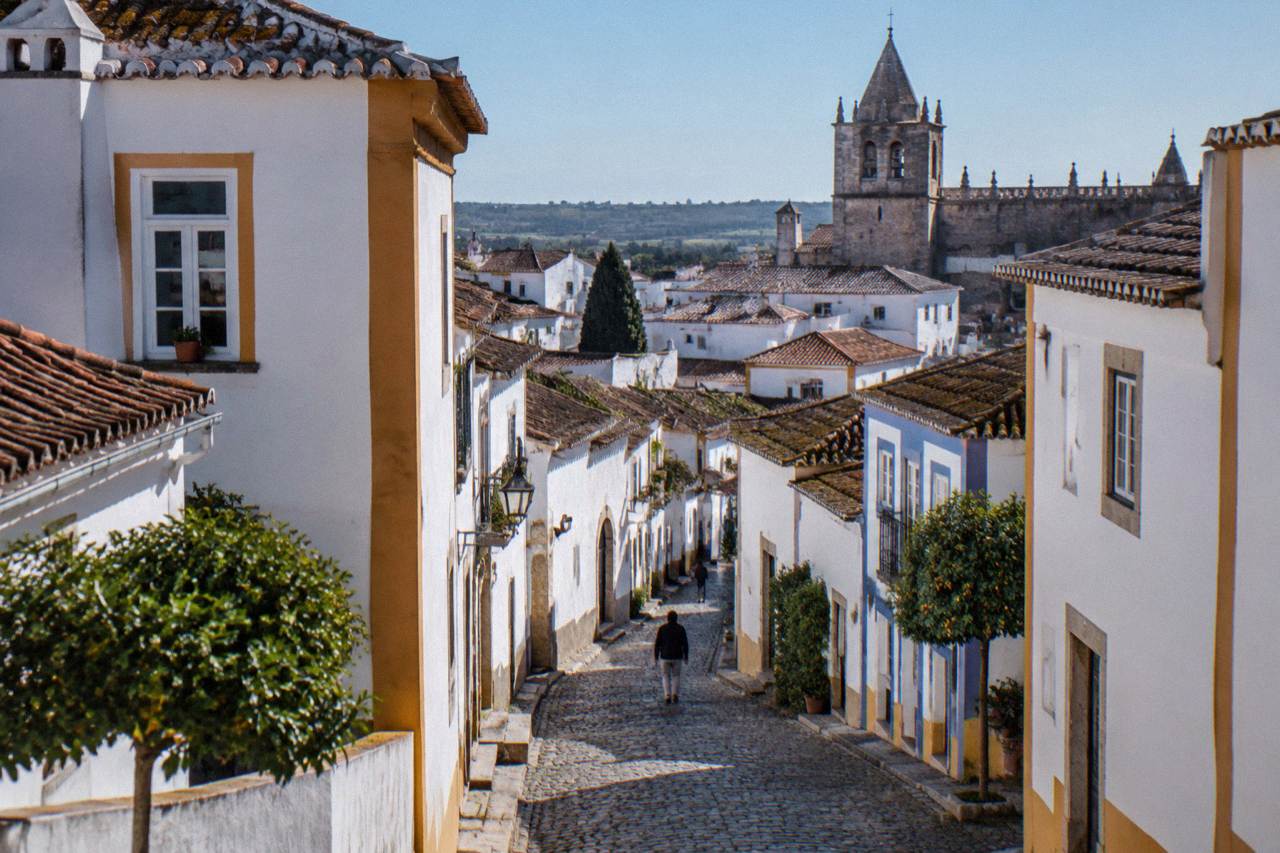
Évora, the capital of the Alentejo and of the district of that name, is an inland city of Roman walls, a medieval cathedral and a UNESCO-inscribed historic centre, sitting on a plain about 130 km from Lisbon and roughly 90 km from the Atlantic. The Algarve is the opposite kind of Portugal: a southern coastal region of beaches, cliffs and resort towns. Comparing the two is really comparing two different holidays, one built around a walkable museum city and its wine country, the other around the sea.
What Kind Of Trip Is Évora, And What Kind Is The Algarve?
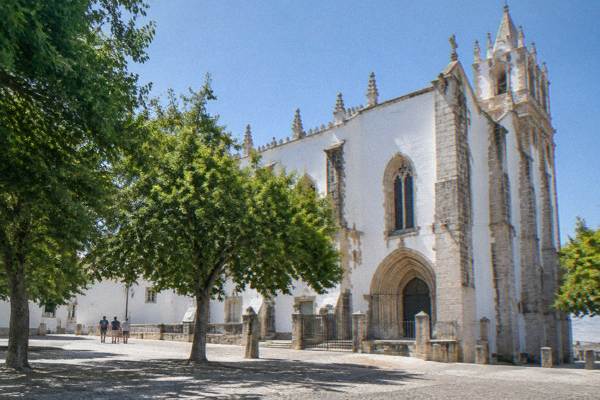
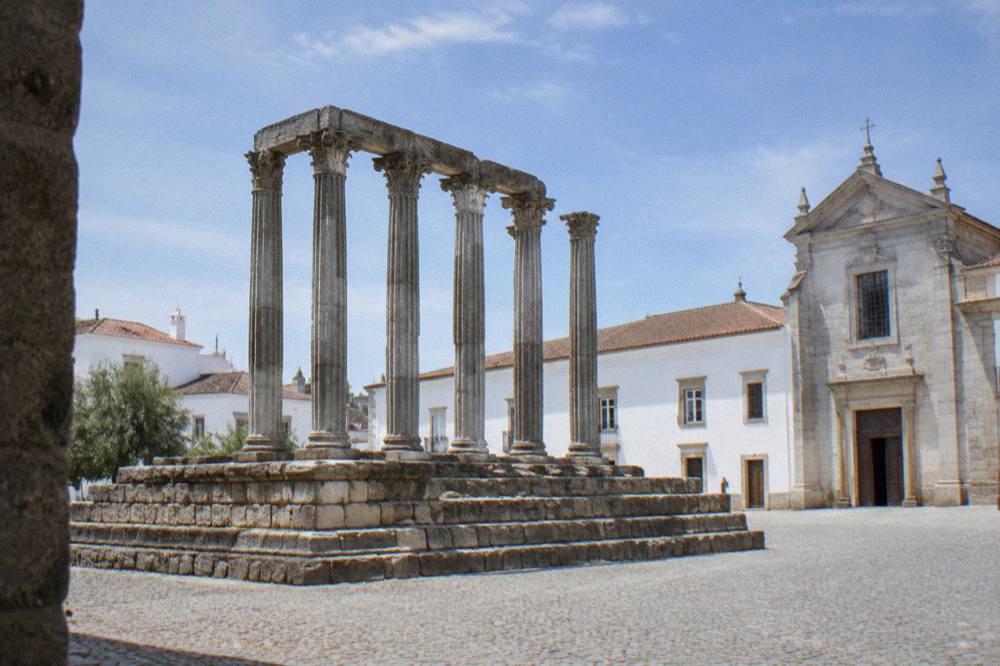
Évora is a single compact historic city you can walk across in a morning, surrounded by megaliths, cork forests and wine estates, while the Algarve is a spread-out coastal region of separate beach towns you drive between. Évora's sights sit inside centuries-old walls: a Roman temple, a Gothic cathedral with a roof terrace, the Capela dos Ossos and the Praça do Giraldo. The Algarve's sights are beaches, sea cliffs, golf courses and fishing towns. One is a city break, the other a beach holiday.
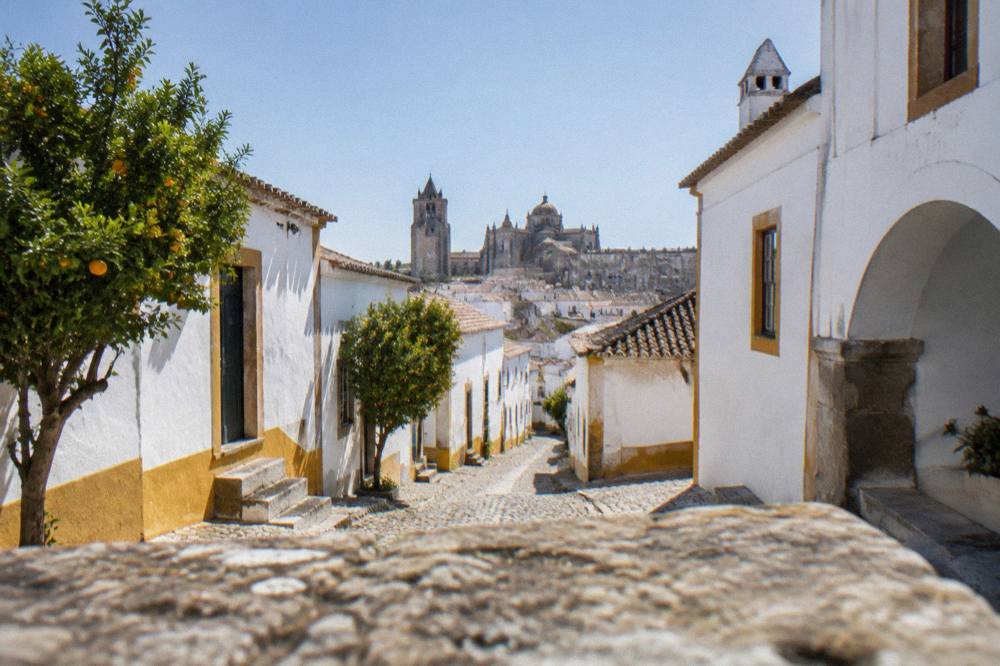
The contrast matters most in how you spend a day. In Évora the day is vertical: you park once or arrive by train, and everything on the list is within a short walk of everything else. The UNESCO Historic Centre of Évora was inscribed in 1986 under criteria (ii) and (iv), and UNESCO's criterion (iv) calls it the finest example of a city of the golden age of Portugal after the 1755 Lisbon earthquake, which Évora was largely spared. That density is the city's whole argument.
The Algarve works differently. It is a long region rather than a place, and its pleasures, sand, sea temperature, coastal walking trails and seafood, are spread along it. Nothing verified about the Algarve was checked for this comparison, so no price, hour or crowd figure for it appears here. Character, not numbers, is what can honestly be compared.
A good way to feel the difference before booking anything is to read what Évora is known for and then look at a map of the Algarve coast. One is a dot you explore on foot, the other a line you explore by car.
How Does Évora'S Weather Compare With The Algarve'S?
Évora is hotter in summer and colder in winter than the coast, because it sits inland at 247.6 m altitude with no sea to moderate it. IPMA's 1991-2020 normals for the Évora station show a July mean maximum of 33.3 C and an August mean maximum of 33.5 C, with 31.9 days a year reaching 35 C or more and a record of 45.4 C on 4 August 2018. The Algarve, being coastal, runs milder at both ends of the year in general terms.
The Alentejo plain does not forgive a badly timed visit. The same IPMA 1991-2020 table shows June averaging 15.1 days at 30 C or more and July 23.7, so a summer city break in Évora means sightseeing early and long lunches. Rain is the winter story: 81.5 mm in October, 86.0 mm in November and 85.1 mm in December, against 2.7 mm in July.
| Month | Mean max (C) | Mean min (C) | Rain (mm) | Days 30 C+ |
|---|---|---|---|---|
| Jan | 14.1 | 4.5 | 68.6 | 0.0 |
| Apr | 20.7 | 8.5 | 62.1 | 0.3 |
| Jul | 33.3 | 15.6 | 2.7 | 23.7 |
| Aug | 33.5 | 16.0 | 6.0 | 25.0 |
| Oct | 24.1 | 12.3 | 81.5 | 2.9 |
| Dec | 14.6 | 5.3 | 85.1 | 0.0 |
All figures are IPMA 1991-2020 averages for the Évora station, number 558. The Algarve's climate is described here only in general terms, because nothing on the coastal side was verified for this page; the sea keeps its summers cooler and its winters milder, which is the standard reason beach visitors choose it. For the inland picture in full, see the Évora weather guide and the best time to visit Évora.
What Do You Actually See In Évora That The Algarve Does Not Have?
Évora's core sights are the Templo Romano, the Sé de Évora with its roof terrace, the Capela dos Ossos in the Igreja de São Francisco, the Praça do Giraldo and the Museu de Évora, plus the Almendres Cromlech and the Água de Prata aqueduct just outside or crossing the centre. None of these has a coastal equivalent: they are Roman, medieval and Renaissance monuments in a single walled ensemble, and the whole set is open year-round.
The verified prices tell the story of a cheap sightseeing city. The Sé's one complete-visit ticket, cathedral, cloister, roof terrace and museum, costs 5.00 EUR, with children up to 12 free. The Capela dos Ossos museum ticket covering all its areas is 7.00 EUR for an adult, 5.00 EUR for youth up to 25 and seniors over 65, and 15.00 EUR for a family. The Museu de Évora is 8 EUR, closed Mondays. The Évora Ticket, a multi-site pass for the Cidade-Museu network, is 8 EUR for one day, 10 EUR for two and 12 EUR for three, free to age 12, though it does not include the Sé, the Capela dos Ossos or the Museu de Évora.
| Sight | Adult ticket | Concessions | Closed |
|---|---|---|---|
| Sé de Évora (complete visit) | 5.00 EUR | Children to 12 free | 25 Dec, 1 Jan, 24 Dec afternoon |
| Capela dos Ossos / Igreja de São Francisco | 7.00 EUR | Youth to 25 and seniors 5.00 EUR, family 15.00 EUR | 1 Jan, Easter Sunday, 25 Dec, 24 Dec afternoon |
| Museu de Évora | 8 EUR | Youth 13-24 and seniors 50% off | Mondays, 1 Jan, 1 May, 25 Dec |
| Évora Ticket (1 day) | 8 EUR | Free to age 12 | Follows member-site hours |
The Templo Romano is free to look at, an open-air monument the municipal page says was probably dedicated to the imperial cult rather than to Diana, a name used only since the 17th century. It measures 25 x 15 m, was reused as a municipal butcher's shop for centuries, and had its walls freed in 1870. The Algarve's answer to sightseeing is coastal: cliff walks, lighthouse points and old town centres, pleasant but of a different kind entirely. For the full monument rundown, start with things to do in Évora.
The Tales and Legends guided walk, about 2.5 hours from $52.90 per person and rated 4.8 from 40 reviews on the operator's listing, threads these monuments together with the stories behind them, and it is the kind of experience the Algarve simply does not offer, because its history is maritime rather than monumental. Check availability if that appeals.
How Do You Get To Évora Compared With The Algarve?
Évora is reached by train from Lisbon in about 1 hour 40 to 1 hour 45 on CP Intercidades, with six through trains a day from Lisboa Oriente at 07:02, 09:02, 09:58, 13:35, 17:02 and 19:02, costing 13.90 EUR in second class or 18.50 EUR in first. The Algarve is reached by longer rail and road routes down the full length of southern Portugal, and by flights into Faro from many northern European cities.
That train timetable, valid since 6 September 2026, is the single hardest number in this comparison and it favours Évora for a short trip: depart Oriente at 09:02 and you are in Évora at 10:45, with no change at Casa Branca needed on these through services. Arrivals back from Évora run through to 20:46, which makes even a long day feasible. Check CP's own weekday remarks before planning around a specific departure.
| Lisboa Oriente departure | Évora arrival | 2nd class fare | 1st class fare |
|---|---|---|---|
| 07:02 | 08:47 | 13.90 EUR | 18.50 EUR |
| 09:02 | 10:45 | 13.90 EUR | 18.50 EUR |
| 09:58 | 11:40 | 13.90 EUR | 18.50 EUR |
| 13:35 | 15:13 | 13.90 EUR | 18.50 EUR |
| 17:02 | 18:41 | 13.90 EUR | 18.50 EUR |
| 19:02 | 20:46 | 13.90 EUR | 18.50 EUR |
No comparable timetable or fare for the Algarve was verified for this page, so none is printed. In general terms the Algarve is a longer haul from Lisbon by rail or road, and its airport at Faro is what makes it a direct fly-in beach destination for much of Europe, something landlocked Évora does not have or need. The practical detail for the inland side is in the Lisbon to Évora by train guide, and the wider options in Lisbon to Évora.
How Do Food And Wine Compare In Évora And The Algarve?
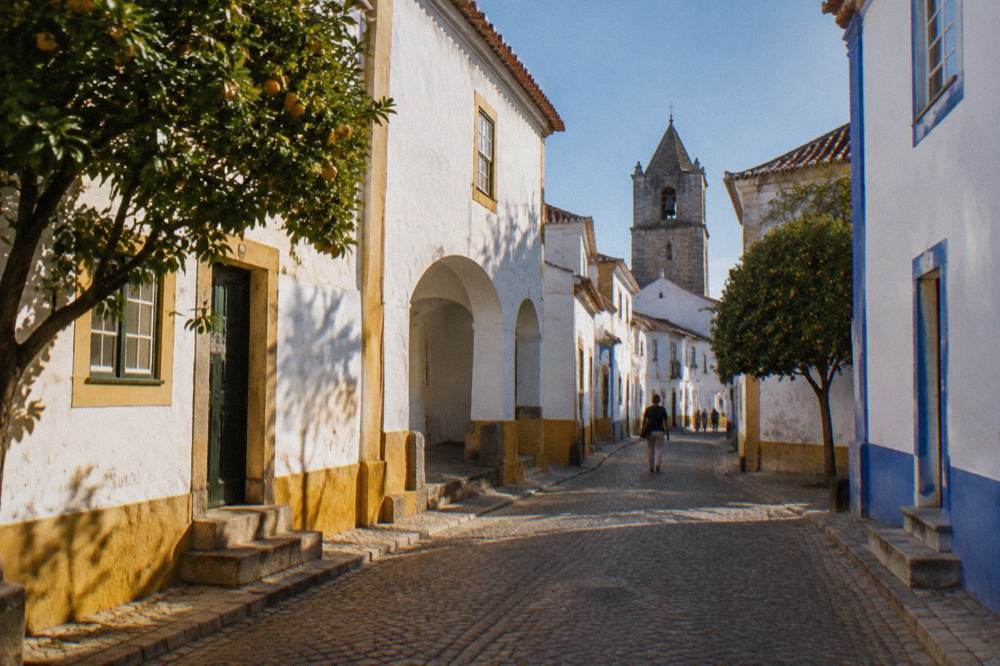
Évora eats inland: Alentejo bread, pork, sheep's cheese, açordas and Alentejo red wines from the surrounding estates, with the city's taverns and the Cartuxa winery a short walk or drive apart. The Algarve eats from the sea, grilled fish, cataplana and shellfish in towns that still land their own catch. Neither is better; one is a plains cuisine built on bread, pork and wine, the other a coastal cuisine built on the day's boats.
The Alentejo table is heavy in the best sense. The regional wines carry their own reputation, and the vineyards begin at the edge of town, which is why wine tours are among the strongest products around Évora. The food guides on this site cover the ground in detail: Évora restaurants, the Évora food guide and the wider Alentejo food and Alentejo wine pages.
The Algarve's seafood is genuinely different and genuinely good, and no verified comparison of restaurant prices between the two regions exists, so none is offered here. What can be said is structural: in Évora the eating is concentrated in a walkable centre, while in the Algarve the good tables are distributed along the coast, so a memorable meal there usually involves a drive. The wider set of guides lives on Évora Travel Guide.
How Much Does Évora Cost Compared With The Algarve?
Évora's verified sightseeing costs are low: 5.00 EUR for the Sé's complete visit, 7.00 EUR for the Capela dos Ossos and 8 EUR for the Museu de Évora, so a full monument day costs less than a typical Algarve boat excursion before you have even eaten. No verified Algarve prices exist for this comparison, so the coastal side is described only in general terms as a region with a wide resort-to-budget spread.
The guided products around Évora are priced in dollars on their listings, and they give a fair sense of the range. The flexible historic-centre walking tour starts at $13.51 per person, the Tales and Legends walk at $52.90, the small-group cultural walk with the Capela dos Ossos at $77.66, and a full private walking tour with cathedral and chapel at $113.53. A cork factory and farm visit with lunch runs from $112.55, and a full-day wine tour from $321.11.
| Guided experience from Évora | Duration | From (per person) | Rating |
|---|---|---|---|
| Personal and flexible historic-centre walk | 3 hours | $13.51 | 4.8 from 105 reviews |
| Golden Era walk with wine tasting | 2.5-3 hours | $23.92 | 4.4 from 33 reviews |
| Tales and Legends guided walk | 2.5 hours | $52.90 | 4.8 from 40 reviews |
| Small-group cultural walk and Capela dos Ossos | 2 hours | $77.66 | 4.9 from 141 reviews |
| Private walk with cathedral and Chapel of Bones | 2.5 hours | $113.53 | 5 from 256 reviews |
| Cork factory and farm with lunch | 8 hours | $112.55 | 4.8 from 26 reviews |
For the wider budget picture, including what a municipal tourist tax means for your hotel bill, see Évora cost and budget. A tax applies to stays in Évora; check the amount with your hotel when booking, as the figure is not published on a page this site could verify.
Where Should You Stay: Évora Or The Algarve?
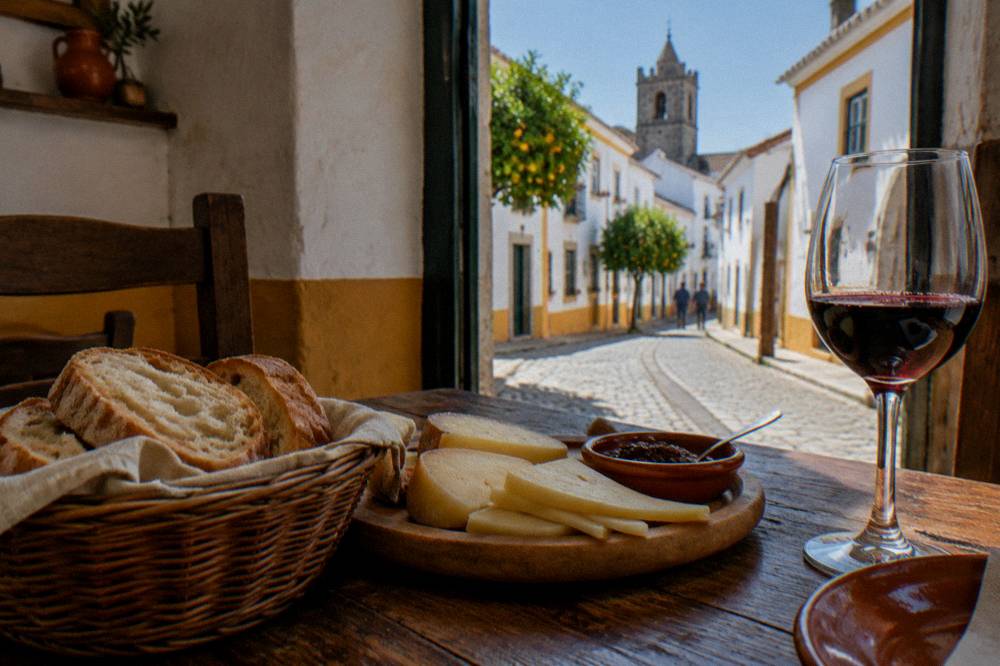
Stay in Évora if you want one base you never have to move from, inside walls, with every monument, tavern and the train station within reach on foot; stay in the Algarve if your holiday is organised around a beach and you accept driving between towns, restaurants and coves. Évora's accommodation sits in and around a historic centre a few minutes' walk from the Praça do Giraldo, where the tourist office itself is located at number 73.
The inland case is about zero-friction days. Park once, or arrive by train, and the city is yours. The where to stay in Évora guide breaks the centre into areas that suit different trips, and the practicalities, including parking, are covered in Évora parking.
The coastal case is about repetition of a pleasure: the same beach, the same walk to the sand each morning. That is a perfectly good way to holiday, and the Algarve delivers it at every price level in general terms. But it is a different shape of trip, with a hire car usually doing the work that feet do in Évora.
Can You Combine Évora And The Algarve In One Trip?
Yes, and it is a natural pairing: Lisbon as the hinge, Évora for two or three inland days, then south to the coast, or the reverse. Évora is about 130 km from Lisbon by road, and the Algarve lies well beyond it to the south, so the inland city works as a first stop out of the capital or a last stop before flying home. Give Évora at least a full day, because its monuments are dense enough to fill one and varied enough to reward two.
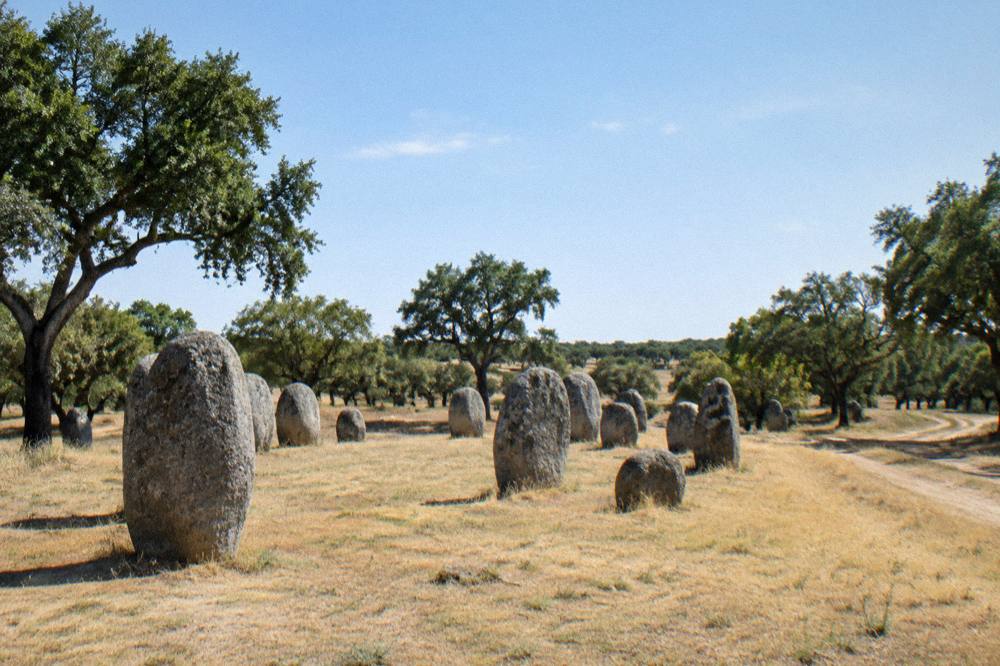
A sensible inland-and-coast route gives Évora two nights, uses the second day for the megaliths at Almendres or the wine country toward Reguengos de Monsaraz, then heads south. The Almendres Interpretation Centre in the village of Guadalupe runs 10:00-18:00 in summer, 1 May to 31 October, and 10:00-17:00 in winter, and the cromlech itself stands in open country a short drive from the city along the national road toward Lisbon, turning off after about 8 km.
| Day-trip destination from Évora | Distance (about) | Character |
|---|---|---|
| Arraiolos | 20 km | Hill town famous for its hand-stitched carpets |
| Monsaraz | 40-45 km | Walled medieval village above the Alqueva lake |
| Estremoz | 45 km | Marble town with a hilltop castle |
| Vila Viçosa | 60 km | Ducal palace and marble quarries |
| Elvas | 80 km | Star-fortress border town |
| Marvão | 120 km | Mountain-top walled village |
Distances are rounded estimates, quoted with "about", and no drive times are stated because none were verified. The full set of options is in best day trips from Évora, and if the pairing idea appeals, the Alentejo road trip page covers the inland leg in detail.
Which Should You Choose: Évora Or The Algarve?
Choose Évora if your holiday is about history, walking, wine and food in one compact UNESCO city, and if you want a destination reachable from Lisbon in under two hours by train. Choose the Algarve if your holiday needs a beach, if you want milder coastal weather, or if you are flying in directly for a sun-and-sea week. A visitor who is bored by churches will not be converted by Évora, and a visitor who needs sand underfoot will not find it 90 km inland.
The honest framing is that the two barely compete. Évora's 1986 UNESCO inscription, its Roman temple, its bone chapel and its megalithic surroundings make it a culture destination, and IPMA's 1991-2020 normals, with 31.9 days a year at 35 C or more, make summer a season to respect rather than avoid. The Algarve is a leisure destination whose identity is the coast itself.
If the choice is really between Évora and other city breaks, the fairer comparisons are with Évora vs Sintra, Évora vs Óbidos or Évora vs Coimbra, all inland-or-city destinations of comparable scale. Against the Algarve, the question is simply what kind of day you want to repeat.
How Do You See Évora Well If You Only Have A Day?
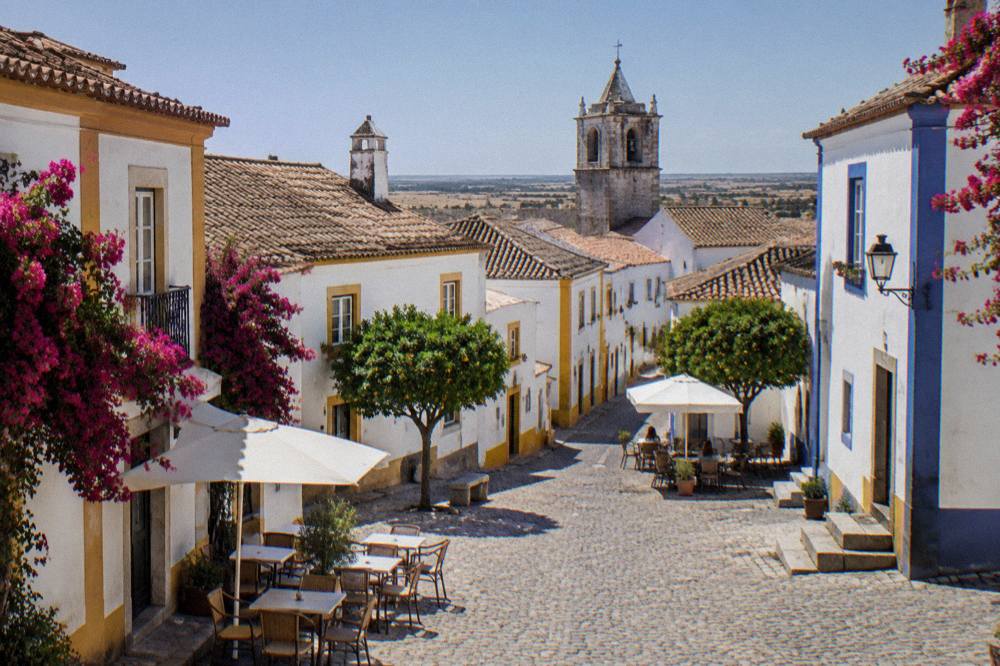
Give the morning to a guided walk that covers the walled centre, the afternoon to one or two monuments you enter properly, the Sé's roof terrace and the Capela dos Ossos being the two that reward it most, and the evening to an Alentejo table. The city's scale makes this achievable: the Tales and Legends walk runs about 2.5 hours, the small-group cultural walk about 2, and the private best-of walk about 2.5, so any of them leaves a full half-day for entries.
The solo options below are the ones this guide's comparison keeps coming back to, because each is a different way to absorb the same dense centre. The sidecar tour, from $61.90 per person and rated 4.9 from 16 reviews, covers the medieval streets on three wheels with a wine tasting folded in, which suits a hot afternoon better than walking them.
The private walking tour with cathedral and Chapel of Bones, from $113.53 per person and rated 5 from 256 reviews, is the deepest version: monument entries and a guide through the two buildings most visitors remember. For a first visit with limited time, either this or the small-group cultural walk at $77.66 is the efficient choice.
For the day-by-day structure, including what to do with a second and third day, see one day in Évora and two days in Évora.
Common Questions About Évora Vs The Algarve
Is Évora better than the Algarve?
Not better, different. Évora is an inland culture city of monuments, wine and Alentejo food; the Algarve is a coastal beach region. No verified comparison of prices, crowds or rankings between the two exists, so the choice comes down to whether your holiday is built around a walled historic centre or around the sea.
Does Évora have beaches?
No. Évora is an inland Alentejo city on a plain, roughly 90 km from the Atlantic. There is no beach, no sea view and no coast in or near the city. The nearest coastal region is the Alentejo coast around Comporta and Sines, which is a separate destination.
How many days do you need in Évora?
One full day covers the walled centre's monuments, including the Sé's complete visit at 5.00 EUR and the Capela dos Ossos at 7.00 EUR. Two days let you add the Almendres Cromlech or wine country. Three days open the wider Alentejo, Monsaraz, Estremoz, Vila Viçosa and beyond.
The Évora Travel Guide editorial desk rates this as a choose-both destination: the city for its walls and wine, the Algarve for its water, and the two together as one of the most complete inland-and-coast pairings Portugal offers.