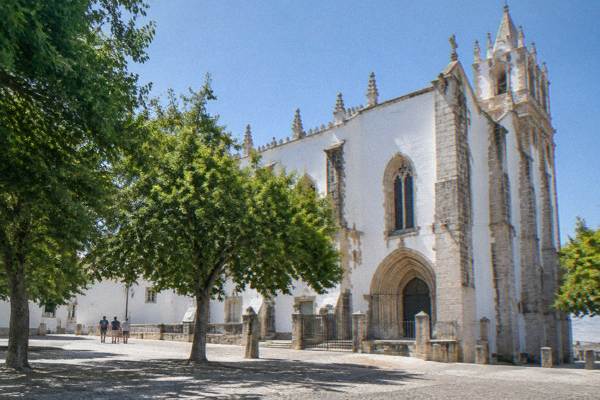
Évora Weather By Month
Évora sits on the inland Alentejo plain at 247.6 m altitude, and its climate is continental rather than coastal: hot, dry summers, mild winters and almost no rain from June to August. The IPMA 1991-2020 climate normals for the Évora station give the full month-by-month picture.
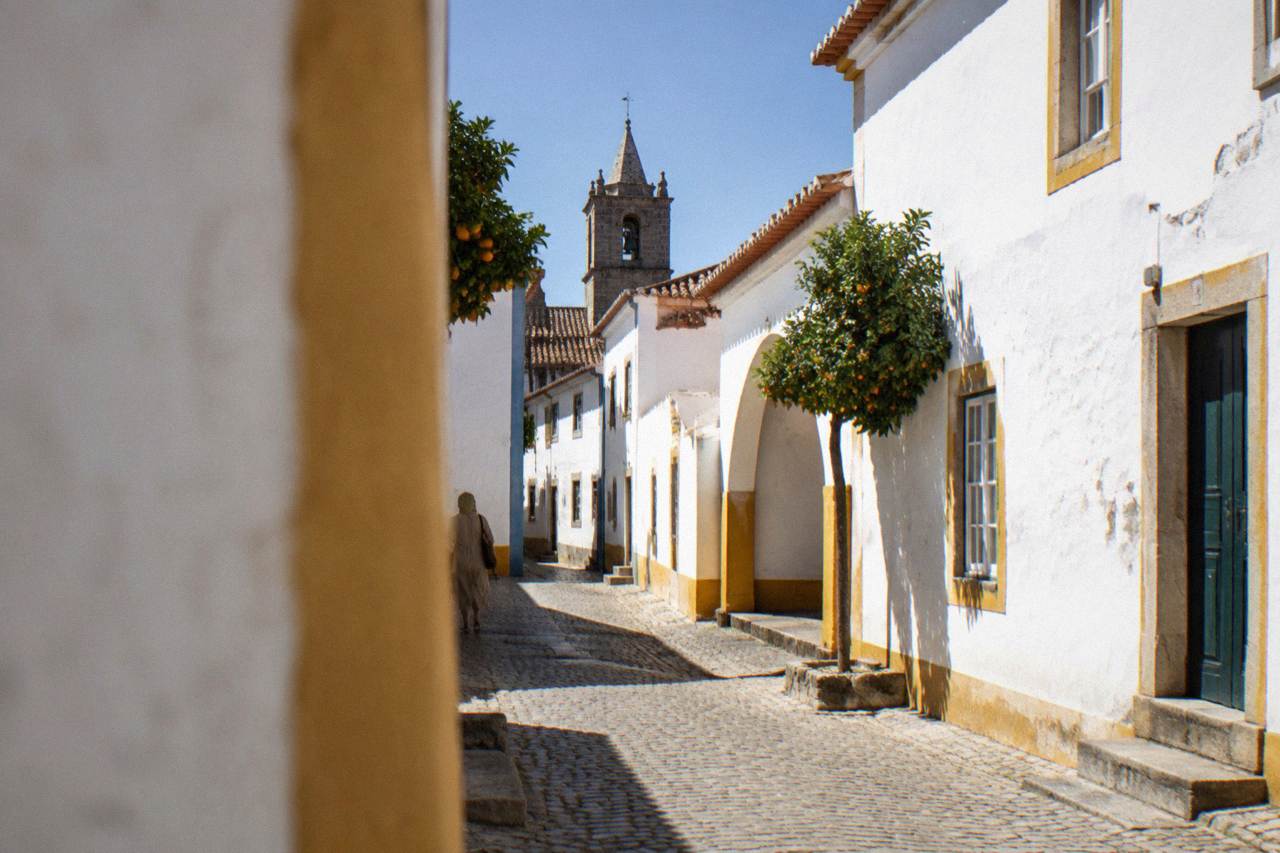
Short answer
Évora's 1991-2020 annual average is 16.6 C, with July and August mean maxima of 33.3 C and 33.5 C and 31.9 days a year at 35 C or more. Rain concentrates in October to December, and June to August are almost completely dry.
Évora, the capital of the Alentejo and of the district of the same name, stands on an inland plain about 130 km from Lisbon and roughly 90 km from the Atlantic, and its weather behaves accordingly. There is no sea to moderate anything here: the IPMA 1991-2020 climate normals for the Évora station, number 558, at 38.5365 N, 7.8880 W and 247.6 m altitude, show a genuinely continental pattern, with a 16.6 C annual mean, a summer that regularly passes 35 C and a winter that can dip below freezing.
What Is The Weather Like In Évora Throughout The Year?
Évora averages 16.6 C across the year, with a mean maximum of 23.1 C and a mean minimum of 10.1 C, according to the IPMA 1991-2020 normals for the Évora station. The warmest month is August at a 24.7 C mean, the coolest is January at 9.3 C, and total precipitation is 596.1 mm spread over 68.9 days with a millimetre or more of rain. In short: four real seasons, a dry hot summer and a mild but wetter winter.
The pattern is classic inland Iberia. Spring warms quickly, from a March mean of 12.7 C to a May mean of 18.0 C, and by June the mean maximum has already reached 30.2 C. Summer is long and dry, with July recording just 2.7 mm of rain on average and August 6.0 mm. Autumn cools as slowly as spring warmed, but the rain returns fast: October averages 81.5 mm and November 86.0 mm. Winter is mild by day, with January mean maxima of 14.1 C, and cold by night, with mean minima of 4.5 C.
Because the city is compact and its sights cluster inside the medieval walls, weather shapes the rhythm of a visit more than the itinerary itself. The full monthly picture from the normals:
| Month | Mean temp (C) | Mean max (C) | Mean min (C) | Precipitation (mm) | Rain days (1 mm+) | Days max 30 C+ | Days max 35 C+ |
|---|---|---|---|---|---|---|---|
| Jan | 9.3 | 14.1 | 4.5 | 68.6 | 8.6 | 0.0 | 0.0 |
| Feb | 10.3 | 15.7 | 5.0 | 52.3 | 7.0 | 0.0 | 0.0 |
| Mar | 12.7 | 18.7 | 6.9 | 60.8 | 7.5 | 0.0 | 0.0 |
| Apr | 14.6 | 20.7 | 8.5 | 62.1 | 8.0 | 0.3 | 0.0 |
| May | 18.0 | 25.0 | 10.9 | 46.6 | 6.0 | 5.5 | 0.7 |
| Jun | 22.0 | 30.2 | 13.8 | 10.6 | 1.7 | 15.1 | 5.6 |
| Jul | 24.5 | 33.3 | 15.6 | 2.7 | 0.6 | 23.7 | 11.5 |
| Aug | 24.7 | 33.5 | 16.0 | 6.0 | 0.7 | 25.0 | 10.9 |
| Sep | 22.1 | 29.5 | 14.6 | 33.9 | 3.6 | 13.9 | 3.1 |
| Oct | 18.2 | 24.1 | 12.3 | 81.5 | 7.7 | 2.9 | 0.1 |
| Nov | 12.8 | 17.6 | 7.9 | 86.0 | 8.8 | 0.0 | 0.0 |
| Dec | 10.0 | 14.6 | 5.3 | 85.1 | 8.7 | 0.0 | 0.0 |
Every figure above is the 1991-2020 average for the Évora station, and it is the only dataset this page uses. Nothing here is a forecast, and single years can sit well above or below these means.
How Hot Does Évora Get In Summer?
July and August average 33.3 C and 33.5 C as daytime maxima, and the station records 23.7 and 25.0 days at 30 C or more in those months, with 11.5 and 10.9 days at 35 C or more. June is already hot at a 30.2 C mean maximum with 15.1 days at 30 C or more. The highest temperature ever recorded at the station is 45.4 C, on 4 August 2018.
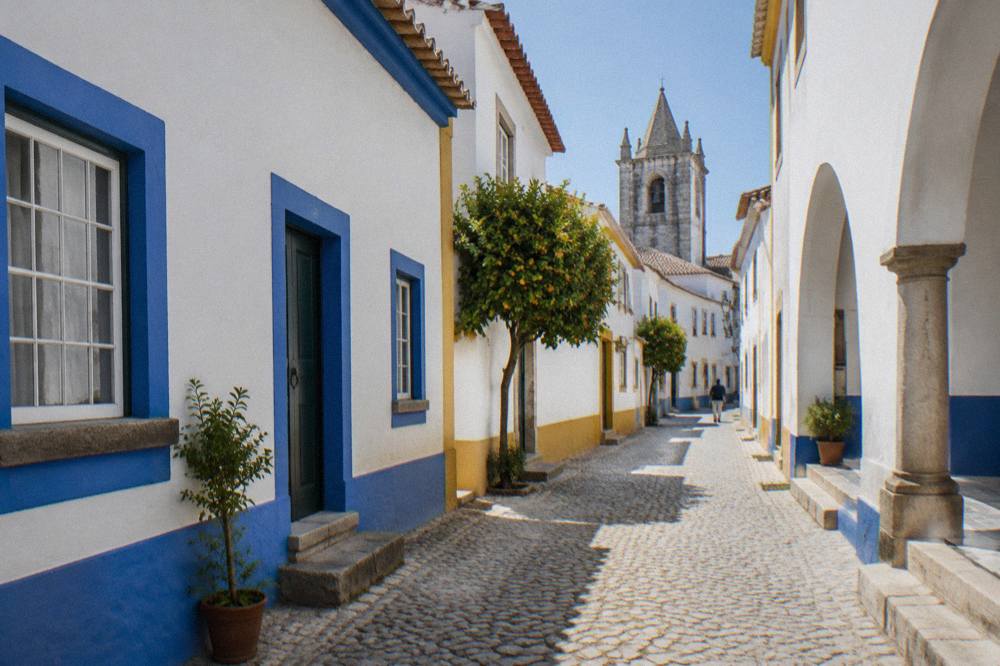
Summer heat in Évora is not a coastal heat, softened by an ocean breeze. It builds over the plain and it stays: August nights average a 16.0 C minimum, which is warm, and the mean maxima barely move between the two peak months. What makes it manageable is the dryness. July averages 2.7 mm of rain across the whole month and August 6.0 mm, so humidity stays low even when the thermometer is high. The practical consequence is simple: do the Templo Romano, the Praça do Giraldo and the open streets early, and give the middle of the day to the Sé's cloister, the Museu de Évora or a long Alentejo lunch indoors.
The trio above suits this season well. A sidecar tour moves between shaded streets faster than walking in full sun, and an evening-centred stroll keeps the golden-hour light, which is when the whitewashed walls look their best. The full range of guided options is covered in the Évora tours overview.
When Does It Rain In Évora?
Rain in Évora is heavily concentrated from October to December, which average 81.5 mm, 86.0 mm and 85.1 mm respectively, while the summer months are nearly dry, with July at 2.7 mm and August at 6.0 mm. The wettest month on the normals is November with 86.0 mm over 8.8 rain days, and the year totals 596.1 mm across 68.9 days with a millimetre or more, which is modest by Atlantic-coast standards.
The rain table matters more than the headline totals, because Alentejo rain tends to arrive in concentrated bursts rather than steady drizzle. November has 8.8 rain days and December 8.7, but those days deliver 86.0 mm and 85.1 mm, which points to heavier single events. By contrast, May's 6.0 rain days deliver only 46.6 mm. A wet-weather plan for Évora is therefore less about daily waterproofs and more about having two or three indoor anchors, the Museu de Évora among them, ready for the afternoon a front passes through.
| Month | Precipitation (mm) | Rain days (1 mm+) | Wettest or driest note (1991-2020) |
|---|---|---|---|
| Jan | 68.6 | 8.6 | Third wettest month |
| Feb | 52.3 | 7.0 | Mid-range |
| Mar | 60.8 | 7.5 | Mid-range |
| Apr | 62.1 | 8.0 | Mid-range |
| May | 46.6 | 6.0 | Driest of the wet half-year |
| Jun | 10.6 | 1.7 | Nearly dry |
| Jul | 2.7 | 0.6 | Driest month |
| Aug | 6.0 | 0.7 | Nearly dry |
| Sep | 33.9 | 3.6 | Transition month |
| Oct | 81.5 | 7.7 | Wet season begins |
| Nov | 86.0 | 8.8 | Wettest month |
| Dec | 85.1 | 8.7 | Second wettest month |
September is the swing month: 33.9 mm on average, still 13.9 days at 30 C or more, and mean maxima of 29.5 C. It reads as a summer month that has started to break. If a trip can only avoid one extreme, avoiding the November-to-December peak is easier than avoiding August heat, because the heat at least comes with long daylight and dry ground.
What Is The Best Month To Visit Évora For Good Weather?
May and late September are the standouts on the 1991-2020 normals: May averages an 18.0 C mean, a 25.0 C mean maximum and just 6.0 rain days, while September averages 22.1 C with a 29.5 C mean maximum and 3.6 rain days. April is cooler at 14.6 C with 8.0 rain days, and October is milder at 18.2 C but wetter at 7.7 rain days.
May is the month the numbers argue for hardest. The mean maximum of 25.0 C is warm enough for terraces and evening walks, the 10.9 C mean minimum is not yet cold at night, and only 0.7 days a month reach 35 C. October is its mirror in temperature, an 18.2 C mean with a 24.1 C mean maximum, but it carries 81.5 mm of rain, more than any month except November and December. The trade-off is direct: October buys cooler days with a real chance of a wet afternoon, May buys reliability.
For travellers matching the city to a wider Alentejo plan, the guide to the best time to visit Évora and the answer to which month is best to visit the Alentejo carry the same conclusion from the itinerary side. The Alentejo travel guide rounds out the regional picture, since the same climate governs Monsaraz, Estremoz and the cork forests around the city.
| Month | Mean max (C) | Mean min (C) | Rain days | Verdict for a visit |
|---|---|---|---|---|
| Apr | 20.7 | 8.5 | 8.0 | Pleasant, changeable |
| May | 25.0 | 10.9 | 6.0 | Best balance of the year |
| Jun | 30.2 | 13.8 | 1.7 | Hot, dry, long days |
| Sep | 29.5 | 14.6 | 3.6 | Late-summer warmth, first showers |
| Oct | 24.1 | 12.3 | 7.7 | Mild, wet season starting |
A guided walk is the most weather-flexible way to spend these months, and the Golden Era of Évora walking tour with a Portuguese wine tasting, from $23.92 per person and rated 4.4 from 33 reviews, moves between shaded streets and indoor stops on a 2.5 to 3 hour route. Check availability on the operator's live listing.
How Cold Are Évora Winters?
Winter in Évora is mild by day and genuinely cold at night: January averages a 14.1 C mean maximum but a 4.5 C mean minimum, and December and January are the only months with mean minima below 5 C. The station's absolute minimum on record is -4.2 C, set on 4 December 1998 and equalled on 23 January 2000, so hard frost is possible though not routine.
The inland position cuts both ways. The same continentality that pushes August to a 33.5 C mean maximum pulls January nights down to 4.5 C on average, and the record shows the plain can drop below minus four. Daytime, though, is a different story: a 14.1 C mean maximum in January and 14.6 C in December make for comfortable sightseeing hours, and rain days run at 8.6 to 8.7 a month, meaning most winter days are dry. The practical reading is layers: a warm coat for the evening, something lighter for midday. The wider set of guides lives on Évora Travel Guide.
December also brings the city's Christmas season, and the Feira de São João, held in 2026 from 23 June to 5 July at the Rossio de São Brás, shows the other face of the calendar, a high-summer fair under long dry evenings. Évora's role as a European Capital of Culture in 2027, with a preparatory 2026 programme built on the concept of "Vagar", means the winter and spring of the coming years carry cultural events alongside the climate.
How Many Hot Days And Cold Records Should You Plan Around?
The Évora station records 86.5 days a year at 30 C or more and 31.9 days at 35 C or more, with the 35 C days falling almost entirely between May and September: 0.7 in May, 5.6 in June, 11.5 in July, 10.9 in August and 3.1 in September. On the cold side, no month averages a mean minimum below 4.5 C, and the absolute record low is -4.2 C.
These two counts, days at 30 C and days at 35 C, are the most useful planning numbers in the whole dataset, more useful than the means. A July visitor is not facing one hot day but a pattern in which more than three weeks of the month pass 30 C and over a third of it passes 35 C. An April or October visitor faces essentially none. The distribution is also sharply seasonal, as the table shows, with nothing above 30 C on average from November through March.
| Month | Days max 30 C+ | Days max 35 C+ | Planning read |
|---|---|---|---|
| Jan | 0.0 | 0.0 | No heat risk |
| Feb | 0.0 | 0.0 | No heat risk |
| Mar | 0.0 | 0.0 | No heat risk |
| Apr | 0.3 | 0.0 | Negligible |
| May | 5.5 | 0.7 | Occasional hot day |
| Jun | 15.1 | 5.6 | Half the month hot |
| Jul | 23.7 | 11.5 | Heat is the default |
| Aug | 25.0 | 10.9 | Heat is the default |
| Sep | 13.9 | 3.1 | Heat easing |
| Oct | 2.9 | 0.1 | Rare |
| Nov | 0.0 | 0.0 | No heat risk |
| Dec | 0.0 | 0.0 | No heat risk |
The record extremes frame the outer limits. The 45.4 C of 4 August 2018 is the highest ever noted at the station, and the -4.2 C lows of December 1998 and January 2000 the lowest. Both are records, not expectations, but they explain why Alentejo houses are built the way they are: thick walls, small windows, whitewash, and streets angled for shade.
| Measure | Value | Period or date |
|---|---|---|
| Annual mean temperature | 16.6 C | 1991-2020 |
| Annual mean maximum | 23.1 C | 1991-2020 |
| Annual mean minimum | 10.1 C | 1991-2020 |
| Annual precipitation | 596.1 mm | 1991-2020 |
| Annual rain days (1 mm+) | 68.9 | 1991-2020 |
| Days at 30 C or more | 86.5 | 1991-2020 |
| Days at 35 C or more | 31.9 | 1991-2020 |
| Highest maximum on record | 45.4 C | 4 August 2018 |
| Lowest minimum on record | -4.2 C | 4 December 1998 and 23 January 2000 |
How Does Évora Weather Affect Day Trips And The Megaliths?
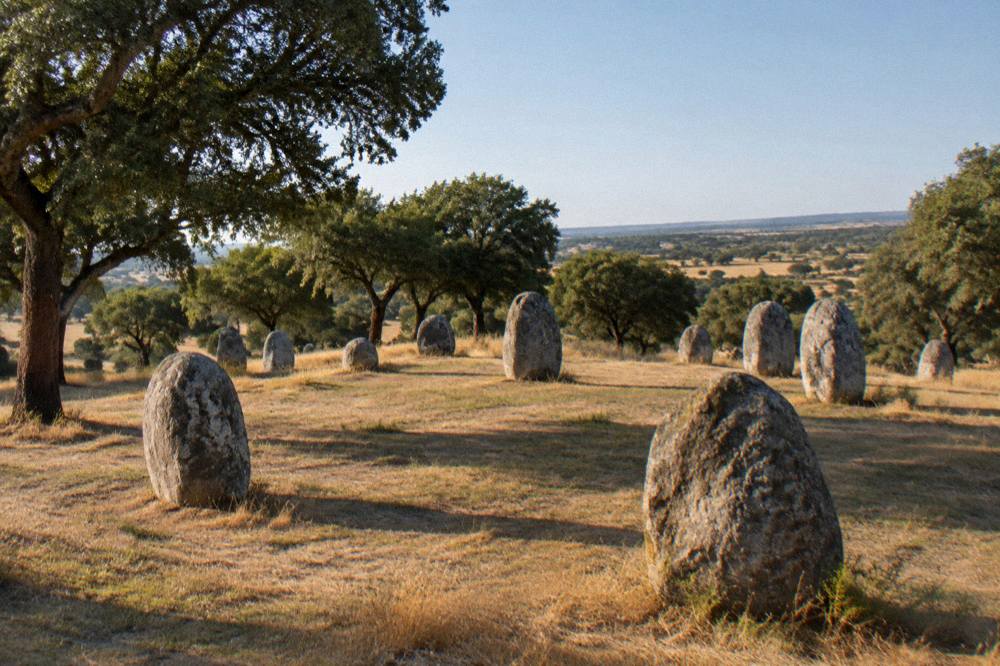
The sites around Évora, from the Cromeleque dos Almendres to Monsaraz about 40-45 km away and Estremoz about 45 km away, sit in the same climate as the city, so the month tables apply to them directly: summer visits need early starts because the megalithic sites are open ground with no shade. The Almendres Interpretation Centre in Guadalupe keeps summer hours of 10:00-18:00 from 1 May to 31 October and winter hours of 10:00-17:00.
The cromlech is the clearest case. The stones stand on an exposed hillside, reached by a turn-off about 8 km along the national road toward Lisbon, and a July or August afternoon there means 33 C or more with no cover. The same visit at 9:00 or 10:00 is a different experience entirely. Guided megaliths tours, including archaeologist-led half-day options, generally schedule around this reality, and the megalithic sites near Évora coverage of guided options shows the range. For the wider region, the Alentejo travel guide and the best day trips from Lisbon pages apply the same seasonal logic to Lisbon-based itineraries.
Rain matters differently out here than in the city. November's 86.0 mm can turn unpaved approaches muddy, and a wet day at an open-air site is a shorter day. The counterweight is that autumn and spring light across the plain, with mean maxima of 17.6 C to 24.1 C between October and March's end, is often the best for photography of both the stones and the hilltop towns.
A sidecar tour is one of the few formats that works across almost the whole weather range, since the vehicle moves steadily and the route keeps to the historic centre's shaded lanes. The Medieval Tour of Évora on a sidecar with wine tasting runs 3 hours from $61.90 per person and carries a 4.9 rating from 16 reviews.
What Should You Pack For Évora Weather?
Pack for the season the tables describe: from June to August that means serious sun protection and light clothing for mean maxima of 30.2 C to 33.5 C with essentially no rain, while from November to March it means a warm layer for mean minima of 4.5 C to 7.9 C and a waterproof for the wettest months. Shoulder seasons, May and September to October, call for both, with daytime warmth around 24.1 C to 29.5 C and cool evenings.
The one mistake the numbers warn against is packing Évora like a coastal Portuguese city. The Atlantic towns an hour and a half west have a maritime climate; this plain does not. Summer days here are hotter than the coast and the nights are warmer too, and winter nights are colder than almost anywhere on the Portuguese seaboard. Comfortable walking shoes matter in every month, because the historic centre's streets are cobbled and the distances between the Sé, the Praça do Giraldo and the Capela dos Ossos are walked, not driven.
For arrival logistics, the Lisbon to Évora by train page covers the six through Intercidades trains a day, and the things to do in Évora page gives the full sight list to match against the season. The Évora Travel Guide editorial desk suggests one simple rule drawn from the normals: whatever the month, plan the outdoor sights for the morning, because the mean maxima arrive in the afternoon and the rain, when it comes, tends to as well.
A small-group cultural walking tour that includes the Capela dos Ossos, from $77.66 per person and rated 4.9 from 141 reviews over 2 hours, is a good anchor for a shoulder-season day, since it pairs open streets with an indoor chapel stop.
Common Questions About Évora Weather
Is Évora hot in summer?
Yes. The IPMA 1991-2020 normals give July a 33.3 C mean maximum and August 33.5 C, with 25.0 days at 30 C or more in August and the record high of 45.4 C set on 4 August 2018. The heat is dry rather than humid, with only 6.0 mm of rain on average in August.
Does it rain a lot in Évora?
Not by Portuguese standards. The year averages 596.1 mm over 68.9 rain days, concentrated between October and December, when each month receives 81.5 mm to 86.0 mm. July averages just 2.7 mm and is the driest month.
What is the coldest month in Évora?
January, with a 9.3 C mean, a 14.1 C mean maximum and a 4.5 C mean minimum. The absolute record low at the Évora station is -4.2 C, recorded on 4 December 1998 and 23 January 2000.
When is the best weather in Évora?
May averages 25.0 C by day, 10.9 C by night and only 6.0 rain days, making it the best balance on the 1991-2020 normals. Late September is close behind, at a 29.5 C mean maximum with 3.6 rain days.
Is Évora weather different from the Portuguese coast?
Yes, because Évora is inland on the Alentejo plain with no sea influence. That produces hotter summers, colder winter nights and a drier year than the Atlantic coast, with 31.9 days a year at 35 C or more at the Évora station.
Does it ever freeze in Évora?
Occasionally. December and January mean minima are 5.3 C and 4.5 C, and the station record shows lows of -4.2 C, so hard frost is possible in a cold snap, though daytime maxima still average above 14 C in both months.
The climate record for Évora is, in the end, a simple story told with precise numbers: a hot dry core from June to August, a mild wet shoulder from October to December, and two months, May and September, where the plain is at its most generous. Choose the month that matches what you want from the Alentejo, and the city inside the walls will do the rest.