Bone Chapels In Portugal: The Évora Chapel Of Bones And How To Visit It
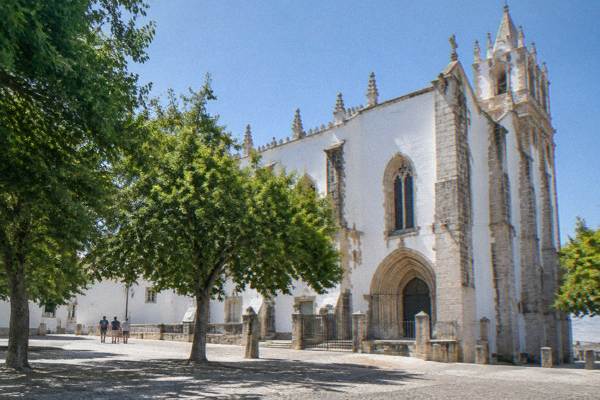
Portugal's best known bone chapel stands in Évora, inside the Igreja de São Francisco. This guide covers the single museum ticket, the hours, what the walls actually look like, and how to fit the visit into a day in the Alentejo.
Short answer
The Capela dos Ossos in Évora is Portugal's most famous bone chapel. One 7.00 EUR adult museum ticket covers it and the other museum areas of the Igreja de São Francisco, which is open daily in summer from 9:00 to 18:30 and in winter from 9:00 to 17:00.
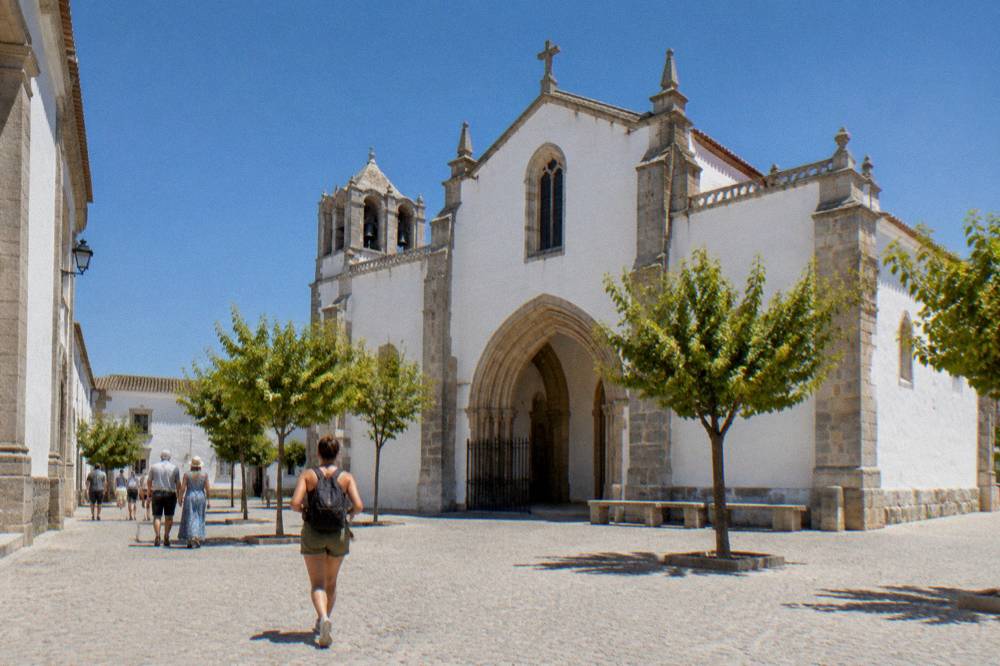
Évora, the capital of the Alentejo region of Portugal, holds the country's most famous bone chapel: the Capela dos Ossos, built onto the Igreja de São Francisco a short walk from Praça do Giraldo. The chapel's interior walls and pillars are lined with human bones, arranged in patterns, and that single fact has made it one of the most visited monuments in a city whose entire historic centre has been UNESCO-listed since 1986.
What Is A Bone Chapel And Why Does Portugal Have Them?
A bone chapel is a religious space whose walls or ceilings are deliberately decorated with human bones, and in Portugal the tradition belongs to a wider European practice of moving remains from crowded ground into ossuaries and then using those remains as a visible reminder of mortality. Évora's Capela dos Ossos is the most famous Portuguese example and the one most visitors mean when they search for a bone chapel in Portugal.
The idea behind an ossuary chapel was not spectacle. When parish cemeteries filled up, remains were exhumed and stored, and in some places the friars who tended them chose to arrange the bones on the walls rather than stack them out of sight. The result was meant as a memento mori: a space that told the living, plainly, that time is short. Visitors to Évora today encounter that intent directly, because the chapel is a small room you walk through rather than a museum hall you observe from a distance.
Portugal keeps several spaces of this kind, but the Évora chapel is the one with an established visitor operation, published hours and a published ticket, and it sits inside a working church that also holds a museum collection. That combination is why so many itineraries built around things to do in Évora put the chapel near the top. It is compact, central and unlike anything else on the standard Portuguese circuit of cathedrals and tile-fronted churches.
Where Is The Capela Dos Ossos And How Do You Get In?
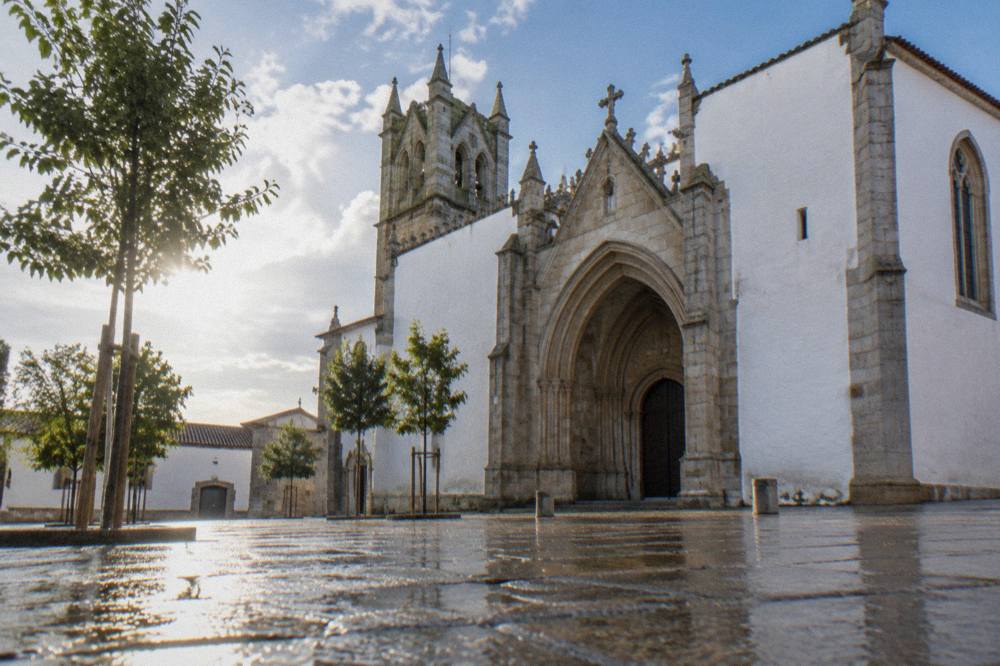
The Capela dos Ossos is attached to the Igreja de São Francisco, on the edge of Évora's historic centre a few minutes' walk from Praça do Giraldo, and entry works through a single museum ticket rather than a separate chapel-only ticket: 7.00 EUR for an adult, 5.00 EUR for youth up to 25 and seniors over 65, and 15.00 EUR for a family of two adults plus youths.
The church itself is free to enter, and it remains a functioning parish church with masses Monday to Saturday at 11:30 and on Sundays at 9:00 and 12:00. The ticket buys the museum areas, and the chapel is one of them. The Igreja de São Francisco's own page lists what that one ticket covers: the Capela dos Ossos, the Sala do Capítulo, the Presépio, the Arte Sacra nucleus, the Sala da Tribuna Real, the Terraço da Galilé and the Canha da Silva nativity collection. There is no smaller chapel-only option on the church's page, so plan on the full set of rooms.
One detail worth knowing before you queue: the church states that it is a private religious entity and does not apply State Museum discounts. If you hold a museum pass or a discount card from another Portuguese monument, do not assume it works here; the church's own notice is the authority, and the ticket desk applies its rules. The table below consolidates the published figures.
| Ticket | Price | What It Covers |
|---|---|---|
| Adult museum ticket | 7.00 EUR | Capela dos Ossos, Sala do Capítulo, Presépio, Arte Sacra nucleus, Sala da Tribuna Real, Terraço da Galilé, Canha da Silva nativity collection |
| Youth up to 25 | 5.00 EUR | Same museum areas |
| Senior over 65 | 5.00 EUR | Same museum areas |
| Family (2 adults plus youths) | 15.00 EUR | Same museum areas |
| Church entry | Free | The Igreja de São Francisco itself, outside service times |
Hours follow the legal-time change rather than a fixed calendar. In summer legal time the museum areas are open 9:00 to 18:30; in winter legal time, 9:00 to 17:00. The church closes on 1 January, Easter Sunday, the afternoon of 24 December and 25 December, and is otherwise open every day, which makes it one of the few major monuments in Évora that does not close on Mondays. The Museu de Évora, by contrast, closes Mondays, so a Monday visitor can use the chapel as the anchor of the day and save the museum for another time.
| Period | Hours | Closed Days |
|---|---|---|
| Summer legal time | 9:00 to 18:30 daily | 1 January, Easter Sunday, 24 December afternoon, 25 December |
| Winter legal time | 9:00 to 17:00 daily | Same closed days |
| Masses | Mon-Sat 11:30, Sun 9:00 and 12:00 | Church schedule, separate from museum areas |
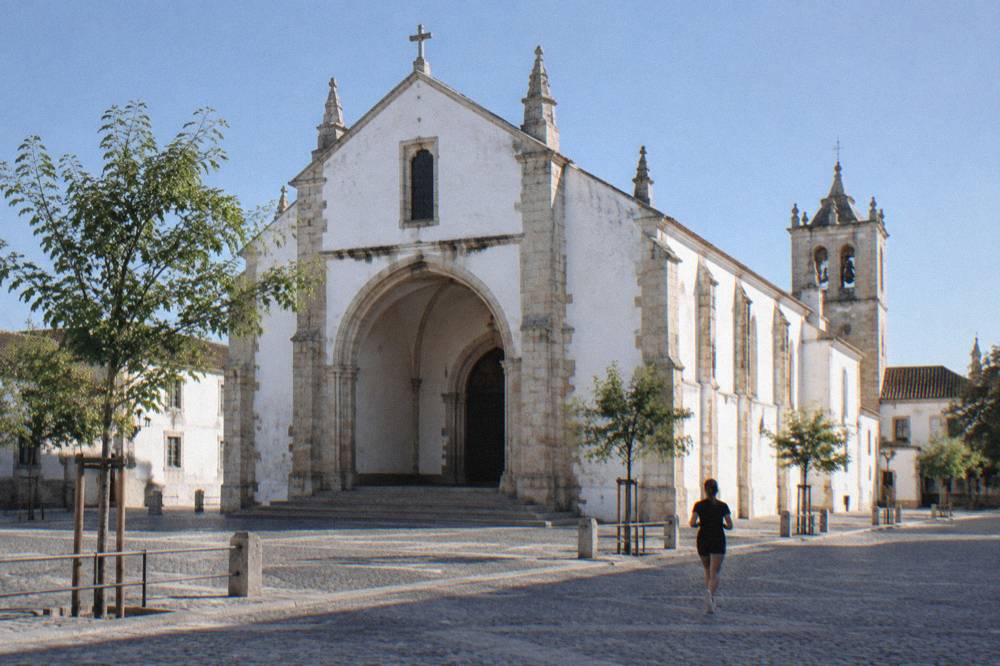
If you want the chapel explained rather than just seen, a guided walk is the efficient route, and there are several that include it. The tours below are the strongest fits for a visit built around the chapel.
What Do You Actually See Inside The Évora Bone Chapel?
You see a small, low-vaulted chapel whose walls and pillars are faced with human bones set into patterns, with further bones stacked above and around the openings, and the effect is dense and architectural rather than gory: the bones read as a wall covering, and the room is dim, quiet and much smaller than most visitors expect from photographs.
The chapel is a single space, and you walk through it rather than around it. Because the walls are the exhibit, there is no barrier glass and no roped-off corridor in the way a museum might arrange things; the bones are the masonry's facing. The room's scale surprises people who arrive expecting a cathedral-sized space. Allow a short visit for the chapel itself and a longer one for the surrounding museum areas, which include the chapter room, the sacred art nucleus and the terrace.
What the chapel is not: it is not a crypt full of open coffins, and it is not a horror attraction. The Igreja de São Francisco presents it as part of a religious complex, and the tone of the space follows that. Visitors with children generally find it less disturbing than expected, though it is a genuine room of human remains and some families prefer to prepare younger children beforehand. Questions about the chapel's fame and its meaning are covered in depth on the site's dedicated pages, including why the Chapel of Bones is famous and the story behind the Chapel of Bones in Portugal.
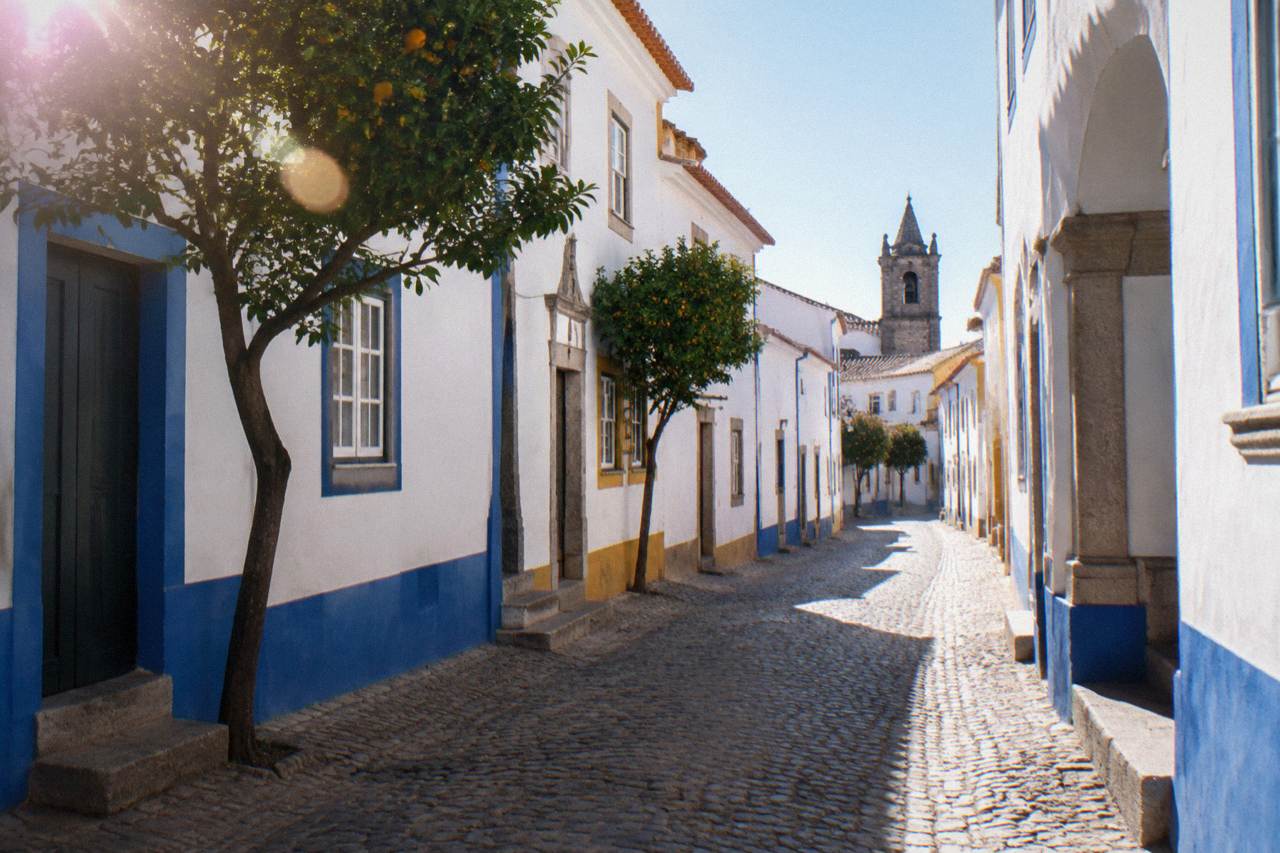
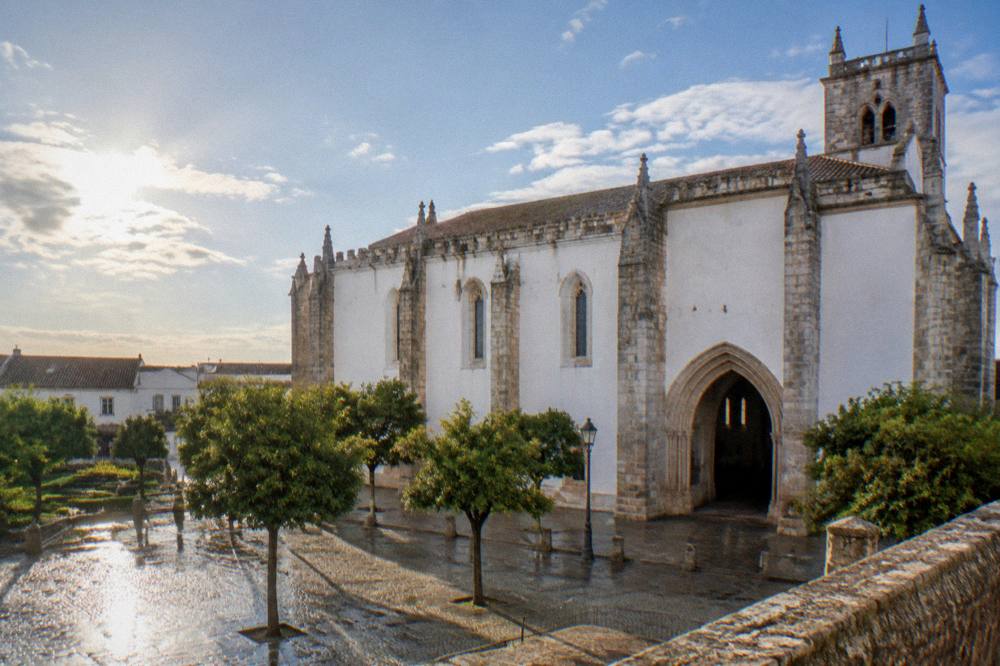
The chapel also sits in a part of Évora that rewards walking. The Igreja de São Francisco faces a small square off the main axis of the old city, and the route from Praça do Giraldo to the church passes the Templo Romano, the Sé and the Museu de Évora. A full description of the chapel as an attraction, with its context inside the church, is on the site's Chapel of Bones page.
Is The Chapel Of Bones Worth Visiting, And Is It Suitable For Everyone?
For most visitors to the Alentejo, yes: the Capela dos Ossos is a fifteen-minute experience that is genuinely unlike anything else in Portugal, it is centrally placed, cheap by monument standards and open daily, and the honest caveats are that the chapel itself is small, it can be crowded in the middle of the day in high season, and anyone troubled by the sight of human remains should think it through before buying a ticket.
The case for going is straightforward. Évora's historic centre is a UNESCO site inscribed in 1986, and the chapel is one of the monuments that gives the city its identity; skipping it means missing the single thing most people who come here remember. The 7.00 EUR ticket also buys more than the chapel, including the terrace and the nativity collection, so the price per sight is reasonable. The case against is equally honest: if you have one hour in Évora and no interest in religious art, the chapel plus the Templo Romano seen from the street will cover the essentials.
Crowding follows the day-trip rhythm. Lisbon is about 130 km away, and the morning trains bring a wave of visitors who reach the chapel around late morning. Arriving early, or after the middle of the afternoon, gives you the quietest version of the room. The deeper questions visitors ask, including whether the Chapel of Bones is worth visiting, whether the bone church is worth visiting and whether the Chapel of Bones is free, are answered in detail on the site's answers pages.
If the chapel is the reason you are coming to Évora at all, letting a guide handle the monument tickets saves the one friction the visit has.
Are The Bones Real, And Who Do They Belong To?
The bones lining the walls of the Capela dos Ossos are real human remains, and the chapel is an ossuary: the bones were moved from Évora's churchyards and arranged on the walls, which is the standard origin of bone chapels in Portugal and elsewhere in Europe. The Igreja de São Francisco's own pages describe the chapel as a space lined with human bones and do not publish a count of the remains or a breakdown of who they were.
That last point matters, because the internet is full of confident numbers about this chapel. The church publishes no figure for the number of bones, skeletons or bodies represented, and no date of construction or list of the friars involved, and a page that prints a number is guessing. What can be said is structural: the chapel belongs to the Igreja de São Francisco complex, its walls are faced with human bones, and its purpose in the ossuary tradition was didactic, a reminder of mortality addressed to the living. The rest of the planning pages sit on Évora Travel Guide.
For readers who want the fuller treatment, the site carries dedicated answers on whether the Chapel of Bones is made of real bones, whose bones are in the Chapel of Bones, how many bodies are in the bone church and what religion the bone church is. The short version of all four: real bones, from Évora's buried dead, in a Catholic church, with no reliable published count.
How Do You Visit The Bone Chapel From Lisbon?
Évora is about 130 km from Lisbon by road, and CP's Intercidades service runs six through trains a day from Lisboa Oriente to Évora taking about 1 hour 40 to 1 hour 45, with a second-class fare of 13.90 EUR and first class at 18.50 EUR, so a bone-chapel day trip from the capital is entirely practical with an early start.
The timetable, valid since 6 September 2026, lists Lisboa Oriente departures at 07:02, 09:02, 09:58, 13:35, 17:02 and 19:02, arriving in Évora at 08:47, 10:45, 11:40, 15:13, 18:41 and 20:46. The 07:02 is the day-tripper's train: it puts you in Évora before nine, ahead of the chapel crowds, and the 17:02 or 19:02 returns give you a full day. Check the CP timetable for the day you travel, because the PDF carries weekday remarks on individual services.
| Lisboa Oriente Departure | Évora Arrival | Fare (2nd / 1st Class) |
|---|---|---|
| 07:02 | 08:47 | 13.90 / 18.50 EUR |
| 09:02 | 10:45 | 13.90 / 18.50 EUR |
| 09:58 | 11:40 | 13.90 / 18.50 EUR |
| 13:35 | 15:13 | 13.90 / 18.50 EUR |
| 17:02 | 18:41 | 13.90 / 18.50 EUR |
| 19:02 | 20:46 | 13.90 / 18.50 EUR |
Once in Évora, everything in this article is walkable. The station sits a short distance outside the walled centre, and the route to the Igreja de São Francisco passes through the old town. If you are driving instead, the site's Évora parking guide covers where to leave the car, and the wider Lisbon to Évora guide, the train guide and the bus guide cover the other options. For the return leg, see Évora to Lisbon.
When Is The Best Time To Visit The Évora Bone Chapel?
The best combination of comfortable weather and manageable crowds in Évora is spring and autumn, because IPMA's 1991-2020 normals for the Évora station show July and August averaging 33.3 and 33.5 C as mean daily maxima with 11.5 and 10.9 days a year at 35 C or more respectively, while April, May, September and October stay in the 20 to 29 C band for mean maximum temperature.
Évora is inland, on the Alentejo plain, roughly 90 km from the Atlantic, so there is no sea breeze to soften the summer. The same normals put October's mean maximum at 24.1 C with 7.7 days of 1 mm or more of rain, and April's at 20.7 C with 8.0 such days, which is why the shoulder months are the standard recommendation. Winter is quiet and mild by northern European standards, with a January mean maximum of 14.1 C, though the mean minimum drops to 4.5 C, so evenings are cold.
| Month | Mean Max (C) | Mean Min (C) | Rain (mm) | Days 1 mm+ Rain | Days Max 35 C+ |
|---|---|---|---|---|---|
| January | 14.1 | 4.5 | 68.6 | 8.6 | 0.0 |
| April | 20.7 | 8.5 | 62.1 | 8.0 | 0.0 |
| May | 25.0 | 10.9 | 46.6 | 6.0 | 0.7 |
| July | 33.3 | 15.6 | 2.7 | 0.6 | 11.5 |
| August | 33.5 | 16.0 | 6.0 | 0.7 | 10.9 |
| October | 24.1 | 12.3 | 81.5 | 7.7 | 0.1 |
All figures above are the 1991-2020 averages for the Évora station. The record maximum for the station is 45.4 C, set on 4 August 2018, which tells you what the Alentejo summer can do at its worst. If you do travel in July or August, do the chapel in the first hour of opening, at 9:00, and keep the afternoon for shade. The site's best time to visit Évora and Évora weather pages carry the full monthly picture.
Which Tours Include The Chapel Of Bones?
The tours that include the Capela dos Ossos are the Évora walking tours that pair the chapel with the Sé and the historic centre, and the strongest single option is the private walking tour with cathedral and Chapel of Bones, from $111.42 per person, rated 5 from 106 reviews on its listing, running about 2.5 hours with monument tickets handled by the guide.
A private walk suits first-time visitors who want the chapel explained in context: why the ossuary tradition existed, how the Igreja de São Francisco fits into the city, and what the Sé's own complete-visit ticket, at 5.00 EUR, adds to the day. The guide leads a small group through the old town and into the monuments, which removes the ticket-desk decisions from your morning. Prices and ratings here come from each tour's live listing, so check the current figures before booking.
The small-group cultural walking tour, from $77.66 per person and rated 4.9 from 141 reviews, covers the same ground at a lower price with more people, and it is the better fit if you enjoy a shared group. The skip-line option with wine tasting, from $91.39 per person and rated 5 from 48 reviews, adds a tasting to the monument visits and suits a longer, slower afternoon. For a different angle on the same city, the sidecar tour, from $61.90 per person and rated 4.9 from 16 reviews, takes in the medieval street plan from an open sidecar with a wine tasting included, and the budget-friendly flexible historic-centre walk, from $13.51 per person and rated 4.8 from 105 reviews, is the cheapest structured way to get oriented before you head to the chapel on your own.
How Much Does A Bone Chapel Day In Évora Cost?
A one-day Évora visit built around the bone chapel costs roughly 20 EUR per adult in monument tickets: the 7.00 EUR Igreja de São Francisco museum ticket, the 5.00 EUR Sé complete-visit ticket and the 8.00 EUR one-day Évora Ticket for the Cidade-Museu network, though note that the Évora Ticket does not include the Sé, the Capela dos Ossos or the Museu de Évora.
That last exclusion is the budget trap. The Évora Ticket, at 8 EUR for one day, 10 EUR for two days and 12 EUR for three days, free to age 12, covers the Cidade-Museu network's own sites, and the three headline monuments in this article sit outside it. Budget them separately. The Museu de Évora charges 8 EUR for an adult, with 50% off for youth 13 to 24, seniors over 65 and families, and free entry to age 12; it closes Mondays.
| Item | Adult Price | Notes |
|---|---|---|
| Igreja de São Francisco museum ticket | 7.00 EUR | Includes Capela dos Ossos and all museum areas; youth to 25 and seniors over 65 pay 5.00 EUR |
| Sé de Évora complete visit | 5.00 EUR | Cathedral, cloister, roof terrace and museum; children to 12 free |
| Museu de Évora | 8.00 EUR | 50% off youth 13-24, seniors over 65, family; closed Mondays |
| Évora Ticket, one day | 8.00 EUR | Cidade-Museu network; does not include the Sé, the Capela dos Ossos or the Museu de Évora |
| Évora Ticket, two days | 10.00 EUR | Same network, longer validity |
| Évora Ticket, three days | 12.00 EUR | Same network, longest validity |
Add the train from Lisbon at 13.90 EUR each way in second class, and a full day built around the chapel, the cathedral and a museum remains a modest spend per person before food. A municipal tourist tax applies to overnight stays in the city; check the amount with your hotel when booking, since it is collected locally. The site's Évora cost and budget guide has the fuller breakdown, and where to stay in Évora covers the neighbourhoods.
For visitors who prefer to bundle the day rather than piece it together, these are the guided options that pair the chapel with the rest of the old town.
What Else Should You See Around The Chapel In Évora?
The Igreja de São Francisco sits inside a walkable cluster of Évora's main monuments: the Templo Romano, a Roman temple probably dedicated to the imperial cult according to the municipal page and measuring 25 x 15 m, the Sé de Évora with its roof terrace, the Museu de Évora in the former Archbishop's Palace, and Praça do Giraldo, the city's main square, are all within a few minutes on foot.
The Templo Romano is the open-air landmark. The municipal page records that it was probably dedicated to the imperial cult rather than to the goddess Diana, a name applied only since the 17th century, that it once served as the municipal butcher's shop, and that its walls were freed in 1870. It needs no ticket and no more than a pause, but it anchors the Roman layer of a city that also holds baths and stretches of wall.
The Sé rewards the full 5.00 EUR ticket. The complete visit covers the cathedral, the cloister, the roof terrace and the museum, and the terrace gives the widest view over the terracotta roofs to the plain beyond. Hours are 9:00 to 17:00, closed on the afternoon of 24 December, 25 December and 1 January. From there, the Museu de Évora's collections fill the former Archbishop's Palace, and the Convento dos Lóios, a short walk away, currently lists its ticket as temporarily unavailable, so check at the door rather than planning around a price. The site's Évora museums and monuments coverage ties the full day together.
Common Questions About Bone Chapels In Portugal
Is the Chapel of Bones in Évora free to visit?
The church of the Igreja de São Francisco is free to enter, but the Capela dos Ossos is one of the paid museum areas, covered by a single ticket at 7.00 EUR for an adult, 5.00 EUR for youth up to 25 and seniors over 65, and 15.00 EUR for a family of two adults plus youths. There is no separate free way in on the church's own pages.
How much time do you need at the Capela dos Ossos?
The chapel itself is a small room that most visitors walk through in ten to fifteen minutes. The full 7.00 EUR ticket covers several more museum areas, including the chapter room, the sacred art nucleus and the terrace, so plan on 45 minutes to an hour for everything, longer if you read the collections in detail.
Are the bones in the Évora chapel real?
Yes. The walls of the chapel are lined with real human bones, moved from Évora's churchyards in the ossuary tradition. The Igreja de São Francisco publishes no count of the bones, skeletons or bodies represented, so treat any number you see elsewhere as unconfirmed.
Is the Chapel of Bones suitable for children?
Many families visit without problems, and the space is smaller and quieter than photographs suggest, but it is a room lined with human remains. Parents of younger children generally do better preparing them in advance. There is no age restriction on the ticket, and youths up to 25 pay the reduced 5.00 EUR rate.
Can you visit the Chapel of Bones on a day trip from Lisbon?
Yes. CP's Intercidades service runs six through trains a day from Lisboa Oriente to Évora, taking about 1 hour 40 to 1 hour 45, with a second-class fare of 13.90 EUR. The 07:02 departure arrives at 08:47, ahead of the midday crowds at the chapel.
Are there other bone chapels in Portugal?
Ossuary chapels exist elsewhere in Portugal and across Europe, but the Capela dos Ossos in Évora is the country's best known and the only one with a fully published visitor setup described on this page. For other towns' comparable spaces, check each site's own notice for hours and tickets before travelling.
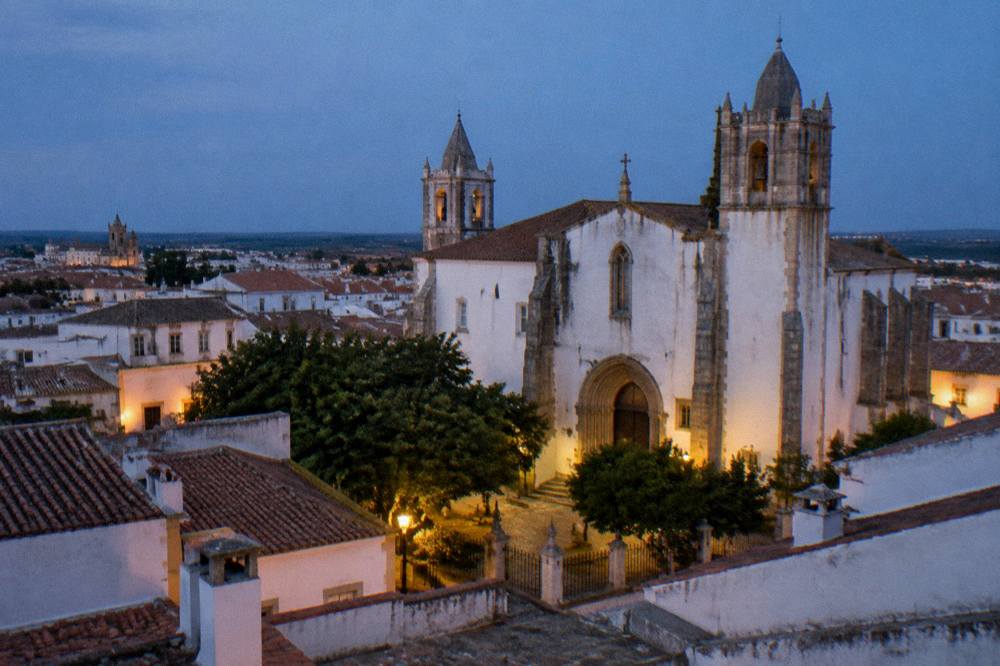
The bone chapel tradition in Portugal reaches its most visited expression in Évora, and the practical side of seeing it is simple: one 7.00 EUR museum ticket, daily opening except a handful of feast days, and a city small enough to walk from station to chapel to cathedral in a morning. Plan the visit for the first hour of opening in summer, pair it with the Sé's roof terrace and the Templo Romano, and the Capela dos Ossos becomes the memorable centre of a day in the Alentejo rather than a queue to endure.