Is The Chapel Of Bones Made Of Real Bones?
Yes, the walls of Évora's Capela dos Ossos are lined with real human bones. What the chapel is, what the 7.00 EUR ticket covers, opening hours, and how to visit.
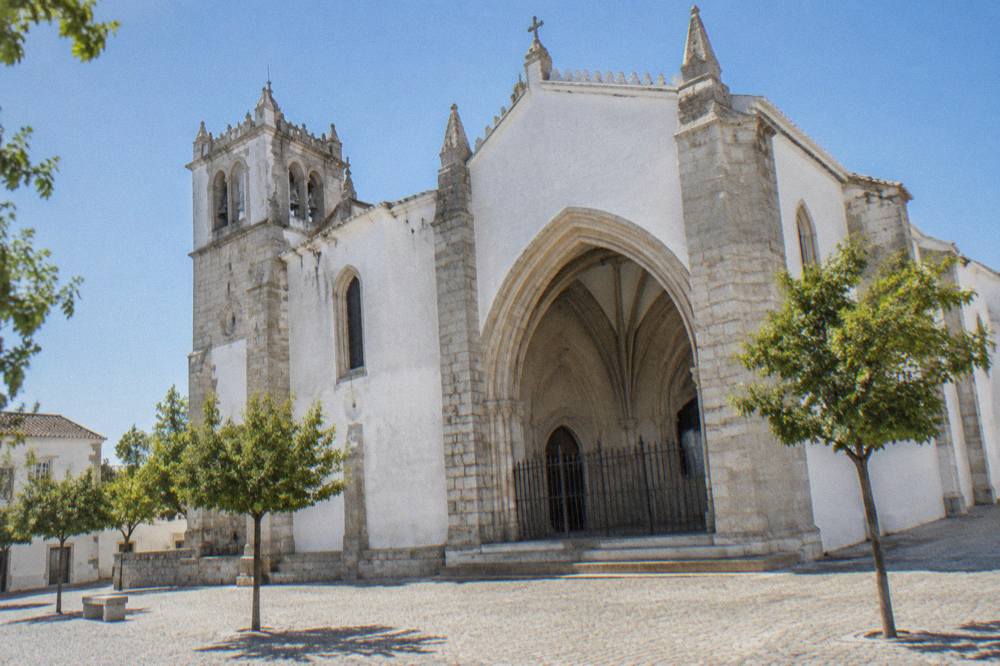
The Capela dos Ossos inside the Igreja de São Francisco in Évora, Portugal, is one of the most photographed rooms in the Alentejo, and the question every visitor asks before walking in is simple: is any of it real? The short answer is yes. The walls and pillars of the chapel are lined with human bones, arranged in patterns, and the name Capela dos Ossos translates plainly as Chapel of Bones. What follows is a plain account of what the chapel is, what the single museum ticket covers, when the doors are open, and how a guided visit can fit the chapel into a wider look at the historic centre, which UNESCO inscribed on its World Heritage list in 1986 under criteria (ii) and (iv).
What Is The Capela Dos Ossos In Évora?
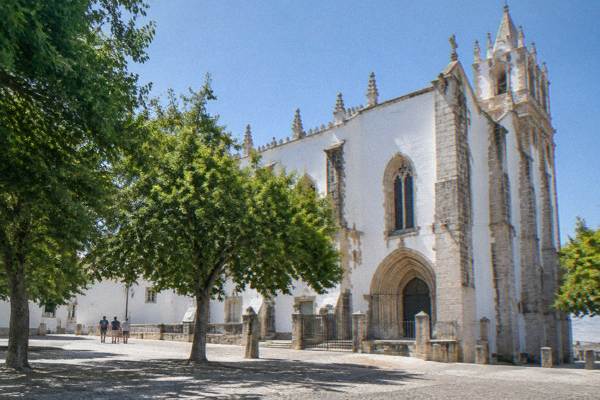
The Capela dos Ossos is a small chapel inside the Igreja de São Francisco in Évora whose walls and pillars are lined with human bones, giving the room its name, which means Chapel of Bones in Portuguese. It forms part of a set of museum areas inside the church complex, visited on one single ticket, and it sits a short walk from the Praça do Giraldo in the UNESCO-listed historic centre.
The chapel belongs to the Igreja de São Francisco, a church that is itself free to enter for worship and general visits. The Capela dos Ossos is different: it is one of several museum areas inside the complex, and it is those museum areas that the paid ticket covers. The church's own page lists what that single ticket includes: the Capela dos Ossos itself, the Sala do Capítulo, the Presépio, the Arte Sacra nucleus, the Sala da Tribuna Real, the Terraço da Galilé and the Canha da Silva nativity collection. In other words, the bone-lined room is the headline act of a wider museum visit, not a standalone attraction with its own separate queue.
The room is small, and the effect of the bone-lined walls is the whole point of it. The bones cover the walls and pillars in deliberate patterns, and the space has drawn visitors to Évora for generations. The church notes on its own page that it is a private religious entity and does not apply State Museum discounts, which matters if you are used to carrying a museum pass or expecting a reciprocal scheme. For the fuller story of the site, the Chapel of Bones attraction page covers the complex in detail, and the Igreja de São Francisco guide explains the church that surrounds it.
Is The Chapel Of Bones Made Of Real Bones?
Yes, the Chapel of Bones in Évora is made of real human bones. The walls and pillars of the chapel are lined with them, arranged in patterns, and nothing about the display is a plaster or resin imitation. The chapel's own name states this plainly, and the room is exactly what it says: a chapel whose interior surfaces are covered in human bone, inside the Igreja de São Francisco.
That is the honest, unsensational version of the answer. The bones are human, they are real, and they are the reason the room carries its name. What this page will not do is attach a number to them: no count of skeletons, bodies or individual bones appears on the church's own page, and repeating a figure that circulates elsewhere would mean printing a number that the primary source does not carry. The walls are lined, densely and visibly, and any visitor who walks in can see the scale of it for themselves.
The question of whose bones they are has its own answer, and the whose bones are in the Chapel of Bones page handles it directly. The related question, whether the chapel is famous for this alone or for something more, is covered in why the Chapel of Bones is famous. Évora is not the only Portuguese city with a bone chapel either: the bone chapels in Portugal guide places the Évora example alongside the others, including the larger one at Faro.
A guided walk is the most efficient way to see the chapel with context rather than just shock, and the private options below all include or arrange the monument visit.
How Much Does It Cost To See The Chapel Of Bones In Évora?
One single ticket covers the Capela dos Ossos and every other museum area of the Igreja de São Francisco: 7.00 EUR for an adult, 5.00 EUR for youth up to 25 and for seniors over 65, and 15.00 EUR for a family of two adults plus youths. The church itself is free to enter, and the ticket is only for the museum areas, which include the chapel.
There is no separate cheaper ticket for the chapel alone, and no bone-chapel-only option: the church sells one ticket for the full museum set. The prices below are the official figures in euros, as published by the church.
| Ticket | Price | Who it covers |
|---|---|---|
| Adult | 7.00 EUR | One visitor, all museum areas |
| Youth | 5.00 EUR | Visitors up to 25 |
| Senior | 5.00 EUR | Visitors over 65 |
| Family | 15.00 EUR | Two adults plus youths |
One point worth knowing before you queue: the church states it is a private religious entity and does not apply State Museum discounts. If you hold a Portuguese museum pass or expect a national-scheme reduction, ask at the ticket window rather than assuming. And if you are weighing the visit against everything else in the city, the is the Chapel of Bones worth visiting page gives a direct verdict, while the broader question of how much time you need in Évora helps you budget the hours.
When Is The Chapel Of Bones In Évora Open?
The Chapel of Bones follows the Igreja de São Francisco's museum hours: 9:00 to 18:30 in summer legal time and 9:00 to 17:00 in winter legal time, open every day of the week except 1 January, Easter Sunday, the afternoon of 24 December and 25 December. Masses are held at 11:30 Monday to Saturday and at 9:00 and 12:00 on Sundays.
Those closure days are the only ones the church publishes, so a normal week has the chapel available every single day. The summer and winter split follows Portugal's clock changes, which means the longer evening hours apply roughly from late March to late October, the stretch that covers most tourist visits. The church remains an active place of worship, which is why the mass times sit alongside the museum hours; the church itself is free to enter, and the paid areas, including the chapel, are what the ticket covers. Everything else covered here is indexed on Évora Travel Guide.
| Period | Hours | Closed |
|---|---|---|
| Summer legal time | 9:00-18:30 daily | 1 Jan, Easter Sunday, 24 Dec afternoon, 25 Dec |
| Winter legal time | 9:00-17:00 daily | 1 Jan, Easter Sunday, 24 Dec afternoon, 25 Dec |
Planning around the closure list matters most at Easter and Christmas, the two moments when a day trip can collide with a shut door. For the wider rhythm of the city, the best time to visit Évora guide covers the seasons, and IPMA's 1991 to 2020 normals for the Évora station show July and August mean maximums of 33.3 C and 33.5 C, with 31.9 days a year reaching 35 C or more: a hot afternoon in the bone chapel's cool interior is one of the more practical ways to escape the Alentejo summer.
How Does A Guided Tour Of The Chapel Of Bones Work?
A guided tour pairs the Capela dos Ossos with the rest of Évora's monuments in one visit, with a guide handling the narrative and, on the private options, the monument tickets. The private walking tour with cathedral and Chapel of Bones runs about two and a half hours, is rated 5 from 256 reviews, and starts from $113.53 per person, covering the Sé de Évora as well as the bone chapel.
The private walk is the natural fit for this question, because the chapel makes most sense when a guide can place it against the city around it: the Sé, the Roman temple, the medieval lanes of the UNESCO centre. For travellers who want the same monuments with a lighter price, the Golden Era of Évora walking tour with a Portuguese wine tasting starts from $23.92 per person, rated 4.4 from 33 reviews over two and a half to three hours, and for something completely different the Medieval Tour of Évora on a sidecar with wine tasting starts from $61.90 per person, rated 4.9 from 16 reviews over three hours.
| Guided option | From (per person) | Rating | Length |
|---|---|---|---|
| Private walk, cathedral and Chapel of Bones | $113.53 | 5 from 256 reviews | About 2.5 hours |
| Golden Era walk with wine tasting | $23.92 | 4.4 from 33 reviews | 2.5-3 hours |
| Medieval sidecar tour with wine tasting | $61.90 | 4.9 from 16 reviews | 3 hours |
The private walking tour with cathedral and Chapel of Bones is the one to pick if the bone chapel is the main reason you are in Évora, since it builds the whole route around the monuments. Check availability before you finalise your dates, as private guides in a small city fill up around weekends and the summer legal-time season.
Is The Bone Chapel In Évora Suitable For Everyone?
The Chapel of Bones is a genuine ossuary display, so it is not for every visitor: the walls are densely lined with human bone, and anyone unsettled by that should know it before buying the 7.00 EUR ticket. There is no age restriction published by the church, and families regularly visit, but the decision is a personal one rather than a practical one.
The room is small, dim and quiet, and the effect is sombre rather than gruesome: the bones are arranged, not scattered, and the chapel has been a place for reflection since long before it was a tourist stop. Still, honesty is the point of this page, and honesty means saying plainly that the interior is exactly what the name promises. If you are travelling with children and unsure, the Évora with kids guide suggests how to frame the visit, and the is the bone church worth visiting page weighs the experience against the ticket price.
For visitors who would rather skip the chapel entirely, Évora has no shortage of alternatives, and the must-see attractions in Évora page lists them. The city that UNESCO calls, under criterion (iv), the finest example of a city of the golden age of Portugal after the 1755 Lisbon earthquake, which Évora was largely spared, does not depend on one room for its reputation.
Common Questions About The Chapel Of Bones In Évora
Is the Chapel of Bones made of real bones?
Yes. The walls and pillars of the Capela dos Ossos in the Igreja de São Francisco in Évora are lined with real human bones, arranged in patterns. The name means Chapel of Bones, and the room is exactly what it says.
How much does the Chapel of Bones cost?
One single ticket covers the chapel and all other museum areas of the Igreja de São Francisco: 7.00 EUR adult, 5.00 EUR for youth up to 25 and seniors over 65, and 15.00 EUR for a family of two adults plus youths. The church itself is free to enter.
Is the Chapel of Bones free with the church?
No. The Igreja de São Francisco is free to enter, but the Capela dos Ossos sits within the paid museum areas and requires the single museum ticket. The is the Chapel of Bones free page covers this in full.
When is the Chapel of Bones open?
The chapel keeps the church's museum hours: 9:00 to 18:30 in summer legal time and 9:00 to 17:00 in winter legal time, every day except 1 January, Easter Sunday, the afternoon of 24 December and 25 December.
What religion is the bone church in Évora?
The Capela dos Ossos is a Catholic chapel inside the Igreja de São Francisco, a working church that holds masses at 11:30 Monday to Saturday and at 9:00 and 12:00 on Sundays. The what religion is the bone church page gives the fuller background.
Can you take a guided tour that includes the Chapel of Bones?
Yes. The private walking tour with cathedral and Chapel of Bones pairs the bone chapel with the Sé de Évora on a guided route, starting from $113.53 per person and rated 5 from 256 reviews.
The bones on the walls of the Capela dos Ossos are real, the ticket that admits you to them is a single 7.00 EUR museum pass, and the doors are open every day of a normal week: the rest of the planning is simply choosing the hour and, if you want the story rather than just the sight, a guide to tell it.