Seville To Évora
Seville and Évora both sit on the Iberian plain, but no single verified timetable links them directly. This guide sets out the realistic route, what to do once you arrive, and how to plan the Alentejo days that follow.
Short answer
There is no direct train from Seville to Évora. The practical route runs through Lisbon, where CP Intercidades trains cover Lisboa Oriente to Évora in about 1 hour 40 to 1 hour 45 for 13.90 EUR second class. Check current coach and rail options for the Seville to Lisbon leg with the operators before booking.
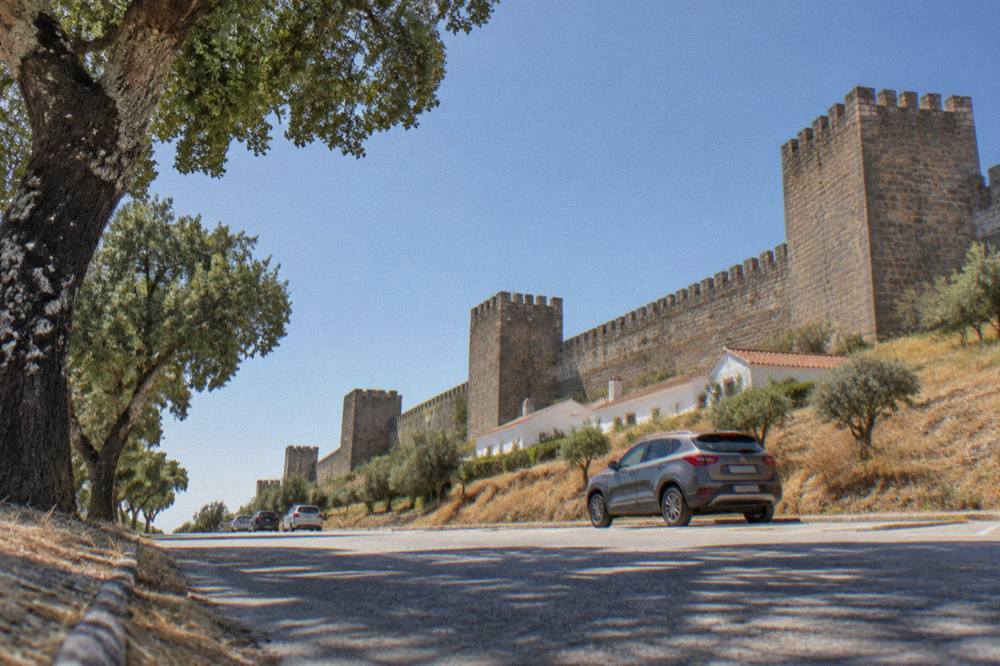
Évora, the inland capital of Portugal's Alentejo region, is a walled university city roughly 130 km by road from Lisbon and a world away from Andalusia in pace and price. Travellers coming from Seville usually arrive expecting a second Seville, all Moorish courtyards and orange trees, and find instead a granite-and-whitewash town where the big sights close at five in the afternoon and the plain stretches flat to the horizon in every direction. The contrast is the point. This guide covers the realistic way to make the journey, what to book ahead, and how to spend the days after you step off the train.
How Do You Get From Seville To Évora?
There is no direct train or verified direct coach between Seville and Évora, and the practical route runs through Lisbon. From Lisboa Oriente, CP Intercidades trains reach Évora in about 1 hour 40 to 1 hour 45, with six through services a day and a second-class fare of 13.90 EUR. For the Seville to Lisbon leg, check the operators' own pages for current services before planning a connection.
The reason for the Lisbon routing is simple geography and simple history. The two cities sit in different countries with a border between them, and the cross-border rail and coach links on this corridor are thin. Nothing in the timetables this guide can point to gives a direct Seville to Évora service, so the honest answer is to build the trip in two legs: Seville to Lisbon first, then Lisbon to Évora on Portugal's own network.
The Lisbon to Évora leg is the easy part and the best documented. CP's Intercidades timetable, valid since 6 September 2026, lists six through trains from Lisboa Oriente with no change needed at Casa Branca. Departures run at 07:02, 09:02, 09:58, 13:35, 17:02 and 19:02, arriving at 08:47, 10:45, 11:40, 15:13, 18:41 and 20:46. The fare is 13.90 EUR in second class and 18.50 EUR in first class. Check the CP page for weekday remarks before assuming every service runs seven days a week.
| Lisboa Oriente departure | Évora arrival | Class | Fare |
|---|---|---|---|
| 07:02 | 08:47 | 2nd | 13.90 EUR |
| 09:02 | 10:45 | 2nd | 13.90 EUR |
| 09:58 | 11:40 | 2nd | 13.90 EUR |
| 13:35 | 15:13 | 2nd | 13.90 EUR |
| 17:02 | 18:41 | 2nd | 13.90 EUR |
| 19:02 | 20:46 | 2nd | 13.90 EUR |
First class on the same services costs 18.50 EUR. If your Seville to Lisbon arrival lands at a different station, note that the Évora trains also call at Entrecampos and Sete Rios before leaving the capital, which can save a cross-city transfer. For the full picture on that first leg, the Lisbon to Évora guide and the train route page cover stations, tickets and timing in more depth, and the bus alternative is worth a look if the train times do not fit your arrival.
Is It Better To Stop In Lisbon On The Way To Évora?
Yes, an overnight or at least a half-day stop in Lisbon is the sensible plan, because the Seville to Évora journey cannot be done in one clean booking and the morning trains out of Lisboa Oriente are the ones that arrive in Évora with a full day ahead of them. The 09:02 arrives at 10:45, which leaves the whole afternoon for the historic centre.
Trying to force the trip into a single day means gambling on a cross-border connection that no timetable in this guide can confirm. Arriving into Lisbon the evening before, staying somewhere near Oriente or the city centre, and taking the 09:02 the next morning turns a stressful transfer into a relaxed start. The 07:02 is there for early risers who want Évora by breakfast time.
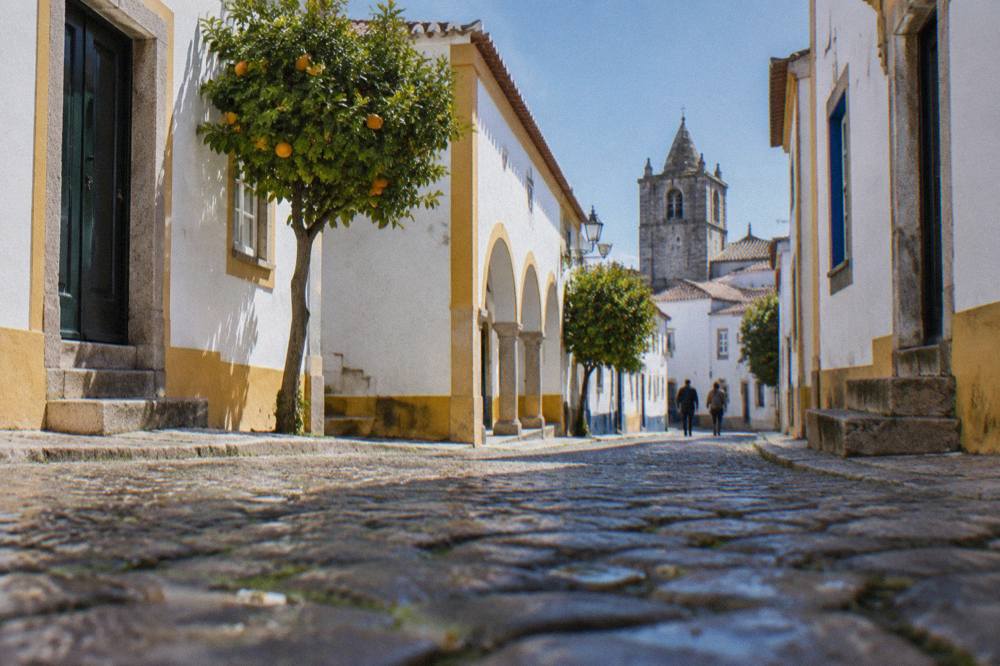
Once you are on the train, the ride is short and the country changes fast. The suburbs thin out past Pinhal Novo, and by Vendas Novas you are in cork oak country, the landscape that defines the whole Alentejo. Évora's station is a short walk from the walls, and the tourist office on Praça do Giraldo 73 can supply a map and current opening information, though treat its listed hours as indicative and confirm anything time-critical at the desk.
For travellers who prefer not to plan the arrival themselves, a guided introduction solves the first-hours problem neatly. The Évora: Tales and Legends Guided Walking Tour, a 2.5-hour walk from $52.90 per person rated 4.8 from 40 reviews, is a strong first-evening choice, and Check availability takes you to the operator's live listing.
What Should You See In Évora On Arrival?
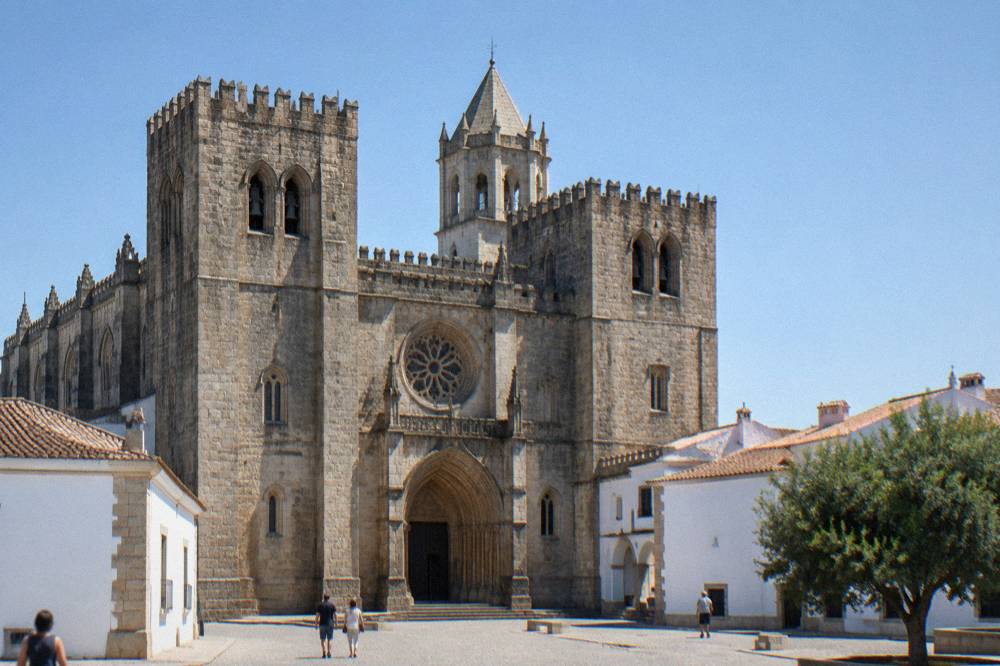
The four essentials inside the walls are the Sé cathedral, the Capela dos Ossos at the Igreja de São Francisco, the Templo Romano and the Praça do Giraldo, and all four sit within a ten-minute walk of each other. The Sé's complete-visit ticket costs 5.00 EUR, the Capela dos Ossos museum ticket 7.00 EUR, and the Templo Romano is an open-air monument with no listed ticket.
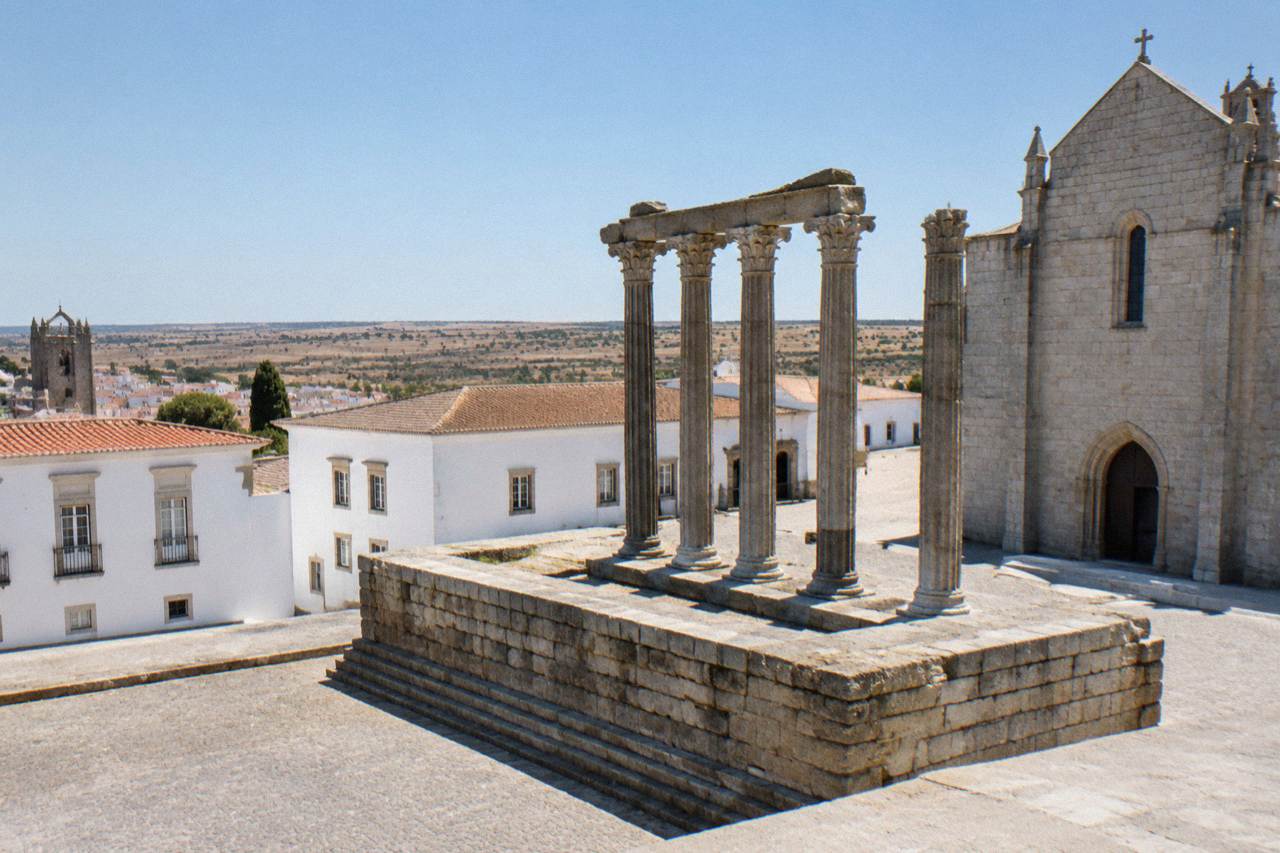
Start at the Templo Romano, the columned ruin everyone calls the Temple of Diana. The municipal page says the temple was probably dedicated to the imperial cult rather than to the goddess, that the Diana name only dates from the 17th century, and that the 25 x 15 m structure spent part of its life as a municipal butcher's shop before its walls were freed in 1870. It stands in a small raised square with the Sé behind it, so the two pair naturally.
The Sé de Évora rewards the full ticket. One 5.00 EUR admission covers the cathedral, the cloister, the roof terrace and the museum, with children up to 12 free alongside a parent. Hours are 9:00 to 17:00, with the museum closing admissions 30 minutes before the end of the day, and the cathedral closes on the afternoon of 24 December, on 25 December and on 1 January. There is no cheaper roof-only tier on the official page, so if you want the view, buy the complete visit.
The Capela dos Ossos is the sight most Seville visitors have already heard of, and it belongs to the Igreja de São Francisco. A single 7.00 EUR museum ticket covers the chapel, the chapter room, the nativity collection and the other museum areas, with youth up to 25 and seniors over 65 at 5.00 EUR and a family ticket at 15.00 EUR. Summer hours run 9:00 to 18:30 and winter 9:00 to 17:00, open every day except 1 January, Easter Sunday, the afternoon of 24 December and 25 December. The church notes it is a private religious entity and does not apply State Museum discounts.
| Monument | Ticket | Concessions | Hours |
|---|---|---|---|
| Sé de Évora, complete visit | 5.00 EUR | Children to 12 free | 9:00-17:00 |
| Capela dos Ossos museum ticket | 7.00 EUR | Youth to 25 and seniors 5.00 EUR, family 15.00 EUR | Summer 9:00-18:30, winter 9:00-17:00 |
| Museu de Évora | 8 EUR | Youth 13-24, seniors, family 50% off | Tue-Sun 9:30-13:00, 14:00-17:30 |
| Évora Ticket, one day | 8 EUR | Free to age 12 | City-Museu network sites |
| Évora Ticket, three days | 12 EUR | Free to age 12 | City-Museu network sites |
| Templo Romano | No ticket listed | Open-air monument | Open precinct |
One trap worth flagging: the Évora Ticket, at 8 EUR for one day, 10 EUR for two and 12 EUR for three, does not include the Sé, the Capela dos Ossos or the Museu de Évora. It covers the Cidade-Museu network's own sites, so read the network list on the ticket page before assuming it replaces the individual tickets above. The Museu de Évora, in the former Archbishop's Palace and founded officially in 1915, is closed on Mondays and charges 8 EUR, with 50% off for youth, seniors and families, and free entry on Sundays and holidays for residents in Portugal.
How Does Évora Compare With Seville As A City Break?
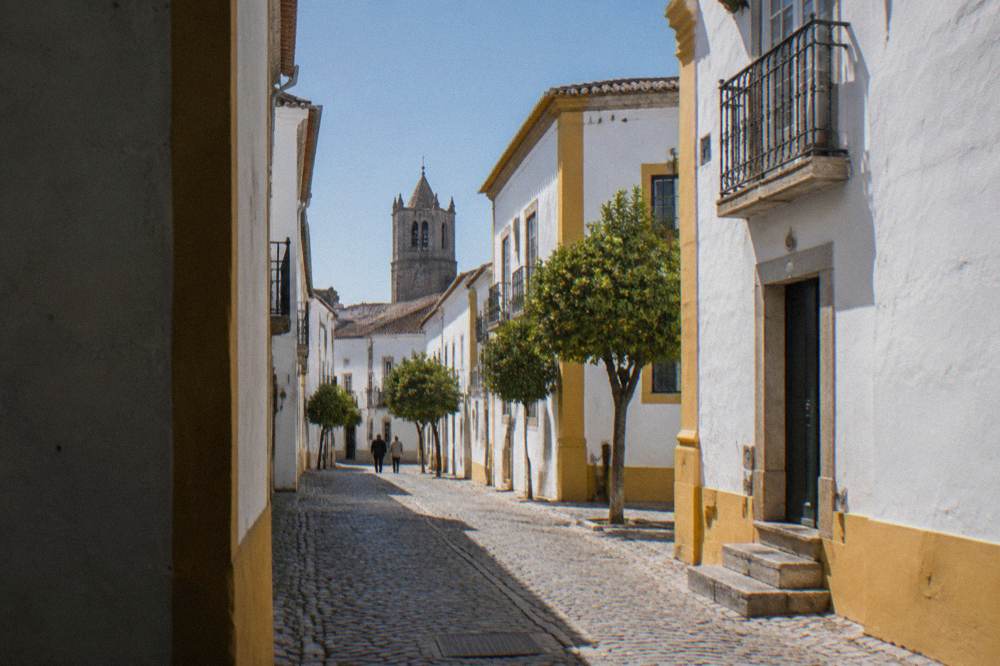
Évora is far smaller and far quieter than Seville, with a walkable walled centre of about a square kilometre, a university atmosphere rather than a festival one, and monument prices measured in single-digit euros rather than double. UNESCO inscribed the Historic Centre of Évora in 1986 under criteria (ii) and (iv), calling it the finest example of a city of the golden age of Portugal after the 1755 Lisbon earthquake, which Évora was largely spared.
That UNESCO wording carries the whole comparison. Seville grew as an imperial port and pours its wealth into processions and plazas; Évora kept its golden-age fabric because the earthquake that flattened Lisbon barely touched it. Moorish rule here ended in 1165, the Jesuit University of the Holy Spirit dates from 1553, and the Jesuits were expelled in 1759, leaving the university building that still dominates the town's southern half.
Practically, the difference is scale. Seville needs four days to breathe; Évora needs two to see everything inside the walls and a third for the countryside. The evenings are quieter too, with the Alentejo tradition of long dinners over local wine rather than bar-hopping, and the food guide and restaurant picks cover where that tradition is best found. For a fuller head-to-head including Toledo, the Évora vs Seville comparison breaks down the two cities sight by sight.
What Is The Weather Like Once You Leave Andalusia?
Évora is hotter and drier than the coast in summer and colder than Seville in winter, because it sits inland on the Alentejo plain at 247.6 m altitude with no sea to moderate it. IPMA's 1991 to 2020 normals for the Évora station show a July mean maximum of 33.3 C and an August mean maximum of 33.5 C, with 31.9 days a year reaching 35 C or more.
The same record shows the extremes: a highest maximum of 45.4 C on 4 August 2018, and a lowest minimum of -4.2 C, recorded on both 4 December 1998 and 23 January 2000. Winter days average a mean maximum of 14.1 C in January against mean minimums of 4.5 C, so a December visit needs real layers, not a Seville wardrobe. Rain concentrates from October onwards, with November the wettest month at 86.0 mm in the 1991 to 2020 average. The wider set of guides lives on Évora Travel Guide.
| Month | Mean max (C) | Mean min (C) | Rain (mm) | Days 35 C+ |
|---|---|---|---|---|
| January | 14.1 | 4.5 | 68.6 | 0.0 |
| April | 20.7 | 8.5 | 62.1 | 0.0 |
| July | 33.3 | 15.6 | 2.7 | 11.5 |
| August | 33.5 | 16.0 | 6.0 | 10.9 |
| October | 24.1 | 12.3 | 81.5 | 0.1 |
| December | 14.6 | 5.3 | 85.1 | 0.0 |
All figures above are the 1991 to 2020 averages from IPMA's station 558 at Évora. What they mean for planning: spring and autumn are the comfortable windows, summer rewards early-morning sightseeing and long lunch breaks indoors, and winter is genuinely cold at night even though the days are often bright. The best time to visit guide and the weather page work through the months in detail.
Where Should You Stay After Arriving From Seville?
Stay inside the medieval walls, ideally within a five-minute walk of the Praça do Giraldo, because Évora's sights, restaurants and evening life are all inside them and the walls are small enough that anywhere inside works. The Convento dos Lóios beside the Templo Romano is the famous converted-convent option, though its ticket price shows as temporarily unavailable on the official page and that refers to visiting, not staying.
The inside-the-walls choice is not really about location, since nowhere inside is more than fifteen minutes from anywhere else. It is about character: former convents, aristocratic townhouses and small courtyard hotels, against cheaper modern options on the wide streets outside the walls near the ring road. Families and drivers usually prefer the outside, because parking inside the walls is limited and the parking guide explains the practical options.
Budget follows the same pattern as the rest of the city, with prices well below Seville's old-town average for comparable quality. The where to stay guide maps the neighbourhoods, and the cost and budget page puts realistic daily figures against them. A municipal tourist tax applies to stays, so check with your hotel rather than assuming it is included in the quoted rate.
Which Day Trips From Évora Fit A Seville And Alentejo Itinerary?
The strongest day trips from Évora are Monsaraz at about 40 to 45 km, the marble town of Vila Viçosa at about 60 km, the fortress town of Elvas at about 80 km and the megalithic Cromeleque dos Almendres a short drive west of the city, with Estremoz at about 45 km and Arraiolos at about 20 km as shorter options. All distances are rounded road estimates and should be checked against your route.
Monsaraz is the one that most often steals a trip. A walled village on a hill above the Alqueva lake, it pairs with a wine tasting in several guided options, including a 4-hour Monsaraz and Wine tour from Évora from $78.78 per person rated 4.6 from 51 reviews. The Almendres cromlech, the stone circle on the plain west of the city, is reached through the Interpretation Centre in the village of Guadalupe, open 10:00 to 18:00 in summer and 10:00 to 17:00 in winter, with the site itself free to walk.
| Destination | Distance from Évora | Known for | Guided option from Évora |
|---|---|---|---|
| Arraiolos | about 20 km | Handmade carpets | Half-day drives with stops |
| Monsaraz | about 40-45 km | Walled village above the Alqueva | 4-hour Monsaraz and Wine, from $78.78 |
| Estremoz | about 45 km | Marble and castle | Walking tour from $28.67 |
| Vila Viçosa | about 60 km | Ducal palace and marble quarries | Marble tour from $28.14 |
| Elvas | about 80 km | Star-fortress walls | Self-guided or private tours |
| Marvão | about 120 km | Hilltop castle village | Full-day private tours |
The guided options above come from the tours this site carries, with prices in dollars as listed. For megaliths specifically, a 3-hour Almendres and Great Dolmen of Zambujeiro tour runs from $33.76 per person rated 5 from 54 reviews, and an archaeologist-led half-day version from $74.54 rated 5 from 77 reviews. The best day trips guide covers the same ground for travellers still based in the capital, and the Alentejo travel guide is the wider regional primer.
How Many Days Do You Need For Évora After Seville?
Two full days is the right minimum, with a third for the countryside: one day for the walled centre's monuments, one for the museums, the university quarter and the food, and a third for Monsaraz or the megaliths. Seville travellers who try to see Évora in a rushed half-day usually leave having seen only the Capela dos Ossos queue and the Praça do Giraldo.
The reason two days matter is the rhythm of the place. The Museu de Évora closes on Mondays, the Convento dos Lóios sits beside the Templo Romano waiting for a spare hour, and the Cartuxa winery and monastery a short way out of town deserves an afternoon rather than a dash. The one day in Évora itinerary exists for the truly time-poor, but the two days version is the honest recommendation for anyone coming this far.
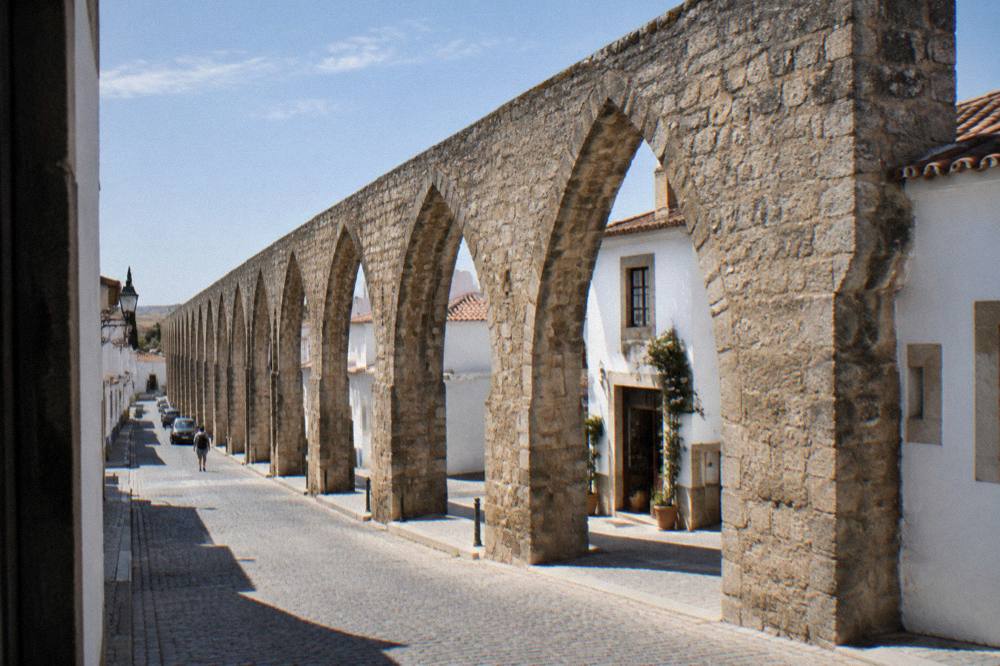
Day two should slow down deliberately. The university cloisters, the Água de Prata aqueduct walk along the eastern walls, the Jewish quarter and a long Alentejo lunch are the substance of it, and the evening belongs to a food and wine crawl or a table at a traditional tavern. The things to do page collects the full list if you would rather build your own sequence.
Should You Book A Guided Tour Or Explore Évora Alone?
Évora is compact enough to explore alone, but a guided walk adds the layer the monuments do not explain themselves, and the free, tip-based walks on GuruWalk are the cheapest way to get it. The Essential Free Tour of Évora, rated 4.93 from 774 reviews over 2 hours, is the most-reviewed option, and paid private walks from $111.42 per person add skip-the-line monument tickets.
The free walks deserve the naming. GuruWalk runs several in Évora, and the platform is the one booking service this site names in prose because the walks are free or pay what you want. Beyond the Essential Tour, the free History and Heritage walk runs 2 hours rated 5 from 9 reviews, and the free Évora through history walk runs 2 hours rated 4.88 from 74 reviews. You tip the guru at the end, and the gurus' own pages carry the meeting points.
Among paid options, the private walking tour with cathedral and Chapel of Bones tickets runs from $111.42 per person rated 5 from 106 reviews, and the skip-line version with wine from $91.39 rated 5 from 48. The small-group cultural walk with the Chapel of Bones, 2 hours from $77.66, rated 4.9 from 141 reviews, is the popular middle ground. The Évora tours page compares them all.
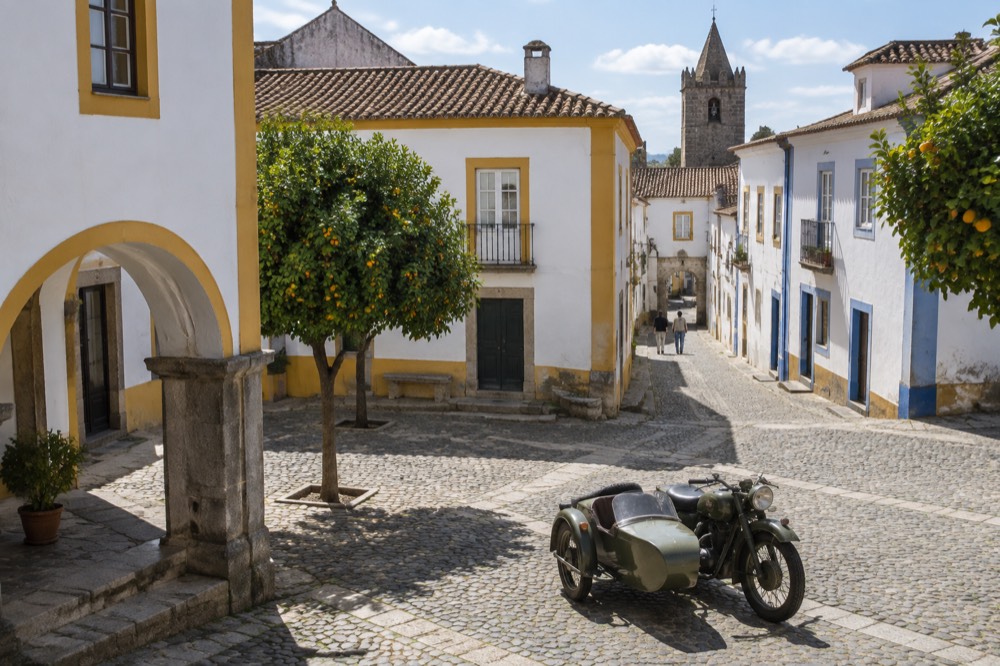
For something entirely different, the medieval sidecar tour covers the old town from the back of a classic motorcycle sidecar with a wine tasting, 3 hours from $61.90 rated 4.9 from 16 reviews. It is the one guided option that covers ground a walker cannot, from the walls to the aqueduct stretches outside them.
What Does The Alentejo Add Beyond Évora Itself?
The Alentejo adds the landscape Seville does not have: rolling cork oak plains, marble quarries, walled fortress towns and some of Portugal's most distinctive red wines, all reachable on short drives from Évora. The region's food, from pork and lamb dishes to sheep's cheese and the Alentejo bread that carries them, is as much a reason to come as the monuments.
Wine is the headline. The Alentejo makes full-bodied reds that behave nothing like the sherry styles of Andalusia, and the tasting culture around Évora is built around cellar visits rather than bodega courtyards. The Alentejo wine guide covers the grape varieties and styles, and the Cartuxa winery page covers the region's most famous cellar specifically. A 4-hour wine and cork tour from Évora runs from $78.78 per person rated 4.7 from 24 reviews, combining both threads.
Cork is the second thread. Portugal's cork oak landscapes supply much of the world's stoppers, and the montado around Évora is where they grow. A 2-hour walk in a cork forest from $71.10 rated 4.7 from 43 reviews, and a full-day cork factory and farm visit with lunch from $112.55 rated 4.8 from 26 reviews, take you from tree to finished product. The cork museum page covers the in-town version.
Food ties it together. The Alentejo food guide and the dishes to try pages map the regional plates, and an evening food and wine crawl in Évora, 3 hours from $83.28 rated 4.6 from 19 reviews, walks you through several of them in one sitting. For cooks rather than eaters, a hands-on Alentejo cooking class runs from $166.29, though its low review count means reading the operator's page carefully first.
Common Questions About Traveling From Seville To Évora
Is there a direct train from Seville to Évora?
No. There is no direct rail service between the two cities. The practical route runs through Lisbon, where CP Intercidades trains cover Lisboa Oriente to Évora in about 1 hour 40 to 1 hour 45 for 13.90 EUR second class, six through services a day on the timetable valid since 6 September 2026.
How far is Évora from Seville?
No verified road distance for the Seville to Évora route is published in the sources this guide uses, so treat any figure you see elsewhere with caution and check your route before planning. For orientation, Lisbon is about 130 km by road from Évora, and the border towns of Elvas and Badajoz sit east of the city.
Can you visit Évora as a day trip?
Yes, but only comfortably from Lisbon, not from Seville. The morning trains from Lisboa Oriente arrive before 11:00, which gives a full day inside the walls before an evening return. From Seville the journey needs at least one overnight, and two or three days is the better plan.
What does the Évora Ticket include?
The Évora Ticket costs 8 EUR for one day, 10 EUR for two and 12 EUR for three, free to age 12, and covers the Cidade-Museu network's sites. It does not include the Sé, the Capela dos Ossos or the Museu de Évora, so read the network list on the ticket page before buying.
Is Évora worth visiting after Seville?
Yes, and partly because it is so different. UNESCO inscribed the Historic Centre of Évora in 1986, calling it the finest example of a city of the golden age of Portugal after the 1755 earthquake that Évora was largely spared. Smaller, quieter and cheaper than Seville, it rewards travellers who want depth rather than spectacle.
Do I need a visa or border check travelling from Spain to Portugal?
Both countries are in the Schengen area, so there are no routine identity checks at the border, but the EU's Entry-Exit System has been fully deployed across Schengen since 10 April 2026, and non-EU visitors should carry their passport and expect biometric registration on first entry. An ETIAS travel authorisation for visa-exempt nationals is not yet in operation, so check the official EU pages before travelling.
The journey from Seville to Évora is really a journey from Andalusia into the Alentejo, and the border crossing is the least interesting part of it. Plan the Lisbon stop, take the 09:02 out of Oriente, and give the walled city at least two slow days and a countryside third, because that is where Évora stops resembling anywhere else in Iberia and starts being entirely itself.