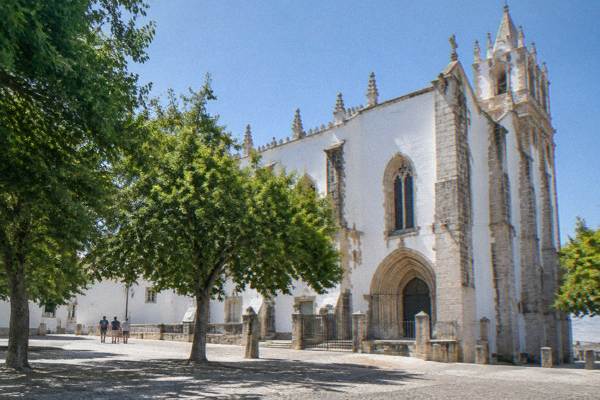
Alentejo Travel Guide: Évora, Portugal And The Region Beyond The Tagus
Évora, the inland capital of Portugal's Alentejo region, anchors a UNESCO-listed historic centre, Roman temples, megaliths, marble towns and wine country. This guide covers how to get there, what things cost, where to go and when.
Short answer
Base yourself in Évora, the capital of Central Alentejo, about 130 km from Lisbon by train or car. The Intercidades fare is 13.90 EUR second class, the historic centre is UNESCO-listed since 1986, and the region's towns, cromlechs and wineries all sit within about two hours of the city.
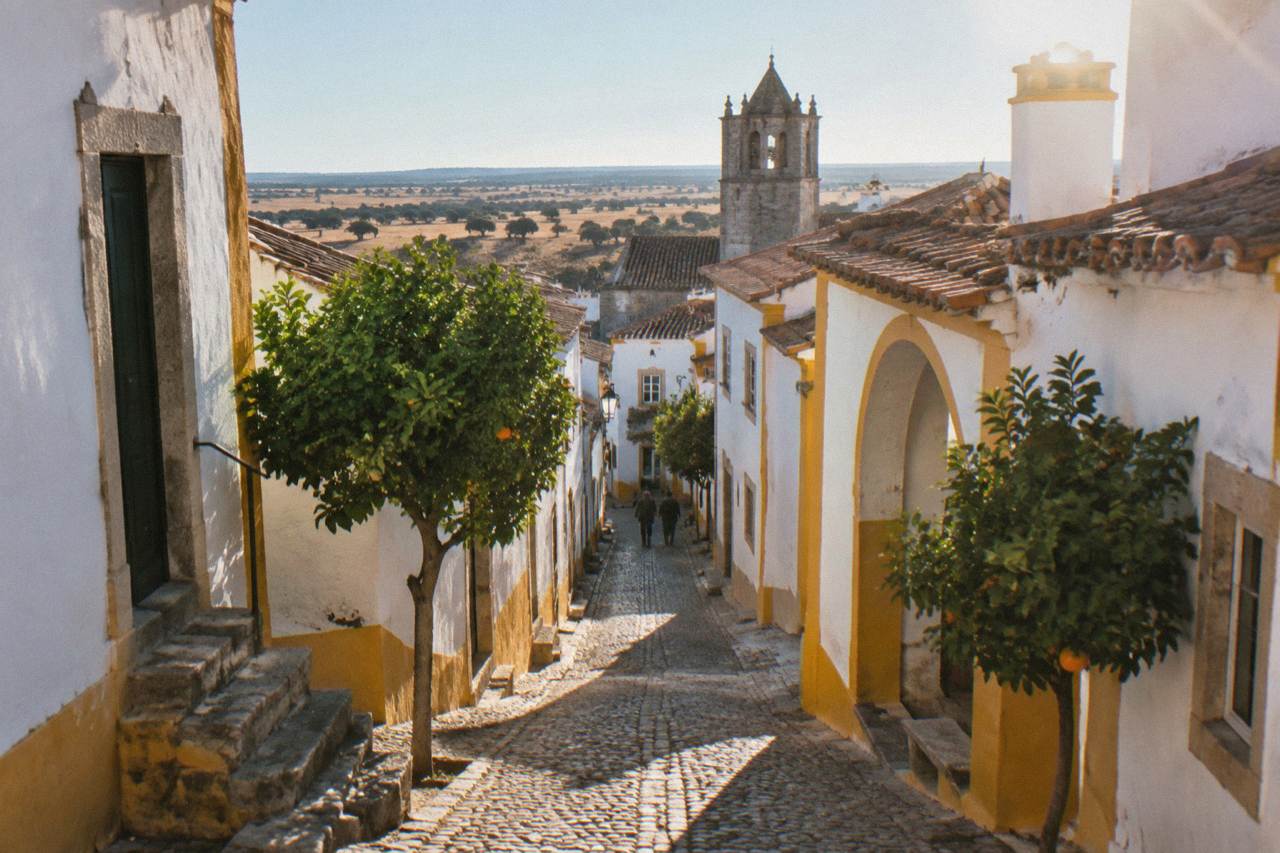
Évora, in the Alentejo region of southern Portugal, is the capital of the district of the same name and of the Central Alentejo sub-region, and it works better as a base for the whole region than any other town on the plain. The name Alentejo is usually explained as "beyond the Tagus", the river that separates this wide, wheat-and-cork landscape from the Atlantic half of the country. Évora itself is inland: the Atlantic is roughly 90 km away, and nothing on this page involves a coast, a beach or a sea view. The municipality counted about 53,000 residents at the 2021 Census, and its walled historic centre has been on the UNESCO World Heritage list since 1986, inscribed under criteria (ii) and (iv). The rest of the Alentejo fans out from here: marble towns, hilltop fortresses, megalithic stones older than any city, and a wine culture that the Alentejo wine guide covers in depth. This guide, from the Évora Travel Guide editorial desk, puts the region together around its capital.
What Is The Alentejo And Where Is It?
The Alentejo is the large southern-central region of Portugal lying south and east of the Tagus river, and Évora is its effective capital: the seat of the district, the home of its university city, and the place most visitors use as a base. The region's name is usually explained as "beyond the Tagus", and the landscape the name describes is one of rolling plains, cork oak and holm oak woodland, wheat fields, olive groves, vineyards and low white towns. It is Portugal's quiet half, hot in summer, and its density of historic towns per kilometre of road is the reason travellers give it days rather than hours. For the question of whether it rewards the trip at all, the answer page is Alentejo worth visiting takes that directly.
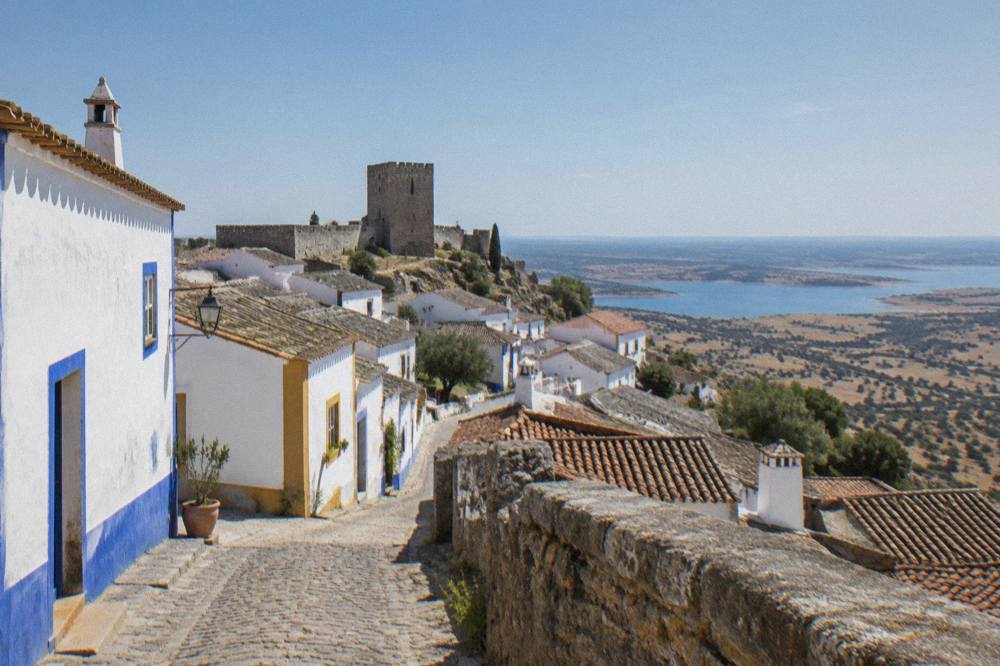
Geographically the region stretches from the Spanish border in the east to within reach of the Atlantic coast in the west, though Évora itself sits deep inland. The sub-region around the city is called Central Alentejo, and it holds most of the towns worth a detour: Arraiolos, famous for its rugs, about 20 km away; Estremoz with its marble, about 45 km; Vila Viçosa, the dukes' seat, about 60 km; Elvas and its bastion walls, about 80 km; and Marvão, the eagle's-nest town on the Serra de São Mamede, about 120 km. What the Alentejo is known for, town by town and dish by dish, is laid out in what is Alentejo famous for.
How Do You Get To Évora, The Capital Of The Alentejo?
The train is the simplest way in: CP's Intercidades service runs six through trains a day from Lisboa Oriente to Évora on the timetable valid since 6 September 2026, taking about 1 hour 40 to 1 hour 45, with a second-class fare of 13.90 EUR and first class at 18.50 EUR. Those six departures leave Lisboa Oriente at 07:02, 09:02, 09:58, 13:35, 17:02 and 19:02, and no change at Casa Branca is needed on any of them. Coaches also run from Lisbon and from Lisbon Airport to Évora's bus terminal, but no verified fare or timetable for those services can be stated here, so check the operator's own site before booking. If you are driving, Lisbon is about 130 km away. The full transport picture, station by station, is in Lisbon to Évora, with the rail detail in Lisbon to Évora by train and the coach options in Lisbon to Évora by bus.
| Lisboa Oriente departure | Évora arrival | Service |
|---|---|---|
| 07:02 | 08:47 | Intercidades through train |
| 09:02 | 10:45 | Intercidades through train |
| 09:58 | 11:40 | Intercidades through train |
| 13:35 | 15:13 | Intercidades through train |
| 17:02 | 18:41 | Intercidades through train |
| 19:02 | 20:46 | Intercidades through train |
One planning note that matters: the CP timetable is published as a PDF with weekday remarks, so confirm the day you actually travel rather than assuming every train runs every day. Coming back, the timings are in Évora to Lisbon. A day trip out and back is entirely workable on the 07:02, which is why the question can you take a day trip from Lisbon to Évora comes up so often; the honest answer is that a day shows you the city and an overnight shows you the region.
Once you have arrived, the question is what to do first, and the guided options below are the fastest way to get the city's layout and stories in a single morning.
What Are The Must-See Sights In Évora?
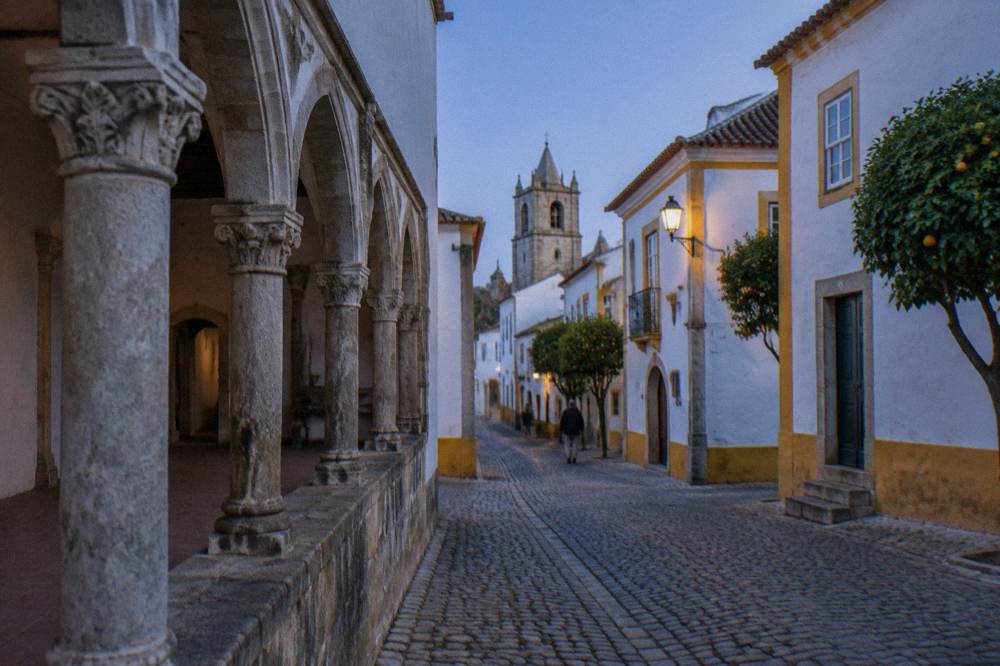
Four monuments carry the city: the Sé de Évora cathedral with its roof terrace, the Capela dos Ossos bone chapel beside the Igreja de São Francisco, the Templo Romano popularly called the Temple of Diana, and the Museu de Évora in the former Archbishop's Palace, all inside a walkable UNESCO-listed centre. The Sé's single complete-visit ticket costs 5.00 EUR and covers the cathedral, the cloister, the panoramic roof terrace and the museum, with children up to 12 free. The Capela dos Ossos museum ticket is 7.00 EUR for an adult, 5.00 EUR for youth up to 25 and seniors over 65, and 15.00 EUR for a family. The Templo Romano is an open-air monument with no ticket: the municipal page says it was probably dedicated to the imperial cult rather than to Diana, measures 25 x 15 m, was once reused as a municipal butcher's shop, and had its walls freed in 1870.
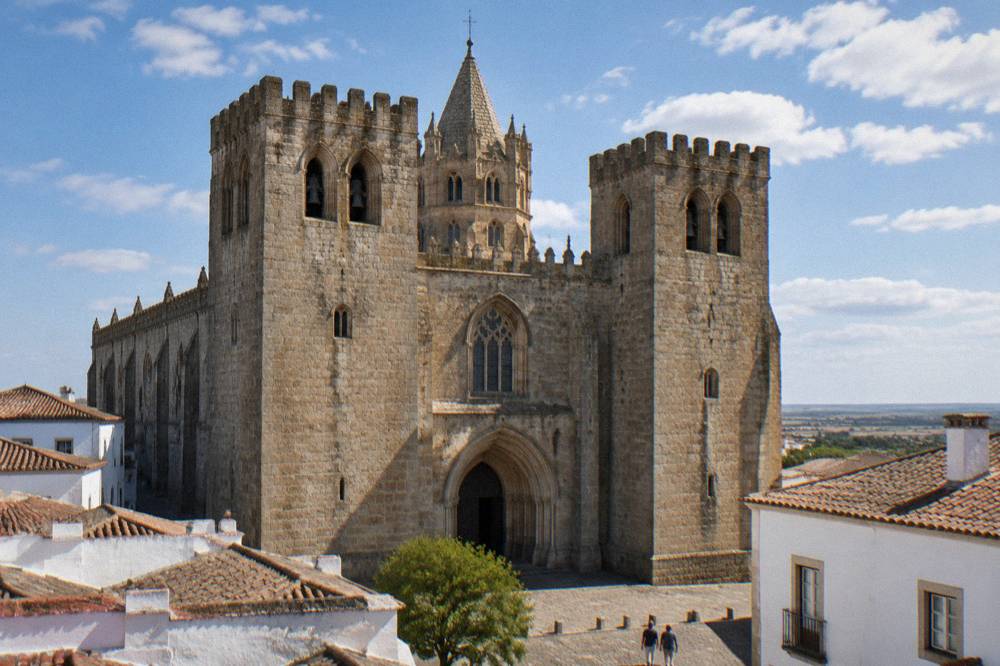
Beyond those four, the centre keeps giving: the Praça do Giraldo, the Roman baths, the medieval and Roman walls, the Água de Prata aqueduct marching into the streets, the university's cloistered college, and the megaliths scattered across the plain outside town. The things to do in Évora page collects the full list, and the deeper pages go monument by monument, from the bone chapel to the cromlech. The megalithic circuit matters more here than in most European cities: the Cromeleque dos Almendres, the Almendres Interpretation Centre in the village of Guadalupe, and the great dolmen of Zambujeiro make Évora one of the few capitals you can use as a base for standing stones.
A guided walk is the efficient way to absorb the centre, and the related tour for this guide, the Évora Walking Tour, is a good example: a street-stories walk of the historic centre, from $53.90 per person, rated 4.8 from 37 reviews. Check availability if that shape suits you.
How Much Do The Sights In Évora Cost?
The four main paid sights cost 5.00 EUR for the Sé complete visit, 7.00 EUR for the Capela dos Ossos museum ticket, 8 EUR for the Museu de Évora, and 8 EUR for a one-day Évora Ticket, though the Évora Ticket does not include the Sé, the Capela dos Ossos or the Museu de Évora, so it is not a shortcut to those three. That exclusion is the single most useful thing to know about the pass: it covers the Cidade-Museu network's other sites, not the headline monuments, so most visitors end up buying the individual tickets anyway. The Convento dos Lóios, often listed alongside them, currently shows its price as temporarily unavailable on the official page, so state nothing and check before you go.
| Sight | Adult price | Concessions | Opening pattern |
|---|---|---|---|
| Sé de Évora (complete visit) | 5.00 EUR | Children up to 12 free | 9:00-17:00, closed 24 Dec afternoon, 25 Dec, 1 Jan |
| Capela dos Ossos museum | 7.00 EUR | Youth to 25 and seniors over 65 5.00 EUR, family 15.00 EUR | Summer 9:00-18:30, winter 9:00-17:00, closed 1 Jan, Easter Sunday, 24 Dec afternoon, 25 Dec |
| Museu de Évora | 8 EUR | Youth 13-24, seniors, family 50% off, free to 12 | Tue-Sun 9:30-13:00 and 14:00-17:30, closed Mondays |
| Évora Ticket | 8 EUR one day | 10 EUR two days, 12 EUR three days, free to 12 | Network sites only, excludes the three above |
The money question has a full page of its own at Évora cost and budget, and free options are not thin on the ground either: the Templo Romano, the walls, the squares, the aqueduct arches and the whole fabric of the historic centre cost nothing, which is why free things to do in Évora runs longer than most cities' versions.
What And Where Should You Eat And Drink In The Alentejo?
Alentejo food is slow, pork-led and bread-thick: the signature dishes are porco preto (free-range black Iberian pig), açorda (bread, garlic, coriander and olive oil soup), migas (fried bread with pork), ensopado de borrego (lamb stew) and the sheep's cheeses of the region, all poured with Alentejo reds built on the native grape varieties of the plain. The regional cooking is distinctive enough that it has its own pages: start with Alentejo food, the dish-by-dish rundown in Alentejo dishes to try, the olive oil story in Alentejo olive oil, and the cheese, bread and pastry specifics in the Évora equivalents. What the wine tastes like and what it resembles are answered at what is Alentejo wine like and what is Alentejo wine similar to.
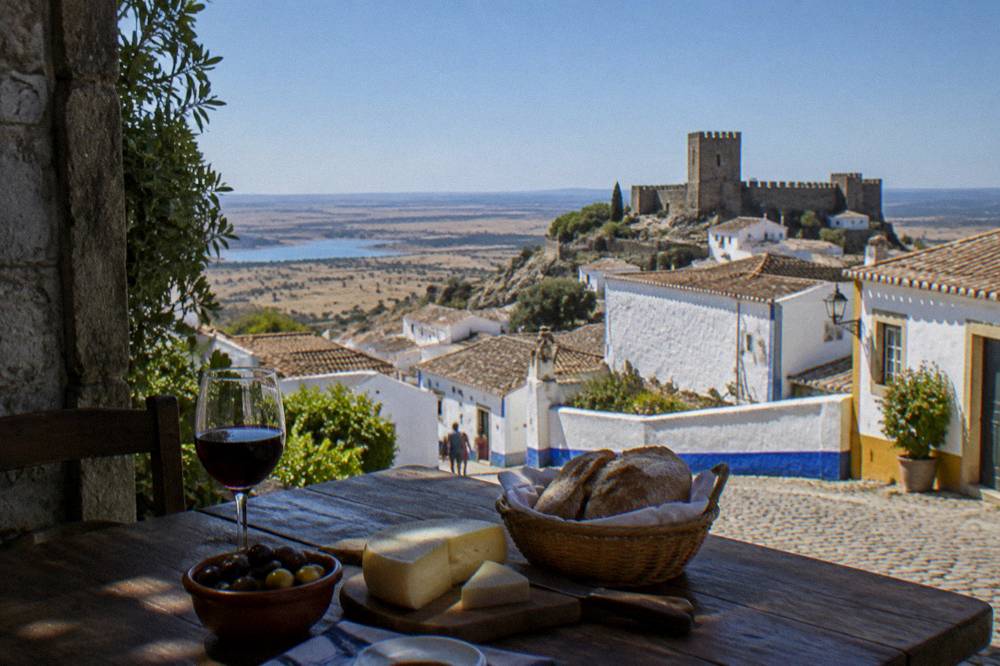
Wine deserves its own half-day at minimum. The Cartuxa winery on Évora's edge is the city's most famous, and the Reguengos de Monsaraz wine route to the south strings several more together. A guided tasting removes the driving question entirely, and the Évora wine tasting page explains the options; the Évora food tour page does the same for the table. Cork belongs in the same sentence as wine here: the Alentejo is cork country, and the Alentejo cork and cork oak page covers the montado woodland and the museum in Évora.
Which Towns Are The Best Day Trips From Évora?
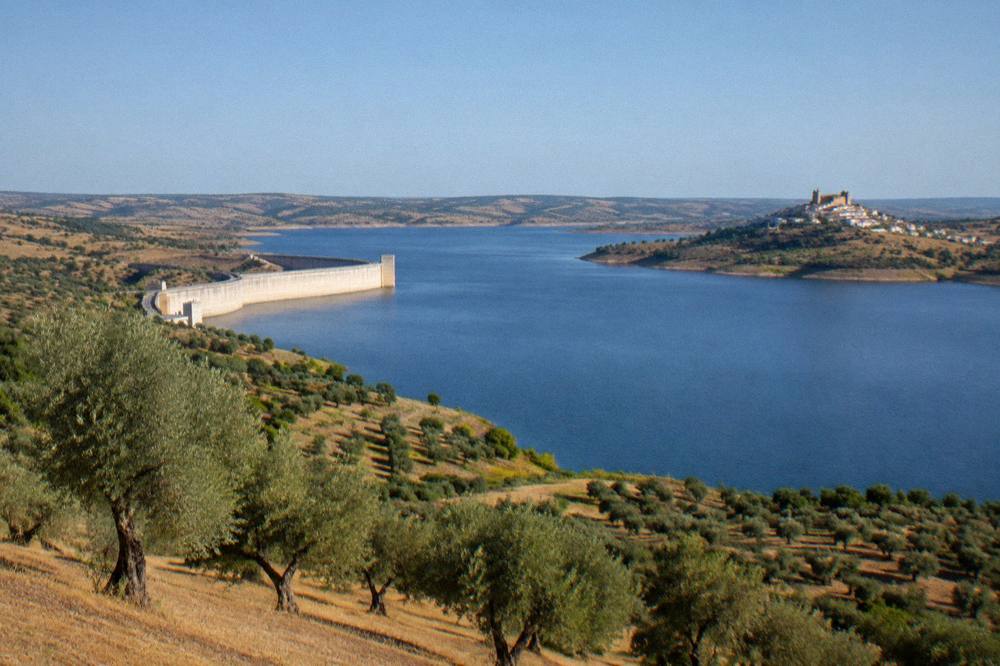
The five that repay the drive most are Monsaraz, a walled village above the Alqueva lake about 40-45 km away; Estremoz, the marble town about 45 km north; Vila Viçosa, the ducal seat about 60 km away; Elvas, the border fortress about 80 km east; and Marvão, the mountain-top town about 120 km away, each reachable on its own half-day or day circuit. Arraiolos, about 20 km from Évora, is the easy first stop, a rug-making village with a round castle. The full catalogue, with what each town is actually known for, sits in best day trips from Évora and the region-wide Alentejo castles and villages.
| Town | Distance from Évora | Known for |
|---|---|---|
| Arraiolos | about 20 km | Handmade needlepoint rugs, hilltop round castle |
| Monsaraz | about 40-45 km | Walled medieval village, views over the Alqueva lake |
| Estremoz | about 45 km | Marble quarries, white hilltop castle |
| Vila Viçosa | about 60 km | Ducal palace, marble streets |
| Elvas | about 80 km | Star-shaped bastion fortifications, border history |
| Marvão | about 120 km | Peak-top walled town in the Serra de São Mamede |
Monsaraz pairs naturally with the Alqueva reservoir and its dark-sky reputation, and the Monsaraz and Alqueva pages take those in turn. A guided version saves the planning: the Monsaraz and Wine guided tour from Évora runs 4 hours, from $78.78 per person, rated 4.6 from 51 reviews, and its own page carries the current availability and departure details.
For a multi-town plan rather than single circuits, the Alentejo road trip itinerary strings the region together, and three days in Évora and Alentejo does the same without needing a car every day. If you are coming from Lisbon rather than based in Évora, Alentejo tour from Lisbon covers the guided options that start in the capital, and the coastal day out at Comporta and the Alentejo coast is the region's one sea-facing edge, well west of Évora.
What Is The Weather Like In The Alentejo?
The Alentejo is one of the hottest parts of Portugal: IPMA's 1991-2020 climate normals for the Évora station show a July mean maximum of 33.3 C and August of 33.5 C, 31.9 days a year reaching 35 C or more, an annual mean temperature of 16.6 C and just 596.1 mm of rain across the year, with July averaging 2.7 mm. The record maximum at the Évora station is 45.4 C, set on 4 August 2018, and the record low is -4.2 C, recorded on 4 December 1998 and again on 23 January 2000. Winters are genuinely cool rather than mild, and the rain, when it comes, concentrates from October to January. Every figure here is a 1991-2020 average from that station, and it is the only weather dataset this guide uses.
| Month | Mean max (C) | Mean min (C) | Rain (mm) | Days 30 C+ |
|---|---|---|---|---|
| January | 14.1 | 4.5 | 68.6 | 0.0 |
| April | 20.7 | 8.5 | 62.1 | 0.3 |
| July | 33.3 | 15.6 | 2.7 | 23.7 |
| August | 33.5 | 16.0 | 6.0 | 25.0 |
| October | 24.1 | 12.3 | 81.5 | 2.9 |
| December | 14.6 | 5.3 | 85.1 | 0.0 |
What that means for packing is simple: July and August afternoons are for shade, museums and early starts, and the rest of the year is comfortable walking weather. The month-by-month detail, including the spring and autumn windows most visitors prefer, is in best time to visit Évora and the regional version at which month is best to visit Alentejo.
When Is The Best Time To Visit The Alentejo?
Spring and autumn are the best months for a first visit: April, May, late September and October combine 20-25 C mean maxima with manageable rain, while July and August average 33 C and above and turn the midday plain into something you plan around rather than enjoy. June is the bridge month, hot but dry, and it carries the region's biggest event: the Feira de São João, which in 2026 ran from 23 June to 5 July at the Rossio de São Brás, the annual fair that fills the city's exhibition ground. October 2026 brings the GUADIANA literature festival, 9 to 11 October, part of the run-up to the 2027 Capital of Culture year. Winter visits work: the sights are quieter, the light is low and gold, and the mean January maximum of 14.1 C is fair walking weather, but the shortest days limit the megalith circuits.
| Period | 1991-2020 mean max | Rain | Best for |
|---|---|---|---|
| March-May | 18.7 to 25.0 C | 46.6 to 62.1 mm per month | Walking, wildflowers, megaliths |
| June-August | 30.2 to 33.5 C | 2.7 to 10.6 mm per month | Early starts, evening terraces, festivals |
| September-October | 24.1 to 29.5 C | 33.9 to 81.5 mm per month | Wine harvest, balanced temperatures |
| November-February | 14.1 to 17.6 C | 68.6 to 86.0 mm per month | Museums, low-season prices, quiet streets |
The seasonal pages go deeper: Évora in spring, Évora in summer, Évora in autumn and Évora in winter, with the events calendar at Évora events and festivals. One honest caution: exact dates for the 2027 editions of the Christmas programme, Semana Santa, the Festas de Évora and the Escrita na Paisagem festival are not yet published, so plan around the pattern, not a date.
Where Should You Stay In The Alentejo?
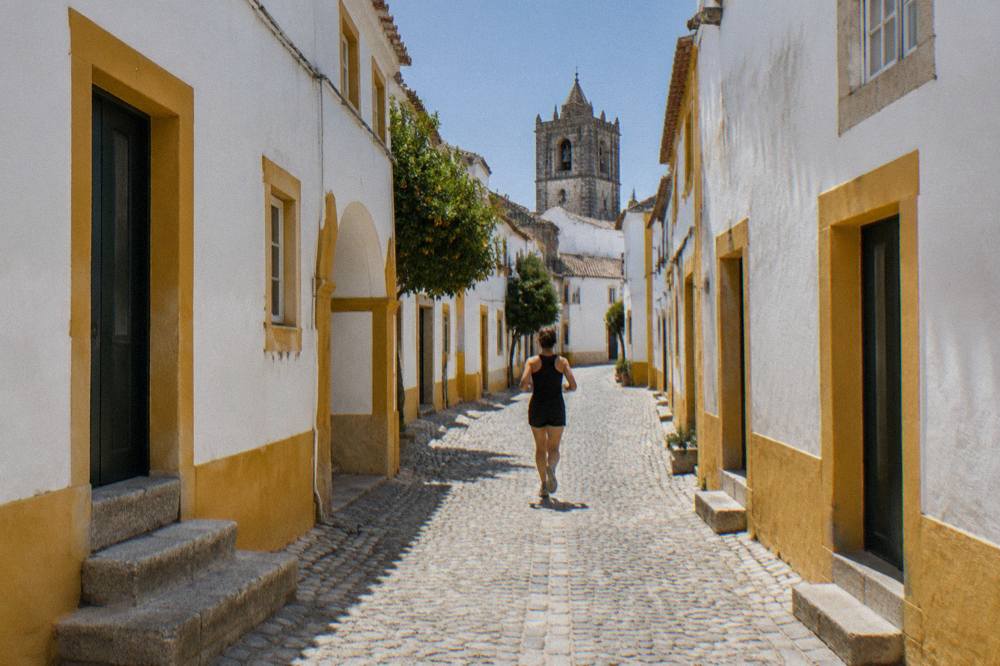
Évora is the practical base for a first Alentejo trip: it has the region's widest range of accommodation inside a walkable UNESCO centre, and every day trip in this guide radiates from it, while Estremoz, Vila Viçosa and Monsaraz work as single-night stops on a road trip rather than as bases. Inside the walls, converted convents and townhouses cluster around the historic centre; outside them, the modern ring is cheaper and a short walk in. The full breakdown is in where to stay in Évora, with the specific picks in best hotels in Évora, the budget end in cheap hotels and hostels in Évora and the self-catering options in Évora Airbnb and apartments. Region-wide, Alentejo hotels covers the towns beyond the capital.
One cost to factor in: a municipal tourist tax applies to stays in Évora, so check with your hotel at booking rather than relying on any figure quoted elsewhere. It is a small line on the bill, not a reason to change plans, but it is the kind of surprise better known in advance.
How Many Days Do You Need For The Alentejo?
Two days covers Évora's centre properly, three days adds the megaliths and one wine or cork visit, and four to five days is the honest minimum if you want the region's towns, Monsaraz and the Alqueva in the same trip; a single day shows you the city and almost nothing of the Alentejo around it. The itineraries already exist for each shape: one day in Évora, two days in Évora, three days in Évora and Alentejo and the region-wide Alentejo road trip. The half-day version, for cruise-style stops and early trains, is Évora half-day. If the whole question is whether the city justifies the detour from Lisbon, is Évora worth visiting answers it with the evidence.
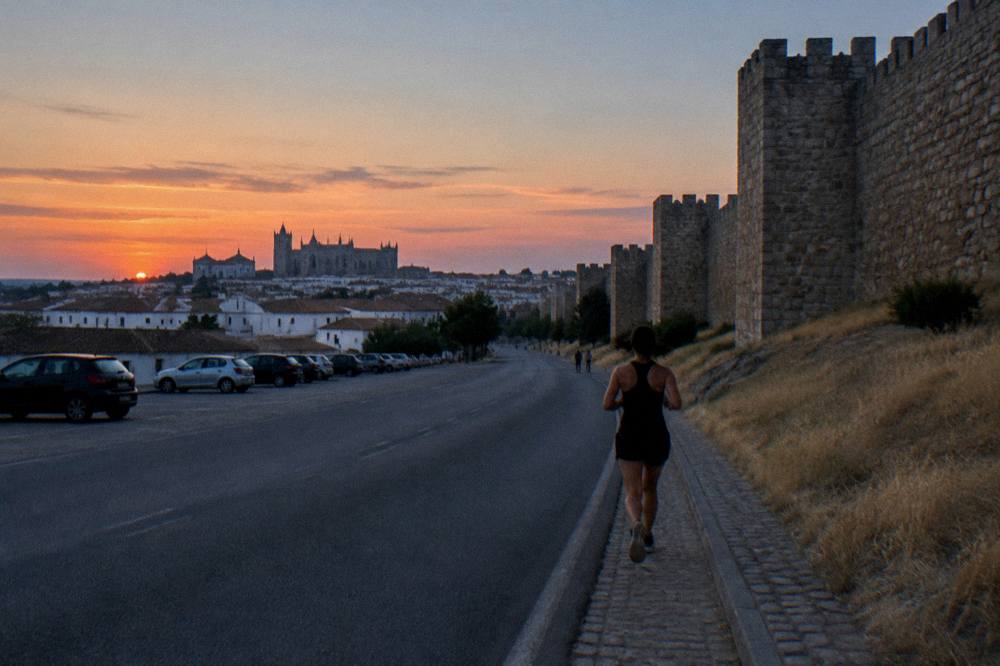
For the final third of any plan, the guided options below are the ones that fit this region best: the walks that unpack the city's history, the private tours that bundle the cathedral and the bone chapel with skip-the-line entry, and the sidecar circuit for the medieval streets.
Among those, the Évora Walking Tour is the one this guide recommends as the related pick: a street-stories walk of the historic centre, from $53.90 per person, rated 4.8 from 37 reviews, and a natural first morning in the city before you head out to the plain.
Common Questions About The Alentejo
Where is Alentejo located in Portugal?
The Alentejo occupies southern-central Portugal, south and east of the Tagus river, stretching to the Spanish border. Évora, its main city, sits inland about 130 km from Lisbon. The full geography answer is at where is Alentejo located in Portugal.
What does Alentejo mean in Portuguese?
The name is usually explained as "beyond the Tagus", from além (beyond) and Tejo (the Tagus river). It is the standard explanation rather than a certainty, and the language detail is at what does Alentejo mean in Portuguese.
Is there a direct train from Lisbon to Évora?
Yes. CP's Intercidades service runs six through trains a day from Lisboa Oriente to Évora on the timetable valid since 6 September 2026, about 1 hour 40 to 1 hour 45 each way, with no change needed. The second-class fare is 13.90 EUR.
Is Évora worth a day trip from Lisbon?
Yes for the city itself, which is compact enough that a day covers the Sé, the Capela dos Ossos, the Templo Romano and the squares. No for the region: the megaliths, the wine route and the towns beyond the walls need an overnight. The comparison is argued at is Évora worth a day trip from Lisbon.
What is the Alentejo famous for?
Wine, cork, marble, megaliths, walled towns, black Iberian pork and extreme summer heat. The item-by-item answer is at what is Alentejo famous for.
Is there a Stonehenge in Portugal?
The Cromeleque dos Almendres near Évora is the Iberian peninsula's largest stone circle and is often called Portugal's Stonehenge, though it is a cromlech, an oval ring of standing stones, not the trilithon structure of the English site. The distinction is drawn at what is the difference between Stonehenge and a cromlech.
The Alentejo rewards the traveller who slows down to its own pace, and that is not a slogan: it is the region's 2026 cultural theme, "Vagar", the local word for moving slowly and deliberately, chosen by the team preparing Évora's 2027 European Capital of Culture year. Plan around the heat, buy the individual monument tickets rather than assuming the pass covers them, take the 07:02 out of Lisbon, and give the plain at least three days.