Porto To Évora
Porto sits on the Atlantic coast in the north of Portugal; Évora lies inland on the Alentejo plain about 130 km from Lisbon, and the journey between them is a crossing of the whole country rather than a hop.
Short answer
There is no single verified direct link between Porto and Évora: the practical route runs south through Lisbon, where CP's Lisboa Oriente to Évora trains connect, and the whole crossing is best treated as a full travel day with an overnight in Évora.
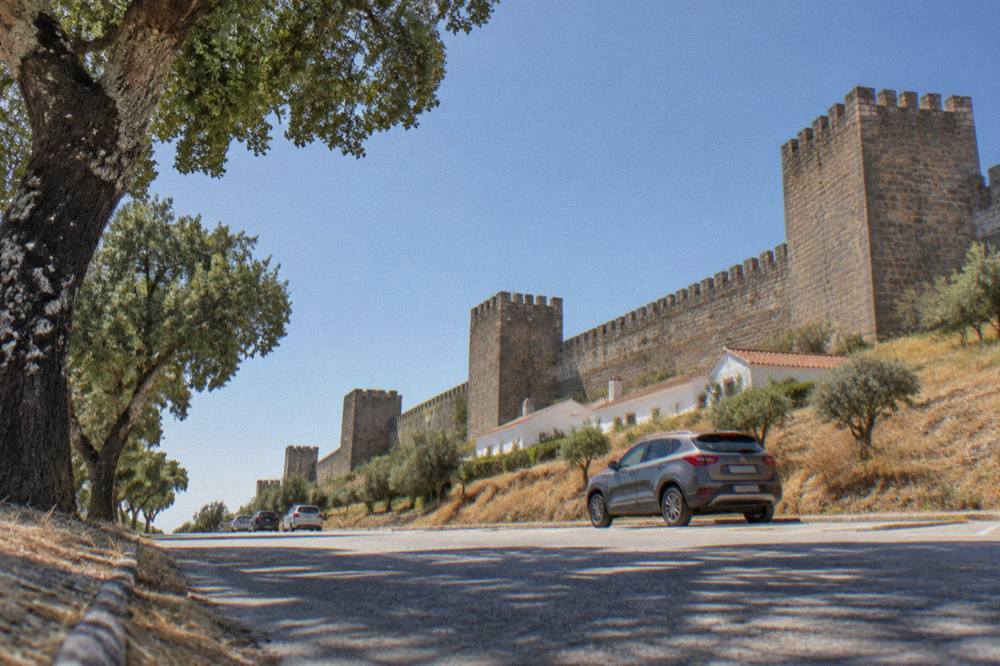
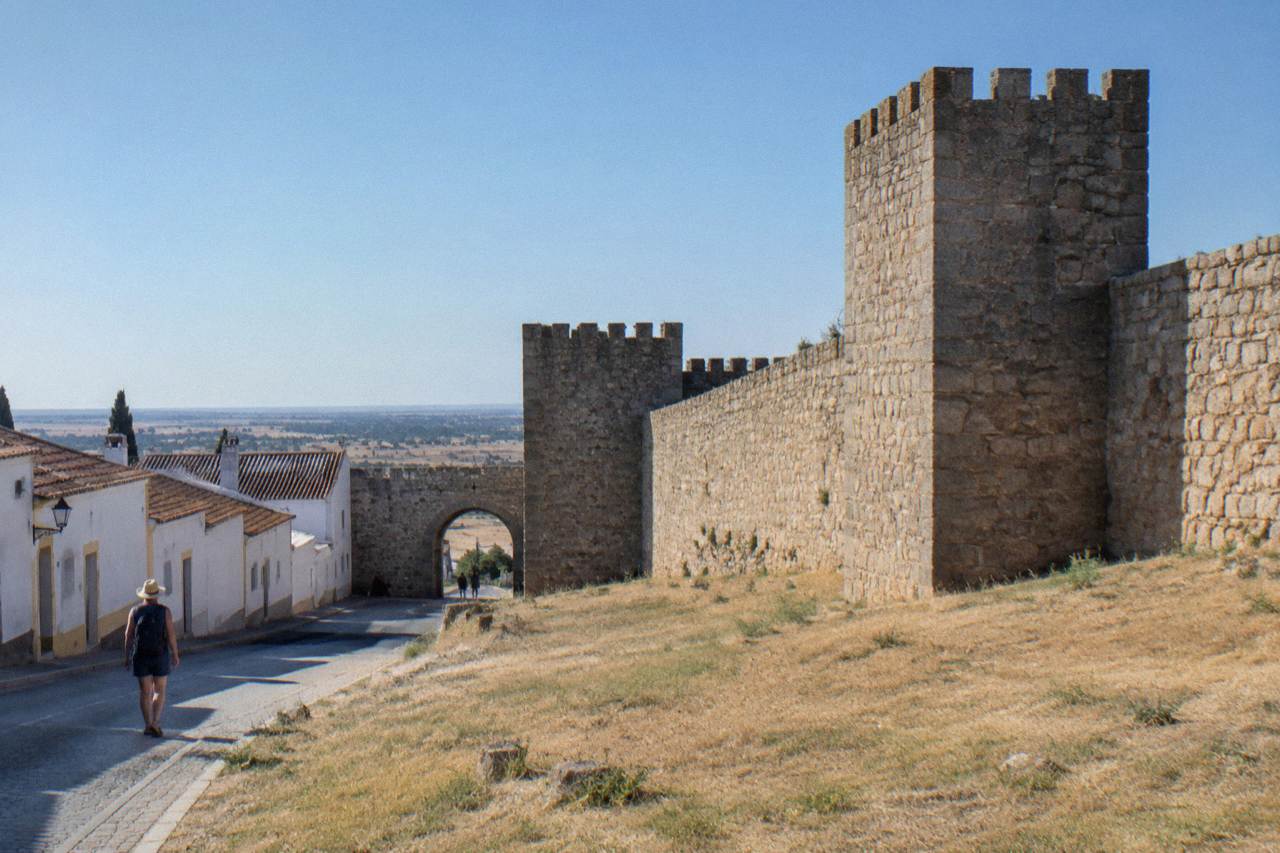
Porto is a city of granite and port wine on the Douro in northern Portugal; Évora is a UNESCO-listed walled city on the hot, dry Alentejo plain, the capital of the district of that name and of the Central Alentejo sub-region. Travelling from one to the other means crossing almost the entire country, from the Atlantic-facing north to an inland region where the sea is roughly 90 km away and the summer heat is a defining fact of life. The route rewards planning: Évora is small enough to walk end to end, dense enough with Roman temples, medieval squares and bone chapels to fill two full days, and far enough from Porto that the journey itself deserves thought.
How Do You Get From Porto To Évora?
The practical route from Porto to Évora runs south through Lisbon, because the only rail services into Évora with published through connections start at Lisboa Oriente, and CP's timetable valid since 6 September 2026 lists six through trains on that leg. A traveller from Porto therefore plans two legs: Porto to Lisbon first, then Lisboa Oriente to Évora. Driving is the alternative, and Lisbon is about 130 km from Évora by road, but no drive time or toll figure for the full Porto crossing can be stated here.
The geography explains the shape of the trip. Évora sits on a branch line that runs inland from the Lisbon suburbs through Vendas Novas and Casa Branca; it is not on the main coastal corridor that links Porto, Coimbra and Lisbon. That means almost every itinerary from the north funnels through the capital. Some travellers break the journey with a night in Lisbon or Coimbra; others treat the whole crossing as one long travel day and arrive in Évora in time for dinner on Praça do Giraldo.
The honest planning position is this: the verified, published connection is the Lisboa Oriente to Évora leg, and everything north of Lisbon depends on what CP and the coach operators currently run, which should be checked on their own pages before booking. The Porto or Évora comparison guide covers how the two cities differ as destinations, and the Lisbon to Évora guide covers the southern leg in detail.
Where Does The Train To Évora Actually Leave From?
Every through train to Évora in the current CP timetable departs from Lisboa Oriente station, and the timetable valid since 6 September 2026 lists six of them spread across the day, so the connection point for anyone coming from Porto is Lisbon. The fare for that southern leg is 13.90 EUR in second class and 18.50 EUR in first class, and the reader should confirm the Porto to Lisbon portion on CP's own booking pages.
That asymmetry matters for planning. The southern leg is short and well documented: CP's material gives the journey between Lisboa Oriente and Évora as about one hour forty to one hour forty-five minutes, with no change of train needed at Casa Branca on the through services. The northern leg, Porto to Lisbon, is a separate booking on CP's faster corridor, and its times and prices move with demand and season. Booking the two legs separately, with a comfortable buffer at Oriente, is the standard approach.
A note on arrival: Évora's station sits a short walk outside the walled centre, and the city inside the walls is compact enough that most visitors never need a local bus. The guide to getting in from Lisbon by train covers the same arrival logistics for the southern leg, and the Évora parking guide covers the driving alternative for anyone who rents a car in Porto and brings it south.
Should You Stop In Lisbon Or Coimbra On The Way?
Breaking the Porto to Évora crossing with a stop is usually the better plan, because the through trains to Évora all start at Lisboa Oriente and a missed connection in Lisbon would otherwise strand a traveller for hours, while Coimbra and Lisbon are both worth half a day in their own right. An overnight in Lisbon turns the trip into two relaxed legs; a same-day crossing is possible but leaves little margin. The choice is about risk and appetite, not about any published timetable for the full route.
Coimbra, the university city on the Mondego, sits roughly halfway down the country and breaks the northern leg naturally. Lisbon offers more: it is the main gateway for Évora in every sense, about 130 km away by road, and the guide to the Lisbon to Évora leg treats it as the practical base for the Alentejo. Travellers who prefer coaches should check the operator pages directly, because no coach fare or journey time for either the Porto or the Lisbon leg is printed here.
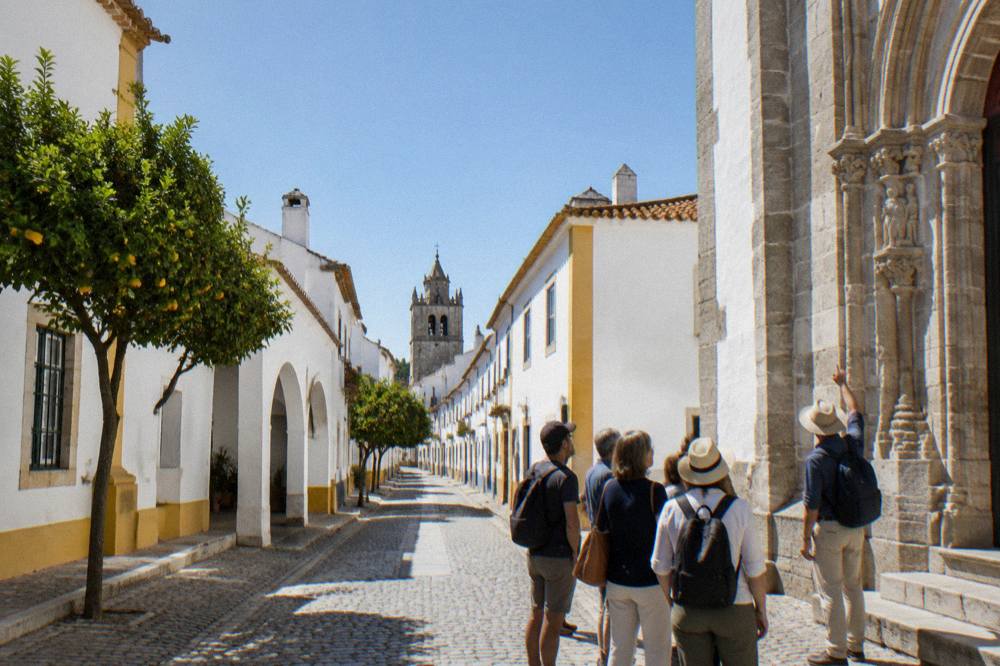
Once the southern leg is booked, the arrival in Évora is the easy part. The historic centre is a dense knot of lanes around the Praça do Giraldo, and a first afternoon is well spent on a guided walk: the flexible historic-centre walking tour, from $13.51 per person and rated 4.8 from 105 reviews, is the budget-friendly way to get oriented, and Check availability before you commit to a date.
Whichever of those three walks fits your style, the underlying advice is the same: book the walking tour for the afternoon you arrive, while your legs are still fresh from the train and the light is still good on the golden stone.
How Many Days Should You Spend In Évora After The Journey?
Two full days is the comfortable answer for most travellers who have crossed the country from Porto, because one day covers the core inside the walls, the Sé, the Capela dos Ossos, the Templo Romano and the Praça do Giraldo, while a second day pays for the trip properly with the Museu de Évora, the Água de Prata aqueduct and a half-day out to the Cromeleque dos Almendres. One night is the minimum that avoids rushing; three allows a day trip into the Alentejo towns.
The reason for the second day is simple: Évora's headline sights are close together, but its best experiences are not all inside the walls. The megalithic complex at Almendres, the marble town of Vila Viçosa about 60 km away and the hilltop village of Monsaraz about 40 to 45 km away each need half a day of their own. The one day in Évora itinerary and the two days in Évora itinerary break this down hour by hour.
For travellers who want the megaliths explained rather than just found, a guided option pays for itself: the archaeologist-led half-day cromlech tour from Évora, from $74.54 per person and rated 5 from 77 reviews, is the strongest of them, and the megalithic sites guide covers what is known about the stones themselves.
What Do The Monuments In Évora Cost To Visit?
The three headline monuments in Évora cost 5.00 EUR for the Sé's complete visit, 7.00 EUR for the Capela dos Ossos museum ticket and 8 EUR for the Museu de Évora, so a couple doing all three pays roughly 40 EUR in total at the official rates. The Évora Ticket multi-site pass costs 8 EUR for one day, 10 EUR for two and 12 EUR for three, but it does not include those three headline sites, so it is a supplement rather than a replacement.
That last point is the one most visitors miss. The Évora Ticket covers the Cidade-Museu network, a different set of buildings from the cathedral, the bone chapel and the national museum, and buying it expecting the Sé to be included is the classic error. The standing figures, all from the official pages, are set out below. The full index of guides sits on Évora Travel Guide.
| Ticket | Official price | Notes |
|---|---|---|
| Sé de Évora, complete visit | 5.00 EUR | Cathedral, cloister, roof terrace and museum; children up to 12 free |
| Capela dos Ossos, adult | 7.00 EUR | Covers all museum areas of the Igreja de São Francisco complex |
| Capela dos Ossos, youth to 25 or senior over 65 | 5.00 EUR | Family ticket, two adults plus youths, 15.00 EUR |
| Museu de Évora, adult | 8 EUR | Closed Mondays; youth, senior and family discounts around 50% |
| Évora Ticket, one day | 8 EUR | Cidade-Museu network; free to age 12 |
| Évora Ticket, two days | 10 EUR | Same network |
| Évora Ticket, three days | 12 EUR | Same network |
Opening hours are equally fixed and worth planning around. The Sé runs 9:00 to 17:00 and closes on the afternoon of 24 December, on 25 December and on 1 January. The Capela dos Ossos keeps summer hours of 9:00 to 18:30 and winter hours of 9:00 to 17:00, open daily except 1 January, Easter Sunday, the afternoon of 24 December and 25 December. The Museu de Évora opens Tuesday to Sunday, 9:30 to 13:00 and 14:00 to 17:30, and is closed on Mondays, which catches out plenty of Monday arrivals. The Évora tickets and passes guide goes deeper, and the opening hours guide collects everything in one table.
When Is The Best Time Of Year To Make This Trip?
Spring and autumn are the best seasons to travel from Porto to Évora, because IPMA's 1991 to 2020 normals for the Évora station show July and August averaging 33.3 C and 33.5 C as mean daily maxima, with 31.9 days a year reaching 35 C or more, while April, May, October and November combine daytime maxima of roughly 17 to 25 C with far fewer extreme days. Winter is mild by northern standards but wet, with 85 to 86 mm of rain in November and December.
The Alentejo plain is inland and continental in feel, nothing like Porto's Atlantic climate. The record maximum at the Évora station is 45.4 C, set on 4 August 2018, and the record minimum is -4.2 C, recorded on 4 December 1998 and 23 January 2000, so the range across the year is wide. The monthly picture from the normals:
| Month | Mean daily max (C) | Mean daily min (C) | Rain days (1 mm or more) |
|---|---|---|---|
| March | 18.7 | 6.9 | 7.5 |
| April | 20.7 | 8.5 | 8.0 |
| May | 25.0 | 10.9 | 6.0 |
| June | 30.2 | 13.8 | 1.7 |
| July | 33.3 | 15.6 | 0.6 |
| August | 33.5 | 16.0 | 0.7 |
| September | 29.5 | 14.6 | 3.6 |
| October | 24.1 | 12.3 | 7.7 |
All figures are 1991 to 2020 averages for station Évora, number 558, altitude 247.6 m. The practical reading for a Porto traveller: leave the north's drizzle behind in June or September and Évora will still be hot, so book accommodation with air conditioning and plan monument visits for the morning. The best time to visit guide and the Évora weather guide expand on this, and the summer in Évora guide is honest about the heat.
One seasonal factor that is now fixed: Évora and the Alentejo are a European Capital of Culture in 2027, with a preparatory programme running through 2026 under the concept of Vagar. The full 2027 calendar is not yet published, so anyone planning a trip around the culture programme should watch the official Évora 2027 pages rather than assume dates.
Where Should You Stay In Évora?
Inside the medieval walls is where most first-time visitors should stay, because the whole historic centre is walkable, the evening atmosphere around the Praça do Giraldo and Rua 5 de Outubro is the point of the city, and the walk from the station or the car parks to a central hotel is short. Budget travellers get more space for their money outside the walls. A municipal tourist tax applies to stays, so check the amount with your hotel when booking.
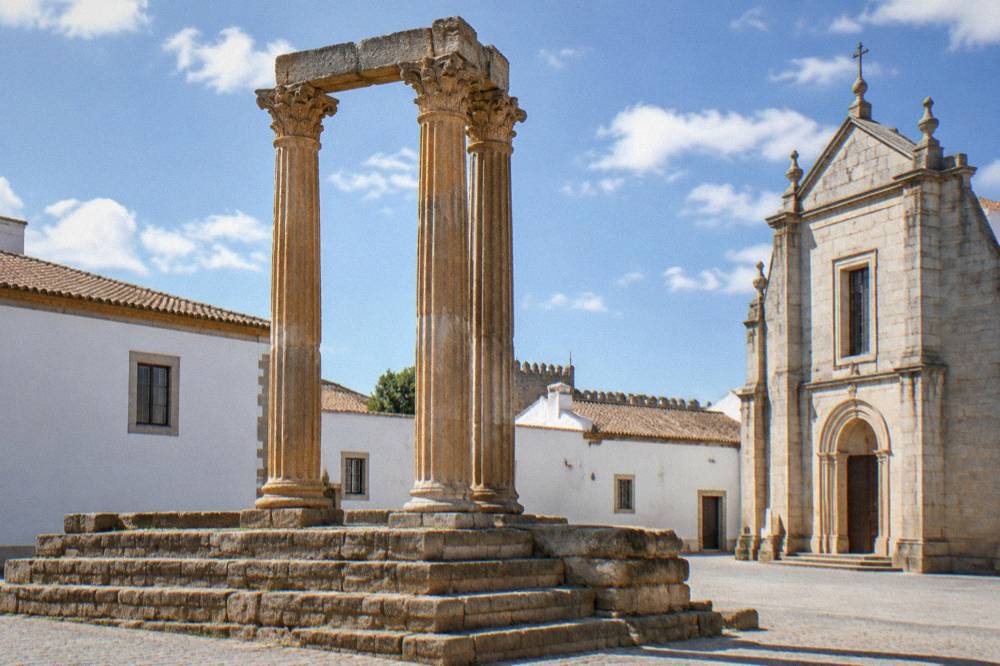
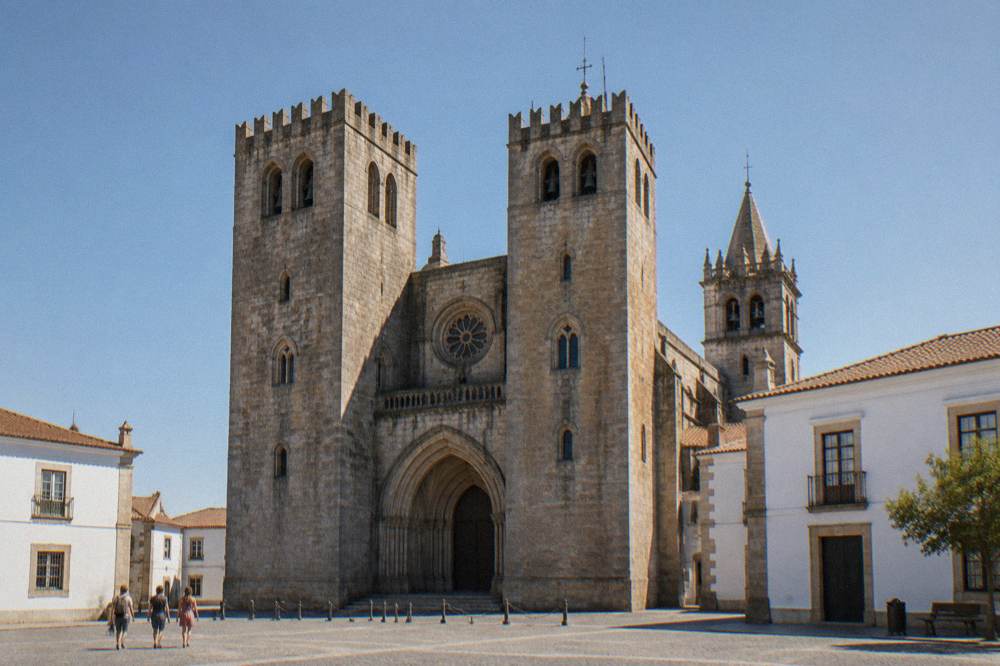
The walls matter more than they sound. Évora's historic centre is a UNESCO World Heritage Site, inscribed in 1986 under criteria (ii) and (iv), and UNESCO's criterion (iv) calls it the finest example of a city of the golden age of Portugal after the 1755 Lisbon earthquake, which Évora was largely spared. Staying inside that fabric means the Templo Romano, the Sé and the Capela dos Ossos are a five-minute stroll apart, and the evening happens on your doorstep.
The trade-off is parking: streets inside the walls are narrow and restricted, so drivers should read the Évora parking guide before choosing a hotel. For a wider sense of the options, the where to stay guide maps the neighbourhoods properly, and the hotels guide, the budget accommodation guide and the cost and budget guide price out the tiers.
All three of those options start in Évora itself, so none of them depends on a Lisbon departure or a transfer: pick the one that matches your energy on the day you step off the train.
What Should You Do On Your First Evening In Évora?
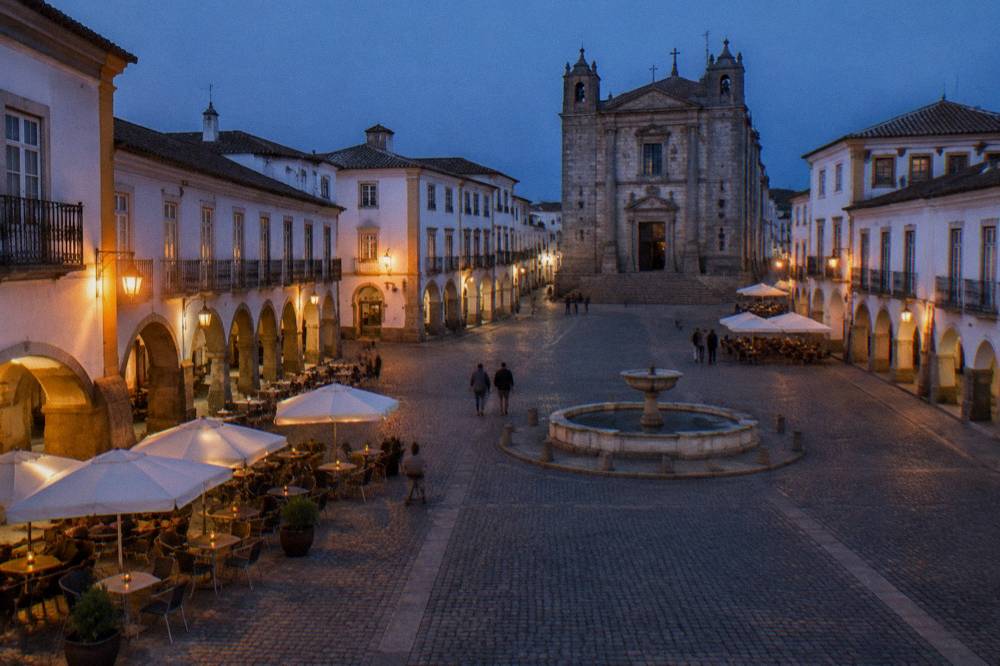
The first evening in Évora belongs to the Praça do Giraldo and the lanes running off it, with dinner built around Alentejo staples, pork and clay-pot dishes, Alentejo bread, sheep's cheese and the region's red wines, followed by a slow circuit of the floodlit Templo Romano and Sé. The city is small, safe and lively at night, and an evening food and wine crawl from $83.28 per person, rated 4.6 from 19 reviews, turns the same walk into a guided introduction.
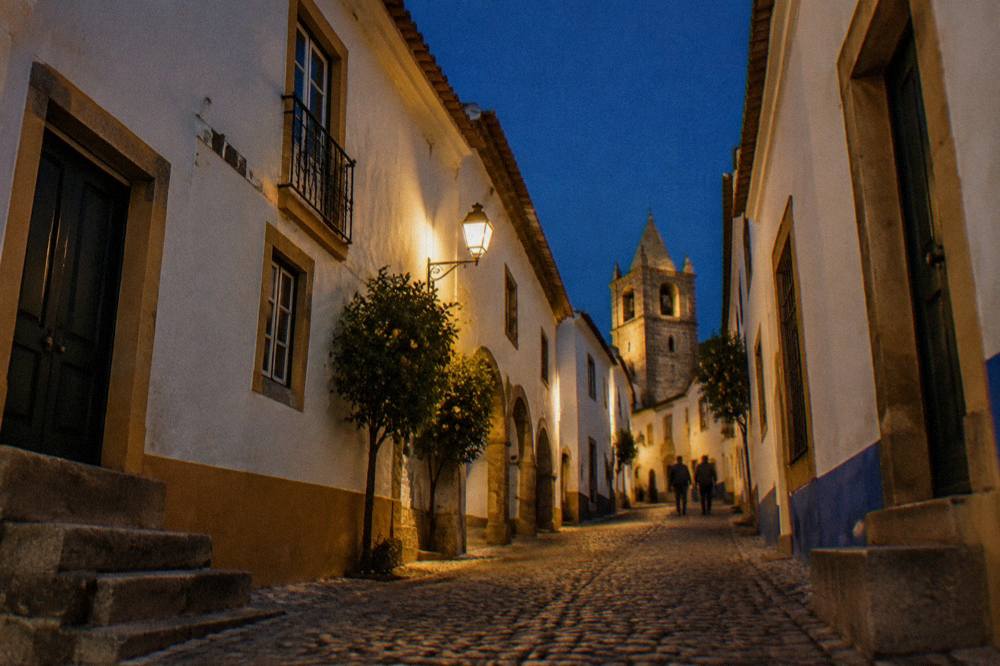
The Alentejo has one of Portugal's most distinctive food cultures, and Évora is its capital. The Évora restaurants guide and the food guide cover where to eat; the Alentejo food guide explains the dishes themselves, from açordas to migas. Wine deserves its own attention: the Alentejo wine guide and the Évora wine tasting guide cover the region's reds and the Cartuxa winery just outside the walls, which has its own dedicated guide.
For a first evening with a difference, the medieval sidecar tour, from $61.90 per person and rated 4.9 from 16 reviews, loops the old town with a wine tasting attached, and the Évora at night guide collects the after-dark options.
Is The Journey From Porto To Évora Worth It As Part Of A Bigger Trip?
Yes, for most travellers the crossing is worth it because Évora anchors a wider Alentejo loop: Monsaraz is about 40 to 45 km away, Estremoz about 45 km, Vila Viçosa about 60 km, Elvas about 80 km and Marvão about 120 km, so two or three days in Évora absorb a string of hill towns, marble quarries, wineries and megalithic sites without ever driving far. A Porto arrival, a southbound crossing and a slow loop back via Lisbon makes a complete two-week Portugal itinerary.
The distances, rounded and always approximate, are what make the region work as a loop:
| Place | Approximate road distance from Évora | What it is known for |
|---|---|---|
| Arraiolos | about 20 km | Handmade wool carpets |
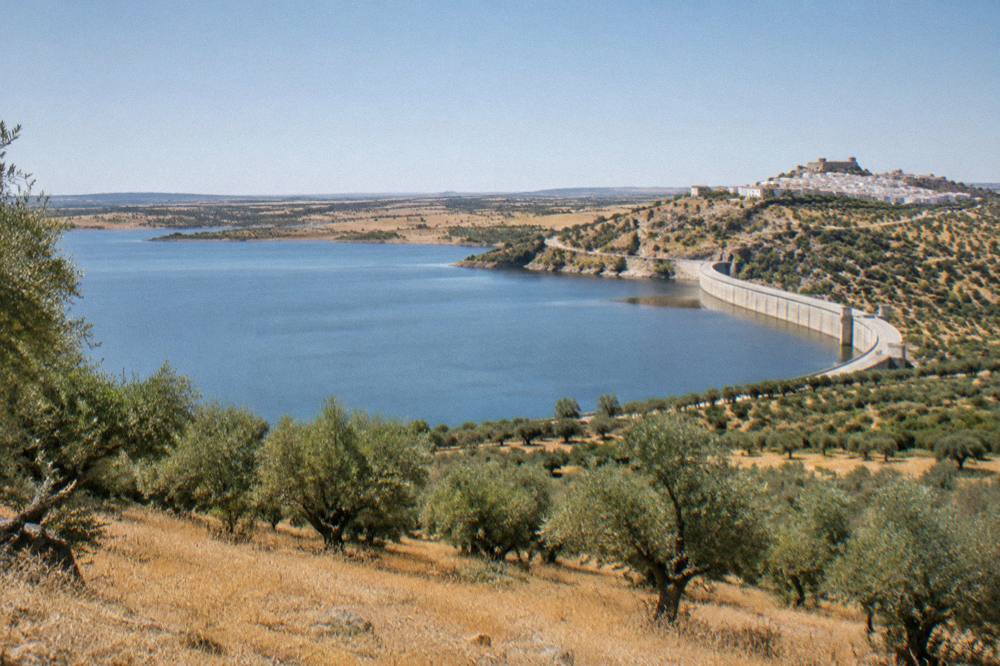
| Monsaraz | about 40-45 km | Hilltop village above the Alqueva lake |
| Estremoz | about 45 km | Marble and a hilltop castle |
| Vila Viçosa | about 60 km | Ducal palace and marble quarries |
| Elvas | about 80 km | Star-fort UNESCO fortifications |
| Marvão | about 120 km | Mountain-top walled village |
| Lisbon | about 130 km | Capital and main gateway to Évora |
No drive time, toll or fuel figure is printed for any of these, because none is verified; the rounded distances are all that can be stated. The best day trips from Évora guide and the Alentejo road trip guide build the loops out properly, and the Alentejo travel guide is the regional overview. For anyone still deciding whether the city justifies the journey at all, is Évora worth visiting answers that question directly.
What Guided Tours Make Sense Once You Arrive?
A walking tour on the first day and a countryside tour on the second is the pattern that works for most arrivals from Porto: the historic-centre options run from $13.51 per person for a flexible group walk up to $111.42 for a private tour with monument tickets included, while half-day trips to the megaliths, cork forests and wineries start around $33.76 and reach $112.55 for a full-day cork experience with lunch. Every price here is in US dollars from the operator's live listing.
The guided options at a glance:
| Tour | Duration | From price | Rating |
|---|---|---|---|
| Personal and flexible historic-centre walk | 3 hours | $13.51 | 4.8 from 105 reviews |
| Small-group cultural walk with Chapel of Bones | 2 hours | $77.66 | 4.9 from 141 reviews |
| Private walk with cathedral and Chapel of Bones | 2.5 hours | $111.42 | 5 from 106 reviews |
| Cromlech of Almendres and Great Dolmen of Zambujeiro | 3 hours | $33.76 | 5 from 54 reviews |
| Megalithic and cork forest guided tour | 4 hours | $50.65 | 4.9 from 41 reviews |
| Cork factory and cork farm, lunch included | 8 hours | $112.55 | 4.8 from 26 reviews |
| Monsaraz and wine guided tour | 4 hours | $78.78 | 4.6 from 51 reviews |
| Evening food and wine crawl | 3 hours | $83.28 | 4.6 from 19 reviews |
GuruWalk also runs genuinely free, tip-based walks in Évora, and naming the platform is the point: the Essential Free Tour of Évora, rated 4.93 from 774 reviews over two hours, and Évora Through History and How It Shaped The City, rated 4.88 from 74 reviews, are pay-what-you-want walks led by local gurus. They cost nothing to join and you tip the guru at the end. The Évora tours guide and the walking tour guide compare the whole range.
Common Questions About Travelling From Porto To Évora
Is there a direct train from Porto to Évora?
The through trains to Évora in CP's timetable valid since 6 September 2026 all depart from Lisboa Oriente, so the journey from Porto is planned as a connection in Lisbon rather than a single train. Check CP's booking pages for the current Porto to Lisbon services before committing to a date.
How long does the trip from Porto to Évora take?
The verified figure is only for the southern leg: CP's material gives about one hour forty to one hour forty-five minutes between Lisboa Oriente and Évora. The Porto to Lisbon portion depends on the service you book, so treat the whole crossing as a full travel day unless you break it with a stop.
Should I drive from Porto to Évora?
Driving is a reasonable option and gives you the Alentejo loop afterwards, but no drive time, toll or fuel figure for the full crossing can be stated here. Lisbon is about 130 km from Évora by road, and the driving guide covers the southern approach, while the Évora parking guide covers what to do with the car on arrival.
How much do the monuments in Évora cost?
The Sé's complete visit is 5.00 EUR, the Capela dos Ossos museum ticket is 7.00 EUR for an adult and the Museu de Évora is 8 EUR, all at official rates. The Évora Ticket pass costs 8 EUR for one day, 10 EUR for two and 12 EUR for three, but it does not include those three sites.
Is Évora too hot in summer for a visit from Porto?
IPMA's 1991 to 2020 normals for the Évora station show July averaging a mean daily maximum of 33.3 C and August 33.5 C, with 31.9 days a year at 35 C or more and a record of 45.4 C set on 4 August 2018. Summer visits are possible, but plan monuments for the morning and book air-conditioned accommodation.
Is one day in Évora enough after the journey from Porto?
One day covers the core inside the walls, the Sé, the Capela dos Ossos, the Templo Romano and the Praça do Giraldo, but two full days is the comfortable answer, with the second for the Museu de Évora, the aqueduct and a half-day out to the Cromeleque dos Almendres. The one day itinerary shows what a tight schedule looks like.
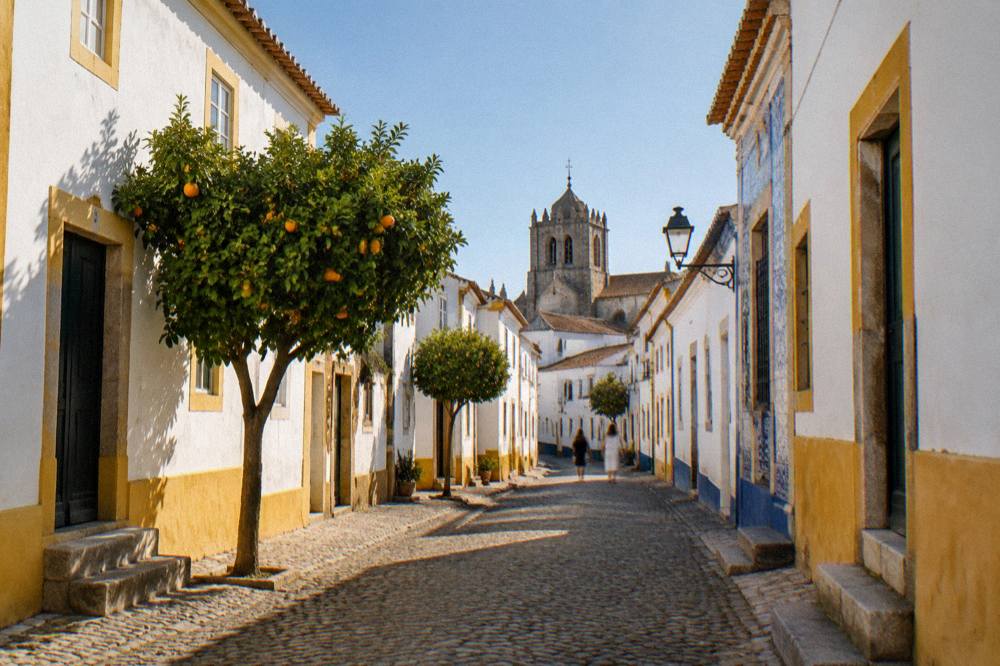
The crossing from Porto to Évora is a journey from Portugal's Atlantic north to its hottest inland plain, and the city at the end of it rewards the effort with Roman columns, a golden cathedral terrace, a bone chapel and a food culture that has nothing to do with the north. Plan the connection through Lisbon with a buffer, give Évora two days rather than one, and let the Alentejo do the rest.