Budget Hotels And Hostels In Évora: Cheap Stays In Portugal's Alentejo Capital
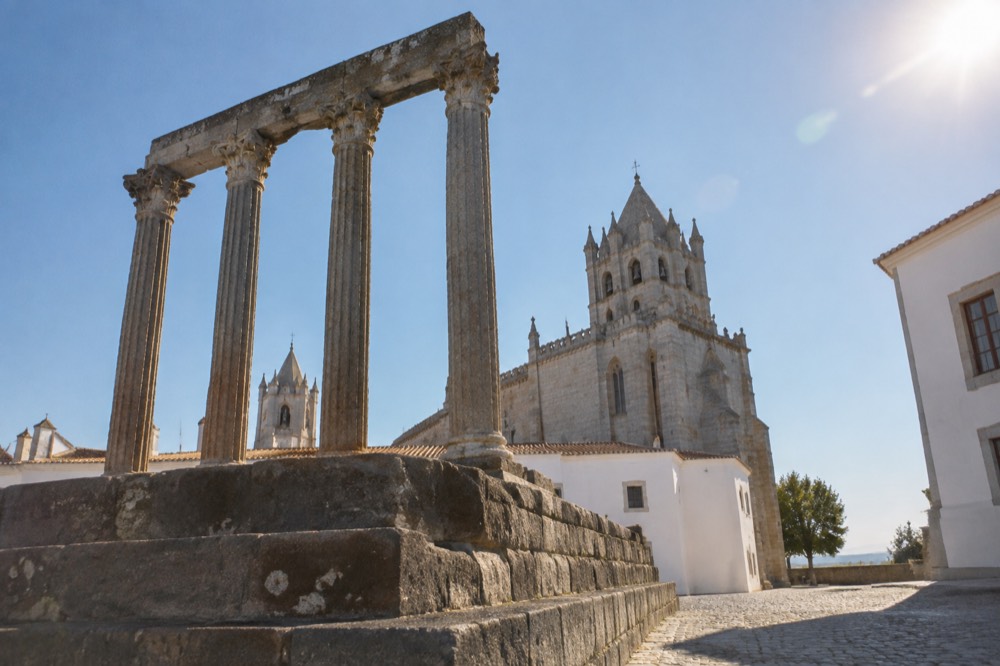
Évora, Portugal, is a small walled university city in the Alentejo where almost every bed lies within a fifteen-minute walk of the Templo Romano, which means a cheap room here buys more of the city than the same money buys in almost any other European capital of culture.
Short answer
Sleep inside or just outside the medieval walls, arrive by the CP Intercidades train from Lisbon for 13.90 EUR second class, and budget around the fixed monument prices: 5.00 EUR for the Sé, 7.00 EUR for the Capela dos Ossos, 8 EUR for the Museu de Évora, or 8 EUR for a one-day Évora Ticket covering a different set of sites.
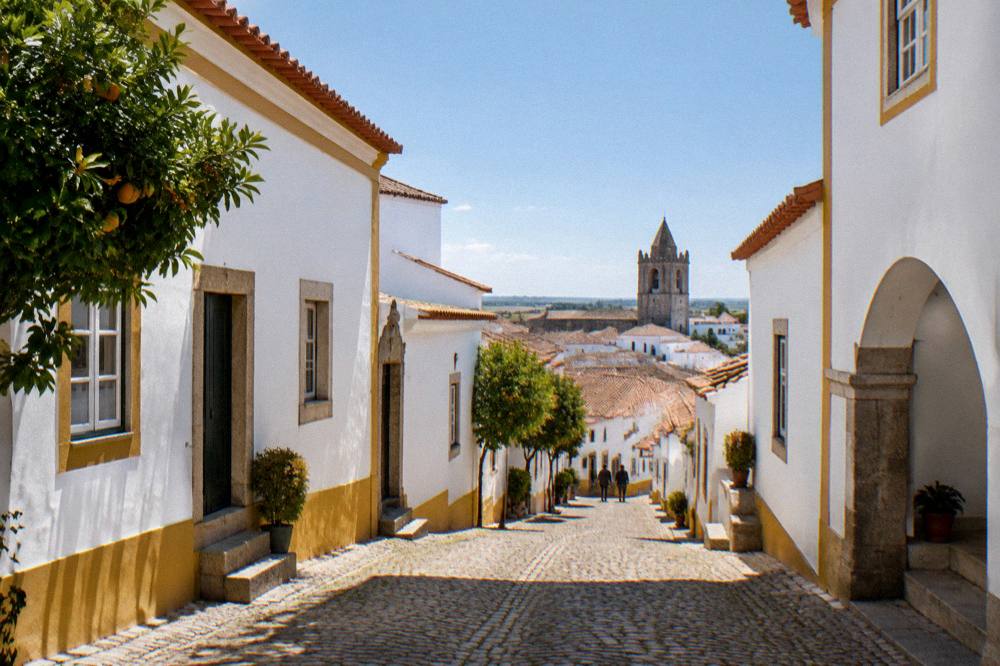
Évora, the capital of Portugal's Alentejo region and of the district of the same name, is one of the cheapest historic-city stays in western Europe, and the reason is structural rather than accidental. The whole UNESCO-listed core fits inside a medieval wall: a visitor sleeping anywhere inside it is, at most, a short walk from the Praça do Giraldo, the Sé, the Capela dos Ossos and the university quarter, so the expensive rule of "pay more to be central" barely applies. Budget beds sit inside the walls themselves, in converted townhouses a street or two off the main square, and the money saved on location can go into monuments, wine and a proper Alentejan dinner instead.
What Does A Budget Day In Évora Actually Cost?
The fixed costs of a day in Évora are unusually predictable: the Sé complete visit is 5.00 EUR, the Capela dos Ossos museum ticket is 7.00 EUR, the Museu de Évora is 8 EUR, and a one-day Évora Ticket covering a separate network of sites is 8 EUR, while the Templo Romano and the Praça do Giraldo cost nothing.
A visitor who walks the streets, sees the temple and the square, and picks one paid monument can hold a sightseeing day to a single-figure euro spend.
The bed is the variable. What this page can say about accommodation prices is that Évora's budget tier is genuinely budget: hostel dorm beds and simple rooms in the historic centre sit well below what the same category costs in Lisbon or Porto, because Évora is a small inland city, an hour and three quarters from the capital by rail, with a large student population from the University of Évora keeping the cheap end of the market honest. No specific nightly rate for any property can be quoted here, so treat the room as the one number to check on a booking listing and everything else as plannable in advance.
The table below is the part of a budget day that is actually fixed. These are the published official prices, read on the operators' own pages, and they do not move with the season.
| Site | Adult price | Notes |
|---|---|---|
| Sé de Évora, complete visit | 5.00 EUR | Cathedral, cloister, roof terrace and museum; children up to 12 free |
| Capela dos Ossos / Igreja de São Francisco | 7.00 EUR | One ticket for all museum areas; youth to 25 and seniors over 65 pay 5.00 EUR |
| Museu de Évora | 8 EUR | Closed Mondays; youth, seniors and families 50% off |
| Évora Ticket, one day | 8 EUR | Covers the Cidade-Museu network; the Sé, the Capela dos Ossos and the Museu de Évora are not included |
| Templo Romano | Free | Open-air monument |
| Praça do Giraldo | Free | Public square |
One warning that saves real money: the Évora Ticket does not include the three headliners. It is a pass for a different network, the Cidade-Museu sites, sold at each included site and at the tourist office. A visitor who buys it expecting the Capela dos Ossos will pay twice. For a fuller breakdown of city costs, see the companion page on what Évora costs.
Which Quarter Of Évora Should You Sleep In On A Budget?
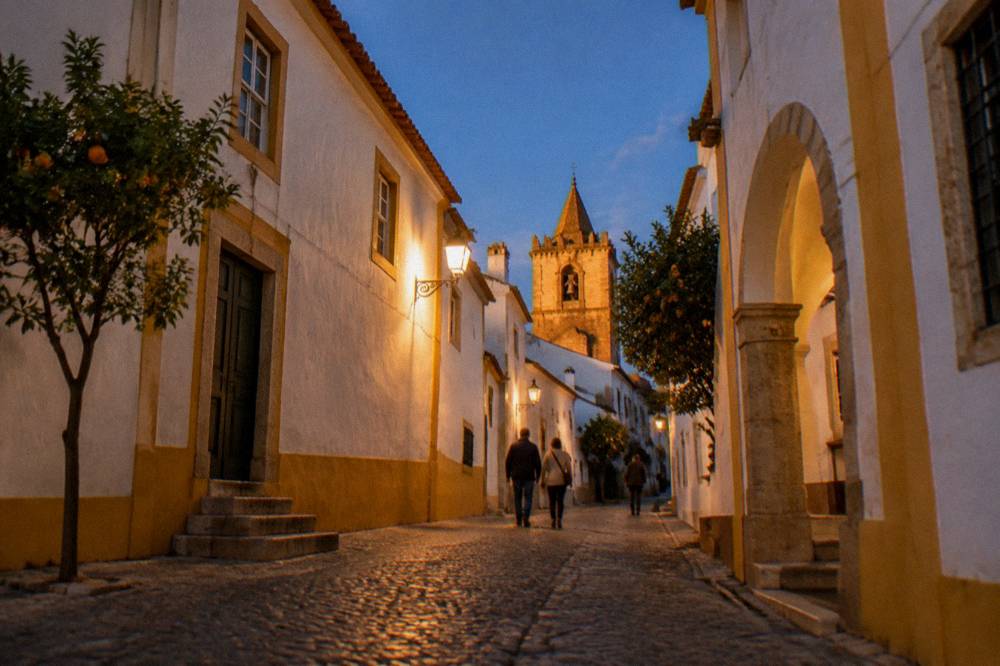
The cheapest useful base is inside the walls but off the Praça do Giraldo itself: the lanes around the Porta de Moura quarter and the streets between the university and the Rua de Alcárcova carry the small guesthouses and simple rooms, while the university quarter adds student-priced cafés and a livelier evening scene.
Outside the walls, the roads around the train station and the Rossio de São Brás hold the simpler properties, at the cost of a ten-to-fifteen-minute walk uphill into the centre.
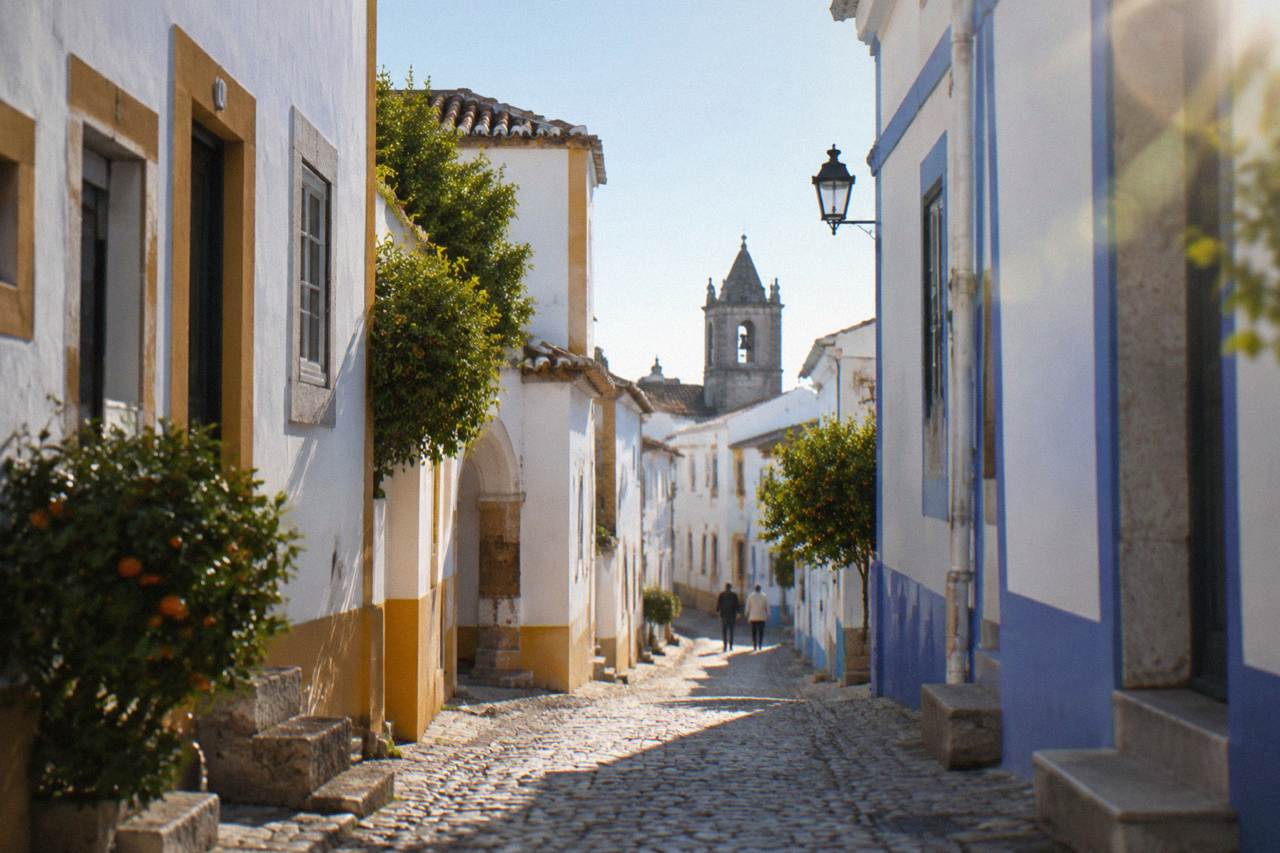
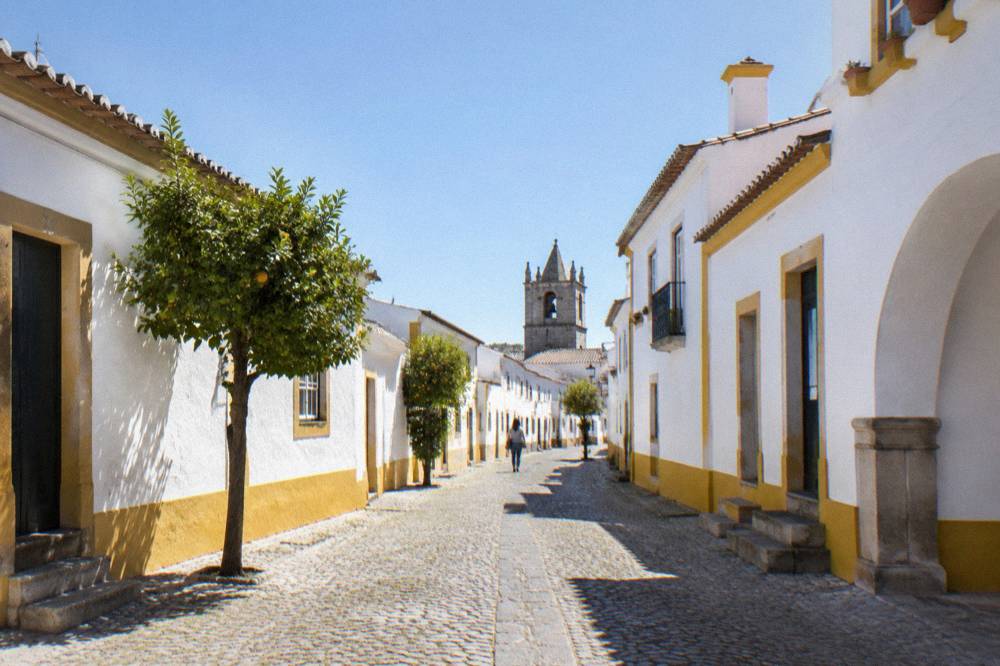
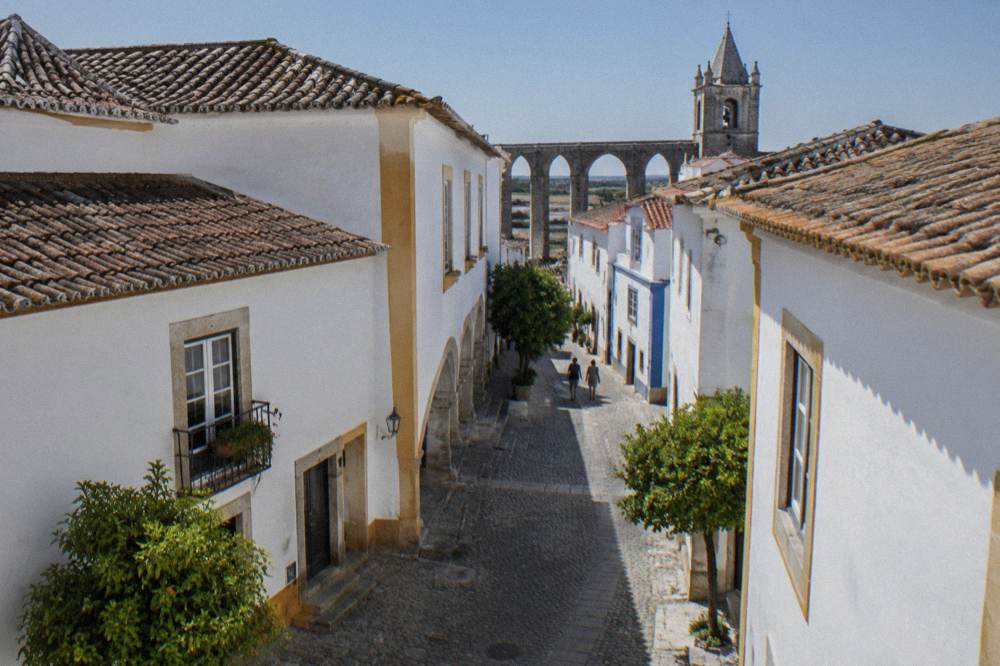
Inside the walls is where most budget travellers want to be, and the good news is that "inside the walls" is not a premium postcode here. The walled core is compact enough that a bed on its outer lane is still closer to the Sé than a Lisbon visitor in Baixa is to the castle. The character differs street by street: the lanes immediately off the Praça do Giraldo are the busiest and the most photographed, the Porta de Moura side is quieter and residential, with the Templo Romano and the aqueduct's arches threading through it, and the university quarter carries the Colegio do Espírito Santo's academic calendar in its rhythms.
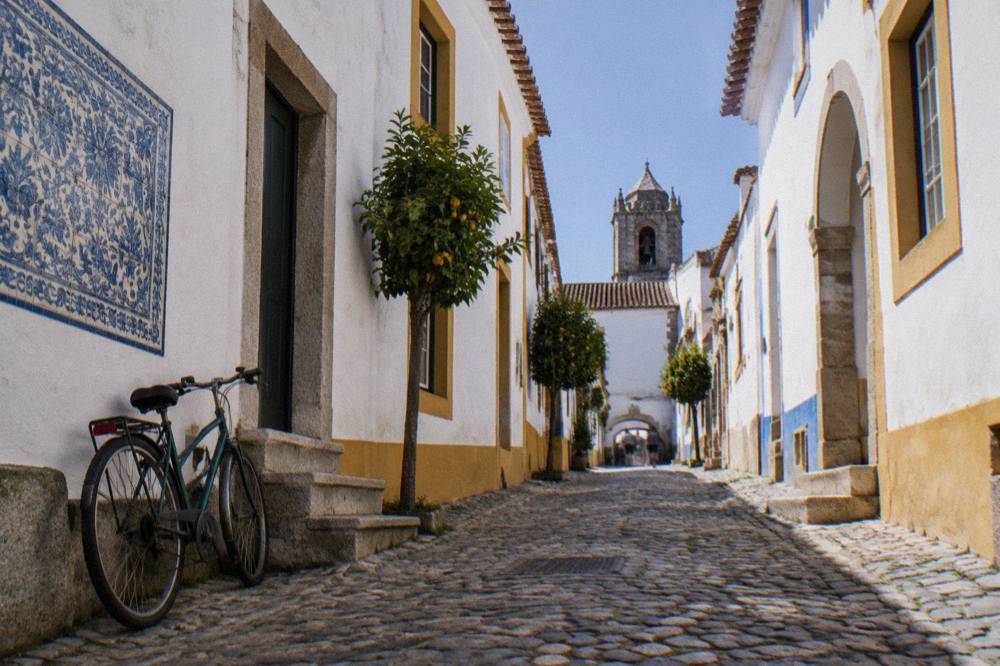
Outside the walls, the streets around the railway station and the long Rossio de São Brás esplanade hold the plainest and often cheapest beds. The trade is the walk: the centre sits on a low hill, and the return trip at the end of a hot day is uphill. For a city of this size, no quarter is genuinely far, and no quarter carries a safety concern worth planning around; the practical differences are noise, evening atmosphere and the price of the walk, not risk. The fuller neighbourhood-by-neighbourhood picture, including the mid-range and luxury tiers, sits on the where to stay in Évora page.
| Quarter | Character | Budget fit |
|---|---|---|
| Around Praça do Giraldo | Busiest, most central, arcaded café square | Convenient, noisiest, rarely the cheapest |
| Porta de Moura and the aqueduct lanes | Quiet residential streets, Templo Romano nearby | Strong value inside the walls |
| University quarter | Colegio do Espírito Santo, student cafés, evening life | Good budget food nearby |
| Around the train station, outside the walls | Plain properties, flat ground | Cheapest beds, uphill walk in |
A cheap bed inside the walls also buys something a day-tripper never gets: Évora at night, when the tour groups have gone and the walls belong to the people staying in them. The evening side of the city is a real argument for the overnight stay.
Because the cheapest way to waste money in a compact city is to see it badly, a guided walk is the natural first spend after the bed.
Is It Cheaper To Stay Overnight Or To Day-Trip In From Lisbon?
The CP Intercidades train from Lisboa Oriente to Évora costs 13.90 EUR second class and 18.50 EUR first class each way, with six through trains a day under the timetable valid since 6 September 2026. One night in a budget bed in Évora typically costs less than the second day's return fare plus a Lisbon dinner, and it buys the evening and the early morning.
The train is the budget traveller's friend here. The timetable valid since 6 September 2026 lists six through departures from Lisboa Oriente, at 07:02, 09:02, 09:58, 13:35, 17:02 and 19:02, arriving in Évora about one hour forty to one hour forty-five minutes later. The first arrival lands before 09:00, which makes even a day-trip workable, but the same timetable makes an overnight stay painless: the 19:02 return reaches Lisbon at 20:46, and an evening train after a full second day is the schedule that turns a rushed visit into a real one.
| Lisboa Oriente departure | Évora arrival | Second-class fare |
|---|---|---|
| 07:02 | 08:47 | 13.90 EUR |
| 09:02 | 10:45 | 13.90 EUR |
| 09:58 | 11:40 | 13.90 EUR |
| 13:35 | 15:13 | 13.90 EUR |
| 17:02 | 18:41 | 13.90 EUR |
| 19:02 | 20:46 | 13.90 EUR |
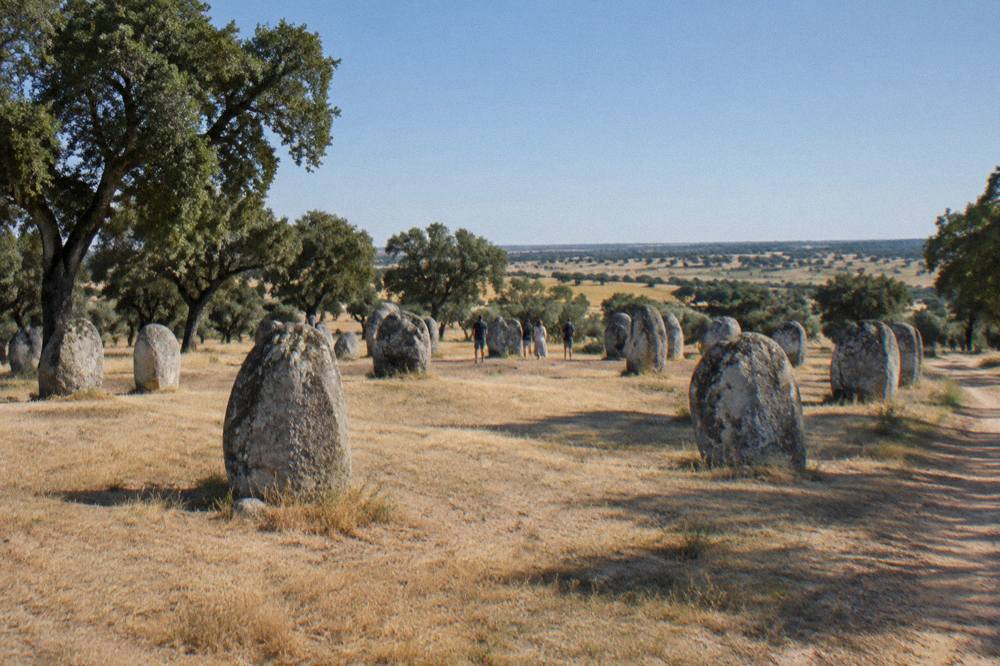
The arithmetic favours the overnight stay for anyone with two days. A day-tripper pays the return fare, eats two meals at tourist hours in the busiest square, and leaves on the late afternoon train having seen the city only at its most crowded. A visitor with a bed inside the walls spends the evening in the lanes, the early morning in an empty Praça do Giraldo, and the second day on a day trip of their own, to Monsaraz or the Almendres cromlech, before the 19:02 home. The full route picture, including the coach alternatives, is on the Lisbon to Évora and train pages.
Do You Need A Car When Staying In Évora?
No car is needed for Évora itself: the walled centre is a walking city, every monument named on this page sits within it, and the train station is a short walk from the walls. A car, or a seat on a guided day tour, only starts to pay for itself for the Alentejo beyond the walls, the megalithic sites, Monsaraz, Estremoz and the marble towns, where public transport is thin.
The economics are simple. A budget traveller who sleeps inside the walls and walks everywhere spends nothing on urban transport at all, because there is no urban transport worth taking: the centre is that small. Parking a car inside or beside the walls, by contrast, is a cost and a constraint, and the parking guide exists precisely because arriving drivers find the walls awkward. The honest budget answer is to arrive by train and walk.
The exception is the Alentejo countryside. Monsaraz is about 40-45 km away, Estremoz about 45 km, Vila Viçosa about 60 km. For a visitor without a car, a guided tour is the way to reach these, and it is often cheaper than a rental day once fuel and parking are counted. The day trips from Évora page lays out the full menu.
| Destination from Évora | Rough distance | Reachable without a car? |
|---|---|---|
| Almendres Cromlech | Interpretation centre turn-off about 8 km out | Guided megaliths tours run from Évora |
| Arraiolos | about 20 km | Limited; tour or car |
| Monsaraz | about 40-45 km | Guided Monsaraz tours from Évora |
| Estremoz | about 45 km | Guided or self-drive |
| Vila Viçosa | about 60 km | Guided or self-drive |
| Lisbon | about 130 km | Direct train, six through services |
When Is The Cheapest Good Time To Stay In Évora?
The shoulder months are the budget sweet spot: IPMA's 1991-2020 normals for the Évora station show April, May, October and November with mean maxima of 20.7, 25.0, 24.1 and 17.6 C and far fewer extreme-heat days than midsummer, while July and August average 33.3 and 33.5 C with 23.7 and 25.0 days at 30 C or more respectively, which is why summer beds sell for their peak and summer days start at dawn.
Évora is an inland city with no sea to moderate it, and the climate table rewards a careful read. The 1991-2020 averages put the record high at 45.4 C, set on 4 August 2018, and the year at 31.9 days with a maximum of 35 C or more, most of them in June, July and August. A budget traveller in high summer spends money on water, shade and early starts that a spring visitor spends on nothing at all. Rain is the winter trade-off: November and December average 86.0 and 85.1 mm, against 2.7 mm in July, but the rain-day counts, 8.8 and 8.7 days of 1 mm or more, leave most of a winter week dry. The wider set of guides lives on Évora Travel Guide.
| Month | Mean max (C), 1991-2020 | Mean min (C) | Rain (mm) | Days at 30 C+ |
|---|---|---|---|---|
| April | 20.7 | 8.5 | 62.1 | 0.3 |
| May | 25.0 | 10.9 | 46.6 | 5.5 |
| June | 30.2 | 13.8 | 10.6 | 15.1 |
| July | 33.3 | 15.6 | 2.7 | 23.7 |
| August | 33.5 | 16.0 | 6.0 | 25.0 |
| September | 29.5 | 14.6 | 33.9 | 13.9 |
| October | 24.1 | 12.3 | 81.5 | 2.9 |
| November | 17.6 | 7.9 | 86.0 | 0.0 |
There is also a calendar reason to watch 2027. Évora and the Alentejo are a European Capital of Culture in 2027, with 2026 running as a preparation year built on the concept of "Vagar". A city in that position fills up as the programme publishes, so the cheap beds of late 2026 and early 2027 are, in effect, a deadline. The best time to visit and weather pages carry the full picture.
How Do You Book A Cheap Bed In Évora Without Getting It Wrong?
Book direct where possible, read the listing's cancellation terms before paying, and expect a small municipal tourist tax on top of the room rate, a per-night charge the hotel collects at check-out. The two practical booking rules are to confirm the bed is inside or just outside the walls, and to avoid non-refundable rates in a city whose budget tier rarely sells out.
The tourist tax is the detail that surprises people. A municipal tourist tax applies to overnight stays in Évora under the 2025 municipal notice, and because the figure was not read on the official page, the honest instruction is simply to ask the hotel what it currently is and budget a small extra line for it. It applies to stays, not to day visits, which is one more quiet argument for the day-trip arithmetic, and one more line the overnight planner should carry.
Beyond the tax, the booking mechanics are ordinary. Listings show the real nightly rate and the cancellation window; a city of about 53,000 people with a large student population keeps a steady supply of simple rooms, and the pressure points are few and predictable: the Feira de São João, which in 2026 ran from 23 June to 5 July at the Rossio de São Brás, and the build-up to the 2027 Capital of Culture programme. Anyone travelling in late June or in 2027 itself should book earlier than the calendar would otherwise suggest. For the mid-range and spa tiers, the best hotels and spa hotels pages cover the ground; the Alentejo-wide picture, for a road trip with Évora as one stop, is on the Alentejo hotels page.
What Can You Do In Évora For Free?
The free core of Évora is substantial: the Templo Romano, probably dedicated to the imperial cult according to the municipal page rather than to Diana, the Praça do Giraldo, the Rua das Casas Pintadas lanes, the Água de Prata aqueduct arches threading through the Porta de Moura quarter, the university's Colegio do Espírito Santo court, and the free tip-based walking tours run on GuruWalk, which cost nothing up front and are tipped at the end.
The free list is longer than most visitors expect, and it is not filler. The Templo Romano, 25 by 15 metres, once reused as a municipal butcher's shop before its walls were freed in 1870, stands open to the sky in a public square. The aqueduct's arches have houses built between them, a street-level spectacle that costs nothing and appears on half the postcards of the city. The university court, the walled lanes and the Praça do Giraldo's arcade complete a day that no ticket office touches.
The GuruWalk tours deserve a specific mention because they invert the usual economics. The Essential Free Tour of Évora, rated 4.93 from 774 reviews and running about two hours, is booked free and paid by tip at the end; the History and Heritage walk and the "Évora through history" walk, both around two hours, work the same way. These are not this site's products, they are GuruWalk's, led by a local guru you tip what the walk was worth, and for a traveller on a strict budget they are the single best value in the city. The fuller free list, including what the free things to do page covers, is worth a read before any paid ticket.
Is A Budget Stay In Évora Better Value Than Sintra Or Lisbon?
Évora beats both on cost per atmosphere for one simple reason: it is a genuine small city that prices itself for its students and its region, while Sintra prices itself for its day-trip crowds and Lisbon for its capital status; Évora's monuments cost 5.00 and 7.00 EUR against a comparable list in either, its beds sit in a lower band, and its compactness means no transport spend at all, though it offers no coast and no palace density, so the comparison is about value, not superiority.
The honest framing is a trade, not a verdict. Lisbon gives scale, Sintra gives density of palaces, Évora gives a walled, walkable, whitewashed city where the budget stretches further and the crowds thin out the moment the day-trippers board the 17:02. A traveller deciding between them can read the head-to-head on the Évora versus Sintra page, and the general is Évora worth visiting case for the city's famous sights.
For the food side of the budget, Évora is kind. The Alentejo is Portugal's land of bread, cheese, pork and red wine, and the city's taverns price for locals as much as for visitors. The restaurants, food and Alentejo dishes pages cover the eating ground; the Alentejo wine page covers what to drink with it.
How Much Should You Budget Beyond The Bed?
Plan the beyond-the-bed spend in three fixed blocks: monuments at 5.00 to 8 EUR each depending on choice, one guided experience from about $13.51 for a flexible historic-centre walking tour up to about $61.90 for a sidecar tour with wine tasting, and food, where a self-assembled tavern day is the cheapest way to eat well in the Alentejo. A two-night stay with one paid monument, one guided walk and honest tavern meals is a realistic low-hundreds trip before the room.
The guided options are where a budget traveller can spend a little and get a lot. Check availability
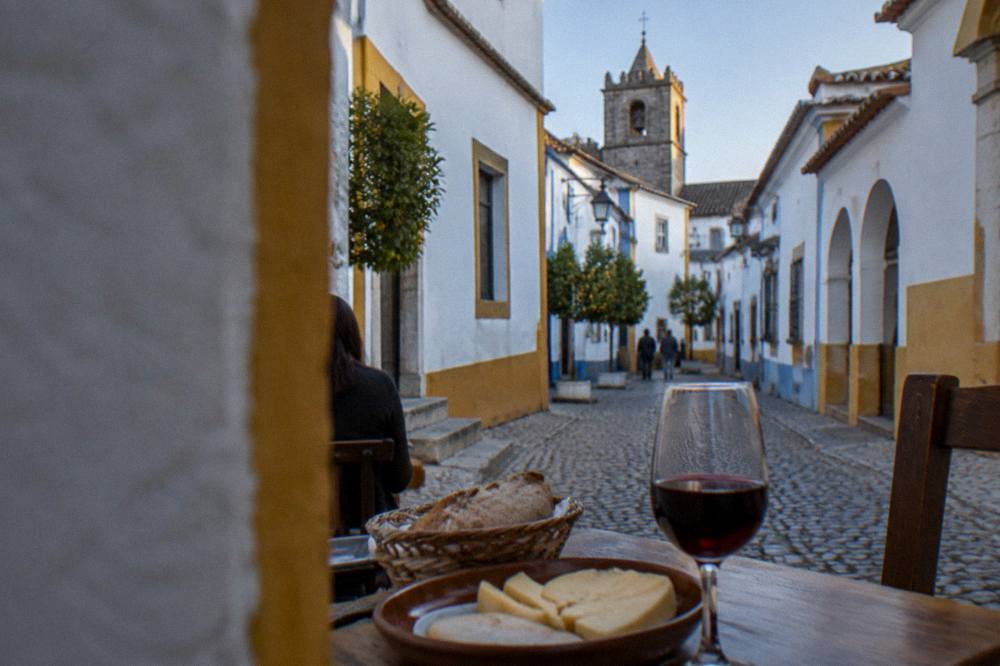
At the top of the budget range, the medieval sidecar tour with wine tasting, from $61.90 per person and rated 4.9 from 16 reviews, turns the same streets into a slow loop with a tasting at the end, and it is the one splurge that fits a cheap trip without breaking it. The full menu of guided options, including the free GuruWalk walks and the day trips into the Alentejo, is on the Évora tours overview.
| Spend block | Cheapest realistic option | Notes |
|---|---|---|
| Monuments | Templo Romano and Praça do Giraldo, free | One paid monument from 5.00 EUR |
| Guided walk | Flexible historic-centre walk, from $13.51 | Free GuruWalk tip-based walks also run |
| Full walking tour | Évora Walking Tour, from $53.90 | Rated 4.8 from 37 reviews |
| Splurge | Sidecar tour with wine tasting, from $61.90 | Rated 4.9 from 16 reviews |
| Train from Lisbon | 13.90 EUR second class each way | Six through services on the current timetable |
Common Questions About Budget Stays In Évora
Is there a hostel in Évora, Portugal?
Yes, Évora has budget beds and simple guesthouse rooms in and around the walled historic centre, kept honest by the city's large student population. No individual property is named or priced on this page; check a booking listing for current rates, and confirm the bed is inside or just outside the medieval walls.
Is it expensive to stay in Évora?
No. The city's fixed sightseeing costs are low, 5.00 EUR for the Sé, 7.00 EUR for the Capela dos Ossos, 8 EUR for the Museu de Évora, and its budget accommodation tier prices below Lisbon and Porto. A small municipal tourist tax applies to stays; check the amount with your hotel.
Can you visit Évora cheaply as a day trip from Lisbon?
Yes. The CP Intercidades train from Lisboa Oriente costs 13.90 EUR second class each way, with six through services a day under the timetable valid since 6 September 2026, taking about one hour forty to one hour forty-five minutes. An overnight stay, though, usually beats the second day's return fare and buys the evening and early morning.
What is the cheapest area to stay in Évora?
The plainest properties cluster outside the walls around the train station and the Rossio de São Brás, a short uphill walk from the centre. Inside the walls, the Porta de Moura quarter and the lanes off the Rua de Alcáçova often match those prices while keeping every monument on foot.
Are there free walking tours in Évora?
Yes. GuruWalk runs free, tip-based walks of about two hours, including The Essential Free Tour of Évora, rated 4.93 from 774 reviews, and a history and heritage walk. You pay nothing on booking and tip the guru at the end.
Do I need a car in Évora?
No. The walled centre is entirely walkable and the train station is close to the walls. A car or a guided tour only matters for the Alentejo beyond the city, such as the Almendres Cromlech, Monsaraz and the marble towns, where public transport is thin.
A cheap bed inside the walls of Évora is the rare budget travel decision that costs nothing in experience: the city is small enough to walk, cheap enough to eat well in, and, with the 2027 European Capital of Culture year approaching, better booked sooner than later.