Free Things To Do In Évora
The Templo Romano, the Praça do Giraldo, the medieval walls and a tip-based GuruWalk through the UNESCO-listed centre: most of Évora's best-known sights cost nothing at all.
Short answer
The Templo Romano, the Praça do Giraldo, the Roman and medieval walls, the Jardim Público and the historic streets of the UNESCO centre are all free and open public spaces. The Capela dos Ossos and the Sé de Évora are paid. Four tip-based GuruWalk walking tours run in the city, and the Museu de Évora is free on Sundays and public holidays for residents in Portugal.
Évora, the small inland capital of Portugal's Alentejo region, gives an unusual amount of itself away for nothing. The UNESCO-listed historic centre is a walkable web of public streets, its most photographed monument, the Templo Romano, stands in an open square with no fence and no ticket desk, and a cluster of tip-based GuruWalk tours covers the city's history at a price the visitor sets. The paid sights, the Sé de Évora and the Capela dos Ossos among them, are real and worth their tickets, but a full day in Évora can be built almost entirely from free things, and this guide lays out exactly which ones.
What Is Genuinely Free In Évora?
The Templo Romano, the Praça do Giraldo, the Roman and medieval town walls, the Jardim Público, the Água de Prata aqueduct arches that run through the streets, and every public lane of the UNESCO-listed centre cost nothing to see, because they are open civic spaces rather than ticketed attractions. The Capela dos Ossos, the Sé de Évora and the Museu de Évora are the main paid sights, and none of them is included in the Évora Ticket pass either.
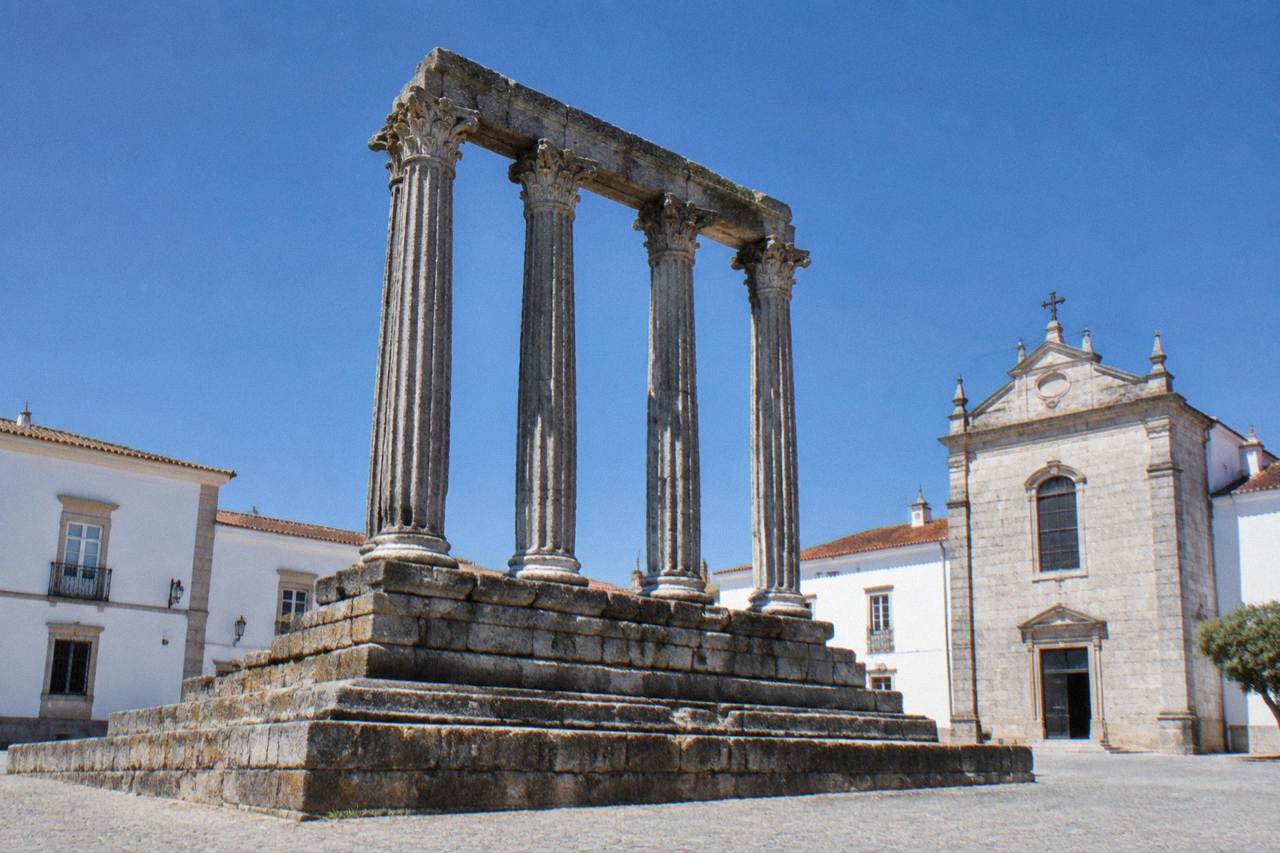
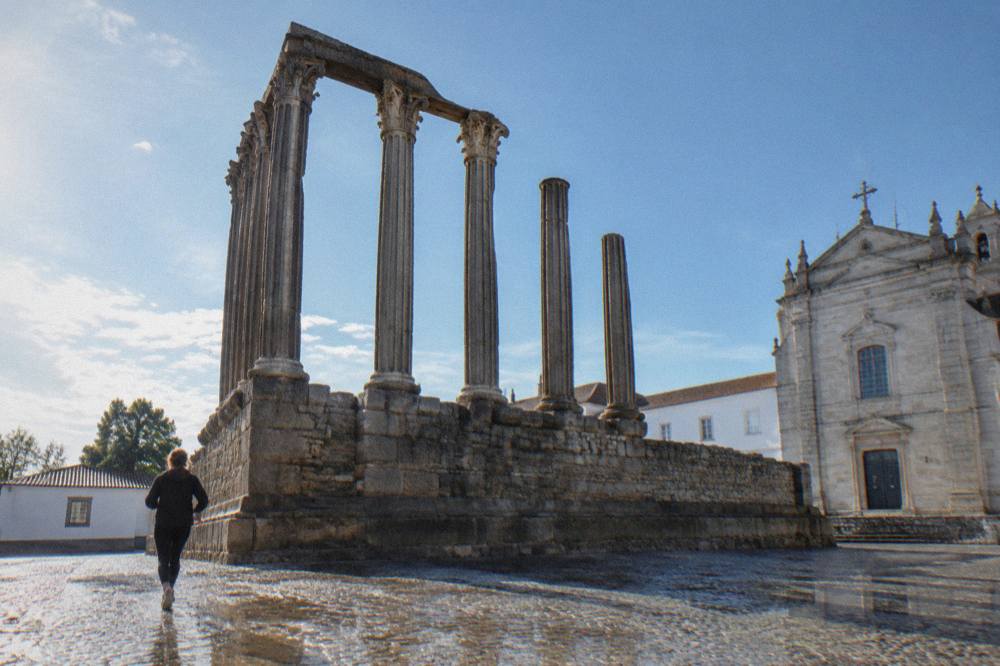
That split is the single most useful thing to understand about budgeting a visit. Évora's fame rests on atmosphere and streetscape as much as on interiors. The municipal page for the Templo Romano records that the temple, popularly called the Temple of Diana since the 17th century, was probably dedicated to the imperial cult rather than to the goddess, that it measures 25 x 15 m, and that it was reused for centuries as a municipal butcher's shop before its walls were freed in 1870. All of that is visible from the open square, at no cost, at any hour.
The same logic applies to the walls. Évora kept its medieval circuit, and stretches of earlier Roman fortification survive within it, so a walk around the outside of the city is a free monument tour in itself. The aqueduct is the most striking case: the Água de Prata's arches pass straight through residential streets, and houses were built into and under them, so seeing the best of it costs nothing beyond the walk. No hours or prices are published for the aqueduct as a visitor attraction, and none are needed, because it is simply part of the street.
| Sight | Free or paid | What it costs |
|---|---|---|
| Templo Romano | Free | Open-air public square |
| Praça do Giraldo | Free | Public square |
| Roman and medieval walls | Free | Open circuit |
| Água de Prata aqueduct arches | Free | Public streets |
| Jardim Público | Free | Public garden |
| Sé de Évora complete visit | Paid | 5.00 EUR |
| Capela dos Ossos museum ticket | Paid | 7.00 EUR adult |
| Museu de Évora | Paid, with free days | 8 EUR adult |
For a fuller rundown of the paid and unpaid sides together, the things to do in Évora overview covers the whole range, and the Évora cost and budget guide prices a complete trip.
Which Squares And Streets Are Worth Walking For Free?
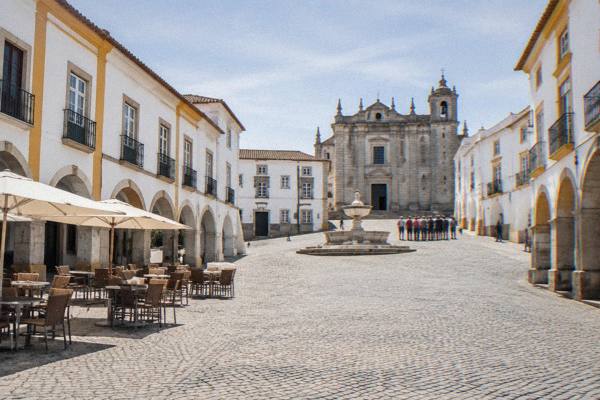
The Praça do Giraldo is Évora's main square and the free heart of the city, ringed with arcaded buildings and the Santa Maria fountain, and from it the key free walks fan out: Rua 5 de Outubro toward the Sé, the Rua de Alcáçova past the Templo Romano, and the old Jewish quarter lanes around the Praça do Giraldo's back streets, all inside the UNESCO boundary and all open at any time of day.
The Praça do Giraldo is a public square, which sounds like a thin claim until you stand in it. It is the city's living room, the place where the tourist office sits at number 73, and the natural starting point for every free route through town. No hours or entry conditions apply, because none can: it belongs to everyone.
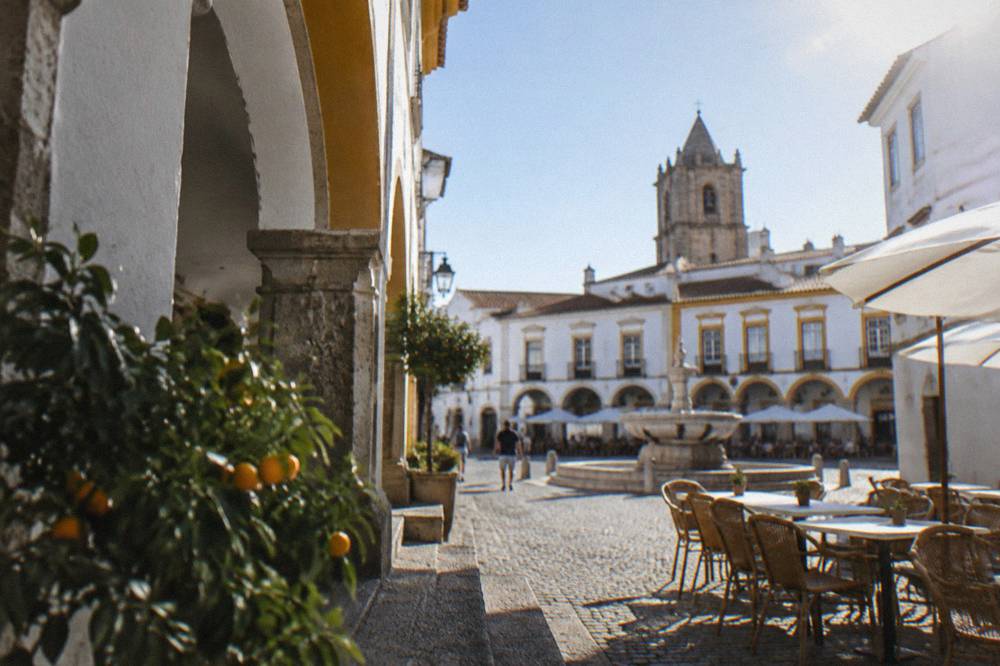
From the square, the free walking routes are obvious on the ground. The lane toward the Sé climbs gently past shops and restaurants. The Rua de Alcáçova drops toward the Templo Romano and the walls. The narrow lanes of the former Jewish quarter hold the city's quietest free sightseeing, with medieval doorframes and stone symbols that a guide can point out but a map cannot. The where to stay in Évora guide explains which of these streets make the best base, since staying inside the walls puts the whole free circuit on your doorstep.
A structured walk adds context that pavement alone does not, and the guided options below cover that ground with a local explaining it.
Is The Chapel Of Bones Free To Visit?
No, the Capela dos Ossos is not free. The Igreja de São Francisco's own page lists one museum ticket covering the chapel and all the museum areas at 7.00 EUR for an adult, 5.00 EUR for youth up to 25 and seniors over 65, and 15.00 EUR for a family, with summer hours 9:00-18:30 and winter hours 9:00-17:00, open daily except 1 January, Easter Sunday, the afternoon of 24 December and 25 December.
The chapel is the one sight many visitors assume is free, because its exterior sits on a public street and the church holds regular masses, listed on the parish's own page at 11:30 Monday to Saturday and 9:00 and 12:00 on Sundays. Attending mass is a different matter from museum visiting, and the museum ticket is what buys entry to the chapel itself. The full breakdown of what is free and what is not sits in the dedicated is the Chapel of Bones free answer.
The budget alternative is honest and simple: the church's street frontage, the Praça do Giraldo five minutes away and the walls walk cost nothing, and the chapel's paid interior is the one place in the centre where a ticket genuinely cannot be avoided. Visitors who want both the free streets and the paid interiors handled for them often take the private walking tour with cathedral and Chapel of Bones, which builds the ticketed monuments into a single guided route.
Are There Free Views Over Évora?
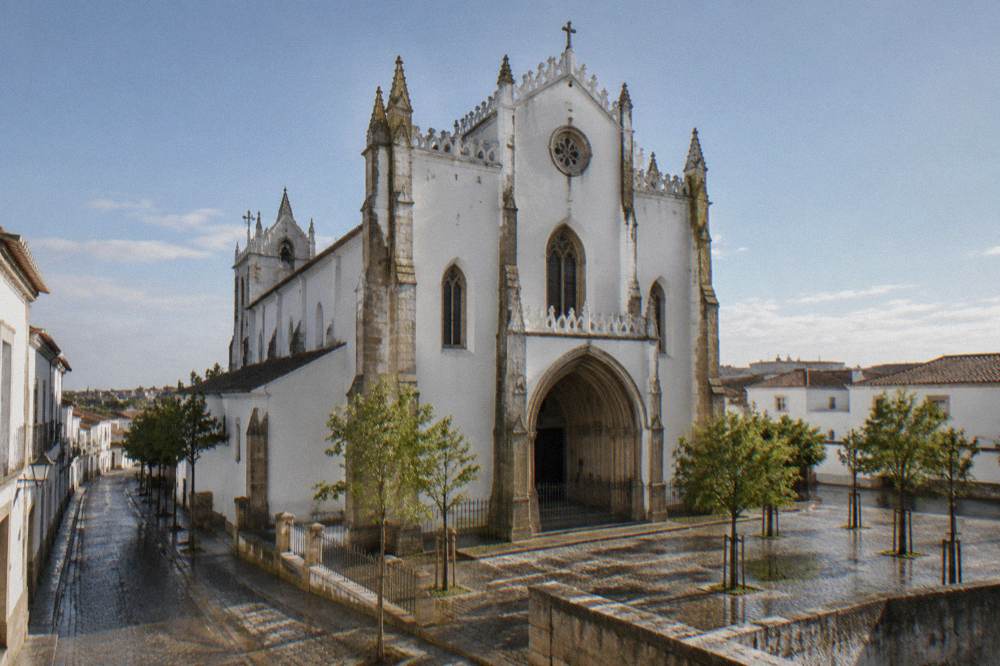
Yes, but not from the Sé's roof terrace, which is part of the 5.00 EUR complete-visit ticket. The free views come from the wall circuit outside the city, from the open ground around the Templo Romano, and from the upper end of the Jardim Público, all public spaces with no ticket, no fence and no published hours, and each giving a different angle over the red roofs and the plain beyond.
The Sé's rooftop is the famous panorama, and it is a paid one, sold only as part of the cathedral's complete-visit ticket, with no cheaper roof-only tier on the official page. What remains free is nearly as good. The wall walk looks across the rooftops from outside the city, the temple square frames the cathedral's bulk against the sky, and the public garden's higher ground opens toward the south. None of these is a secret, but all of them are free at any hour, which a rooftop terrace with opening hours cannot be.
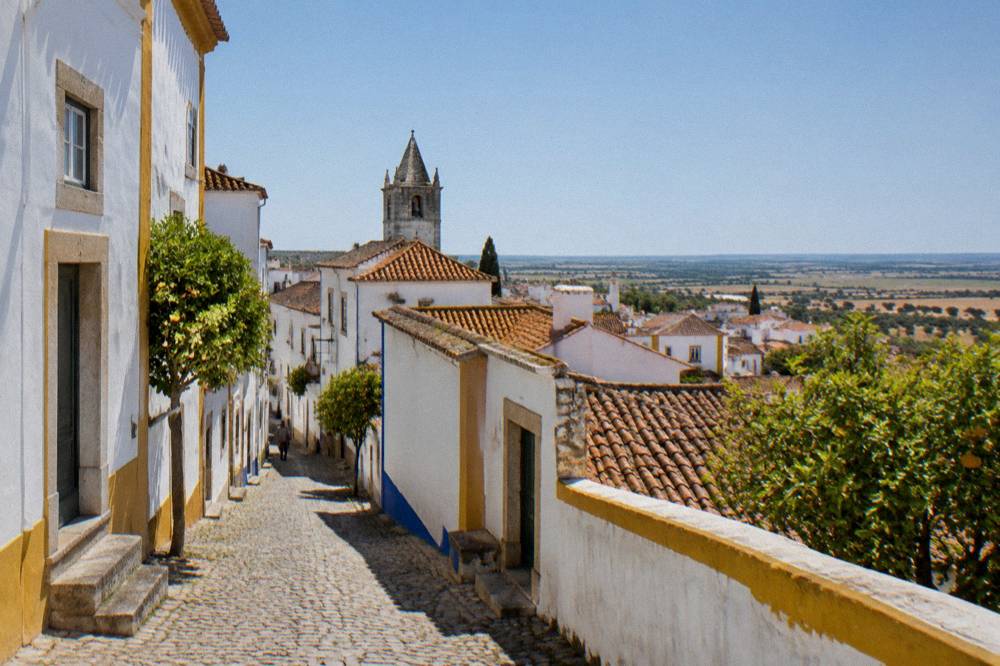
The light matters here. IPMA's 1991 to 2020 normals for the Évora station show a July mean maximum of 33.3 C and an August mean of 33.5 C, with 31.9 days a year reaching 35 C or more, so the free outdoor viewing is best early and late in summer and generous all day from autumn to spring. The Évora weather guide carries the full monthly table, and the best time to visit Évora guide matches the free-outdoor itinerary to the seasons.
Which Museums In Évora Have Free Days?
The Museu de Évora is free on Sundays and public holidays for residents in Portugal, per the Câmara Municipal's museum page, with a normal adult ticket of 8 EUR and hours 9:30-13:00 and 14:00-17:30 Tuesday to Sunday, closed Mondays. The Évora Ticket pass, at 8 EUR for one day, 10 EUR for two and 12 EUR for three, covers a different network of sites and does not include the Museu de Évora, the Sé or the Capela dos Ossos.
That last point is worth underlining, because the pass is often mistaken for a city-wide card. The Évora Ticket's own page lists its included sites, among them the Colégio do Espírito Santo, the Palácio de Dom Manuel, the Museu da Misericórdia and the Centro Interativo de Arqueologia, and the three headline sights are absent from that list. A visitor relying on the pass to cover the Sé and the bones chapel will be buying those tickets separately regardless. The wider set of guides lives on Évora Travel Guide.
| Ticket | Price | What it covers |
|---|---|---|
| Museu de Évora adult | 8 EUR | One museum, free Sundays and holidays for residents in Portugal |
| Sé de Évora complete visit | 5.00 EUR | Cathedral, cloister, roof terrace, museum |
| Capela dos Ossos museum ticket | 7.00 EUR | Chapel and all museum areas |
| Évora Ticket one day | 8 EUR | Cidade-Museu network sites, not the three above |
| Évora Ticket two days | 10 EUR | Same network, two days |
| Évora Ticket three days | 12 EUR | Same network, three days |
For the free-only visitor, the museum question has a clean answer: the museum's own free days apply only to residents in Portugal, so most visitors pay, and the genuinely free culture in Évora is the city itself, its walls, its streets and its open monuments.
Are There Free Walking Tours In Évora?
Yes, four tip-based GuruWalk tours run in Évora, all free to join with payment by tip at the end: the Essential Free Tour of Évora, rated 4.93 from 774 reviews and lasting about two hours, the History and Heritage walk, the Évora through history walk, and the Roman Ebora walk, each about two to two and a half hours with a local guru leading.
GuruWalk is named here deliberately, because these are not this site's tours and the platform is the honest way to describe them. The Essential Free Tour is the flagship: two hours with a local guru, tip-based, and the most-reviewed free walk in the city. The Roman Ebora walk takes the same streets and tilts them toward the Roman city, Ebora, that lies underneath the medieval one. A free walk is the single best free thing to do in Évora for a first-time visitor, because it converts the open streets, which cost nothing, into explained streets, which cost whatever the walker decides at the end.
| GuruWalk free tour | Length | Rating |
|---|---|---|
| The Essential Free Tour of Évora | 2 hours | 4.93 from 774 reviews |
| Évora Walking Tour: History & Heritage | 2 hours | 5 from 9 reviews |
| Évora through history and how it shaped the city | 2 hours | 4.88 from 74 reviews |
| Mystical Journeys Évora: Roman Ebora | 2.5 hours | 5 from 1 review |
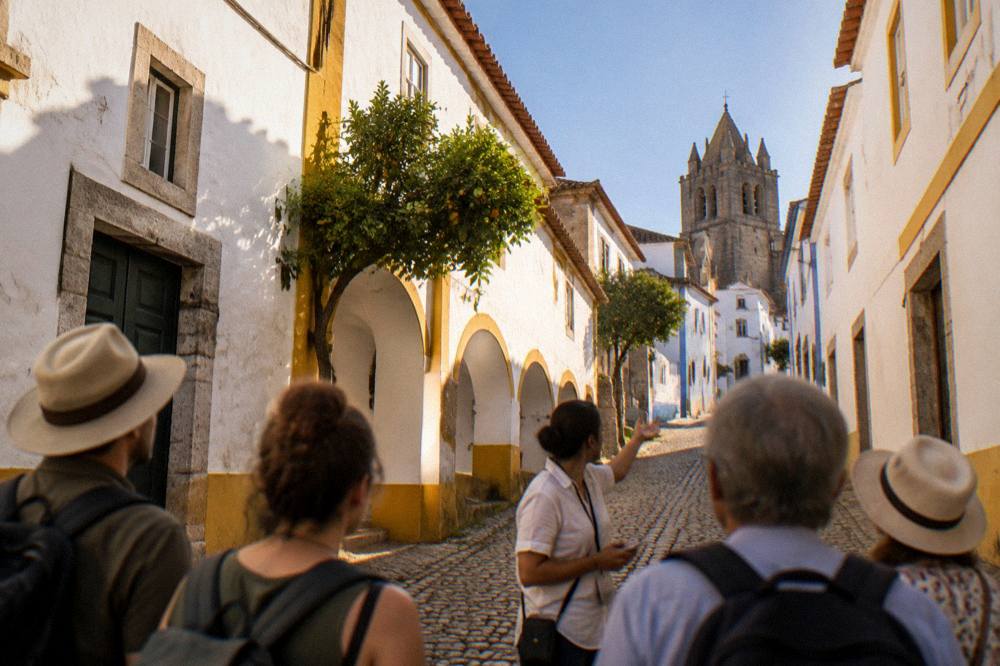
The free walks sit at one end of a range. At the other end sits the private walking tour with cathedral and Chapel of Bones, which folds the paid monuments into a guided route, and between them the small-group cultural walking tour and the sidecar tour cover the same streets by different means. The Évora tours guide compares them all.
What Free Things Are There Outside The City Walls?
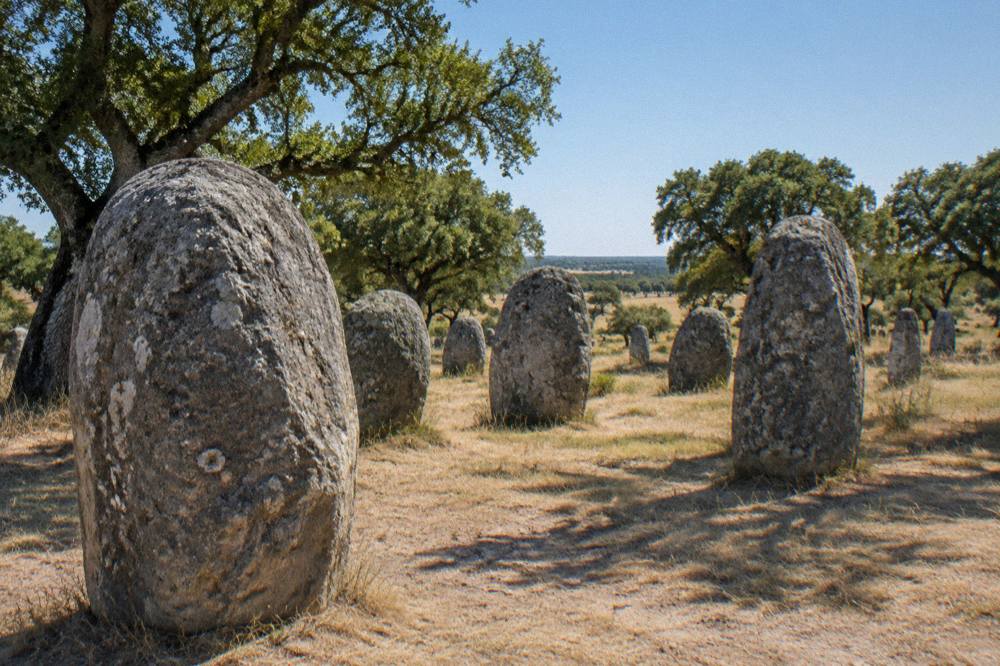
The Cromeleque dos Almendres, the stone circle standing in open Alentejo countryside about 8 km from Évora along the national road toward Lisbon with a signposted turn-off, costs nothing to visit, and the Almendres Interpretation Centre in the village of Guadalupe, open 10:00-18:00 in summer and 10:00-17:00 in winter, explains the wider megalithic landscape around it.
The cromlech is the Alentejo's answer to Stonehenge, reached by road rather than rail, and its stones stand in open ground. The interpretation centre is the verified, hours-published anchor of the visit, and it exists specifically to make sense of a landscape where prehistoric monuments sit in farmland. No ticket price for the stones themselves appears on any official page, and the practical cost of the trip is transport, which is why several guided megalithic tours from Évora exist for visitors without a car.
Closer to town, the free outdoor options continue. The Jardim Público is a public garden, the Rossio de São Brás is the open esplanade where the Feira de São João sets up each year, running 23 June to 5 July in 2026 with the theme "Évora: Capital Europeia ao Sul", and the roads out of the city run through cork oak and olive country that is free to look at for as long as you like. The Alentejo travel guide covers the wider region for visitors building a free-and-cheap road trip around it.
For visitors who want the megaliths explained rather than merely found, a guided half-day is the standard answer.
How Do You Get To Évora Cheaply?
CP's Intercidades timetable, valid since 6 September 2026, lists six through trains a day from Lisboa Oriente to Évora, departing at 07:02, 09:02, 09:58, 13:35, 17:02 and 19:02 and arriving about 1 hour 40 to 1 hour 45 later, with a second-class fare of 13.90 EUR and first class at 18.50 EUR, which makes the train the simplest and cheapest verified way in.
Those six departures are the backbone of a budget day trip. The first train arrives before 09:00, which leaves a full day for the free circuit, and the evening returns run late enough for dinner in the Praça do Giraldo. The fare is fixed in CP's published price table, and the through trains require no change at Casa Branca, per the same PDF.
| Lisboa Oriente departure | Évora arrival | Fare |
|---|---|---|
| 07:02 | 08:47 | 13.90 EUR second class |
| 09:02 | 10:45 | 13.90 EUR second class |
| 09:58 | 11:40 | 13.90 EUR second class |
| 13:35 | 15:13 | 13.90 EUR second class |
| 17:02 | 18:41 | 13.90 EUR second class |
| 19:02 | 20:46 | 13.90 EUR second class |
First class costs 18.50 EUR on the same trains. Coach fares from Lisbon are not published on a verifiable operator page, so the train is the only priced public option this guide can state. The Lisbon to Évora by train guide carries the full rail detail, the Lisbon to Évora overview compares every mode, and the Évora vs Sintra comparison helps anyone deciding between two very different day trips from the capital.
Can You Do Évora Entirely For Free?
Yes, a full and satisfying day in Évora can be built from nothing but free elements: a morning GuruWalk tip-based tour of the UNESCO centre, the Templo Romano and Praça do Giraldo at midday, the walls and aqueduct streets in the afternoon, the Jardim Público before the train home, with the only unavoidable costs being the train fare in and whatever tip the walker chooses to give, and the Capela dos Ossos the single sight that genuinely requires a ticket.
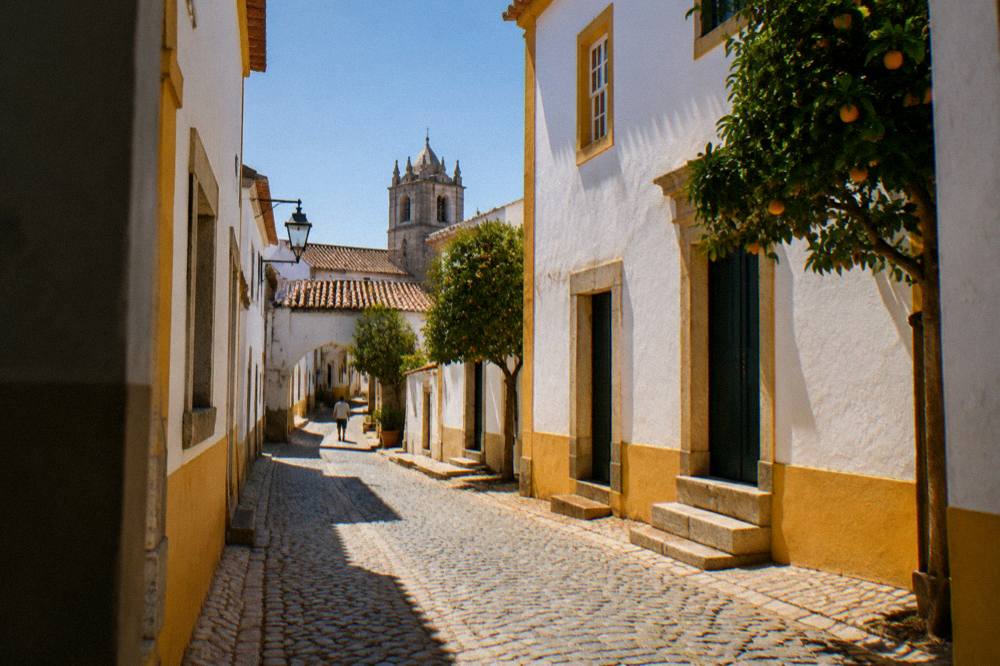
That is the honest shape of a zero-ticket Évora day. The city's UNESCO inscription, awarded in 1986 under criteria (ii) and (iv), is for its streetscape and urban fabric as much as for any single building, and criterion (iv) calls it the finest example of a city of the golden age of Portugal, after the 1755 Lisbon earthquake that Évora was largely spared. A city inscribed for its fabric is a city that rewards being walked, and walking is free.
Two practical notes finish the picture. A municipal tourist tax applies to overnight stays, so check your hotel for the current amount, which is not published on a page this guide can verify. And Évora is a European Capital of Culture in 2027, with 2026 running as a preparation year built on the concept of "Vagar", which means the free public realm, squares and streets, will carry more than the usual share of the city's life in the seasons ahead.
For visitors who would rather fold the two paid headline sights into one explained route, the guided options below do exactly that.
Common Questions About Free Things To Do In Évora
What is completely free in Évora?
The Templo Romano, the Praça do Giraldo, the Roman and medieval walls, the Água de Prata aqueduct arches in the streets, the Jardim Público and all the public lanes of the UNESCO-listed centre. The Cromeleque dos Almendres outside the city is also free to visit.
Is the Chapel of Bones free?
No. The Igreja de São Francisco's own page lists a museum ticket at 7.00 EUR for an adult, 5.00 EUR for youth up to 25 and seniors over 65, and 15.00 EUR for a family, covering the chapel and all museum areas.
Are there free walking tours in Évora?
Yes. Four tip-based GuruWalk tours run in the city, including the Essential Free Tour of Évora, rated 4.93 from 774 reviews, about two hours long, free to join with payment by tip.
Is the Museu de Évora free?
It is free on Sundays and public holidays for residents in Portugal, per the Câmara Municipal's museum page. Other visitors pay the 8 EUR adult ticket, and the museum is closed on Mondays.
Does the Évora Ticket cover the main sights?
No. The Évora Ticket, 8 EUR for one day, covers the Cidade-Museu network sites listed on its own page, and the Sé de Évora, the Capela dos Ossos and the Museu de Évora sell their own separate tickets.
What is the cheapest way to reach Évora?
The CP Intercidades train from Lisboa Oriente, at 13.90 EUR second class per the published fare table, with six through trains a day taking about 1 hour 40 to 1 hour 45.
The free side of Évora is not a consolation prize for the budget traveller: it is the city itself, its stones, its squares and its walls, and the paid tickets only ever buy the interiors.