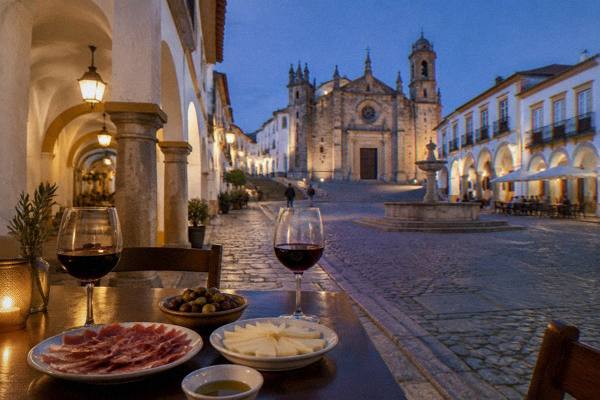
Alentejo Olive Oil: A Visitor's Guide From Évora
Olive oil is the base note of every Alentejo kitchen, and Évora, the capital of Central Alentejo in Portugal, is the natural place to understand it.
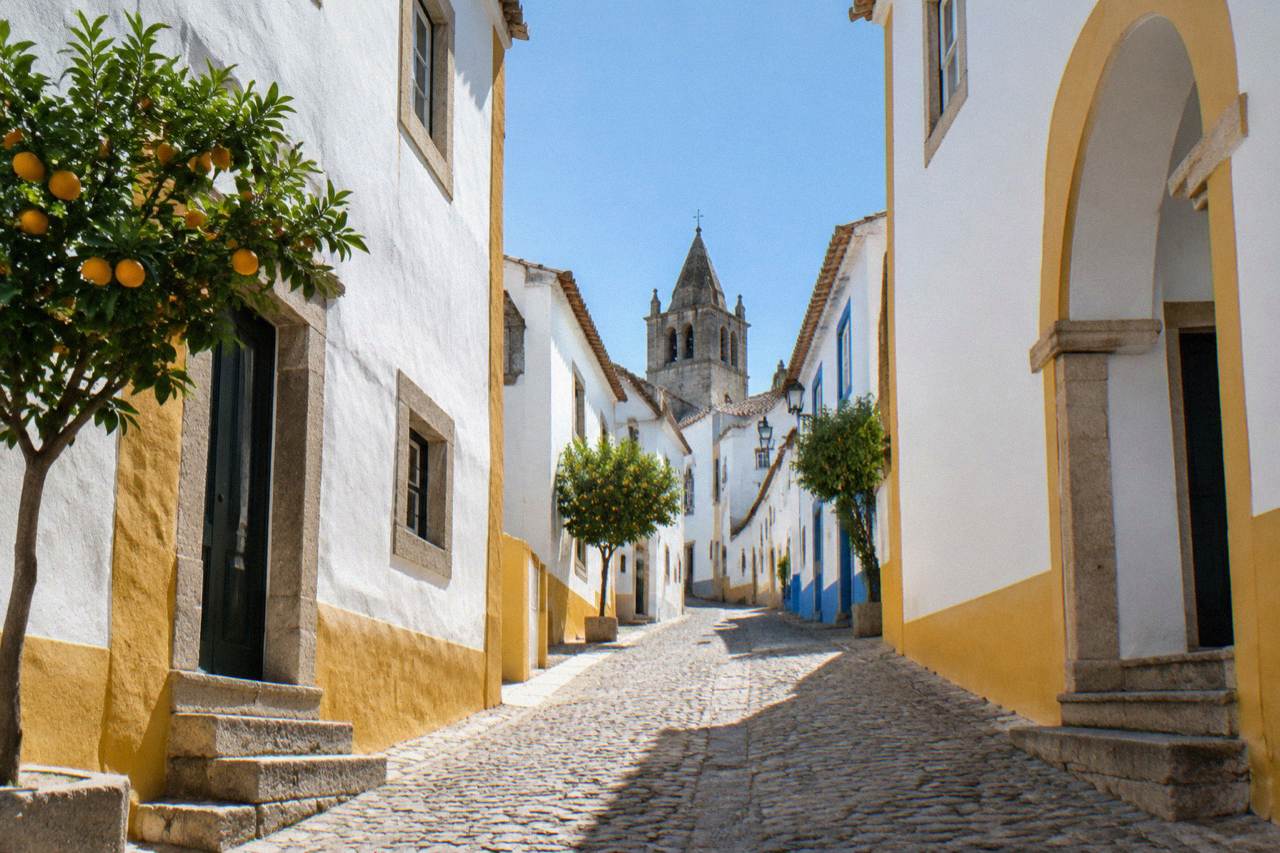
Short answer
Alentejo olive oil is the everyday cooking fat and finishing oil of Portugal's southern plains, and Évora sits at the centre of the region that produces it. Nothing about individual mills or producers is published here as a recommendation; instead this guide explains what the oil means to the Alentejo table, when harvest falls, and which guided food and wine experiences around Évora include tastings.
Olive oil is the quiet constant of the Alentejo kitchen, and Évora, the inland capital of Central Alentejo in southern Portugal, is the place where a visitor notices it first. It arrives at the table before anything else, in a pourer beside the bread, and it reappears in the soups, the slow meat dishes and the simple lunches of the region. The Alentejo, whose name is usually explained as "beyond the Tagus", is a landscape of cork oaks, vineyards, wheat and olive groves stretching to flat horizons, and the olive tree is as much a part of that scenery as any of them. This guide explains what Alentejo olive oil means to the food of the region, when the harvest falls, how to taste and buy it around Évora, and which guided experiences let a visitor try it in context.
What Is Alentejo Olive Oil And Why Does Évora Sit At Its Centre?
Alentejo olive oil is the cooking fat and finishing oil of Portugal's great southern plain, pressed from olives grown in a hot, dry, inland climate, and Évora is the historic market town at the middle of that plain. The region's name is usually explained as "beyond the Tagus", and its agriculture follows from that geography: long summers, thin soils and trees planted wide apart to survive the heat. Évora, a UNESCO World Heritage city since 1986, has always been the capital where that countryside comes to trade.
The olive tree suits the Alentejo because it endures what the climate throws at it. IPMA's 1991 to 2020 normals for the Évora station show a July mean maximum of 33.3 C and an August mean maximum of 33.5 C, with 31.9 days a year reaching 35 C or more and a record of 45.4 C set on 4 August 2018. Rain totals just 596.1 mm across an average year, and almost none of it, 2.7 mm in July and 6.0 mm in August, falls in high summer. A tree that can sit through that and still fruit is the tree this landscape keeps.
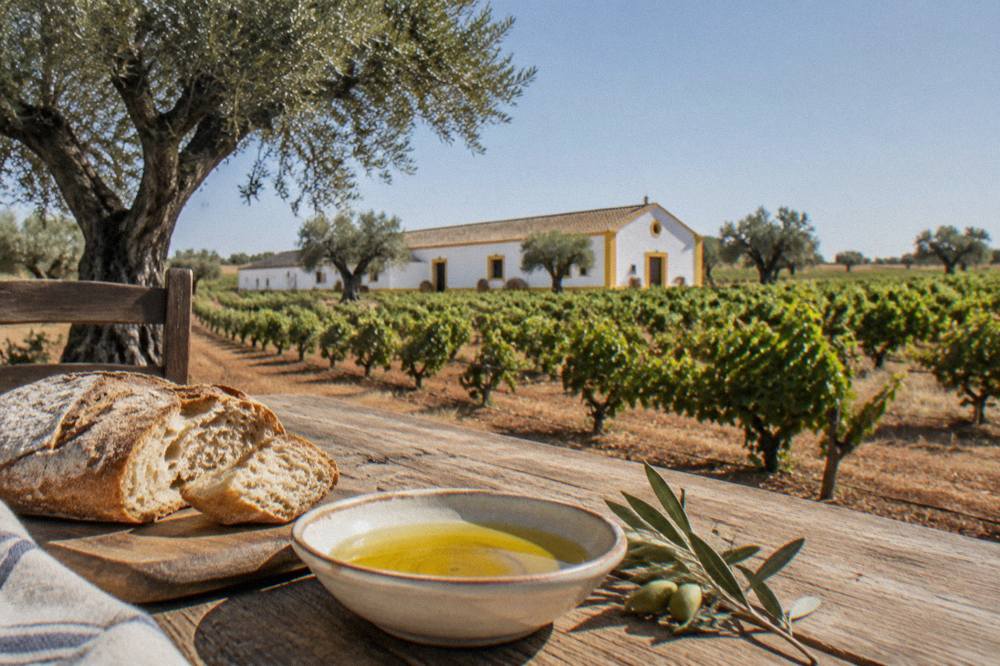
What that climate produces in the glass is an oil with presence. Alentejo oil is typically described as full-bodied and fruity, sometimes with the pepperiness that heat and dryness encourage in the fruit, but this guide deliberately attaches no certification, origin classification or production figure to it, because none of those details can be responsibly stated for the region as a whole. What can be said is simpler and more useful to a visitor: in the Alentejo, olive oil is not a specialty product kept on a high shelf. It is the daily medium of the kitchen, poured generously, and a traveller who eats in Évora will taste it in nearly everything.
The city's role is historical as much as agricultural. Évora was a Roman town, a Moorish one until 1165, and then a seat of the Portuguese court, and the markets of the Alentejo have always funnelled through it. The surrounding countryside grows cork, wheat, grapes and olives in a mixed system the Portuguese call montado, where the trees are left scattered through the fields rather than planted in dense orchards. That system is why an afternoon drive out of Évora looks the way it does: olives and cork oaks sharing the same pasture, sometimes with vines between them.
How Does Olive Oil Fit Into The Alentejo Table?
Olive oil is the first and last ingredient of almost every Alentejo dish, from the bread-and-oil greeting at the start of a meal to the soups, fish, slow-roasted meats and even some desserts of the region. It stands where butter stands in northern European cooking, and it is used with the same confidence. Dishes like açorda, a bread soup, and gaspacho alentejano exist because a household had good oil, bread and garlic, and needed little else.
The clearest way to understand this is to look at the region's soups. Açorda alentejana is at heart bread, garlic, coriander and olive oil pounded together and moistened with hot water or broth, sometimes with an egg dropped in. Migas, another Alentejo staple, is stale bread worked with oil and garlic into a dense, golden accompaniment for pork or codfish. Neither dish makes any sense in a cuisine built on butter. Both are celebrations of oil as a flavour in its own right, not just a cooking medium.
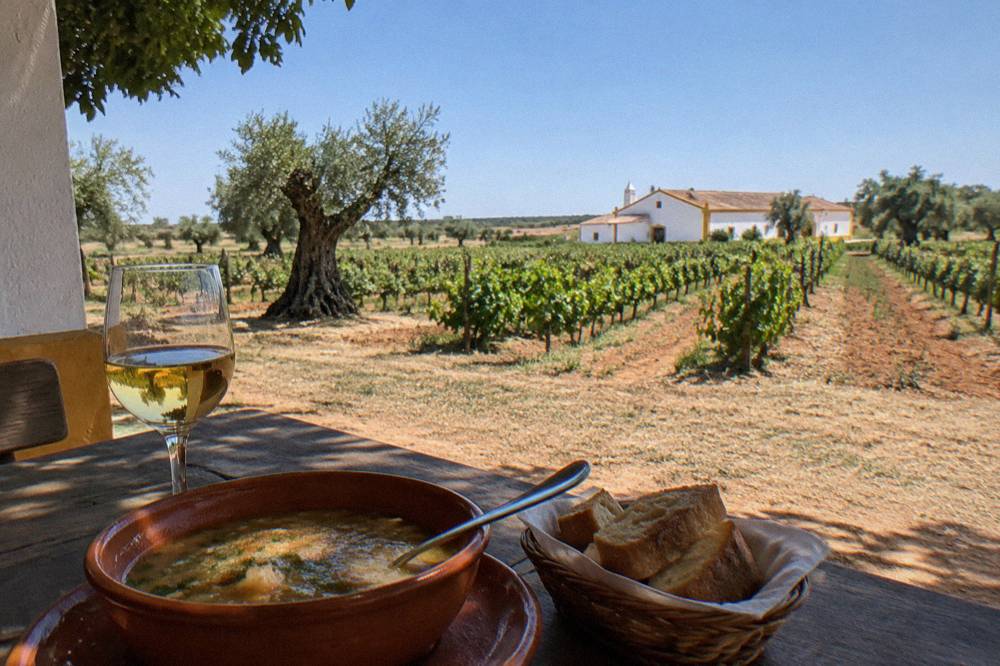
The same logic runs through the region's better-known dishes. Alentejo pork, black Iberian pig fattened on acorns and cork-oak mast, is roasted or grilled with oil, garlic and bay. Bacalhau, dried salt cod, appears across Portugal but the Alentejo versions lean on oil-soaked bread, potatoes and peppers. Even the cheese course reflects the landscape, because the sheep and goats that make Alentejo cheese graze the same montado where the olives grow. The Alentejo dishes a visitor should try all carry this common thread, and the wider food guide covers the region's table in full.
For a traveller who wants the thread pulled together in one evening rather than across a week of restaurant visits, a guided crawl is the efficient route. The evening food and wine experience below moves through Évora's historic centre with a local guide and pairs regional oils, breads, cheeses and wines as it goes, which is the fastest way to taste how the oil supports everything else.
A cooking class is the other route, and the one below is built entirely on Alentejo home cooking, where oil is the first thing into the pan.
Where Can You Taste And Buy Olive Oil Around Évora?
The honest answer for Évora itself is: at the table, in the shops of the historic centre, and on guided tastings, because no individual producer, mill, shop or market stall can be named here as a verified recommendation with hours or prices. What a visitor can rely on is that regional oil is sold throughout the city, that restaurants pour it by default, and that bookable experiences around Évora include tastings of regional oils alongside wine and other products.
This is a deliberate limit, and a useful one. A printed opening hour for a shop that has not been confirmed is worse than no hour at all, and a "best olive oil shop in Évora" ranking would be invention dressed as advice. The practical guidance is therefore plain: wander the streets inside the walls around Praça do Giraldo, ask at the tourist office at Praça do Giraldo 73, and read the label of anything you buy, where the producer's own name, harvest year and origin are printed by law.
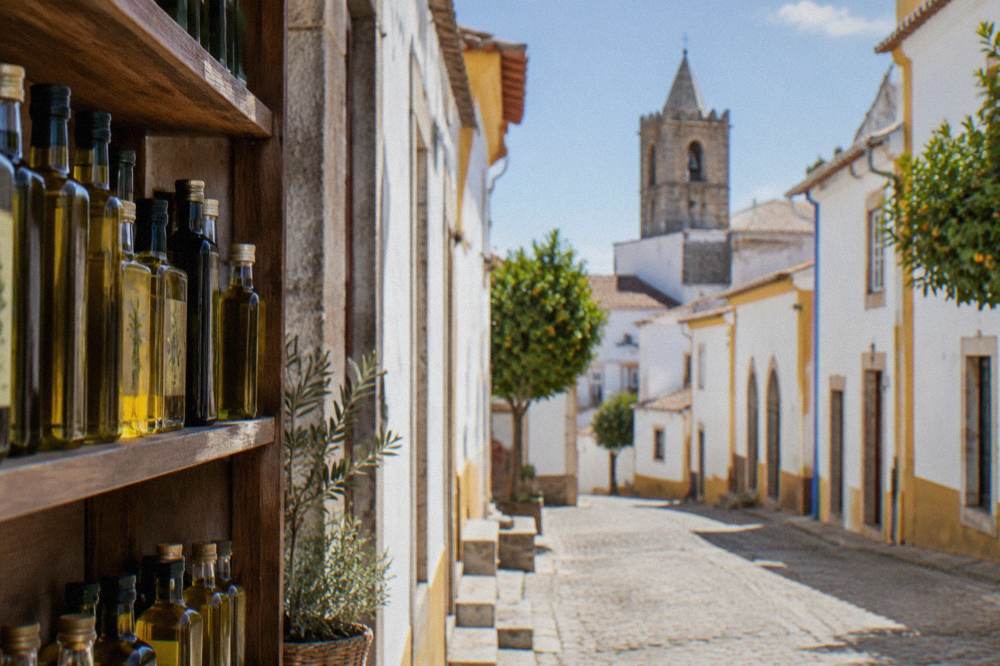
What to read on a label is worth a paragraph of its own. Portuguese labels carry the producer's name, the olive variety or varieties, the harvest year and, where applicable, a protected-origin classification. A harvest year on an oil, as on a wine, tells you the oil is from a single season rather than a blend of old and new. Dark glass matters too, because light ages oil faster, and a bottle from the current or most recent harvest is what a good shop will be pouring.
For tastings, the bookable options are the reliable ones, and they fall into two groups. Food-led experiences in the city, like the evening crawl and the cooking class above, include oil as part of a broader Alentejo table. Wine-and-cork tours into the countryside around Évora, like the four-hour wine and cork experience below, visit producers where regional oil is often poured alongside the wines, though exactly what each operator tastes is on the operator's live listing.
That four-hour format suits a first visit well: it is short enough to leave the afternoon free, and it gets a visitor out of the city and into the groves where the oil begins. For anyone who would rather stay in Évora and taste the whole regional table in one guided evening, the crawl below is the alternative.
If a day of it appeals, the full-day wine tour below runs from Évora with lunch and transport included, and estate visits of that kind typically open the mill and the barrel room as well as the tasting table.
A full day of estates is a commitment, and it is worth it only for visitors whose interest in the region's products has already outgrown the city. For most travellers, an evening crawl plus one half-day countryside tour is the combination that covers oil, wine and cork without exhausting anyone.
When Is Olive Harvest Season In The Alentejo?
Olive harvest in the Alentejo runs through the late autumn and winter months, roughly November into January, with the exact start fixed each year by the ripeness of the fruit and the first rains. IPMA's 1991 to 2020 normals for the Évora station show why: October brings 81.5 mm of rain on average and November 86.0 mm, breaking the summer drought, while mean maximum temperatures fall from 29.5 C in September to 24.1 C in October and 17.6 C in November.
A visitor in Évora in November or December is in the olive year, not just the tourist year. The groves around the city are being picked or netted, and the region's mills, which stand quiet all summer, come back to life. This is also the season when the freshest possible oil, just-pressed and peppery, is most likely to appear on local tables, though no individual mill visit can be promised here as a bookable or open-to-public experience.
| Month | Mean Max (C), 1991-2020 | Mean Min (C), 1991-2020 | Rain (mm), 1991-2020 | What It Means For Olives |
|---|---|---|---|---|
| September | 29.5 | 14.6 | 33.9 | Fruit finishing, heat still strong |
| October | 24.1 | 12.3 | 81.5 | First rains, harvest preparations |
| November | 17.6 | 7.9 | 86.0 | Harvest in full swing |
| December | 14.6 | 5.3 | 85.1 | Late picking, mills running |
| January | 14.1 | 4.5 | 68.6 | Tail of the harvest season |
The numbers in that table are the 1991 to 2020 averages for the Évora station specifically, and they describe the climate a visitor will actually meet, not a regional average. The same normals put the July mean maximum at 33.3 C and count 31.9 days a year at 35 C or more, which is why the harvest cannot begin earlier: the fruit needs the rains to swell and the heat to break before it comes off the tree well.
Winter is therefore a genuinely good time to be in Évora for anyone curious about oil, and it is a quiet season in the city besides. The trade-off is short days and cool evenings, with mean minima of 4.5 C in January and 5.3 C in December, so layers matter. The guide to the best months for the Alentejo weighs this against spring and autumn.
How Do You Choose A Good Alentejo Olive Oil?
Choose by harvest date first, packaging second and price last: a fresh oil in dark glass or a tin from the most recent harvest will outperform an older oil at any price, and the label's harvest year and producer name are legally printed on every bottle sold in Portugal. Beyond that, look for oils sold where the producer is named, and expect a full, fruity, sometimes peppery character rather than the mild profile of mass-market blends.
Freshness is the whole game. Olive oil is a fruit juice, and it does not improve with age; the peppery catch at the back of the throat that good fresh oil produces is the taste of its natural antioxidants, and it fades over months. An oil with a harvest year more than one season old is being sold on price, not quality. Heat and light are the two enemies in a shop and in a kitchen, which is why serious bottles are dark glass or tins and why a shop that keeps its oil in a sunny window is telling you something.
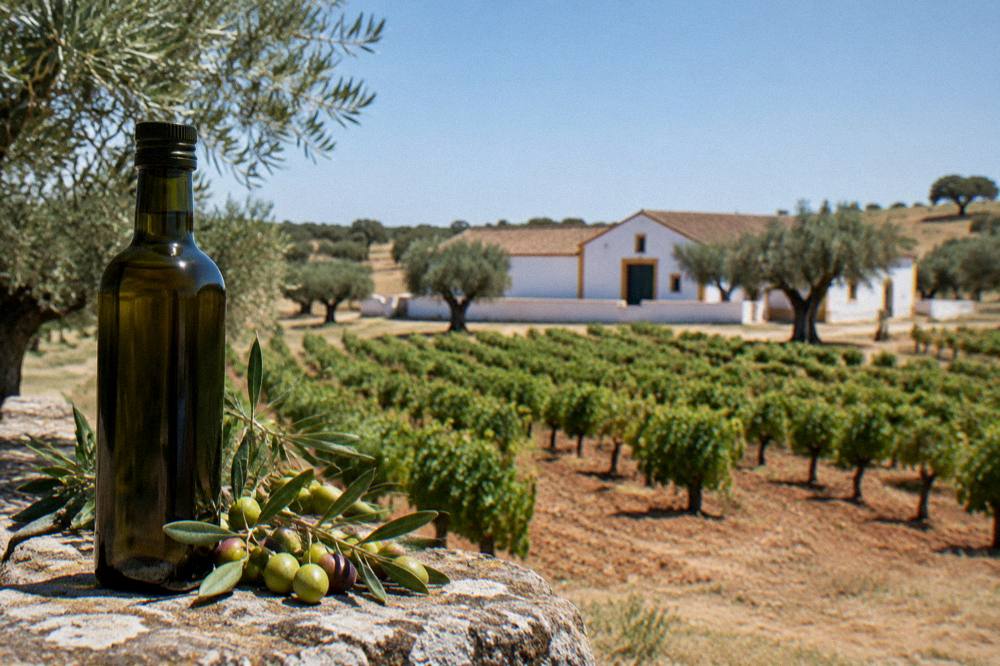
Tasting is straightforward and needs nothing but a spoon and a piece of bread. Good oil smells green and fresh, grassy or faintly of tomato leaf or artichoke, and never of old crayons or must, which is the smell of an oil past its life. On the palate it should have body and some bitterness, and a fresh oil will catch the throat. Mildness is not a virtue in oil; it is usually the absence of what was there.
| What The Label Shows | What It Tells You | What To Prefer |
|---|---|---|
| Harvest year | The season the olives were picked | The most recent harvest available |
| Producer name | Who grew and pressed the fruit | A named producer, not a vague brand |
| Dark glass or tin | Protection from light | Avoid clear bottles in bright shops |
| Variety or varieties | The olives used, as with wine grapes | Single or named varieties for character |
| Origin wording | Where the fruit came from | The Alentejo, stated plainly |
One caution on price: this guide prints no price for any oil, because no verified figure for a specific bottle or producer exists in what the editorial desk holds. Prices in Évora's shops vary with harvest, packaging and producer, and the honest instruction is to compare labels rather than trust a rule of thumb.
Can You See Olive Country On A Day Trip From Évora?
Yes, and the olive landscape begins almost at the city walls, because the montado of cork oaks, olives and vines wraps around Évora in every direction. The named day-trip towns of the region, Arraiolos about 20 km away, Estremoz about 45 km, Vila Viçosa about 60 km and Monsaraz about 40 to 45 km, all sit in working agricultural country where olives, cork, marble and vines share the plain.
The cork connection deserves a special word, because the two trees are neighbours. The montado that produces the world's best cork, the bark of the cork oak, is the same landscape that carries the olive groves, and a single estate often runs both alongside vines and pasture. The guide to Alentejo cork covers that half of the story, and the tours below are built exactly around the pairing of food, cooking and the city itself.
| Town | Distance From Évora | What The Countryside Carries En Route |
|---|---|---|
| Arraiolos | about 20 km | Montado, olives, the town's famous embroidery |
| Monsaraz | about 40-45 km | Olives, vines, the Alqueva lake shore |
| Estremoz | about 45 km | Marble quarries, olives, vineyards |
| Vila Viçosa | about 60 km | Marble, olives, the ducal palace town |
| Elvas | about 80 km | Fortified border country, olives, orchards |
Distances in that table are the rounded "about" figures used throughout this guide, never exact road measurements, and no drive time is stated for any of them because none is verified. The Alentejo road trip itinerary strings several of these towns together for visitors with a car, and the three-day Évora and Alentejo plan works for those based in the city.
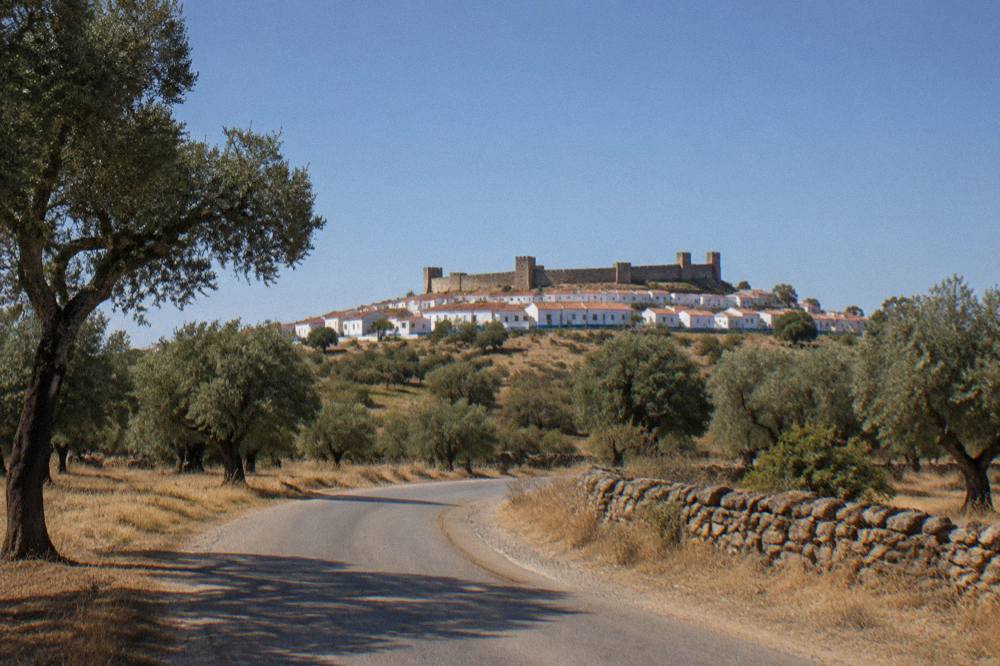
For visitors without a car, guided day tours from Évora reach the same countryside, and the cork and megalith combination below is a good example: it runs four hours from the city into the groves and stone circles east of Évora, with the region's agriculture explained along the way.
That tour pairs two things that sound unrelated, prehistoric stone circles and working cork forest, and the pairing works because both sit in the same montado east of the city. A guide who can name the trees is also, usually, a guide who can name the mills and the estates, which is why countryside tours so often end with a tasting.
How Does Olive Oil Compare With Wine And Cork As A Reason To Visit?
All three belong to the same landscape and the same table, and the practical difference for a visitor is access: wine is the easiest to taste, with bookable winery tours from Évora, cork is the easiest to see, growing wild across every horizon, and olive oil is the one you meet first, poured at every meal before any tour begins. Together they explain why the Alentejo around Évora feels like one working farm rather than a series of attractions.
Wine tourism is the most developed of the three. The tours from Évora visit estates in the region, pour Alentejo reds and whites, and often open the countryside itself, and the Alentejo wine guide covers what to expect from the glass. Cork is the most visual: the stripped red trunks of harvested cork oaks are unmistakable in late spring and early summer, and the cork museum and shops guide explains the city end of that trade.
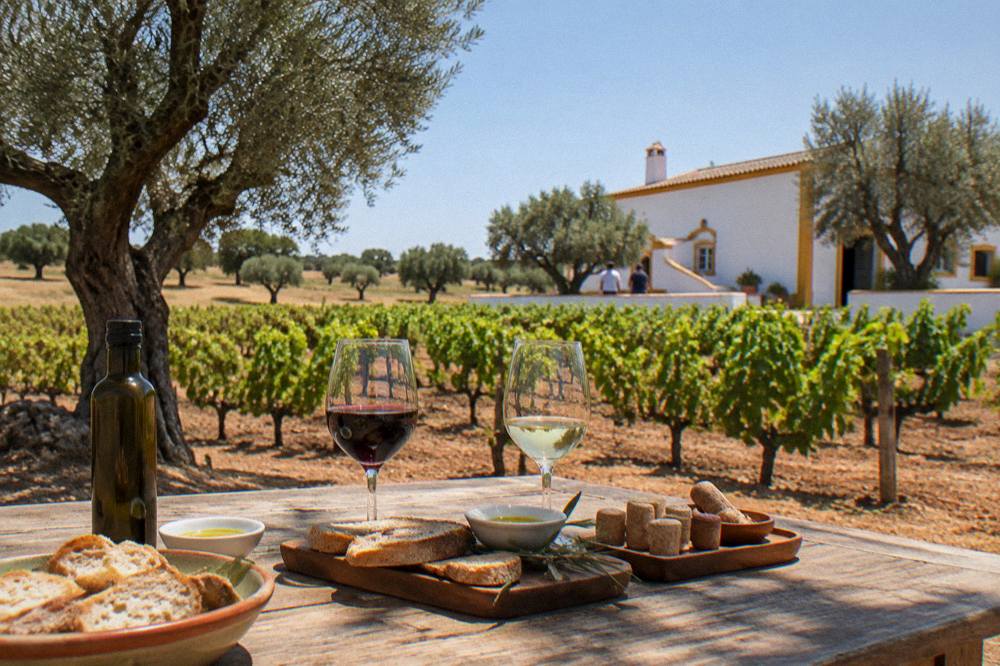
Olive oil sits underneath both. It is the reason the Alentejo table tastes as it does, the partner of bread at the start of every meal, and the least commercialised of the three, which is its own kind of recommendation. A visitor who arrives curious about wine usually leaves curious about oil as well, because the two harvests follow each other through the same autumn.
| The Region's Three Products | Where You Meet It First | Easiest Way Deeper |
|---|---|---|
| Olive oil | Poured with bread at any meal | Guided food experiences and tastings |
| Wine | On every restaurant list | Bookable winery tours from Évora |
| Cork | In every grove on every horizon | Cork forest and factory tours |
The full-day cork experience below is the deepest of the bookable options: it runs eight hours from Évora with a farm visit and lunch included, and it shows the montado as a working system rather than a view.
Eight hours is a full commitment to one subject, and it is the right choice for the visitor who has already fallen for the landscape and wants to understand how the montado actually pays for itself. The lunch, cooked and eaten on the farm, is the part most people remember, and it is also the most complete answer this region offers to the question of what its oil, its cork and its meat have in common.
What Should You Know Before Bringing Oil Home From Portugal?
Oil travels well in a sealed dark bottle or tin inside checked luggage, wrapped against breakage, and the practical limits are airline baggage rules rather than anything Portuguese; within the EU there is no customs barrier, while travellers taking oil beyond the EU should check their home country's rules on food imports. Buy the most recent harvest you can find, keep the receipt, and prefer tins for long journeys because they do not break.
Packing is the whole trick. Wrap the bottle in clothing or bubble wrap, stand it in a sealed bag in the middle of the suitcase, and remember that a litre of oil weighs close to a kilogram, so a few bottles add up quickly against a weight allowance. Tins are lighter and safer than glass for exactly this reason, and serious producers sell both. In the cabin, liquid rules apply as with any other fluid, so checked luggage is the realistic route for anything more than a token bottle.
The calendar matters if the purchase is the point of the trip. A visitor in November or December buys the current harvest's first oil; a visitor in summer buys last winter's, which is normal and fine if the label is honest about the year. Ask in the shop which harvest is in the bottle, and read the year printed on it rather than trusting the answer alone.
Common Questions About Alentejo Olive Oil
Is Alentejo olive oil good?
The Alentejo produces full, fruity oils from a hot, dry inland climate, and the region's kitchen is built on them. Quality varies by producer and harvest as with wine, so buy by the harvest year and producer name on the label rather than by region alone.
What does Alentejo olive oil taste like?
Typically full-bodied and fruity, often with a peppery catch at the back of the throat that signals freshness and antioxidants. It is not a mild, neutral oil; it is meant to be tasted, which is why it arrives with bread before the meal.
When is olive harvest in the Alentejo?
Roughly November into January, once the autumn rains have broken the summer drought. IPMA's 1991 to 2020 normals for the Évora station show October and November as the wettest months of the year's second half, at 81.5 mm and 86.0 mm on average, and that is the signal the harvest follows.
How do you carry olive oil on a plane?
In checked luggage, in a dark bottle or tin, wrapped and sealed against breakage and leaks. A litre weighs close to a kilogram, so count bottles against the baggage allowance, and prefer tins for long journeys.
Is olive oil the same as wine tourism in the Alentejo?
The two overlap but are not the same. Wine tourism is more developed, with bookable estate tours from Évora, while olive oil is mostly met at the table and in shops. Several guided tours from Évora combine regional products, pouring oil alongside wine and cork.
Where Does Olive Oil Sit In The Wider Alentejo Story?
It sits at the base of the whole thing. The Alentejo's identity, the one the region will celebrate as European Capital of Culture 2027 approaches, is built on its landscape of cork oaks, vines, wheat and olives, and on a table that turns those four things into dinner. Olive oil is the least glamorous and most constant of them, poured before the first dish and long after the wine list has been discussed.
A visitor who spends a few days in Évora will meet the oil a dozen times before ever seeing a grove, and that order is exactly right. The taste comes first, at breakfast with bread and at dinner under a bowl of soup, and the curiosity follows. The groves are then a short drive or a guided morning away, wrapped in the same montado that gives the region its cork and its shade, and the harvest, if the visit falls in November or December, will be happening in the fields beyond the walls.
The wider region rewards the same curiosity. The question of whether the Alentejo is worth visiting answers itself in a single bowl of açorda made well, and the guide to what the Alentejo is famous for places oil alongside cork, marble, wine and the white towns of the plain. For planning a route around it, the Alentejo travel guide and the three-day Évora and Alentejo itinerary are the practical starting points, and Évora Travel Guide holds the city end of the thread.
The last word belongs to the table. Order the bread, pour what is beside it, and taste the plain.