Madrid To Évora: How To Travel From Spain To Portugal's Alentejo
Évora is the inland capital of Portugal's Alentejo, a walled UNESCO city reached from Madrid by way of Lisbon, Seville or a cross-border drive, and this guide sets out each option with the figures that are fixed and the ones you should check with the operator before booking.
Short answer
There is no single fixed Madrid to Évora route with a published fare. The practical plan is to fly Madrid to Lisbon, take the CP Intercidades train from Lisboa Oriente to Évora (13.90 EUR second class, about 1 hour 40), or drive across the Spanish border through Extremadura. Lisbon is the main gateway, about 130 km by road from Évora.
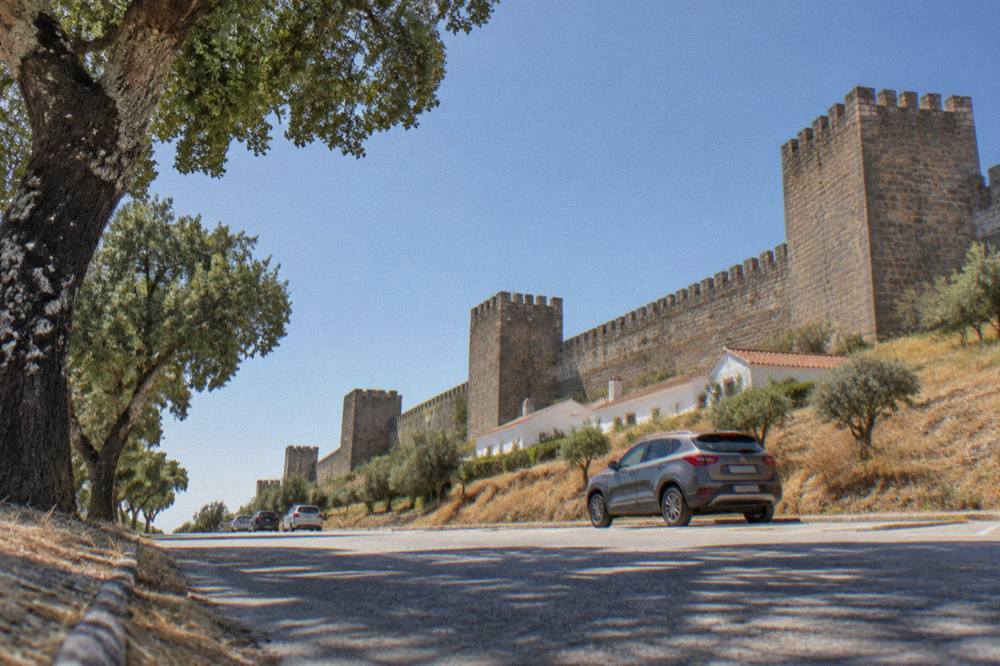
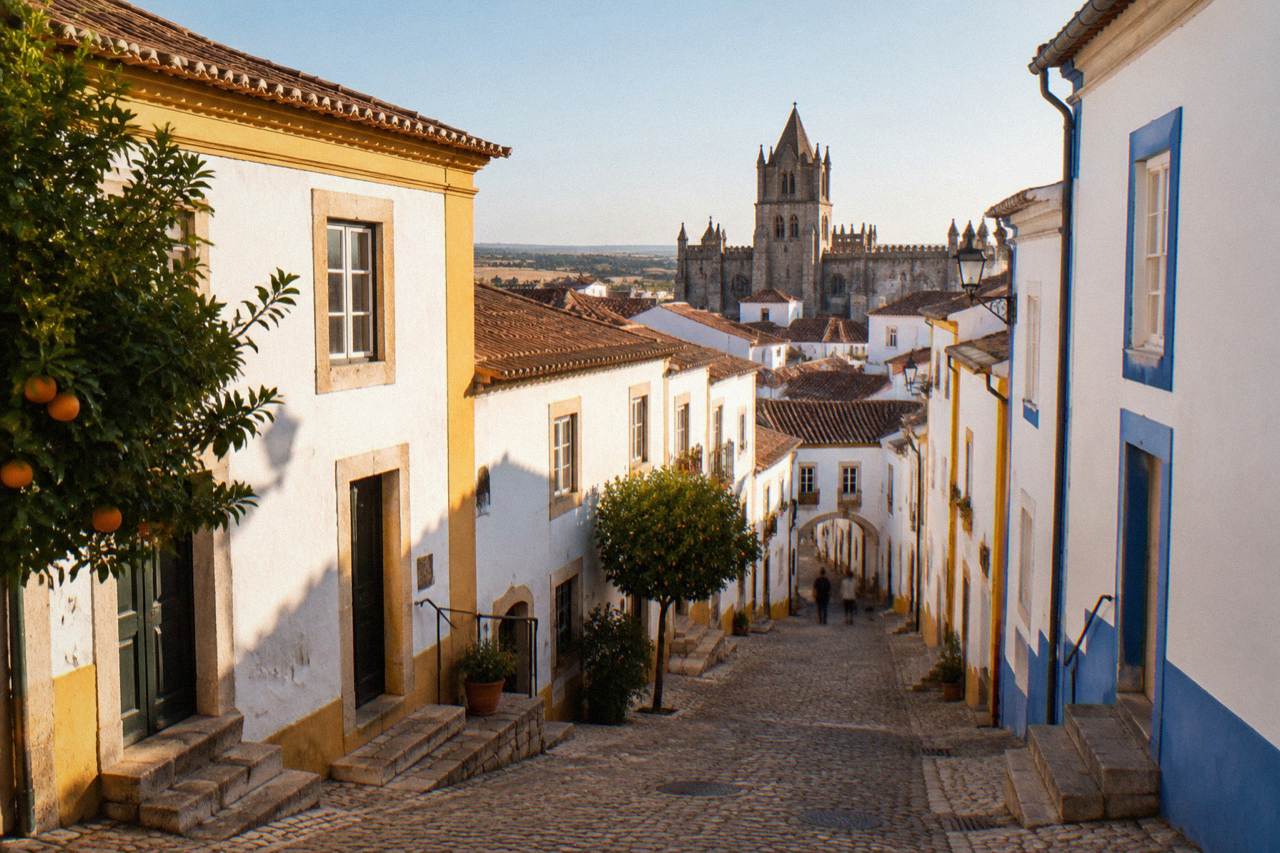
Évora, the inland capital of Portugal's Alentejo region, is a walled city of Roman temples, medieval squares and whitewashed lanes, and it sits roughly 130 km by road from Lisbon, the gateway most travellers from Madrid use. There is no sea here, no coast and no beach: the city stands on the open Alentejo plain, hot and dry in summer, quiet and golden in autumn. Spain is not far away as the crow flies, but the journey from Madrid involves a border, a change of country and, for almost everyone, a change of transport. This guide walks through each option, the fly-and-train route via Lisbon, the drive across Extremadura, and the rarer approaches through Seville, and it finishes with what to do, where to sleep and when to go once you arrive.
How Do You Travel From Madrid To Évora?
The journey from Madrid to Évora is made in two legs, and the most common plan is a flight from Madrid to Lisbon followed by the CP Intercidades train from Lisboa Oriente station to Évora, a rail leg of about 1 hour 40 to 1 hour 45 costing 13.90 EUR in second class. The alternative is a cross-border drive through western Spain, entering Portugal near Badajoz and continuing to the Alentejo. No single ticket covers the whole route, so each leg is booked with its own operator.
The reason the trip splits into legs is simple geography. Évora is a small inland city, and the long-distance transport that serves it, the CP rail line from Lisbon, starts in the Portuguese capital. Madrid sits on the Spanish high-speed network, and the two systems meet only through a connection you make yourself, usually in Lisbon.
Three broad plans cover almost every traveller. The first is fly and train: a short flight from Madrid to Lisbon, then the Intercidades service from Oriente. The second is drive: a rental car across Spain, through Cáceres or Badajoz country, across the border and into the Alentejo. The third is a longer overland combination using Spanish rail or coach to reach Lisbon first, which suits travellers who want to avoid flying altogether.
For each of these, the part inside Portugal is the part with published, fixed figures. The CP timetable from Lisboa Oriente to Évora, valid since 6 September 2026, lists six through trains a day, and the fare table sets 13.90 EUR second class and 18.50 EUR first class for that leg. The Spanish legs, flight, Spanish rail or the drive itself, have fares and times that move with the season and the operator, so check the operator's live page before committing to a connection. Leave a buffer: a missed Intercidades departure means waiting for the next one, and the last of the six arrives in Évora at 20:46.
Flying From Madrid: Which Airport Works Best For Évora?
Lisbon is the main gateway airport for Évora, and the plan is a flight from Madrid to Lisbon followed by the train from Lisboa Oriente or a transfer onward, with Lisbon about 130 km by road from Évora. Seville is a secondary option for travellers combining Évora with southern Spain, but the onward connection from there is not a simple one. No flight lands in Évora itself; the city is reached overland from whichever airport you choose.
Madrid to Lisbon is a short hop by air, one of the busiest city pairs on the Iberian peninsula, and it puts you a single train ride from the Alentejo. From Lisbon Airport you reach Oriente station and the CP Intercidades service. The full process, landing to Évora, is a morning's travel rather than a day of it, provided the flight lands early enough to catch one of the six departures.
The train leg is the fixed, published part of the plan. CP's timetable valid since 6 September 2026 lists these through services from Lisboa Oriente:
| Depart Lisboa Oriente | Arrive Évora |
|---|---|
| 07:02 | 08:47 |
| 09:02 | 10:45 |
| 09:58 | 11:40 |
| 13:35 | 15:13 |
| 17:02 | 18:41 |
| 19:02 | 20:46 |
The fare for that leg, in CP's Intercidades price table valid from 1 January 2026, is 13.90 EUR in second class and 18.50 EUR in first class. Book the train leg once your flight is confirmed, and if the flight timing is tight, take the later departure rather than the one you might miss.
Seville works as a gateway only for travellers whose trip includes Andalusia. The Spanish side of that plan is easy; the Portuguese side, from Seville across the Alentejo border to Évora, is a long overland leg with no verified direct service, so treat it as a drive or a multi-change journey and price it with the operators before choosing it over Lisbon.
For the flight itself, prices between Madrid and Lisbon move constantly with date, airline and season. Check the airline's own booking page for the date you want rather than trusting any figure printed anywhere, including in guides. What does not move is what waits at the other end: six trains a day, a 13.90 EUR fare, and a city that is compact once you arrive.
A good first evening in Évora deserves a guide rather than a map, and the guided options below cover the historic centre.
Is Driving From Madrid To Évora A Good Option?
Driving from Madrid to Évora is the option that gives you the Alentejo itself, a cross-border route through western Spain into Portugal with the border near Badajoz, and it is the only plan that lets you stop in Cáceres, Mérida or Elvas on the way. The trade-offs are a full day at the wheel, motorway tolls in both countries, and parking in a walled city best explored on foot. No published drive time covers the whole route, so plan the timing with a mapping service.
The drive is the choice for travellers who want the journey to be part of the trip. Western Spain, Extremadura, is one of the emptiest and most rewarding corners of the country: Roman Mérida, the UNESCO old town of Cáceres, and then the Portuguese border towns. Elvas, about 80 km from Évora by road, is itself a fortified UNESCO site and a natural last stop before the Alentejo.
What you cannot do is quote the Madrid to Évora drive as a number of hours. The route, the border crossing, the stops and the season all change the timing, and no verified figure covers the whole run. What is fixed is the geography at the end: Lisbon is about 130 km from Évora by road, Elvas about 80 km, and from the border the road runs through open cork and wheat country into the city.
Two practical points decide whether the drive is worth it. First, tolls: Portugal and Spain both charge on motorways, and rental cars from Spain may need a toll device checked with the rental firm before you cross. Second, parking: Évora's historic centre is a web of narrow lanes inside walls, and the sensible plan is to park at the edge and walk in, a subject covered in full in the parking guide for Évora.
Once the car is parked, the city opens up on foot. The Templo Romano, the Sé, the Praça do Giraldo and the Capela dos Ossos all sit within a short walk of each other, and a guided walk stitches them together. The Évora walking tour, a street-stories walk from $53.90 per person, rated 4.8 from 37 reviews, is a good fit for a first evening, and you can Check availability for your dates.
What Does The Rail Route From Madrid To Évora Involve?
The rail route from Madrid to Évora runs Madrid to Lisbon on the Spanish network, then Lisboa Oriente to Évora on CP's Intercidades service, six through trains a day taking about 1 hour 40 to 1 hour 45 and costing 13.90 EUR second class or 18.50 EUR first class for the Portuguese leg. The Spanish leg has no single published fare or timetable that covers every date, so it is booked separately with its own operator, and the connection at Oriente is where the plan succeeds or fails.
The Spanish side is the long leg. Madrid to Lisbon by rail means crossing the whole of Iberia, and the services, frequencies and fares for that leg change with the season and the operator, so check the Spanish rail operator's page for your date before you build the rest of the plan around it. Some travellers break the Spanish leg with a night in Cáceres or Badajoz, which turns the crossing into a two-day journey through the same country the drivers see.
The Portuguese side is short, fixed and easy. From Lisboa Oriente, CP's timetable valid since 6 September 2026 lists six through trains to Évora, calling at Entrecampos, Sete Rios, Pragal, Pinhal Novo, Vendas Novas and Casa Branca on the way, with no change of train needed on these services. The fare table sets the price:
| Class | Lisboa Oriente to Évora |
|---|---|
| Second class | 13.90 EUR |
| First class | 18.50 EUR |
Arrivals in Évora fall at 08:47, 10:45, 11:40, 15:13, 18:41 and 20:46, which means an afternoon arrival in Lisbon still connects to the evening. The last train is the one to plan around: land after 19:02 has passed at Oriente and you are overnighting in Lisbon, which is no hardship, but it is not Évora.
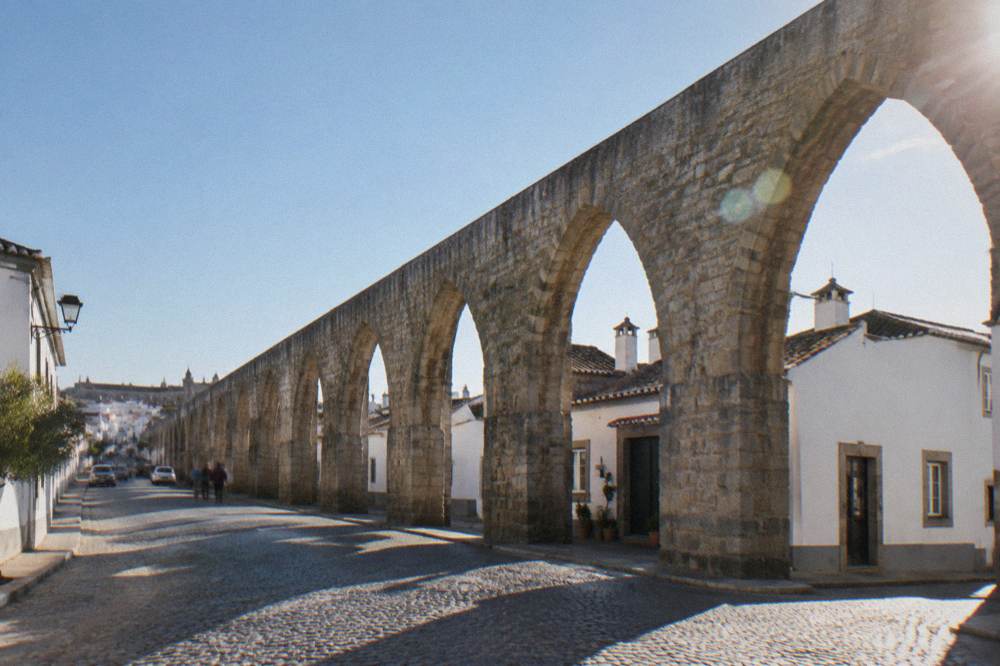
The station in Évora is a short distance from the walls, and the walk into the centre passes the Água de Prata aqueduct, whose arches run through the southern edge of town. For the full detail on that first leg inside Portugal, the Lisbon to Évora guide and the train-specific version cover timetables, tickets and the station itself.
What Should You Do With Your First Day In Évora?
A first day in Évora belongs to the historic centre: the Sé de Évora with its complete-visit ticket at 5.00 EUR including the cloister, roof terrace and museum, the Capela dos Ossos at the Igreja de São Francisco with its 7.00 EUR adult museum ticket, the Templo Romano standing free in the open air, and the Museu de Évora at 8 EUR, closed on Mondays. All of it sits inside the UNESCO-inscribed walls, and all of it is walkable.
The city's monument tickets are published and stable, which makes a first day easy to budget. The four main entries:
| Monument | Adult ticket | Notes |
|---|---|---|
| Sé de Évora | 5.00 EUR | Complete visit: cathedral, cloister, roof terrace, museum; children up to 12 free |
| Capela dos Ossos, Igreja de São Francisco | 7.00 EUR | Youth to 25 and seniors over 65 at 5.00 EUR; family 15.00 EUR |
| Museu de Évora | 8 EUR | Closed Mondays; youth 13 to 24, seniors and family tickets 50% off |
| Évora Ticket | 8 EUR one day | 10 EUR two days, 12 EUR three days; free to age 12 |
One warning that saves money: the Évora Ticket, the multi-site pass for the Cidade-Museu network, does not include the Sé, the Capela dos Ossos or the Museu de Évora. Those three are bought at their own doors. The pass covers other sites in the network, so check its site list against your plan before buying. More of these guides are collected on Évora Travel Guide.
Opening hours matter on a first day. The Sé runs 9:00 to 17:00; the Capela dos Ossos keeps summer hours of 9:00 to 18:30 and winter hours of 9:00 to 17:00; the Museu de Évora opens Tuesday to Sunday, 9:30 to 13:00 and 14:00 to 17:30, with a lunch closure. The museum's Monday closure is the one that catches arriving travellers, so if your train from Lisbon lands on a Monday, put the museum on day two.
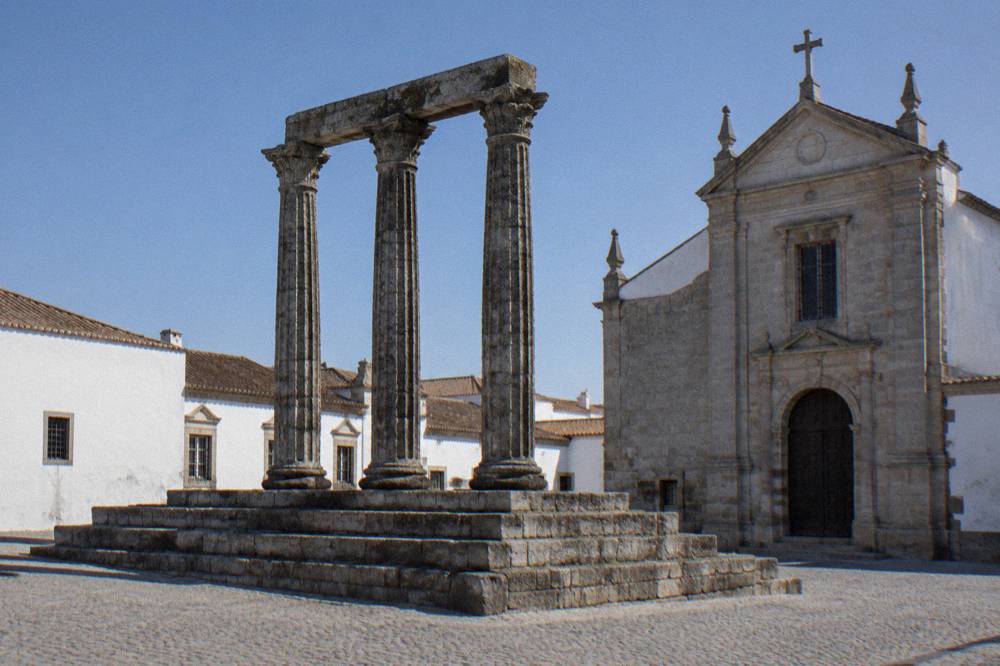
The Templo Romano, popularly called the Temple of Diana, costs nothing and explains a lot. The municipal page says it was probably dedicated to the imperial cult rather than to the goddess Diana, a name applied only since the 17th century, that it measures 25 x 15 m, and that its walls were freed in 1870 after centuries of reuse, including a spell as a municipal butcher's shop. It is the clearest single piece of evidence that Évora was a Roman city before it was a Portuguese one.
Beyond the monuments, the first day is for the streets: the Praça do Giraldo, the main square with its arcade and fountain, the lanes of the old Jewish quarter, and the shops selling cork and Alentejo wine. For a deeper cut, the things to do in Évora page collects the full range, and the Évora food guide covers what to eat, which in the Alentejo means bread soups, pork, sheep's cheese and the region's reds.
A themed walk adds structure to the evening. The Tales and Legends guided walking tour is one option.
Where Should You Stay In Évora, And For How Long?
Most travellers spend one to three nights in Évora, sleeping inside the walls for atmosphere or just outside them for easier parking and access, and the city rewards at least two nights: one for the monuments and one for the food, the wine and a day trip into the Alentejo. A municipal tourist tax applies to stays, and its amount is best confirmed with your hotel at booking.
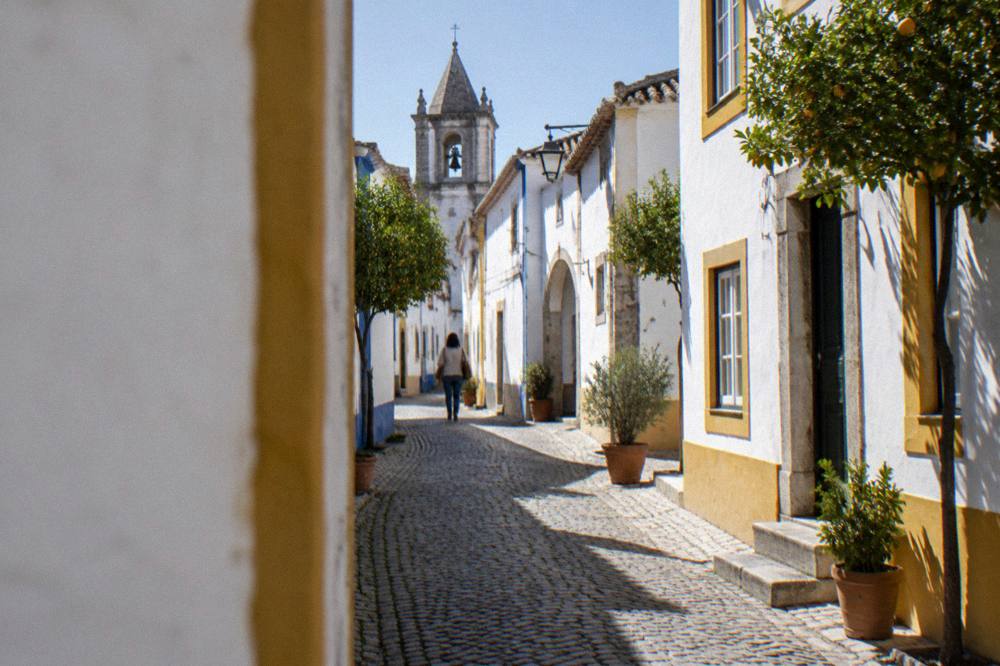
Inside the walls means whitewashed houses, church bells and a five-minute walk to everything, at the price of narrow lanes and, in summer, heat that lingers after dark in the stone. Just outside, along the modern ring, means easier arrivals by car and often a pool, at the price of a walk or short drive to dinner. The trade-offs are set out in detail in the where to stay in Évora guide, which covers the neighbourhoods one by one.
On length of stay, the honest answer is that one night is a taste and two is a proper visit. The monuments alone fill a day; the food and wine fill an evening; and the Alentejo around the city, Monsaraz about 40 to 45 km away, Estremoz about 45 km, Vila Viçosa about 60 km, Arraiolos about 20 km, deserves a day of its own if you have the time. The best day trips from Évora territory is covered elsewhere on this site, and the day-trip pages list each town.
Costs inside the city are modest by western European standards. The monument tickets above total well under 25 EUR for a full day of sightseeing, and the Évora cost and budget guide works through the rest, meals, accommodation ranges and how a two-night stay typically compares with a night in Lisbon or Seville.
For the second evening, two guided options stand out. A private walk with the cathedral and the Chapel of Bones built in, with monument tickets handled, suits travellers who want the headline sights explained properly.
And for something entirely different, a sidecar tour of the medieval city with a wine tasting turns sightseeing into a ride.
When Is The Best Time Of Year To Make The Trip?
The best months for a Madrid to Évora trip are April, May, late September and October, when the 1991 to 2020 normals for the Évora station show mean daytime highs of 20.7 C in April, 25.0 C in May, 29.5 C in September and 24.1 C in October, with rain still modest. July and August are the hardest months, with mean highs of 33.3 C and 33.5 C and 31.9 days a year reaching 35 C or more.
The climate data is the clearest argument for spring and autumn. IPMA's 1991 to 2020 normals for the Évora station, number 558, at 247.6 m altitude on the open plain, give this picture for the shoulder months:
| Month | Mean max (C) | Mean min (C) | Rain (mm) | Days with 1 mm or more |
|---|---|---|---|---|
| April | 20.7 | 8.5 | 62.1 | 8.0 |
| May | 25.0 | 10.9 | 46.6 | 6.0 |
| September | 29.5 | 14.6 | 33.9 | 3.6 |
| October | 24.1 | 12.3 | 81.5 | 7.7 |
Summer is a different proposition. The same normals put July's mean maximum at 33.3 C and August's at 33.5 C, with 23.7 and 25.0 days a month at 30 C or more respectively, and the station's record maximum stands at 45.4 C, set on 4 August 2018. The city's stone holds that heat after sunset. If summer is when you travel, plan the monuments for the morning, the Sé opens at 9:00 and the Capela dos Ossos at 9:00, lunch long, and the streets after dark. The best time to visit Évora and Évora weather pages carry the full monthly tables.
Winter is quiet and cold at night, with January mean minimums of 4.5 C and the record low of -4.2 C, recorded on 4 December 1998 and again on 23 January 2000. Daytime highs around 14 C make it a walking city still, and the low season means the restaurants and the museums are yours.
One dated reason to time a trip: Évora and the Alentejo are a European Capital of Culture in 2027, and 2026 is its preparation year, built around the concept of "Vagar". The GUADIANA festival of Afro-Ibero-American literatures ran its first edition from 9 to 11 October 2026 with 28 authors from nine countries, and the Feira de São João filled the Rossio de São Brás from 23 June to 5 July 2026. The full 2027 programme is not yet published, so if culture is the reason for the trip, watch the official programme rather than planning against a calendar that does not exist yet.
What Should You Check Before You Book?
Before booking a Madrid to Évora trip, confirm four things with the operators: the Madrid to Lisbon flight or rail fare for your date, the CP Intercidades departure you intend to catch from Oriente, the toll and cross-border arrangements for a rental car, and the opening days of the monuments against your arrival day, since the Museu de Évora closes on Mondays. Each check takes minutes and each one protects a day of the trip.
The monument closing days, all published by the sites themselves, are worth a table of their own:
| Monument | Closed |
|---|---|
| Sé de Évora | 24 December afternoon, 25 December, 1 January |
| Capela dos Ossos, Igreja de São Francisco | 1 January, Easter Sunday, 24 December afternoon, 25 December |
| Museu de Évora | Mondays, 1 January, Easter Sunday, 1 May, 29 June, 25 December |
On documents, Portugal and Spain are both in the Schengen area, so there is no border control on the drive, but the EU's Entry/Exit System has been fully deployed across Schengen since 10 April 2026, and non-EU travellers should carry the passport they entered on. ETIAS, the travel authorisation for visa-exempt visitors, is not yet in operation, and no start date has been confirmed, so check the official EU pages rather than a guide, including this one, before relying on either.
For the booking itself, the order that works is flight or Spanish rail first, then the CP train from Oriente, then accommodation, then any guided tours. Guided options in Évora and the surrounding Alentejo are collected on the Évora tours page, and the picks below are the three that fit a first visit best.
Common Questions About Madrid To Évora
Is there a direct train from Madrid to Évora?
No. The rail journey is made in two legs, Madrid to Lisbon on the Spanish network and then Lisboa Oriente to Évora on CP's Intercidades service, six through trains a day taking about 1 hour 40 to 1 hour 45. The Spanish leg is booked separately with its own operator.
Which airport should I fly into from Madrid for Évora?
Lisbon. It is the main gateway for the Alentejo, about 130 km by road from Évora, and it connects to the city by the CP Intercidades train from Oriente station. Seville works only if Andalusia is part of the trip, since the onward connection to Évora is a long overland leg.
How much does the train from Lisbon to Évora cost?
The CP Intercidades fare from Lisboa Oriente to Évora is 13.90 EUR in second class and 18.50 EUR in first class, in the price table valid from 1 January 2026. The six through trains run from 07:02 to 19:02, arriving between 08:47 and 20:46.
Is Évora worth the trip from Madrid?
For most travellers, yes, if the Alentejo is the point of the trip. Évora's historic centre has been UNESCO-inscribed since 1986, under criteria (ii) and (iv), with criterion (iv) calling it the finest example of a city of the golden age of Portugal after the 1755 Lisbon earthquake, which Évora was largely spared. The is Évora worth visiting page weighs the case in full.
How many days do I need in Évora?
Two nights is the sweet spot: one day for the Sé, the Capela dos Ossos, the Templo Romano and the Museu de Évora, and one for the food, the wine and a trip into the surrounding Alentejo, with Monsaraz about 40 to 45 km away and Estremoz about 45 km. One night works for a fast first taste.
Do I need a visa or authorisation to cross from Spain into Portugal?
Both countries are in the Schengen area, so there is no routine border control. The EU's Entry/Exit System has been fully deployed across Schengen since 10 April 2026, and ETIAS is not yet in operation, with no confirmed start date. Non-EU travellers should check the official EU pages for their nationality before travelling.
The journey from Madrid to Évora is really a journey into a different rhythm: Spain's speed gives way, at the border or at Oriente station, to the Alentejo's plains, and by the time the walls of Évora appear, the trip has already done half its work. Plan the legs with the operators, keep the train times in mind, and let the city take over from there.