Évora Or Coimbra: Which Portugal City Should You Visit?
Évora is the Alentejo's walled museum city of Roman temples and bone chapels; Coimbra is a riverside university town built on a hill. Here is how the two compare on access, cost, weather, food and pace.
Short answer
Évora suits travellers who want a compact, walkable, UNESCO-listed historic core in the hot, dry Alentejo plain, about 130 km from Lisbon, reached by a direct Intercidades train in about 1 hour 40 to 1 hour 45. Coimbra suits those who want a larger, hillier university city on a river further north. Évora's verified entry prices run 5.00 to 8 EUR for its main monuments.
Évora, Portugal, is the capital of the Alentejo district of that name, an inland city of golden limestone inside largely intact medieval walls, and the comparison travellers most often put it against is Coimbra, the old university city on the Mondego river further north. The two share a university tradition and a weight of history, but they sit in different landscapes, different climates and different halves of the country, and the choice between them usually comes down to what kind of trip you want rather than which city is objectively better. This guide compares them honestly: everything stated about Évora comes from verified official sources, and where Coimbra is described, it is described in general terms, because no comparable figures were verified for it on this build.
Where Are Évora And Coimbra, And How Different Are The Two Cities?
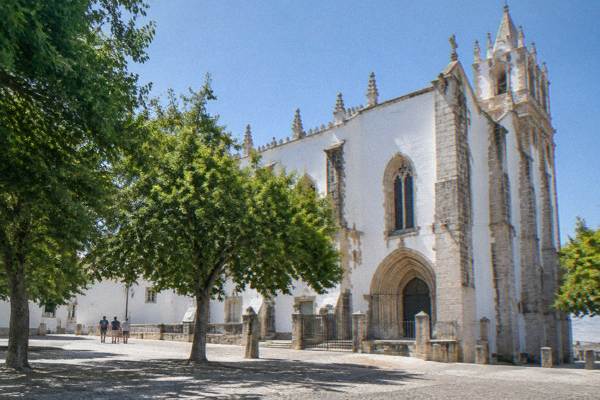
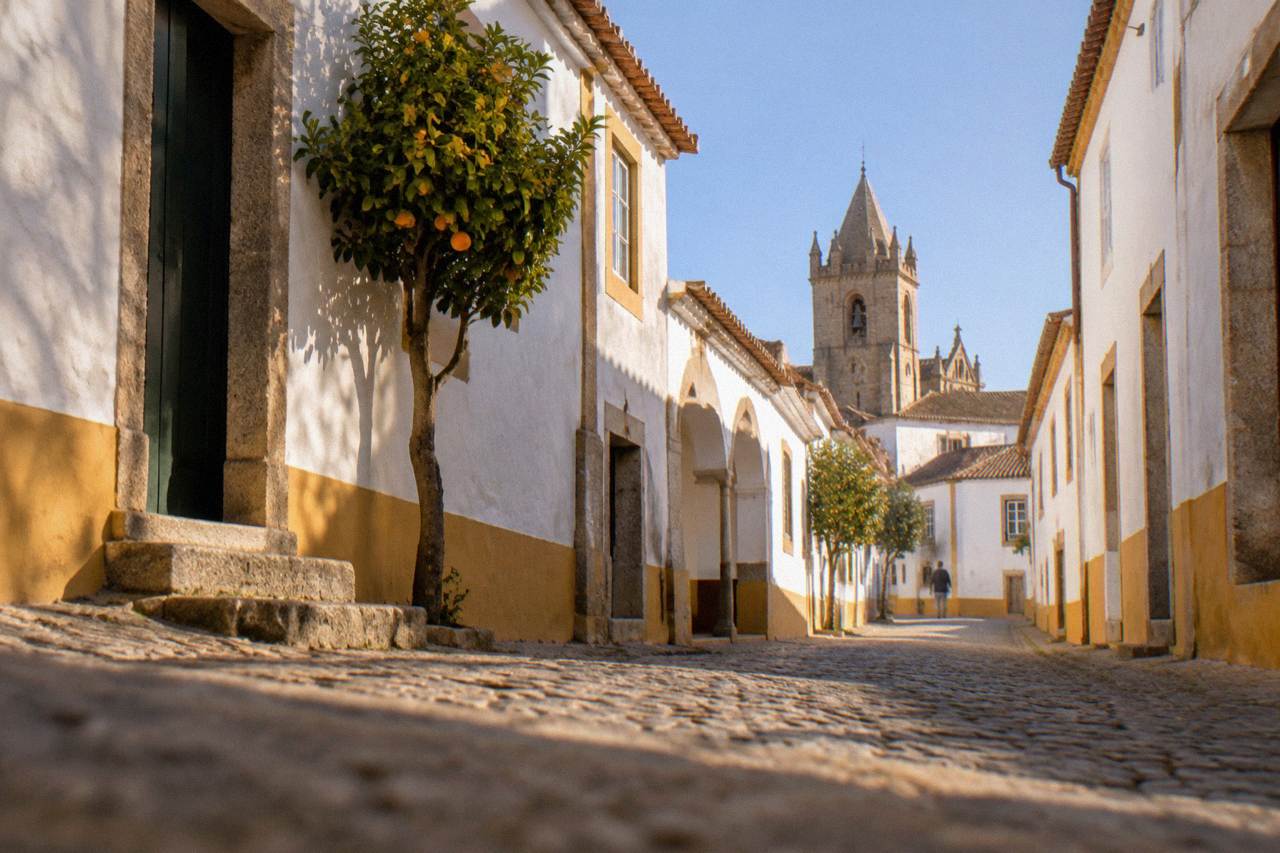
Évora lies inland on the hot, dry Alentejo plain of southern Portugal, about 130 km from Lisbon by road, a compact walled city whose entire historic centre was inscribed by UNESCO in 1986 under criteria (ii) and (iv). Coimbra sits in central Portugal on a steep hill above the Mondego river, a larger regional capital long known for its university.
The essential difference is scale and setting: Évora is a low, walkable museum city surrounded by cork plains and megaliths, while Coimbra is a hill town of staircases and a river.
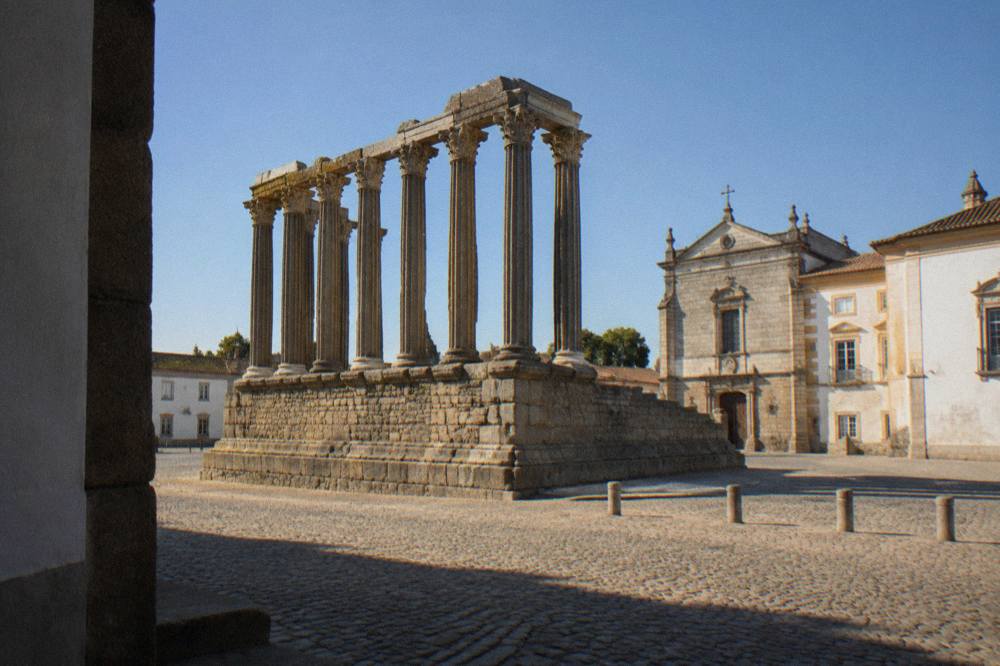
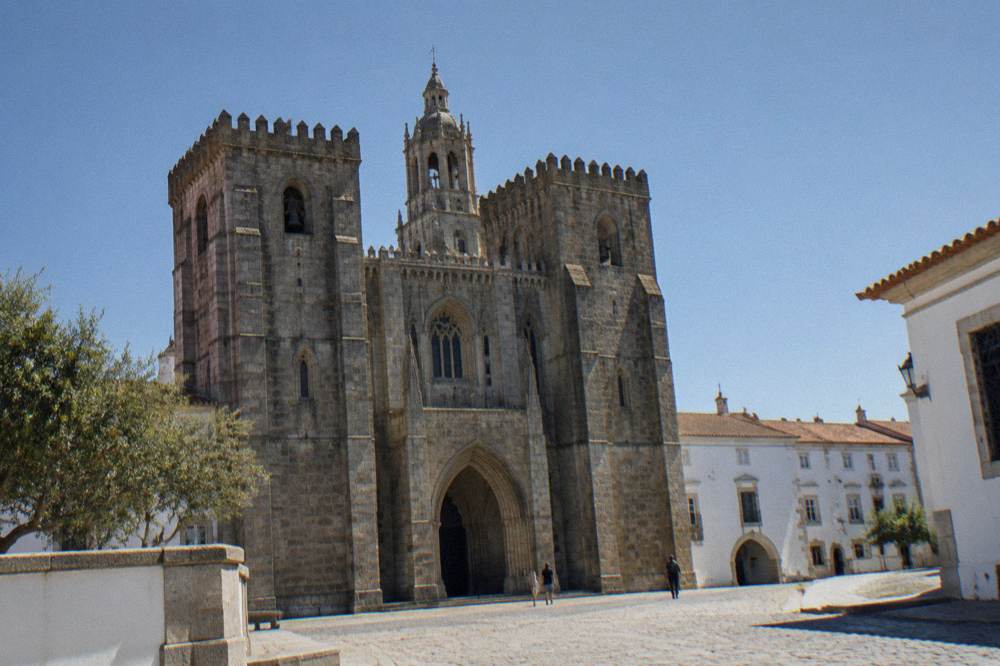
UNESCO's criterion (iv) wording calls Évora the finest example of a city of the golden age of Portugal after the 1755 Lisbon earthquake, which Évora was largely spared. That spared quality is visible everywhere in the centre: the Templo Romano, popularly called the Temple of Diana, still stands in the main square, and the municipal page says it was probably dedicated to the imperial cult rather than to the goddess, measures 25 x 15 m, was later reused as a municipal butcher's, and had its walls freed in 1870. Moorish rule ended in 1165, the Jesuit University of the Holy Spirit dates from 1553, and the Jesuits were expelled in 1759.
Coimbra's character is different in kind. It is general knowledge that the city served as Portugal's medieval capital before Lisbon, that its university dominates the hilltop with a famous baroque library, and that the old town climbs steeply from the river in a way Évora never does. No price, hour, distance or crowd figure for Coimbra is stated here, because none was verified. What can be said is architectural and atmospheric: Coimbra is vertical and riverside, Évora is horizontal and walled, and the Alentejo light that hits Évora's limestone is a different thing from the northern shade of a hill city.
For a fuller sense of what Évora holds, see what Évora is known for and the UNESCO historic centre guide.
Which Is Easier To Reach From Lisbon?
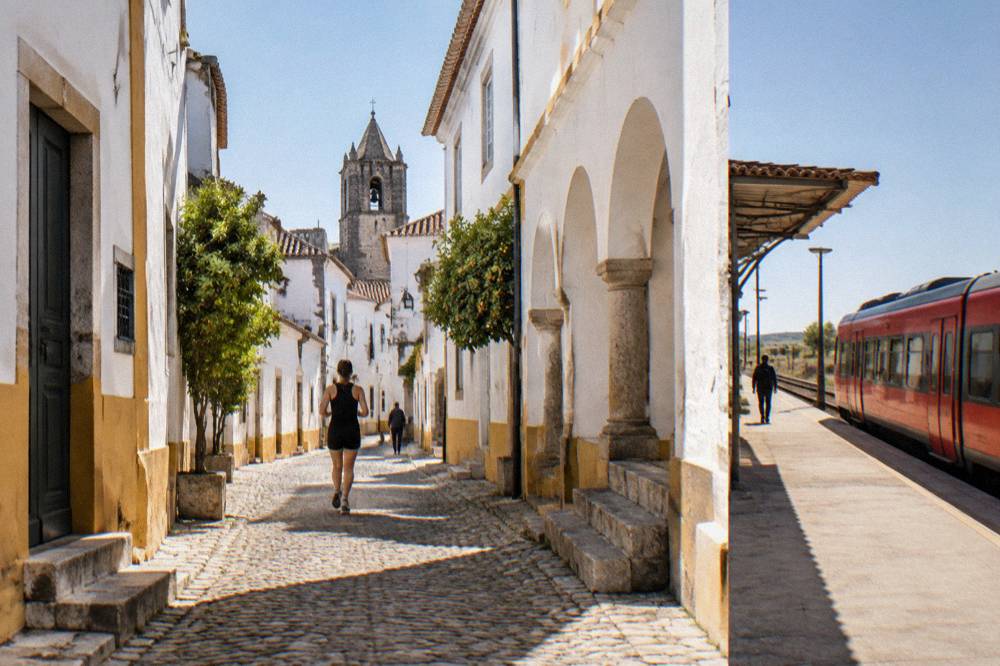
Évora is reached from Lisboa Oriente by six through CP Intercidades trains a day, taking about 1 hour 40 to 1 hour 45, with a second-class fare of 13.90 EUR and first class at 18.50 EUR, per the CP timetable valid since 6 September 2026. Coimbra is also served by rail from Lisbon, but no times, fares or frequencies for that route are stated here because none were verified on this build.
That timetable is the single most useful planning fact for an Évora trip, and it is worth reading closely. Departures from Lisboa Oriente run at 07:02, 09:02, 09:58, 13:35, 17:02 and 19:02, arriving 08:47, 10:45, 11:40, 15:13, 18:41 and 20:46, with no change needed at Casa Branca on these through trains. The morning trains put you in Évora before 09:00 or just after 10:40, which is enough for a full day inside the walls; the 17:02 and 19:02 returns cover both an early dinner in the Alentejo and a late one. The CP price table lists 13.90 EUR second class and 18.50 EUR first class for Lisboa Oriente to Évora. Check the operator's own timetable PDF for weekday remarks before assuming every departure runs every day.
Coimbra's rail link is, in general terms, a main line connection with more frequent services than a branch line, because it sits on the corridor between Lisbon and Porto. That is character, not a figure. Travellers weighing the two should check the operator's live timetable for the Coimbra route rather than rely on any number printed here.
The practical asymmetry is this: Évora is a branch-line terminus at the end of a short, cheap ride from Lisbon, and the city is small enough that the station-to-centre walk is part of the visit. For the full picture, see Lisbon to Évora by train and the wider Lisbon to Évora guide.
What Do The Main Monuments In Évora Cost To Enter?
The Sé de Évora complete visit, covering cathedral, cloister, roof terrace and museum, is 5.00 EUR with children up to 12 free; the Capela dos Ossos and Igreja de São Francisco museum ticket is 7.00 EUR adult, 5.00 EUR for youth to 25 and seniors over 65, 15.00 EUR for a family; and the Museu de Évora charges 8 EUR adult.
The Évora Ticket costs 8 EUR for one day, 10 EUR for two, 12 EUR for three, and does not include the Sé, the Capela dos Ossos or the Museu de Évora.
The detail that trips up most visitors is that last clause. The Évora Ticket covers the Cidade-Museu network of municipal sites, and the three biggest draws are not in it, so buying the pass does not replace the cathedral and bone chapel tickets. The Sé's ticket page states there is no cheaper roof-only tier: one price, 5.00 EUR, buys the complete visit, and the museum's last admission is 30 minutes before the 17:00 closing.
| Évora monument | Adult ticket | Reduced | Hours (verified) | Closed |
|---|---|---|---|---|
| Sé de Évora, complete visit | 5.00 EUR | Children up to 12 free | 9:00-17:00 | 24 Dec afternoon, 25 Dec, 1 Jan |
| Capela dos Ossos / Igreja de São Francisco | 7.00 EUR | Youth to 25 and seniors over 65 5.00 EUR, family 15.00 EUR | Summer 9:00-18:30, winter 9:00-17:00 | 1 Jan, Easter Sunday, 24 Dec afternoon, 25 Dec |
| Museu de Évora | 8 EUR | Youth 13-24, seniors over 65, family 50% off, free to age 12 | Tue-Sun 9:30-13:00 and 14:00-17:30 | Mondays, 1 Jan, Easter Sunday, 1 May, 29 June, 25 Dec |
| Évora Ticket, 1 day | 8 EUR | Free to age 12 | Network sites vary | Does not include the Sé, Capela dos Ossos or Museu de Évora |
| Évora Ticket, 2 days | 10 EUR | Free to age 12 | Network sites vary | Does not include the Sé, Capela dos Ossos or Museu de Évora |
| Évora Ticket, 3 days | 12 EUR | Free to age 12 | Network sites vary | Does not include the Sé, Capela dos Ossos or Museu de Évora |
The Convento dos Lóios is a different case: its official page lists the price as temporarily unavailable, so no ticket price is stated here at all. The Igreja de São Francisco notes on its own page that it is a private religious entity and does not apply State Museum discounts, which matters if you are carrying a museum pass and expecting reciprocity.
Coimbra's entry prices are not stated here, because nothing was verified for them. In general terms, university cities with major libraries and palaces tend to charge separately for their headline interiors, and travellers should check each operator's or institution's own notice before budgeting.
A guided walk is one way to sidestep the ticket arithmetic entirely. The Évora small-group cultural walking tour and Chapel of Bones covers the centre and the bone chapel in two hours, from $77.66 per person, rated 4.9 from 141 reviews on the operator's listing. Check availability
Évora Or Coimbra For Food And Wine?
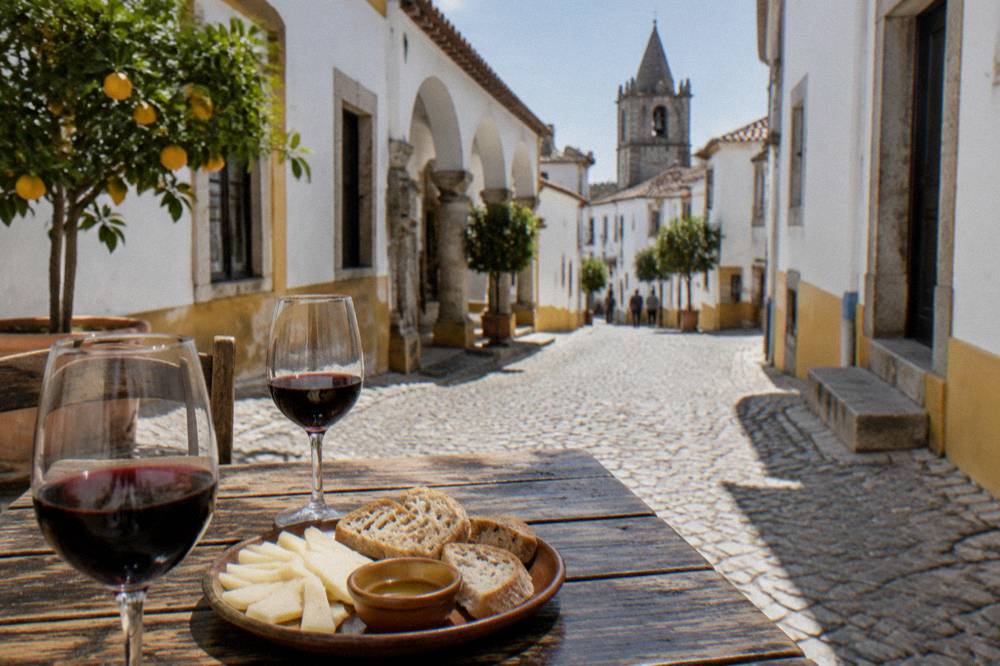
Évora is the natural base for Alentejo food and wine: the region's bread-based dishes, pork, sheep's cheese and full-bodied reds are the city's everyday table, and the verified guided options run from an evening food and wine crawl at $83.28 per person to a full-day wine tour around Évora at $321.11 per person with lunch and transport. Coimbra's table belongs to central Portugal's own traditions; no restaurant, dish price or winery detail for Coimbra is stated here, because none was verified.
The Alentejo is one of Portugal's defining wine regions, and Évora sits in the middle of it. The guided products reflect that. The Alentejo wine and cork tour from Évora combines both signature industries of the plain in four hours from $78.78 per person, rated 4.7 from 24 reviews. The cork factory and cork farm tour with lunch included runs eight hours from $112.55 per person. For a shorter taste of the landscape, a two-hour walk in a cork forest costs from $71.10 per person, rated 4.7 from 43 reviews.
Coimbra's food identity, described only in general terms, is that of a northern-central university city: heartier, with its own pastry tradition and a river historically tied to its cooking. That is a fair character sketch, not a verified price list, and any traveller comparing the two tables should check menus in Coimbra directly.
For the Évora side of the plate, the deeper guides are Évora restaurants, the Évora food guide and Alentejo food.
How Does The Weather Compare Between The Two?
Évora's verified climate, the IPMA 1991-2020 normals for the Évora station (558), shows an annual mean of 16.6 C, a July mean maximum of 33.3 C and an August mean maximum of 33.5 C, with 31.9 days a year reaching 35 C or more and a record of 45.4 C set on 4 August 2018.
Coimbra, in general terms, sits in a milder, more Atlantic-influenced part of the country, but no temperature or rainfall figure for Coimbra is stated here. Évora is inland: the Atlantic is roughly 90 km away. Everything else covered here is indexed on Évora Travel Guide.
The Évora numbers deserve to be read properly, because they shape every summer itinerary. Rain is heavily seasonal: 68.9 days a year with 1 mm or more, but only 0.6 of those in July and 0.7 in August, against 8.8 in November and 8.7 in December. Annual precipitation is 596.1 mm. The heat rows are the ones that matter for planning: 23.7 days at 30 C or more in July and 25.0 in August, with 11.5 and 10.9 of those at 35 C or more.
| Month | Mean max (C) | Mean min (C) | Rain (mm) | Days 30 C+ | Days 35 C+ |
|---|---|---|---|---|---|
| April | 20.7 | 8.5 | 62.1 | 0.3 | 0.0 |
| May | 25.0 | 10.9 | 46.6 | 5.5 | 0.7 |
| June | 30.2 | 13.8 | 10.6 | 15.1 | 5.6 |
| July | 33.3 | 15.6 | 2.7 | 23.7 | 11.5 |
| August | 33.5 | 16.0 | 6.0 | 25.0 | 10.9 |
| September | 29.5 | 14.6 | 33.9 | 13.9 | 3.1 |
| October | 24.1 | 12.3 | 81.5 | 2.9 | 0.1 |
Every figure in that table is a 1991-2020 average for the Évora station, and it should be labelled that way in your head when you use it. The record low, -4.2 C, was recorded on 4 December 1998 and 23 January 2000, a reminder that the Alentejo plain can freeze in winter even as it bakes in summer. No sunshine hours, wind or humidity figures exist in the verified normals, and none are stated.
Coimbra's climate, in general terms, runs cooler and wetter in the northern-central pattern, but the choice should not be made on weather comparison numbers, only on the verified Évora figures plus a check of current forecasts. For the full picture see Évora weather and the best time to visit Évora.
Which City Suits A Day Trip, And Which Suits A Longer Stay?
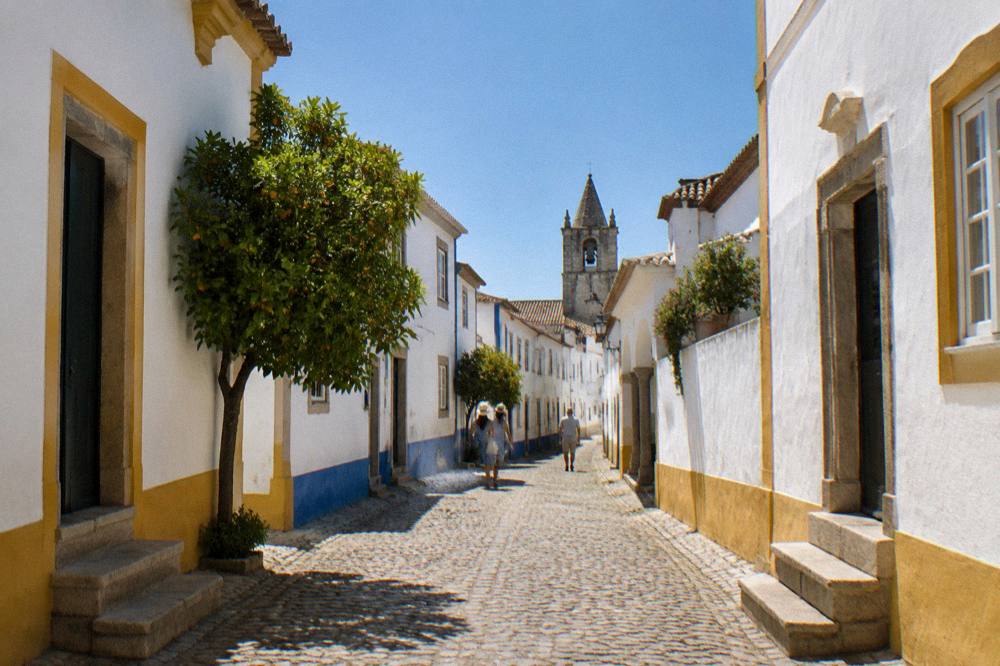
Évora works as a day trip from Lisbon on the verified train times, since the 07:02 departure arrives at 08:47 and the 19:02 return allows a full eleven hours in the city, and it equally rewards two or three days once the megaliths, Monsaraz and the wine route are counted. Coimbra, in general terms, is often treated as a stop between Lisbon and Porto rather than a base, though nothing about its stay length is verified here.
The one-day and two-day itineraries already exist as guides: one day in Évora and two days in Évora, plus a dedicated is Évora worth a day trip from Lisbon page. The budget picture, including the ticket prices above and the train fare, is laid out in Évora cost and budget.
For travellers who want the city explained rather than just walked, the guided range is broad. The Évora personal and flexible walking tour in the historic centre is the budget option at from $13.51 per person, rated 4.8 from 105 reviews over three hours. The private walking tour with cathedral and Chapel of Bones runs from $111.42 per person, rated 5 from 106 reviews. The skip-line university, cathedral and bones chapel tour with wine, from $91.39 per person, rated 5 from 48 reviews, bundles the monuments with a tasting.
There is also a free layer. The Essential Free Tour of Évora on GuruWalk, tip based, rated 4.93 from 774 reviews over two hours, is a genuine way to get oriented, and Évora through history and how it shaped the city, another GuruWalk walk rated 4.88 from 74 reviews, covers the same ground from a different angle. GuruWalk's model is pay what you want at the end, which suits a first afternoon perfectly.
What Day Trips Does Each City Open Up?
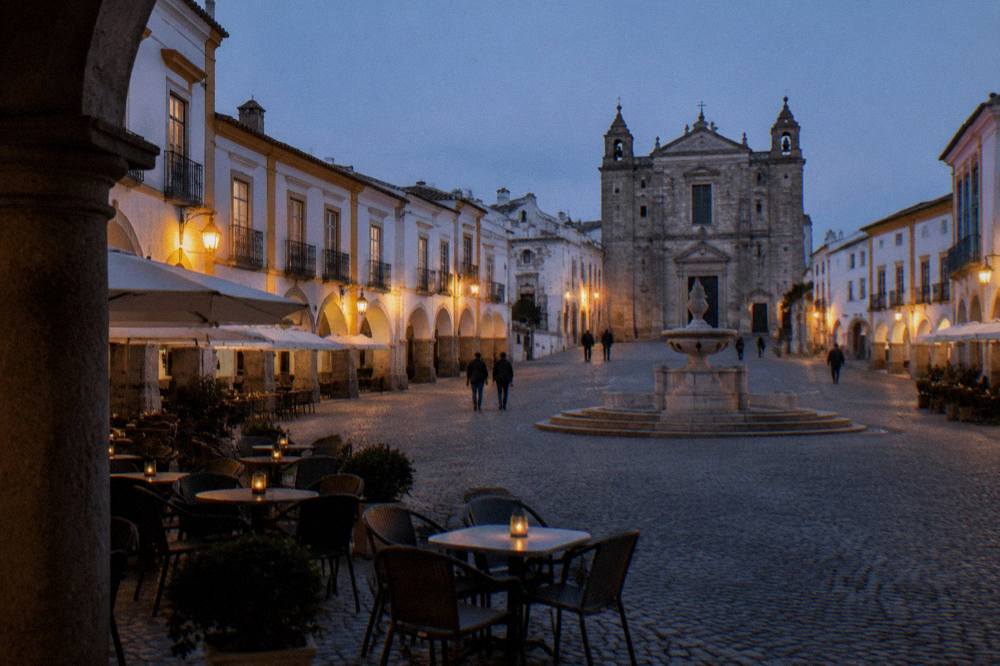
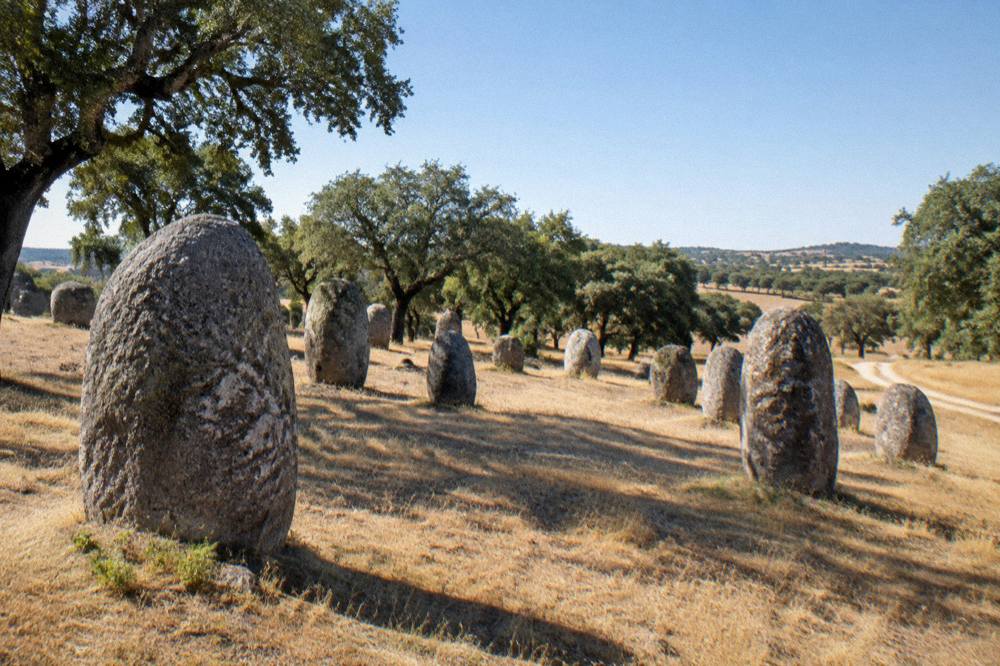
Évora's verified day-trip range is the Alentejo: Monsaraz about 40-45 km away, Estremoz about 45 km, Vila Viçosa about 60 km, Elvas about 80 km and Marvão about 120 km, all rounded "about" distances, plus the Cromeleque dos Almendres megalithic complex in the countryside near the city. Coimbra's hinterland, in general terms, includes older university towns and Atlantic coast within reach, but no distance, time or entry figure for any Coimbra day trip is stated here.
The Almendres Interpretation Centre, the municipality's partner site in the village of Guadalupe, publishes summer hours of 10:00-18:00 from 1 May to 31 October and winter hours of 10:00-17:00, and its directions say to take the national road toward Lisbon and after 8 km follow the turn-off. The stones themselves are an open-air monument with free entry, per the general reporting on the site. No stone count, age or driving time is stated here, because none is verified.
| Day trip from Évora | Rounded distance | What it is | Verified detail |
|---|---|---|---|
| Arraiolos | About 20 km | Hilltop town famous for embroidered carpets | No hours or fees stated |
| Monsaraz | About 40-45 km | Walled medieval village above the Alqueva lake | Guided tours from Évora from $78.78 per person |
| Estremoz | About 45 km | Marble town with a castle | Walking tour from $28.67 per person, rated 4.8 |
| Vila Viçosa | About 60 km | Ducal palace and marble quarries | Marble tours from $28.14 per person, rated 4.8 |
| Elvas | About 80 km | Fortified border city, UNESCO listed | No hours or fees stated |
| Marvão | About 120 km | Mountain-top walled village | No hours or fees stated |
The guided megaliths options are strong. The half-day megaliths cromlech tour from Évora by archaeologists costs from $74.54 per person and is rated 5 from 77 reviews, and the shorter cromlech and Great Dolmen of Zambujeiro tour runs three hours from $33.76 per person, rated 5 from 54 reviews. The megalithic and cork forest combination, four hours from $50.65 per person, rated 4.9 from 41 reviews, is the one that pairs the stones with the landscape they sit in.
Coimbra's day trips, described only in character, run toward the coast, the mountains inland of it and the historic towns of central Portugal. That is a different palette: Atlantic versus plain, granite versus limestone. Neither is better as fact; they are different trips, and the choice between them is a choice between two regions of Portugal as much as between two cities.
For the Évora side, the full range is in the best day trips from Évora, with dedicated pages for Monsaraz, Estremoz and Vila Viçosa.
Évora Or Coimbra: How To Decide For Your Trip
Choose Évora if you want a compact, flat, walkable UNESCO-listed city in the hot Alentejo plain, reached from Lisbon in about 1 hour 40 to 1 hour 45 for 13.90 EUR, with verified monument tickets of 5.00 to 8 EUR, a megalithic countryside on the doorstep and a wine region all around it. Choose Coimbra if you want a larger, hillier university city on a river in central Portugal with a different, more northern atmosphere.
A practical way to frame it is by trip type. A Lisbon-based traveller with one spare day gets a genuinely complete Évora visit on the verified train times, and the is Évora worth visiting page works through that case in detail. A traveller building a week around food, wine and slow landscapes should weight Évora heavily, because the Alentejo rewards depth: three days in the city and the region is a recognised shape, and the three days in Évora and the Alentejo itinerary shows it. A traveller moving between Lisbon and Porto passes close to Coimbra by nature of the geography, which makes it a natural stop rather than a detour. Only Évora's side of the comparison carries verified figures here, so let the Alentejo numbers and your own check of Coimbra decide.
| If you want... | The stronger fit | Why |
|---|---|---|
| A day trip from Lisbon by train | Évora | Six through Intercidades trains, about 1 h 40 to 1 h 45, 13.90 EUR second class |
| Megalithic sites | Évora | Cromeleque dos Almendres and the Zambujeiro dolmen in the surrounding countryside |
| Wine and cork landscapes | Évora | Alentejo wine region, guided tours from $50.65 per person |
| A riverside hill city | Coimbra | General character only; no verified figures stated |
| A stop between Lisbon and Porto | Coimbra | General geography only; no route figures stated |
| A UNESCO walled historic centre | Évora | Inscribed 1986, criteria (ii) and (iv), centre intact after 1755 |
The guided options below cover the three most useful shapes of an Évora visit: the small-group cultural walk with the Chapel of Bones, the sidecar tour with a wine tasting, and the skip-line monuments-plus-wine bundle.
Whichever city wins your nights, Évora rewards the traveller who arrives by the 07:02, walks the walls before the heat, buys the 5.00 EUR cathedral ticket for the roof terrace, and saves the evening for an Alentejo red.
Common Questions About Évora Or Coimbra
Is Évora or Coimbra better for a day trip from Lisbon?
For Évora, the verified answer is yes: six through CP Intercidades trains run from Lisboa Oriente, taking about 1 hour 40 to 1 hour 45 at 13.90 EUR second class, with the 07:02 arriving 08:47. No Coimbra times or fares are verified here, so compare against the operator's live timetable before deciding.
Is Évora cheaper than Coimbra?
Only Évora's side is verified: the Sé complete visit is 5.00 EUR, the Capela dos Ossos museum ticket 7.00 EUR, the Museu de Évora 8 EUR, and the Évora Ticket 8 EUR for one day. No Coimbra price is stated. Check Coimbra's own institutional pages for its current figures.
Which is hotter, Évora or Coimbra?
Évora's verified IPMA 1991-2020 normals show a July mean maximum of 33.3 C and August 33.5 C, with 31.9 days a year at 35 C or more. Coimbra's climate is not verified here; in general terms it is milder and more Atlantic-influenced, but check a current forecast for your dates.
Can you visit Évora and Coimbra on the same trip?
Yes, in principle, as both are reachable from Lisbon, but the only verified transport figures here are the Lisboa Oriente to Évora trains. Plan the connection through the operators' own timetables rather than any figure printed here, and give each city at least a full day.
What is Évora best known for?
The UNESCO-listed historic centre inscribed in 1986, the Templo Romano, the Capela dos Ossos in the Igreja de São Francisco, the Sé de Évora, and its role as capital of the Alentejo, surrounded by cork plains and megalithic sites like the Cromeleque dos Almendres.
Do you need a car in Évora?
No for the city itself, which is compact and walkable inside the walls, and the train from Lisbon removes the need to drive at all. For the megaliths and the farther day-trip towns, guided tours from Évora are the verified alternative, and the Évora parking guide covers the case for drivers.