Getting Around Évora
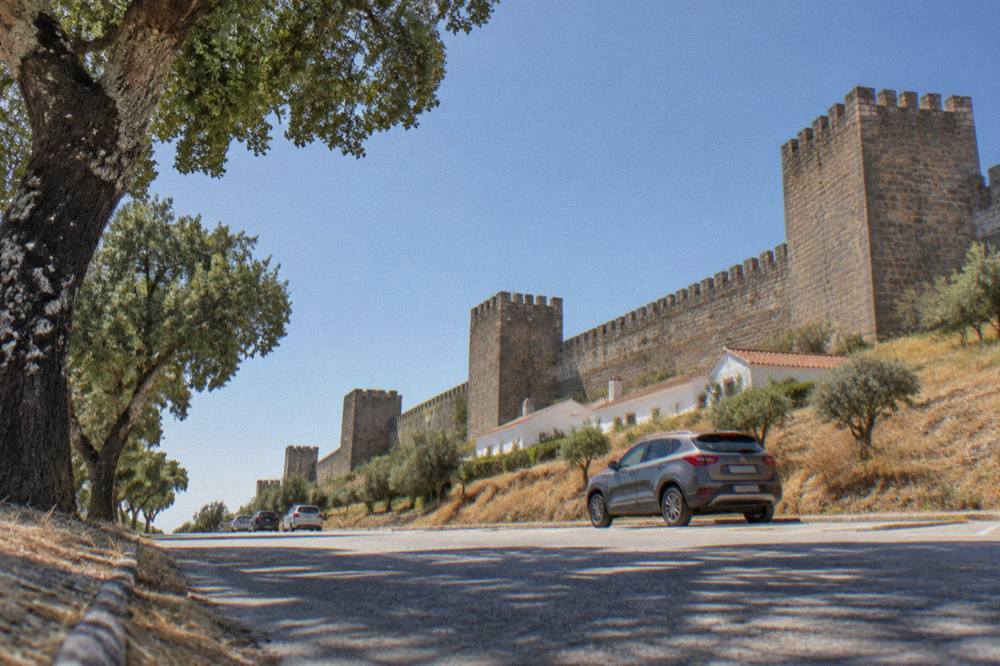
Évora, Portugal, is a small inland Alentejo city whose entire historic centre sits inside Roman and medieval walls, which changes how you move around it: on foot, almost everywhere.
Short answer
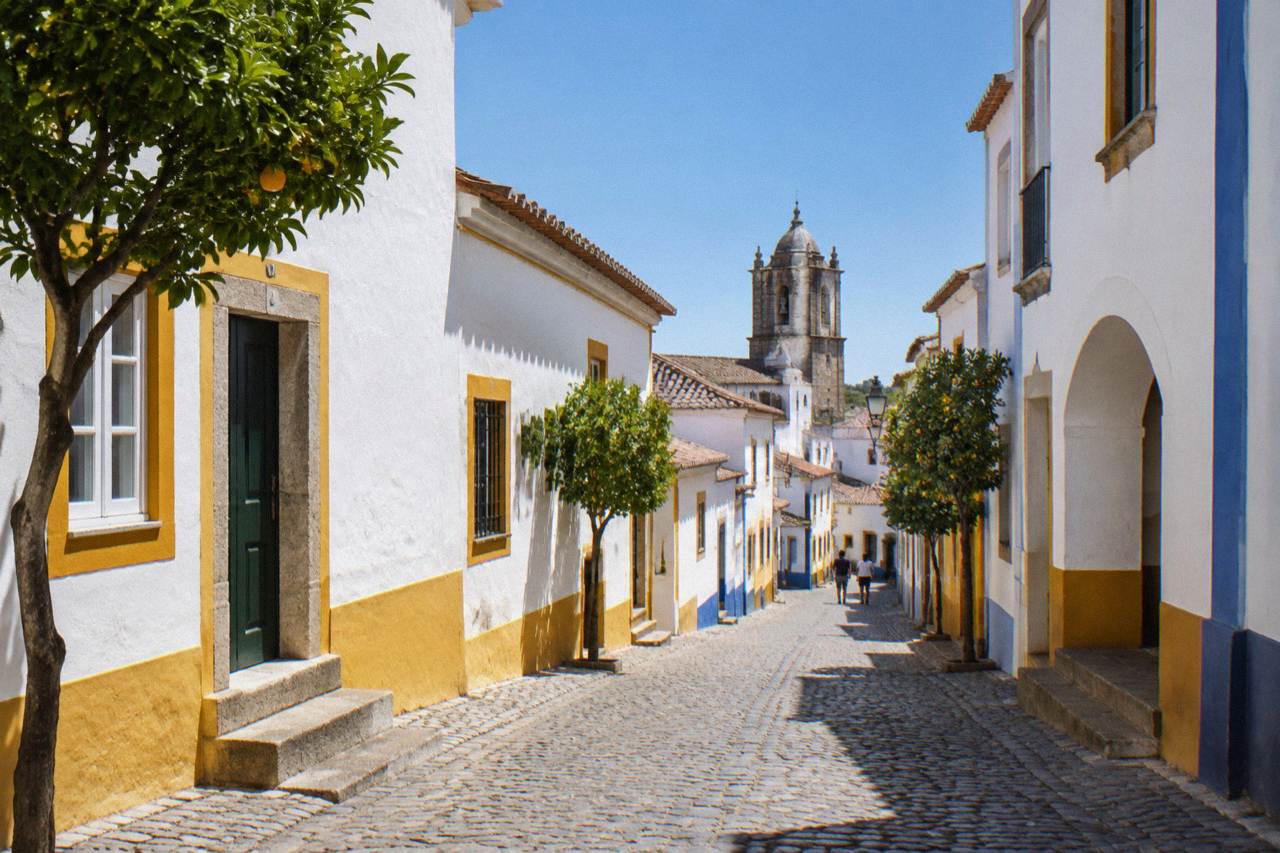
Évora is best explored on foot. The walled centre is compact and pedestrian-friendly, taxis are useful mainly for the train and bus stations or late-night returns, and a car only earns its keep for the megalithic sites and Alentejo day trips.
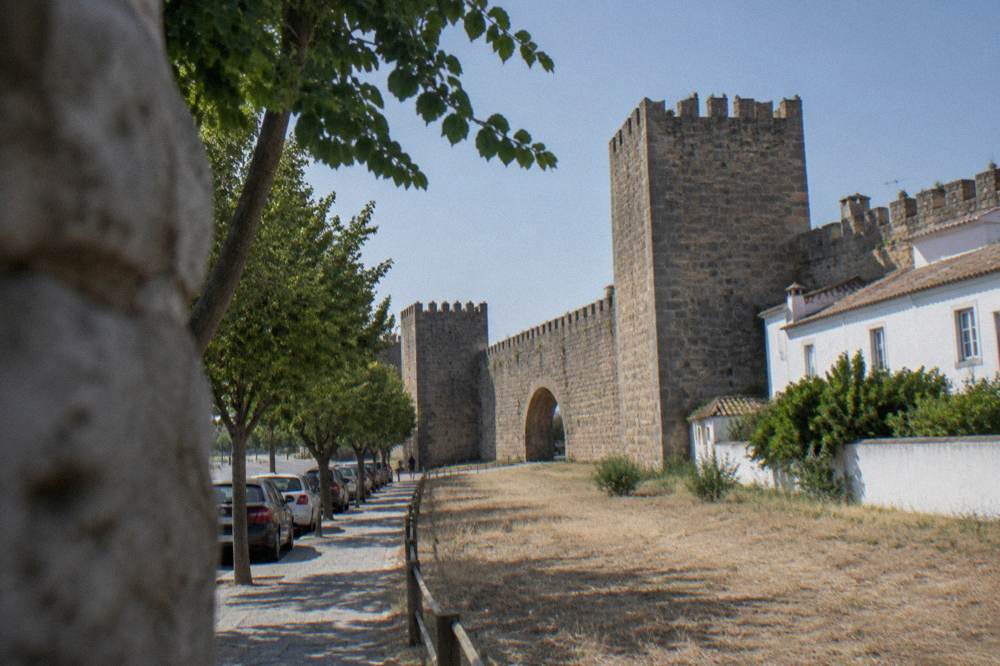
Évora, the capital of the Alentejo region of Portugal, is a city built to be walked. Its entire historic core, the UNESCO-listed centre inscribed in 1986, fits inside a belt of Roman and medieval walls, and nearly every sight a visitor comes for, the Sé, the Capela dos Ossos, the Templo Romano, the Praça do Giraldo, sits within a short stroll of the others. That single geographic fact shapes everything about transport here. The question is rarely how to cross Évora; it is how to arrive, where to sleep, and whether to keep a car for the Alentejo beyond the walls.
The editorial desk reports only what primary sources publish, and says plainly where a figure is not published at all.
Is Évora Walkable Without A Car?
Yes, entirely: the historic centre of Évora is a compact, mostly pedestrian-scale district inside the walls, and every major monument, square and museum in it can be reached on foot from any other, with distances short enough that no timed itinerary is needed. Cars are more hindrance than help inside the centre, and the standard visitor pattern is to arrive, park or step off the train, and not drive again until departure day.
The city's layout explains why. Évora grew inside successive walls, first Roman, then medieval, and the street plan still follows those boundaries. The Praça do Giraldo, the main square, the Sé de Évora with its cloister and roof terrace, the Igreja de São Francisco and its Capela dos Ossos, the Templo Romano and the Museu de Évora all stand within the same small grid of cobbled lanes. The tourist office itself sits on the Praça do Giraldo at number 73, which tells you where the centre of gravity is.
Cobbles are the one honest caveat. The streets are stone-set, the summer is hot, and the IPMA 1991 to 2020 normals for the Évora station show a July mean maximum of 33.3 C and an August mean maximum of 33.5 C, with 31.9 days a year reaching 35 C or more. Comfortable shoes and a morning start are the practical answer, and the best time to visit Évora matters more here than in coastal cities, because there is no sea breeze 90 kilometres inland.
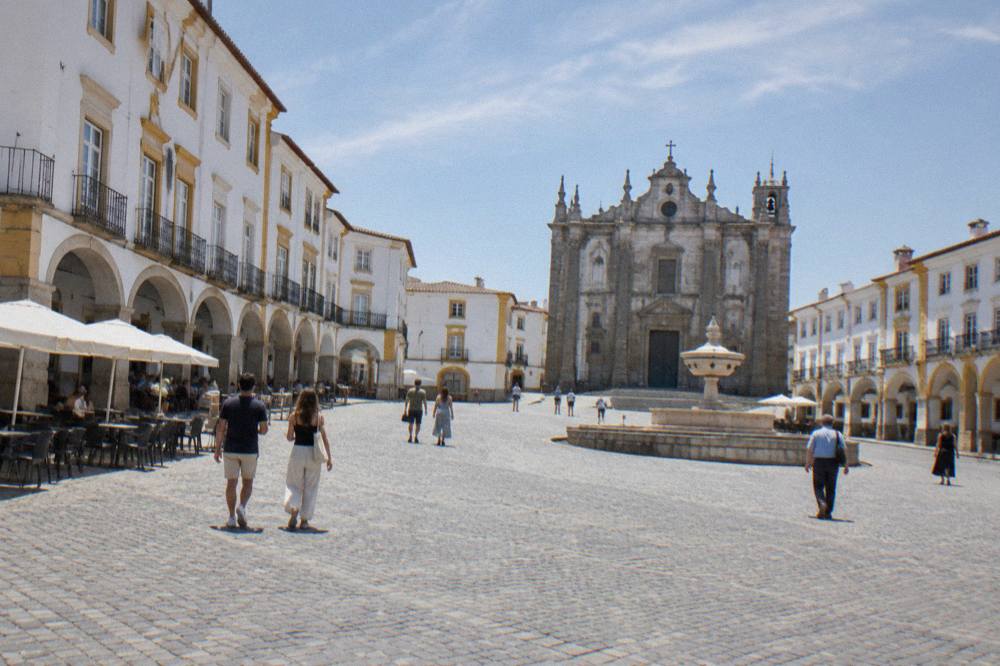
For orientation, a guided walk compresses the learning curve. The Évora: Tales and Legends Guided Walking Tour runs about 2.5 hours and threads the lanes between the walls with the stories attached, and it is the kind of introduction that makes every later self-guided stroll richer.
Do You Need A Taxi In Évora?
Most visitors do not: a taxi in Évora is a station-to-hotel tool and a late-night tool, not a way to see the city, because the centre is walkable and the sights cluster together. The honest position is that no taxi fare, tariff or booking figure for Évora is published in a verified source, so treat any number you see elsewhere with caution and agree the fare or check the meter before setting off.
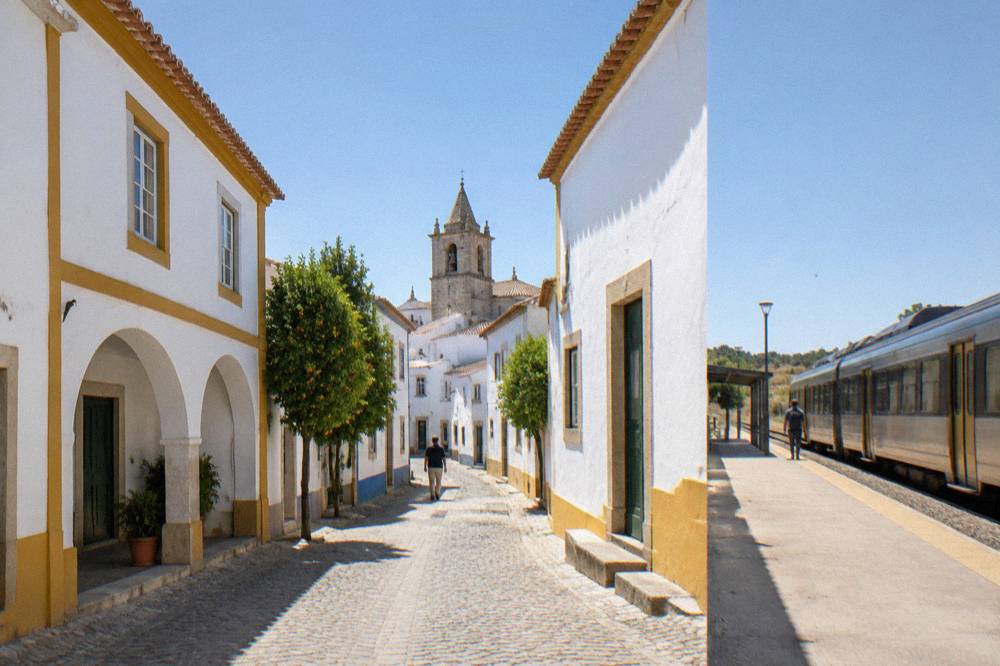
Where taxis genuinely help: the run between the railway station and a hotel inside the walls, the same trip from the bus terminal, and a return after a late dinner in the lanes. The station sits outside the historic core, so arriving with luggage is the classic case for a short ride rather than a drag over cobbles.
What no verified source supports: a published fare table, a fixed price from the station, an airport transfer rate, or a taxi cost out to the Cromeleque dos Almendres. The municipal and operator pages this desk checks publish none of these, and an invented figure is worse than none. If a driver quotes a flat rate, confirm it covers your whole party and luggage before accepting.
For the megalithic sites, the honest answer is a guided tour rather than a taxi: the Almendres Interpretation Centre in the village of Guadalupe publishes summer hours of 10:00 to 18:00 from 1 May to 31 October and winter hours of 10:00 to 17:00 from 1 November to 30 April, and its own directions describe taking the national road toward Lisbon and following the turn-off after about 8 kilometres, which is a drive, not a walk.
How Do You Get From Lisbon To Évora?
The CP Intercidades train is the verified backbone of the route: the current timetable lists six through trains a day from Lisboa Oriente to Évora, departing at 07:02, 09:02, 09:58, 13:35, 17:02 and 19:02 and arriving about 1 hour 40 to 1 hour 45 later, with a second-class fare of 13.90 EUR and first class at 18.50 EUR. Coaches also run the route, usually a little under two hours, but no coach fare or timetable is verified.
The train is the option with a published, checkable schedule. CP's own PDF lists the six through departures above, calling at Entrecampos, Sete Rios, Pragal, Pinhal Novo, Vendas Novas and Casa Branca, with no change needed on these services. Arrivals in Évora land at 08:47, 10:45, 11:40, 15:13, 18:41 and 20:46.
| Train | Lisboa Oriente departure | Évora arrival |
|---|---|---|
| Intercidades 1 | 07:02 | 08:47 |
| Intercidades 2 | 09:02 | 10:45 |
| Intercidades 3 | 09:58 | 11:40 |
| Intercidades 4 | 13:35 | 15:13 |
| Intercidades 5 | 17:02 | 18:41 |
| Intercidades 6 | 19:02 | 20:46 |
| CP fare, Lisboa Oriente to Évora | Price |
|---|---|
| Second class | 13.90 EUR |
| First class | 18.50 EUR |
Coaches are the alternative. Rede Expressos and FlixBus are the operators usually named for the Lisbon to Évora route, with journeys reported at roughly 1 hour 20 to 1 hour 50, but the operator pages were not readable by this desk's verification pass, so no fare, no timetable and no station address is stated here. Say it plainly: check the operator's live listing before planning around a coach. The full picture, including the drive, is in the Lisbon to Évora guide, with the rail detail in Lisbon to Évora by Train and the coach detail in Lisbon to Évora by Bus.
Where Do You Park When Driving To Évora?
The working rule is to park at the edge of the historic centre and walk in, because the lanes inside the walls are narrow, cobbled and largely unsuited to visiting traffic, and the verified guidance for drivers is to use the peripheral car parks and the ring roads rather than attempt the centre. No specific car park price, capacity or rule for Évora is published in a verified source, so check signage on arrival rather than any figure quoted online.
Driving to Évora is straightforward: Lisbon is about 130 km away by road, and the city is a regional hub on the Alentejo plain. The difficulty starts at the walls. The historic centre is a dense grid of one-lane stone streets, resident parking dominates inside them, and the practical pattern, used by hotels and locals alike, is to leave the car outside the walls for the whole stay.
The dedicated parking in Évora guide covers the approach in detail. For this page, the essential point is that once parked, you will not need the car again until you leave, unless the day's plan takes you beyond the walls.
A small municipal tourist tax applies to overnight stays in Évora, per the 2025 municipal notice; the amount was not read on the official page, so check your hotel rather than any number printed elsewhere.
What Does The Évora Ticket Cover And Is It Worth It?
The Évora Ticket costs 8 EUR for one day, 10 EUR for two days and 12 EUR for three days, with free entry to age 12, and it covers the city's Cidade-Museu network of sites, but it does not include the Sé de Évora, the Capela dos Ossos or the Museu de Évora, which sell their own tickets separately, so it is a pass for the smaller municipal sites, not an all-inclusive monument pass.
The three headline sights each price independently on their official pages. The Sé's single ticket, 5.00 EUR, covers the cathedral, cloister, roof terrace and museum, with children up to 12 free. The Igreja de São Francisco's museum ticket, which includes the Capela dos Ossos, is 7.00 EUR for adults, 5.00 EUR for youth to 25 and seniors over 65, and 15.00 EUR for a family. The Museu de Évora charges 8 EUR for adults, with 50% off for youth 13 to 24, seniors over 65 and families, and free entry to age 12. The rest of the planning pages sit on Évora Travel Guide.
| Ticket | Price | Notes |
|---|---|---|
| Sé de Évora complete visit | 5.00 EUR | Cathedral, cloister, roof terrace, museum; children to 12 free |
| Capela dos Ossos museum ticket | 7.00 EUR | Adult; youth to 25 and seniors over 65 5.00 EUR; family 15.00 EUR |
| Museu de Évora | 8 EUR | Adult; 50% off youth 13-24, seniors, families; free to 12 |
| Évora Ticket, 1 day | 8 EUR | Cidade-Museu network; free to 12 |
| Évora Ticket, 2 days | 10 EUR | Same network |
| Évora Ticket, 3 days | 12 EUR | Same network |
For a one-day visitor whose interests are the big three, the Évora Ticket may not pay for itself, because the headline sights are excluded. For a two- or three-day stay that wants the smaller network sites, the arithmetic changes. The Évora cost and budget guide runs the fuller comparison.
Can You Reach The Megalithic Sites And Alentejo Towns Without A Car?
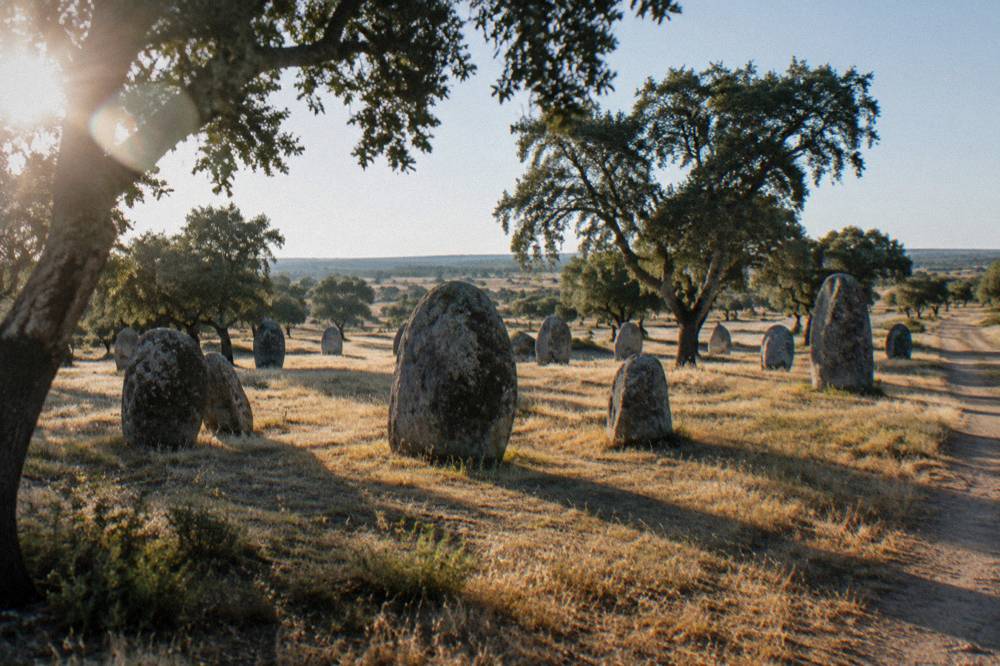
Not on foot, and not reliably by public transport: the Cromeleque dos Almendres and the Great Dolmen of Zambujeiro sit in open countryside about 8 km from Évora along the national road toward Lisbon, and no verified bus route serves them, so the realistic car-free options are a guided megaliths tour from Évora or a hire car, while the Alentejo towns each need their own plan.
The Almendres Interpretation Centre publishes its own directions, and they are driving directions: national road toward Lisbon, turn-off after about 8 km. The cromlech stones stand in the landscape, free to approach, but getting there is the whole problem. Guided tours solve it cleanly, and the archaeologist-led option brings interpretation the stones do not carry on site.
For the towns, the verified rounded distances are these, all "about" figures: Arraiolos about 20 km, Monsaraz about 40 to 45 km, Estremoz about 45 km, Vila Viçosa about 60 km, Elvas about 80 km and Marvão about 120 km. No drive time, timetable or entry fee is verified for any of them, so plan from the distance, not from a number someone invented.
| Alentejo destination | Distance from Évora | Car-free realistic option |
|---|---|---|
| Arraiolos | about 20 km | Guided tour or hire car |
| Monsaraz | about 40-45 km | Guided tour from Évora |
| Estremoz | about 45 km | Guided tour or hire car |
| Vila Viçosa | about 60 km | Guided tour or hire car |
| Elvas | about 80 km | Train or coach, check operators |
| Marvão | about 120 km | Hire car or full-day tour |
The best day trips from Évora and the regional Alentejo travel guide cover the individual towns. If your whole trip starts in the capital, the best day trips from Lisbon page collects the Lisbon-start tours that visit Évora and Monsaraz.
What Are The Best Guided Ways To Move Around Évora?
The strongest guided options for covering ground in Évora are a themed walking tour of the walled centre, a sidecar tour that rides the lanes and the ring with a driver-guide, and a free tip-based GuruWalk walk that covers the essentials at no fixed price, with the paid walks running roughly $13 to $91 per person depending on length and inclusions, all bookable through the operator's live listing.
Walking tours are the natural fit for a city this size. The flexible historic-centre walk runs from $13.51 per person and lasts about 3 hours, rated 4.8 from 105 reviews, and suits a first-day orientation. The small-group cultural walk with the Capela dos Ossos runs from $77.66 and lasts 2 hours, rated 4.9 from 141 reviews. The private skip-line monuments-and-wine option runs from $91.39, rated 5 from 48 reviews.
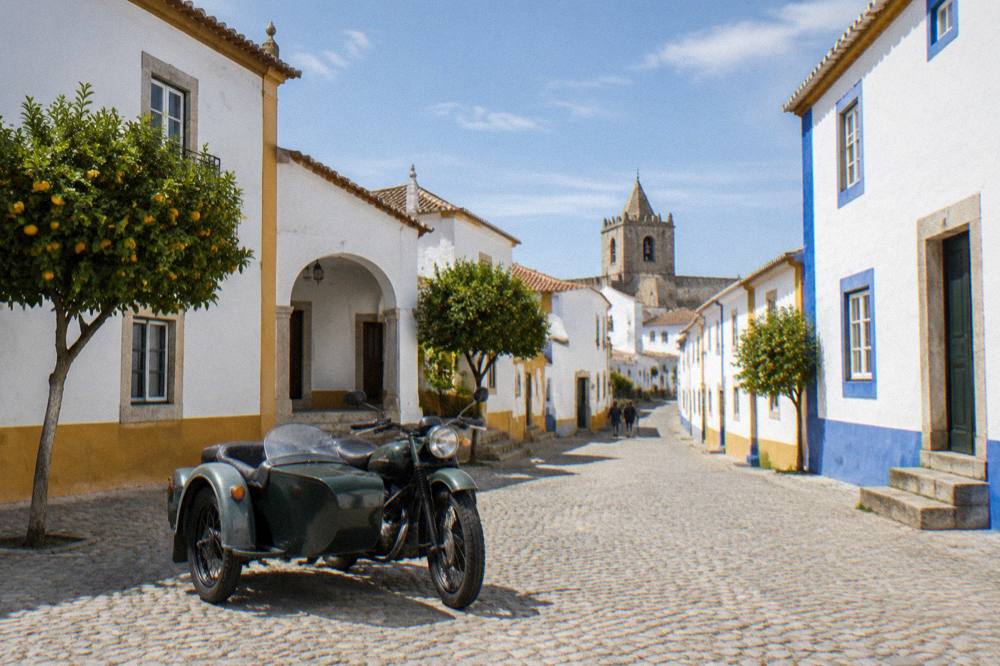
The sidecar tour is the one option that is transport and sightseeing at once. The Medieval Tour of Évora on a Sidecar with wine tasting runs from $61.90 per person, about 3 hours, rated 4.9 from 16 reviews, and it covers the medieval street plan from the saddle rather than the pavement, which suits visitors with limited walking range or a hot afternoon.
The free option deserves its own paragraph, because it is genuinely free. GuruWalk lists The Essential Free Tour of Évora, a tip-based 2-hour walk rated 4.93 from 774 reviews, and the platform should be named plainly: it is a pay-what-you-want model, the guru is a local guide, and no price belongs in this sentence at all. For a budget-first visitor, it is the cheapest possible orientation and one of the best-rated walks in the city.
How Does The Weather Affect Getting Around Évora?
Heat is the main constraint: IPMA's 1991 to 2020 normals for the Évora station show July and August mean maxima of 33.3 C and 33.5 C, with 11.5 and 10.9 days respectively at 35 C or more, so summer sightseeing works best as early-morning walking with the middle of the day shifted indoors, while October through April brings mean maxima of 24.1 C down to 14.1 C and the year's wettest months, November and December at 86.0 and 85.1 mm.
The numbers reward planning. Rain is not the Alentejo's signature, but it concentrates late in the year: November averages 86.0 mm over 8.8 days of 1 mm or more, December 85.1 mm over 8.7 days, against July's 2.7 mm over 0.6 days. A wet-day plan in Évora is a museum plan, and the Museu de Évora's Tuesday to Sunday hours, 9:30 to 13:00 and 14:00 to 17:30, closed Mondays, structure it well.
| Month | Mean max (C), 1991-2020 | Mean min (C) | Rain (mm) | Days 35 C+ |
|---|---|---|---|---|
| January | 14.1 | 4.5 | 68.6 | 0.0 |
| April | 20.7 | 8.5 | 62.1 | 0.0 |
| July | 33.3 | 15.6 | 2.7 | 11.5 |
| August | 33.5 | 16.0 | 6.0 | 10.9 |
| October | 24.1 | 12.3 | 81.5 | 0.1 |
| December | 14.6 | 5.3 | 85.1 | 0.0 |
The station record, also in the IPMA table, is a highest maximum of 45.4 C on 4 August 2018, a useful reminder that the Alentejo summer is a real summer. The monthly detail sits in the Évora weather guide, and the seasonal pages break down what each period means for planning.
Where Should You Stay To Minimise Transport In Évora?
Inside the walls is the answer for a car-free visit: a hotel or apartment in the historic centre puts the Sé, the Capela dos Ossos, the Praça do Giraldo and the Museu de Évora all within a short walk, removes any need for a taxi beyond station transfers, and turns the whole question of getting around into a question of comfortable shoes, while staying outside the walls trades walkability for parking ease.
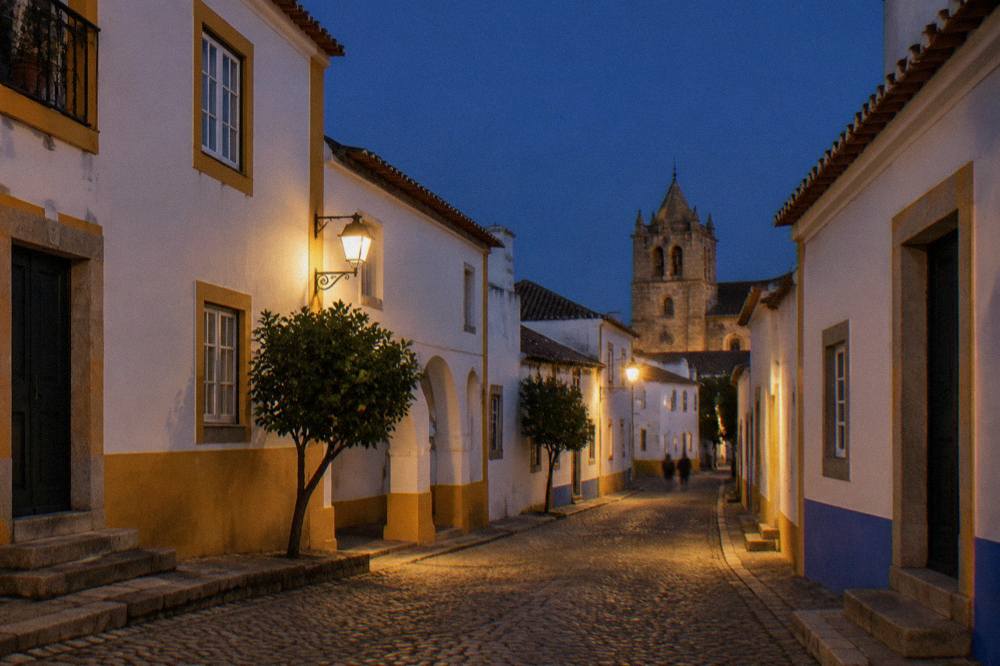
The centre's advantages compound. Evening dining, the lanes at night, the rooftop views, all arrive on foot. The trade-off is luggage arrival over cobbles and, for drivers, the parking discipline described above. The where to stay in Évora guide maps the neighbourhoods, and the things to do in Évora page lists what each one puts within reach.
For a short stay, one honest pattern from the geography: arrive by train, walk everywhere for two or three days, and leave by train. The CP evening departures from Évora back toward Lisbon, at 15:13, 18:41 and 20:46 in the timetable's arrival list mirrored for the return direction, check the live PDF before booking, make a car-free trip entirely workable, and the Évora to Lisbon and Évora to Lisbon airport pages cover the exits.
Common Questions About Getting Around Évora
Is Évora walkable?
Yes. The entire historic centre sits inside the walls and every major monument is reachable on foot from any other, with short distances and no need for timed transfers. Cobbles and summer heat are the only caveats.
Do you need a car in Évora?
Not for the city itself. A car earns its keep for the megalithic sites and Alentejo towns such as Monsaraz, Estremoz and Vila Viçosa, roughly 40 to 60 km away, and for that a guided tour is a car-free alternative.
How much is a taxi in Évora?
No taxi fare or tariff for Évora is published in a verified source, so this page states no figure. Taxis are mainly useful for station-to-hotel transfers and late-night returns; agree the fare or check the meter before setting off.
Is there a direct train from Lisbon to Évora?
Yes. The current CP Intercidades timetable lists six through trains a day from Lisboa Oriente to Évora, about 1 hour 40 to 1 hour 45, second class 13.90 EUR and first class 18.50 EUR.
How do I get to the Almendres Cromlech without a car?
Take a guided megaliths tour from Évora. The interpretation centre's own directions describe a drive of about 8 km along the national road toward Lisbon, and no verified public transport serves the site.
Does the Évora Ticket include the cathedral and the Capela dos Ossos?
No. The Évora Ticket, 8 EUR for one day, 10 EUR for two and 12 EUR for three, covers the Cidade-Museu network but not the Sé, the Capela dos Ossos or the Museu de Évora, which sell their own tickets.
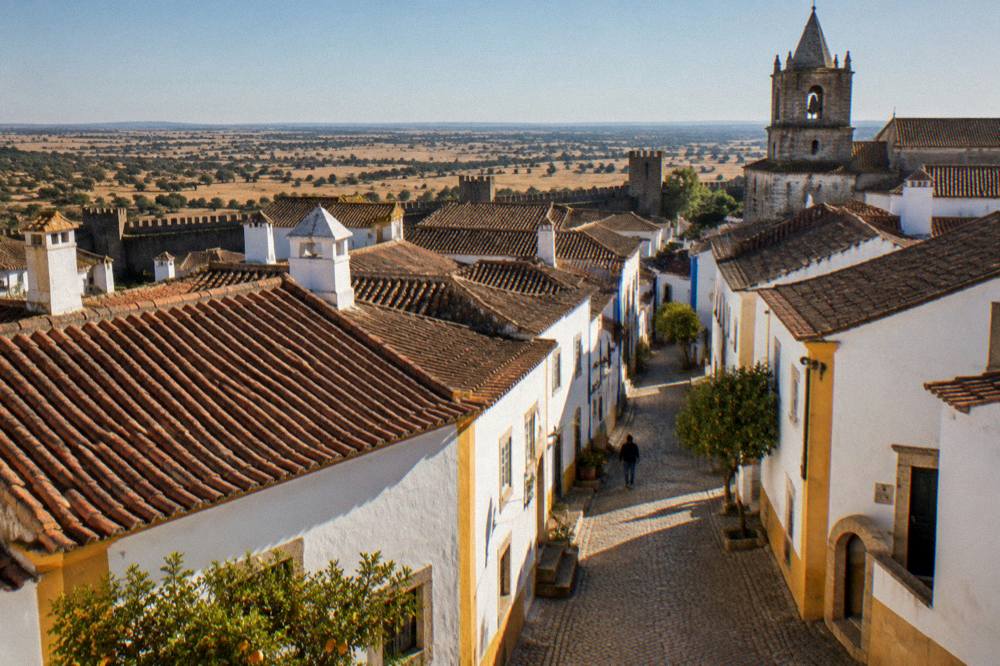
The short version of getting around Évora: walk inside the walls, take the train from Lisbon, save the taxi for luggage and late nights, and let a guided tour or a hire car carry you to the megaliths and the hill towns beyond them. That pattern, more than any timetable, is what the city's geography was built for.