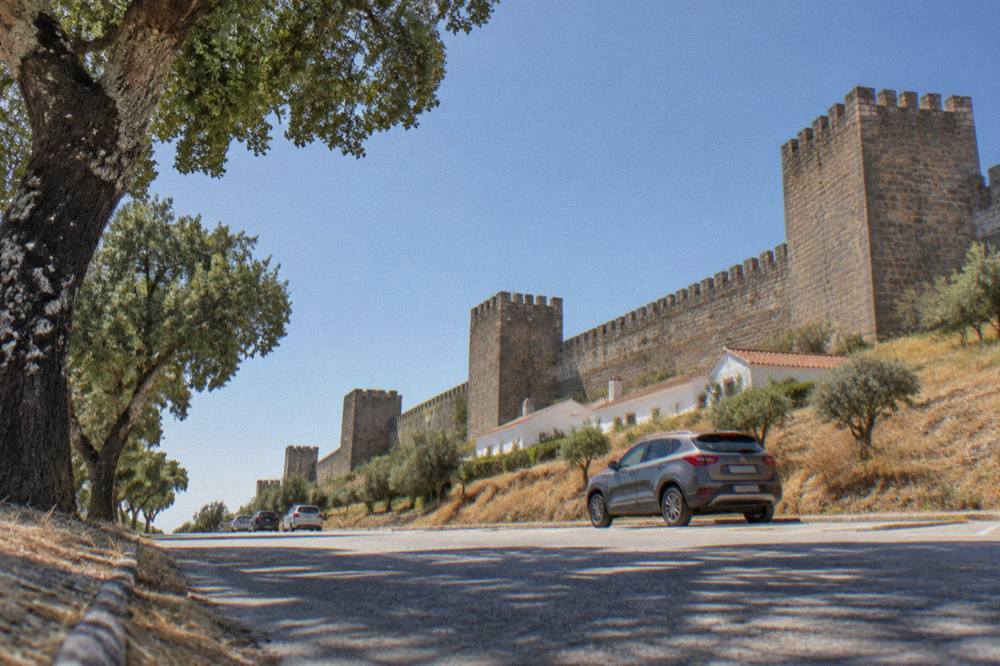
Castelo De Vide Day Trip From Évora: What To See And How To Plan It
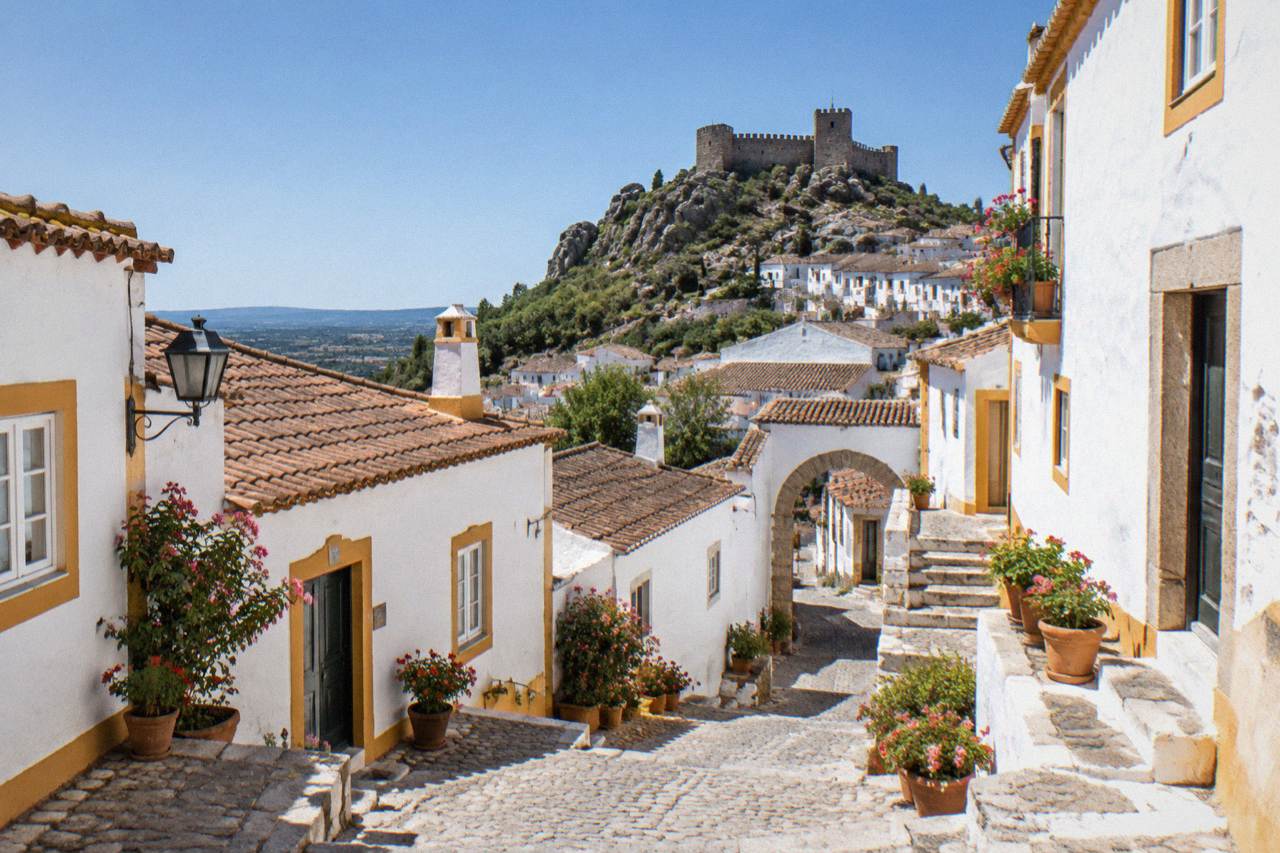
Castelo de Vide is the Alentejo's spa town of fountains, a whitewashed hill settlement in the Portalegre district northeast of Évora, best reached by car and best seen entirely on foot.
Short answer
Castelo de Vide is a small spa town in the Portalegre district, northeast of Évora beyond Marvão, known for its castle keep, old Jewish quarter and ornate fountains. No verified timetable or entry price exists for the route or its sights, so plan a car day, pair it with Marvão, and walk everywhere once you arrive.
Castelo de Vide is a spa town of whitewashed lanes and ornate fountains in the Portalegre district, reached from Évora, the inland capital of Portugal's Alentejo, by heading northeast past Marvão into the Serra de São Mamede. It is a different Alentejo from the wheat-flat plain around Évora: cooler, greener, hillier, and closer to the Spanish border than anywhere else this guide covers in that direction. The town rewards a slow pace. Its sights are close together, its streets are steep, and its whole appeal is the walk between them. This page sets out what Castelo de Vide is, what to see there, how to plan the journey from Évora, what the day realistically costs, and when to go, using only figures that are verified for the Évora side of the trip.
Where Is Castelo De Vide And What Kind Of Day Trip Does It Make From Évora?
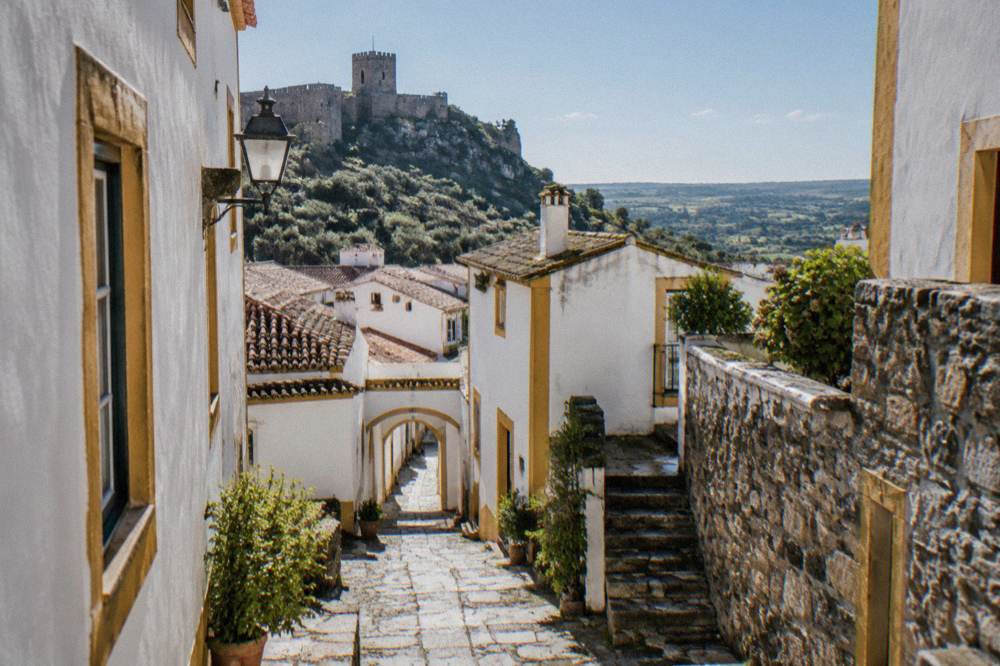
Castelo de Vide is a small hill town in the Portalegre district of the northern Alentejo, northeast of Évora on the far side of Marvão, built on the slopes of the Serra de São Mamede close to the Spanish border. It is known as a spa town, its lanes are whitewashed and hung with flowers, and it makes a quiet, walking-focused day that pairs naturally with Marvão or Portalegre in the same corner of the region.
Marvão, the walled summit town on the road to Castelo de Vide, lies about 120 km from Évora, and Castelo de Vide sits beyond it in the hills. No verified road distance for the Évora to Castelo de Vide route itself appears in the published figures, so treat any precise number you read elsewhere as an estimate. What is certain is the character of the drive: it leaves the plains of Central Alentejo and climbs into the serra, and the landscape changes noticeably before you park.
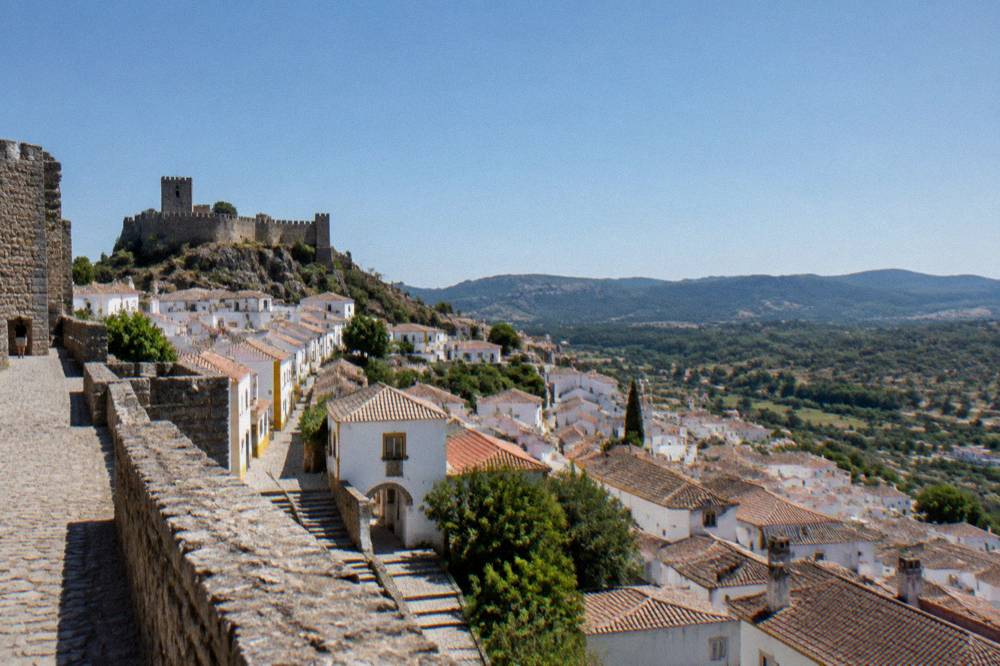
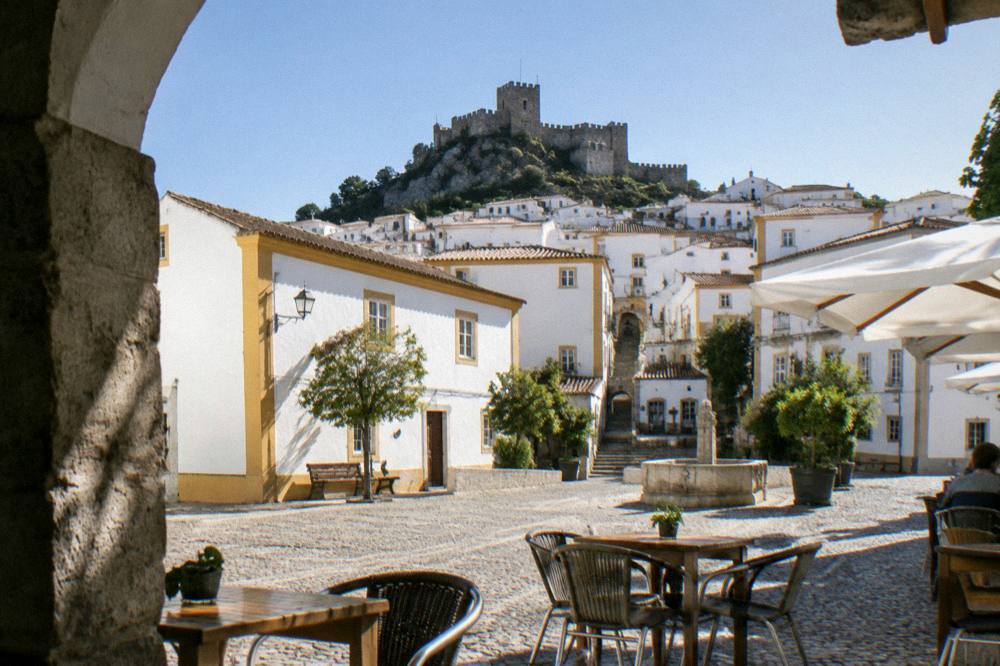
The town itself is compact. A central square sits partway up the hill, the castle keep crowns the summit, and the old Jewish quarter falls away below in a tangle of narrow lanes. Everything worth seeing sits within a short walk of everything else, which is why the day works so well for travellers who prefer one deep stop to three shallow ones. It is also a genuinely quiet alternative to the better-known destinations east and south of Évora, as covered in the site's roundup of the best day trips from Évora.
| Question | The Short Answer |
|---|---|
| Region and district | Northern Alentejo, Portalegre district |
| Direction from Évora | North-east, past Marvão |
| Setting | Slopes of the Serra de São Mamede, near the Spanish border |
| Character | Spa town, whitewashed lanes, fountains, castle keep |
| Best paired with | Marvão, Portalegre |
| Best way to see it | Entirely on foot |
For context on the wider region, the Alentejo overview on this site explains how Évora functions as the base for every direction: megaliths to the west, wine country to the south-east, marble towns to the east, and hill towns like this one to the north-east.
What Are The Best Things To See In Castelo De Vide?
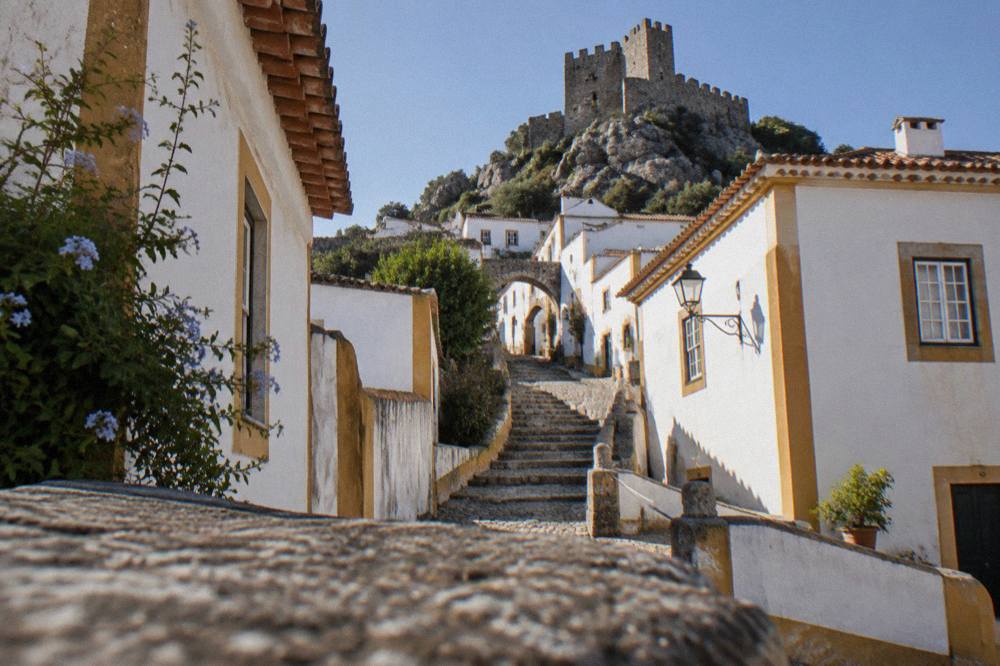
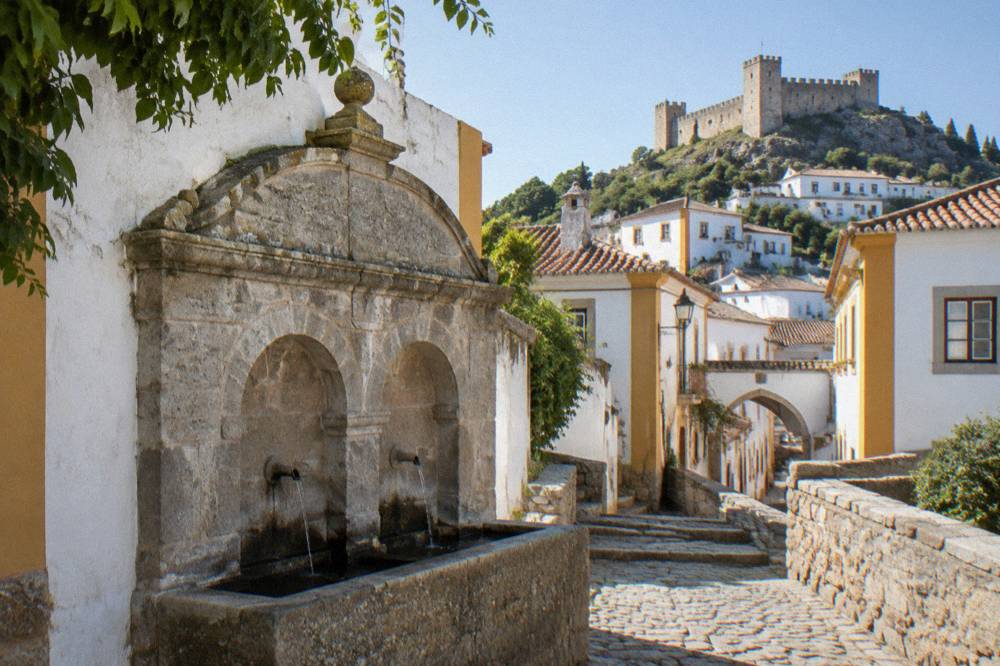
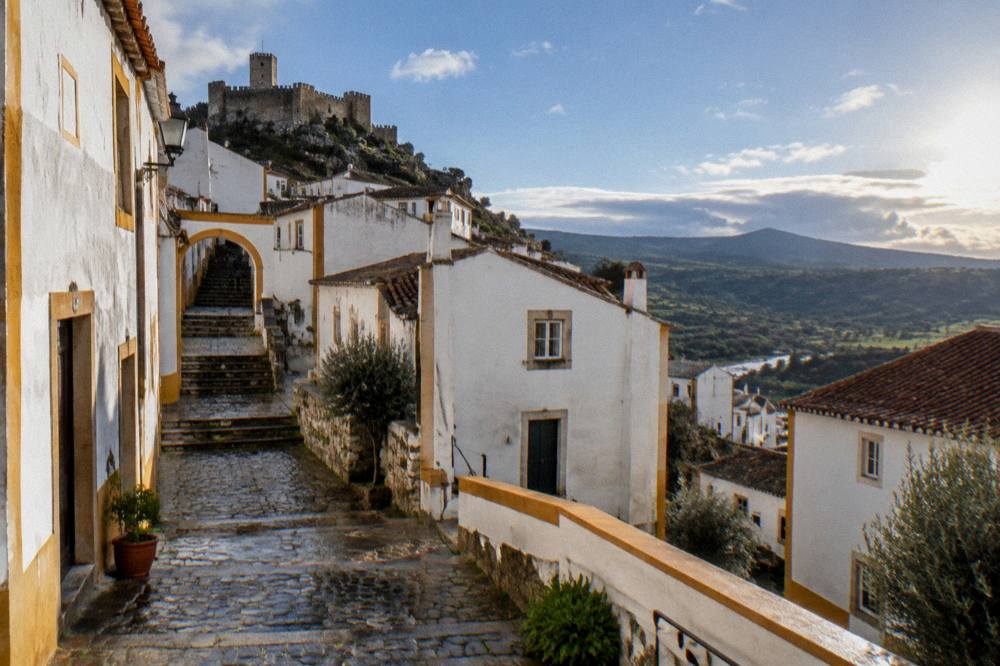
The sights that define Castelo de Vide are its medieval castle keep on the summit, the tangle of whitewashed lanes below it, the former synagogue at the heart of the old Jewish quarter, and the Fonte da Vila, the ornate fountain at the entrance to the old town. Everything sits within walking distance of the central square, so a full circuit on foot is the natural way to see the place, with the climb to the keep saved for last.
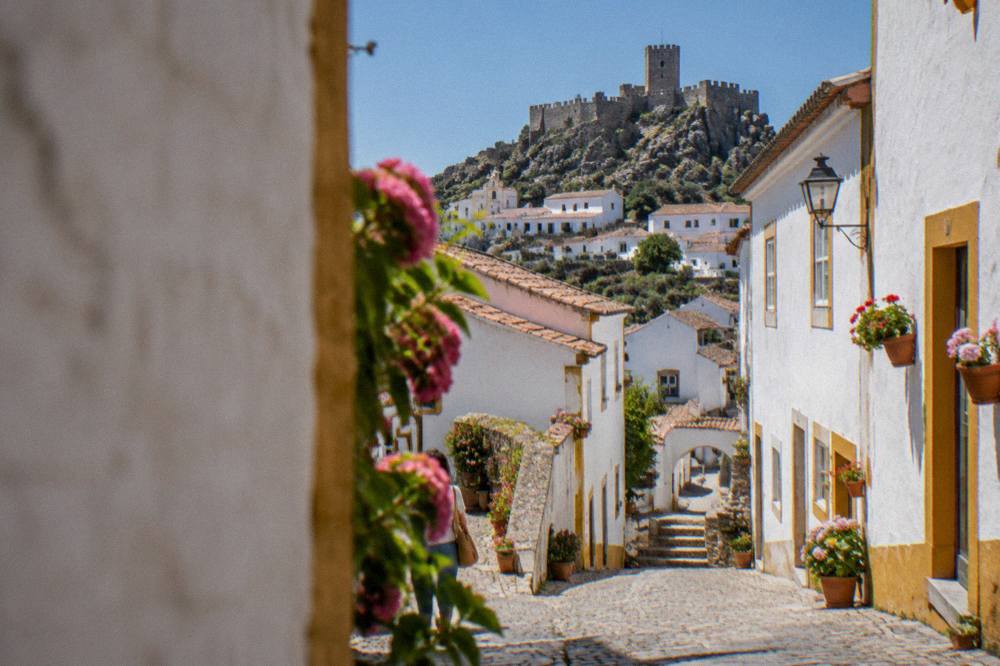
Start at the bottom and work up. The Fonte da Vila, with its carved stone work set into the town wall, is the traditional gateway to the old town and the place most photographs begin. From there the lanes narrow and climb, whitewashed on both sides, with pots of flowers on the steps and small shrines in the walls. The Jewish quarter sits in this lower tangle: after the era of forced conversions, the community's presence survived in the street plan and in the former synagogue, a modest building that now tells that story to visitors.
The castle keep above is the payoff. The climb is short but steep, and the reward is a view over the whole town and out across the serra toward the border. Come down through the upper lanes to the central square for lunch, then walk off it along the town's outer streets, where the spa tradition that gave Castelo de Vide its name as a watering place is still part of local identity. No entry price for any of these sights is verified, so check locally what, if anything, is charged on the day.
| Sight | What It Is | Why It Matters |
|---|---|---|
| Castle keep | Medieval fortress tower on the summit | The town's landmark and its best viewpoint |
| Old Jewish quarter | Narrow lower lanes around the former synagogue | One of the Alentejo's most intact historic street plans |
| Fonte da Vila | Ornate carved fountain at the old town entrance | The traditional gateway and most photographed spot |
| Whitewashed lanes | Flower-lined stepped streets climbing the hill | The walk itself is the main attraction |
| Central square | Café-lined plaza partway up the hill | The natural lunch stop and orientation point |
If a guided structure appeals more than a self-guided wander, the tours below are the Évora-based options that pair well with a northern day trip, either the evening before or the morning of your drive.
How Do You Get From Évora To Castelo De Vide?
The practical answer is a car or a hired driver: Castelo de Vide sits north-east of Évora beyond Marvão, which lies about 120 km from the city, and no published timetable for a direct service from Évora could be confirmed. Check with the coach operators before counting on a bus, and if you drive, plan the Marvão road as your route into the hills, setting off early enough to arrive before the midday heat.
The journey is part of the day. Leaving Évora, the road runs through the Central Alentejo plain, past Estremoz, which lies about 45 km from the city and makes a natural first stop for marble and a coffee. From there the route bends north toward the serra, and the country closes in: cork oaks give way to chestnut and pine as the road climbs toward Marvão and the towns beyond it. Allow a full day for the round trip, with the longest stops at Castelo de Vide itself and either Marvão or Portalegre on the way back. The wider set of guides lives on Évora Travel Guide.
Two cautions apply. First, no verified drive time exists for this route in the published figures, so any hour count you see online is somebody's estimate, not a timetable fact. Second, if you are basing yourself in Lisbon rather than Évora, the same logic holds in reverse: the verified CP Intercidades timetable valid since 6 September 2026 lists six through trains from Lisboa Oriente to Évora, taking about 1 hour 40 to 1 hour 45, with a second-class fare of 13.90 EUR, but the last leg to Castelo de Vide is still a road leg. The site's page on whether Évora is worth a day trip from Lisbon covers that trade-off honestly.
| Option | What Is Verified | What To Check Before You Go |
|---|---|---|
| Own car | Route runs north-east via Estremoz and Marvão | Parking near the old town; fuel for a full-day round trip |
| Hired driver or private tour | Operators run private Alentejo day trips from Évora and Lisbon | The exact stops included, and whether Castelo de Vide is on the route |
| Coach | No verified timetable or fare for the Évora route | The operator's own schedule, which changes by season |
For the Évora end of the day, one option stands out for travellers who want the city's medieval core explained rather than just walked: the sidecar tour of Évora, a three-hour ride through the old streets in a classic motorcycle sidecar, from $61.90 per person and rated 4.9 from 16 reviews, with a wine tasting included. Check availability if that sounds like the right warm-up for the hills.
Can You Combine Castelo De Vide With Marvão And Portalegre In One Day?
Yes, and that is the usual way to do it: Castelo de Vide, Marvão and Portalegre all sit in the same north-eastern corner of the Alentejo, so one long day can comfortably take in two of the three. Marvão, about 120 km from Évora, is the walled summit town with the castle; Portalegre is the district capital, known for its hand-woven textile tradition; Castelo de Vide is the spa town of fountains and flowered lanes.
Pick two, not three, or the day becomes a blur of driving.
The classic pairing is Marvão and Castelo de Vide. Marvão gives you the drama, a complete walled town on a high ridge with the castle at its apex, and Castelo de Vide gives you the charm, the lanes and fountains and the slower rhythm of a working small town. Doing both in a day is realistic because they sit close together once you are in the serra; the long leg is the run out from Évora and back. The site's dedicated Marvão day trip guide covers the summit town in detail, and the Portalegre page does the same for the district capital.
If you would rather stay south and east of Évora, the alternatives are well covered elsewhere: Estremoz with its marble and castle, Elvas near the border, and the wine-and-water country around Alqueva. The table below compares the main day-trip towns by distance and character, using the rounded figures that are verified.
| Town | Distance From Évora | Direction | What The Day Is Like |
|---|---|---|---|
| Arraiolos | About 20 km | North-west | Carpet-making hill village, the shortest drive |
| Monsaraz | About 40-45 km | South | Walled lake-view village above the Alqueva |
| Estremoz | About 45 km | East | Marble town with a hilltop castle |
| Vila Viçosa | About 60 km | East | Ducal palace and marble quarries |
| Elvas | About 80 km | East | Fortified border city |
| Marvão | About 120 km | North-east | Complete walled summit town, gateway to Castelo de Vide |
The pattern is clear: the closer towns make half-days, the far ones make full days, and Castelo de Vide belongs firmly in the full-day category because the drive out is the same long leg as Marvão's. Plan it as the northern counterpart to a one day in Évora itinerary, the day you swap plains for mountains.
What Does A Castelo De Vide Day Trip Cost?
No verified entry price for any sight in Castelo de Vide appears in the published sources, so budget instead for what you can check: fuel or a driver for the long round trip, lunch in the square, and any Évora monuments you add on the way out of the city, where the Sé charges 5.00 EUR for a complete visit and the Capela dos Ossos museum ticket is 7.00 EUR for an adult.
The Évora figures are solid and worth knowing even on a day you mostly spend in the hills. The cathedral's single ticket covers the Sé, the cloister, the roof terrace and the museum, with children up to 12 free. The Capela dos Ossos ticket covers all the museum areas of the Igreja de São Francisco complex, with youth up to 25 and seniors over 65 at 5.00 EUR and a family ticket at 15.00 EUR. The Museu de Évora charges 8 EUR but closes on Mondays, a detail that catches people out on long weekends. The Évora Ticket, at 8 EUR for one day, 10 EUR for two and 12 EUR for three, covers a different network of sites and does not include the Sé, the Capela dos Ossos or the Museu de Évora.
For Castelo de Vide itself, the honest position is that nothing is verified: no entry price for the keep, no price for the synagogue, no lunch figure. Check on arrival what is charged and where, and treat the day's variable cost as lunch plus whatever the sights ask for. The guided Évora options, if you fold one into the same trip, start at $77.66 per person for the two-hour small-group cultural walk, rated 4.9 from 141 reviews, and run to $113.53 for the private walking tour with cathedral and Chapel of Bones included, rated 5 from 256 reviews.
| Item | Verified Price | Notes |
|---|---|---|
| Sé de Évora complete visit | 5.00 EUR | Cathedral, cloister, roof terrace, museum; children up to 12 free |
| Capela dos Ossos museum ticket | 7.00 EUR adult | Youth to 25 and seniors over 65: 5.00 EUR; family 15.00 EUR |
| Museu de Évora | 8 EUR | Closed Mondays; youth, seniors and families 50% off |
| Évora Ticket | 8 EUR one day, 10 EUR two days, 12 EUR three days | Does not include the Sé, the Capela dos Ossos or the Museu de Évora |
| CP Lisboa Oriente to Évora | 13.90 EUR second class | 18.50 EUR first class, timetable valid since 6 September 2026 |
| Castelo de Vide sights | No verified price | Check locally on arrival |
One planning note on the way home: a municipal tourist tax applies to stays in Évora, so if the trip turns into an overnight, ask your hotel about it rather than assuming it is inside the quoted room rate.
When Is The Best Time Of Year To Visit Castelo De Vide?
The best months are April, May and October, judged on the Évora station's 1991 to 2020 averages, the nearest long-run climate record: April and May bring mean maxima of 20.7 and 25.0 C with 62.1 and 46.6 mm of rain, while July and August average 33.3 and 33.5 C and the year averages 31.9 days at 35 C or more. Spring is cooler, greener and wetter; October is mild after the heat; the hill town's lanes offer little shade at midday.
Castelo de Vide sits higher and cooler than the Évora plain, but the planning numbers come from the Évora station, and they argue for shoulders rather than summer. The 1991 to 2020 normals show June already averaging 15.1 days at 30 C or more, rising to 23.7 in July and 25.0 in August. The record maximum at the Évora station is 45.4 C, set on 4 August 2018. Rain is the winter trade-off: November and December average 86.0 and 85.1 mm, against 2.7 mm in July, so a winter day can be lovely or washed out, and the steep cobbles are less fun wet.
| Month (1991-2020 Averages, Évora Station) | Mean Max | Mean Min | Rain | Days At 30 C Or More |
|---|---|---|---|---|
| April | 20.7 C | 8.5 C | 62.1 mm | 0.3 |
| May | 25.0 C | 10.9 C | 46.6 mm | 5.5 |
| June | 30.2 C | 13.8 C | 10.6 mm | 15.1 |
| July | 33.3 C | 15.6 C | 2.7 mm | 23.7 |
| August | 33.5 C | 16.0 C | 6.0 mm | 25.0 |
| September | 29.5 C | 14.6 C | 33.9 mm | 13.9 |
| October | 24.1 C | 12.3 C | 81.5 mm | 2.9 |
A trip timed for October can catch the literary festival in Évora on the way through, and the hill country around Castelo de Vide is at its best after the first autumn rain. Whatever the month, start early: the climb to the keep is far kinder before noon than after it.
What Should You Know Before You Go To Castelo De Vide?
Three things shape the day: Castelo de Vide is an inland hill town, so there is no coast and no shade on the upper slopes at midday; the streets are steep and cobbled, so wear shoes that grip and take water; and the border lies close beyond the hills, so carry your passport if you plan to cross into Spain on the way home, since the EU's Entry Exit System now applies to non-EU travellers across the Schengen area.
The practical list is short. Fuel up in Évora or Estremoz rather than trusting the villages. Bring cash for small cafés, and check locally rather than online for anything with a price on it, since no verified figures exist for the town's sights. If you are crossing into Spain, note that Cáceres and Badajoz both make a full day of their own, as the site's Cáceres and Badajoz page explains, and that no border-crossing detail is verified here. For the wider Alentejo context, the Alentejo travel guide on this site covers the region's rhythm: slow roads, long lunches, and towns that close down between two and four in the afternoon.
| Practical Point | What To Do |
|---|---|
| Midday heat | Climb to the keep in the morning, lunch in the square at noon |
| Footwear | Gripping soles for steep, polished cobbles |
| Water and cash | Carry both; small cafés may not take cards |
| Passport | Bring it if Spain is on the way home |
| Opening unknowns | Check sight notices on arrival; nothing is verified in advance |
And if the day ends back in Évora with light to spare, the small-group cultural walk through the historic centre, two hours from $77.66 per person and rated 4.9 from 141 reviews, is a calm way to close out a driving day without a car.
For travellers weighing several guided options across the whole trip, the selection below compares the three Évora-based tours that pair best with a northern day trip, from the sidecar ride to the private monuments walk.
Common Questions About Castelo De Vide
Is Castelo de Vide worth visiting?
Yes, for the right traveller. It is a quiet spa town of whitewashed lanes, fountains, a castle keep and an old Jewish quarter, best for people who enjoy walking, history and cool hill air more than nightlife or big monuments. Pair it with Marvão and it makes one of the northern Alentejo's most rewarding full days out of Évora.
How far is Castelo de Vide from Évora?
No verified road distance for this exact route appears in the published figures. Marvão, which sits on the way, lies about 120 km from Évora, and Castelo de Vide is beyond it in the hills, so treat any precise number you see online as an estimate and plan for a full day.
Can you visit Castelo de Vide and Marvão in one day?
Yes, and that is the usual plan. The two towns sit close together once you are in the Serra de São Mamede, so the long leg is the drive out from Évora and back, not the hop between them. Give Marvão the ridge and castle, Castelo de Vide the lanes and fountains, and do the steep walking before noon.
What is Castelo de Vide known for?
Three things: its spa tradition, which gave the town its identity as a watering place; its old Jewish quarter, with the former synagogue at its heart; and its ornate fountains, above all the Fonte da Vila at the entrance to the old town. Add the castle keep on the summit and the flower-hung whitewashed lanes that connect them all.
Do you need a car to visit Castelo de Vide from Évora?
In practice, yes. No published timetable for a direct service from Évora could be confirmed, so the reliable options are your own car, a hired driver, or a private tour that includes the town in its route. Check the coach operators before you rule a bus out, but do not plan the day around one without confirming it first.
Is Castelo de Vide in the Alentejo?
Yes. It lies in the Portalegre district of the northern Alentejo, on the slopes of the Serra de São Mamede near the Spanish border, which makes it one of the greenest and coolest corners of the region compared with the plains around Évora.
Castelo de Vide is the day trip that changes the picture most: leave Évora's golden plains after breakfast and by mid-morning you are walking flowered lanes under chestnut trees, with the whole serra spread out below the castle keep.