University Of Évora
The University of Évora, founded by the Jesuits as the University of the Holy Spirit in 1553 and shut when the order was expelled in 1759, stands inside the UNESCO-listed historic centre of Évora, Portugal.
Short answer
The University of Évora's historic core is the Colégio do Espírito Santo, a Jesuit college founded in 1553 whose university was closed in 1759 when the Jesuits were expelled from Portugal. It sits inside the UNESCO Historic Centre of Évora, inscribed in 1986, and is one of the sites in the Évora Ticket network.
The University of Évora, in the Alentejo city of Évora, Portugal, is one of the few European universities whose founding home was a Jesuit college and whose first life ended by royal decree. The Colégio do Espírito Santo, the building at the centre of the complex, was raised for the Society of Jesus, and the University of the Holy Spirit dates from 1553. When the Jesuits were expelled from Portugal in 1759, the university closed and the college passed into other hands. Today the building stands inside the Historic Centre of Évora, inscribed on the UNESCO World Heritage list in 1986, and its tiled facade and quiet cloister are among the most photographed sights in the city.
What Is The University Of Évora?
The University of Évora is a Portuguese university whose historic seat, the Colégio do Espírito Santo in Évora, was built as a Jesuit college, with the University of the Holy Spirit dating from 1553. It taught there until the Jesuits were expelled from Portugal in 1759, and the college building survives inside the UNESCO-listed historic centre of the city.
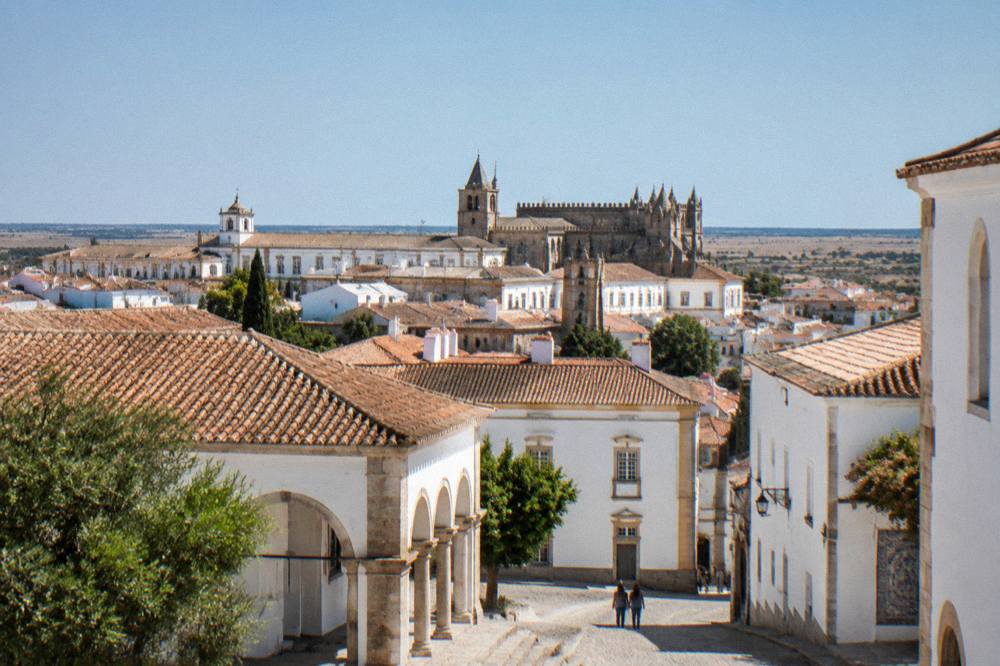
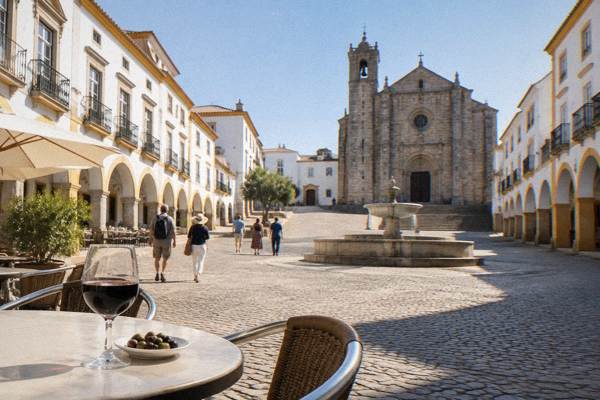
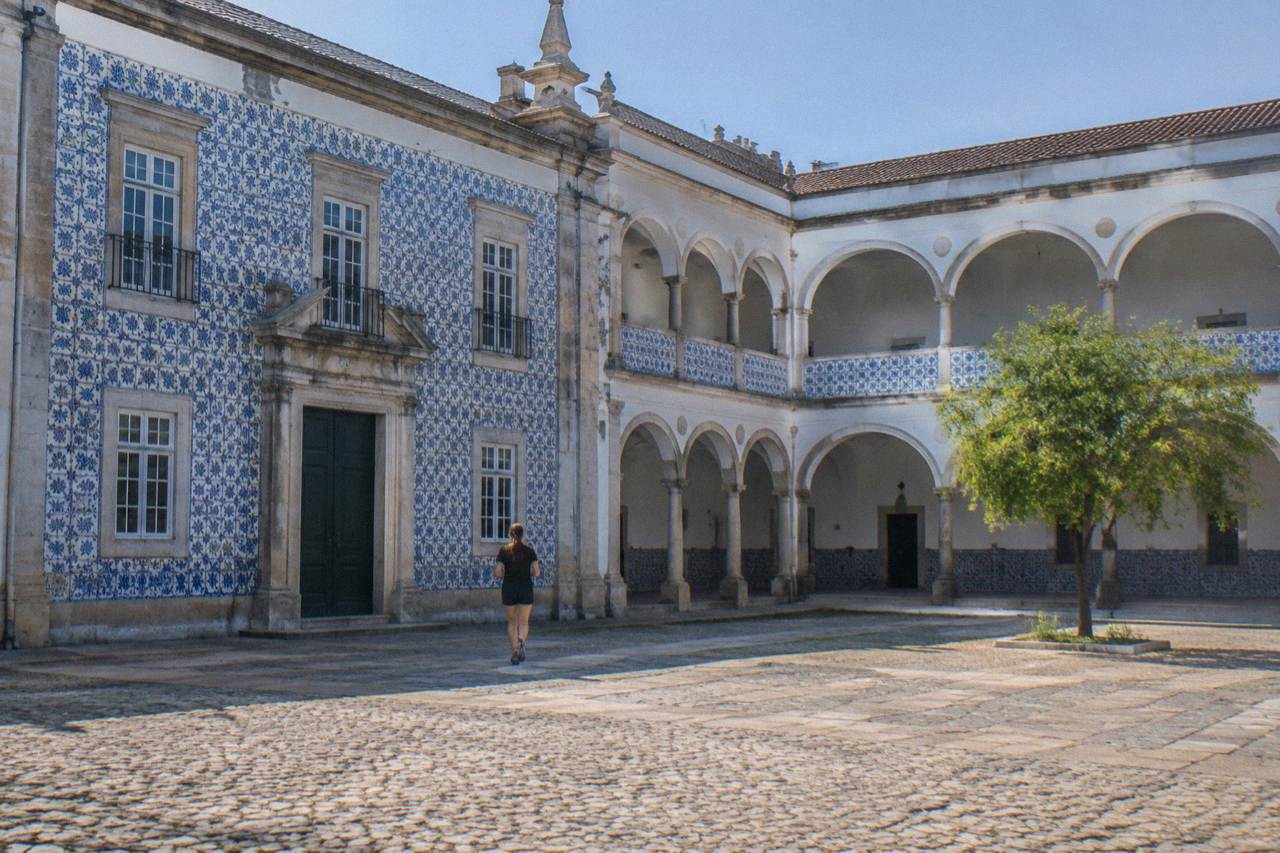
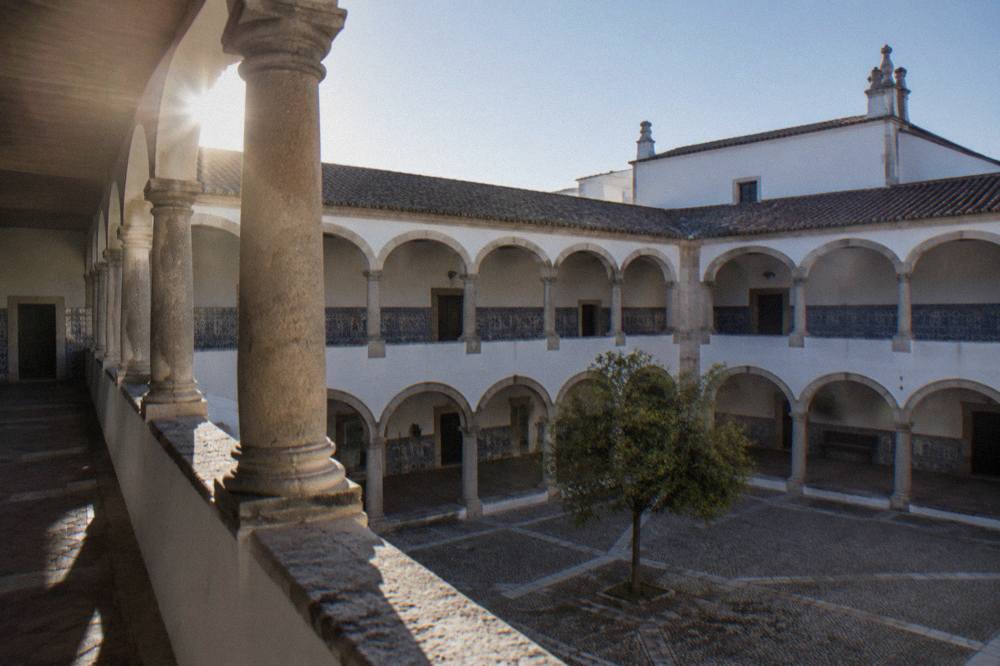
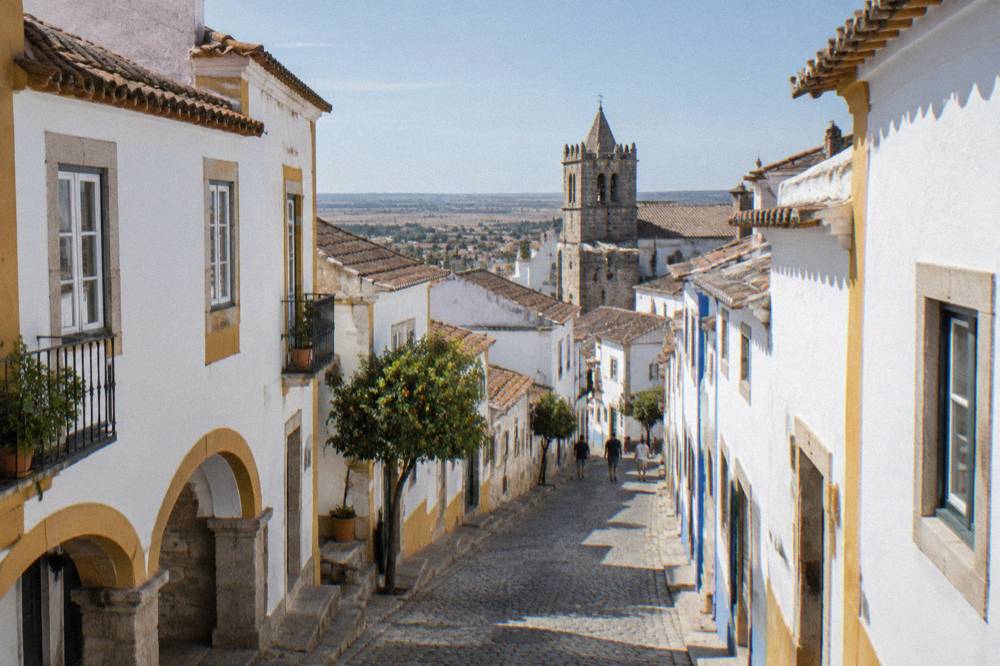
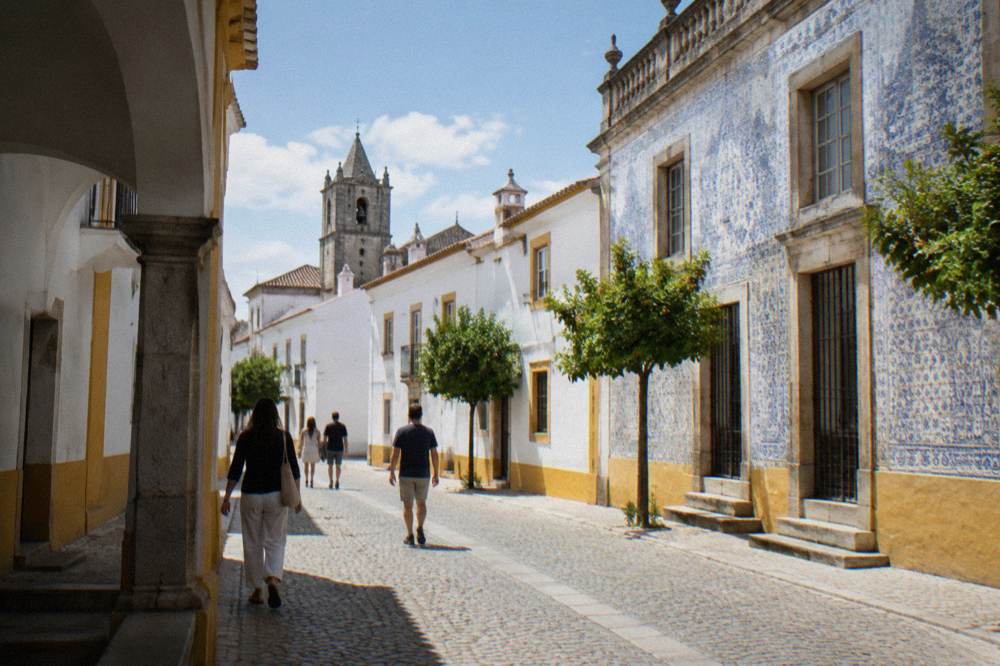
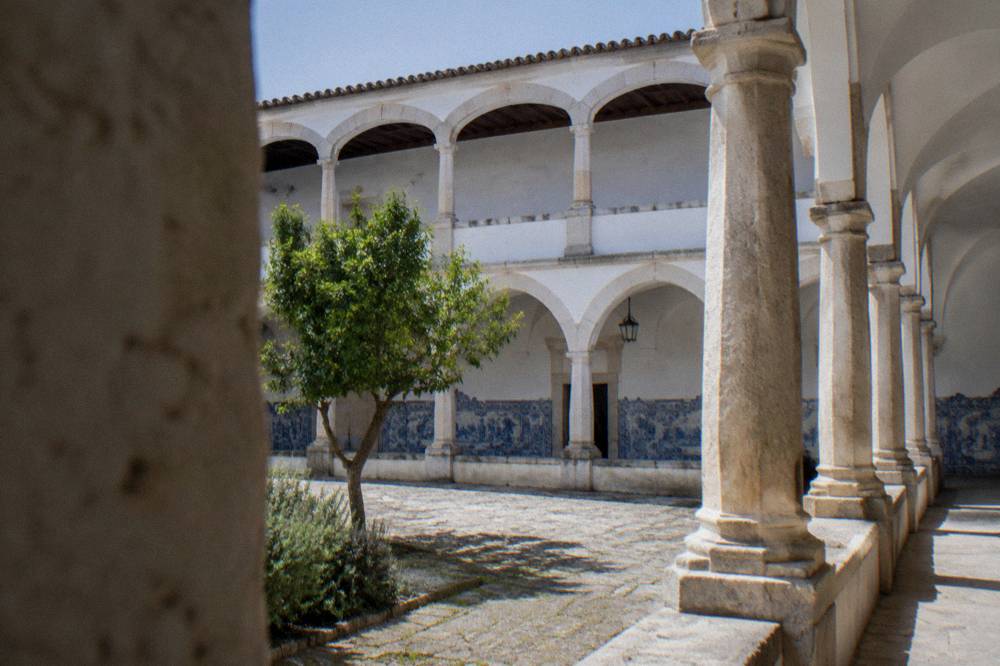
Évora is the capital of the Alentejo region and of the district of the same name, an inland city on the Alentejo plain, roughly 130 km from Lisbon. The university's historic core sits a short walk from the Praça do Giraldo, the city's main square, and from the Sé, the cathedral of Évora. The building's most striking feature is its facade, covered in azulejo tiles, and the cloister behind it, which belonged to the college's original plan.
The story of the institution divides cleanly in two. The first university, run by the Jesuits, operated from 1553 until 1759, when the Marquis of Pombal's reforms expelled the order from Portugal and the university ceased to function. The modern University of Évora is a public university that occupies the same historic buildings and others in the city. The UNESCO citation for Évora records that the Jesuit University of the Holy Spirit dates from 1553 and that the Jesuits were expelled in 1759, and those two dates frame everything a visitor sees at the Colégio do Espírito Santo.
What the modern university is not, is a single campus in the modern sense. Its historic buildings are woven into the fabric of the old city, alongside the cathedral, the Roman temple and the Convento dos Lóios. That is precisely why the university quarter rewards a walking visit: the monuments of Évora sit within minutes of one another behind the medieval walls.
Why Is The Colégio Do Espírito Santo Part Of A UNESCO World Heritage Site?
The Colégio do Espírito Santo stands inside the Historic Centre of Évora, inscribed by UNESCO in 1986 under criteria (ii) and (iv). Criterion (iv) calls Évora the finest example of a city of the golden age of Portugal after the 1755 Lisbon earthquake, an earthquake Évora was largely spared, and the Jesuit university of 1553 is one of the monuments the citation names directly.
UNESCO's inscription covers the whole historic centre, not a list of individual buildings sold separately. The Roman temple, the cathedral, the medieval streets and the university college all sit inside the same protected area. The citation notes that Moorish rule in Évora ended in 1165, that the Jesuit University of the Holy Spirit dates from 1553, and that the Jesuits were expelled in 1759. Those threads, Roman, medieval and Jesuit, are what make Évora's centre unusual among Portuguese World Heritage cities: it is a palimpsest rather than a single-era showpiece.
The 1755 Lisbon earthquake is the hinge of the criterion (iv) wording. Lisbon was rebuilt after the disaster, and much of its older fabric was lost. Évora, inland on the Alentejo plain, was largely undamaged, so its golden-age architecture survived in a concentration that the earthquake destroyed elsewhere. The university college, with its tiled facade and formal cloister, is one of the clearest expressions of that survival.
For a visitor, the practical consequence is simple: the university cannot be separated from the streets around it. The walk from the Praça do Giraldo to the college passes through the protected zone the whole way, and the college's facade is best understood as one room in a city-sized monument. The guided options below all cover this quarter.
The Évora Personal & Flexible Walking Tour in Historic Center is the natural companion to a visit here, a three-hour walk from $13.51 per person, rated 4.8 from 105 reviews, that moves through the historic centre at the group's own pace. Check availability
How Much Does It Cost To Visit The University Of Évora?
The Colégio do Espírito Santo is one of the sites in the Évora Ticket network, the multi-site pass sold by the city's Cidade-Museu system, which costs 8 EUR for one day, 10 EUR for two days and 12 EUR for three days, free for children up to 12. The pass does not include the Sé, the Capela dos Ossos or the Museu de Évora, which sell their own tickets.
The Évora Ticket is the practical answer for anyone planning to see several monuments in one or two days. Its three price tiers are set out below, and the pass covers a network of municipal sites that includes the Colégio do Espírito Santo. What the pass does not cover matters just as much: the three biggest paid attractions in Évora, the cathedral, the bone chapel and the city museum, each sell their own entry and are not folded into the Évora Ticket.
| Pass | Price | Notes |
|---|---|---|
| Évora Ticket, 1 day | 8 EUR | One day of access to the network sites |
| Évora Ticket, 2 days | 10 EUR | Two consecutive days of access |
| Évora Ticket, 3 days | 12 EUR | Three consecutive days of access |
| Children up to 12 | Free | With the adult pass |
For the sites outside the pass, the standalone prices are fixed and published. The Sé de Évora sells one complete-visit ticket at 5.00 EUR covering the cathedral, the cloister, the roof terrace and the museum, with children up to 12 free. The Capela dos Ossos and the Igreja de São Francisco complex sells a single museum ticket at 7.00 EUR for adults, 5.00 EUR for youth up to 25 and seniors over 65, and 15.00 EUR for a family. The Museu de Évora charges 8 EUR for adults, with 50% off for youth 13 to 24, seniors over 65 and the family ticket, free entry to age 12, and free Sundays and holidays for residents of Portugal.
| Monument | Adult price | Reductions | In the Évora Ticket? |
|---|---|---|---|
| Colégio do Espírito Santo | Via the pass | Free to age 12 | Yes |
| Sé de Évora, complete visit | 5.00 EUR | Free to age 12 | No |
| Capela dos Ossos, museum ticket | 7.00 EUR | 5.00 EUR youth to 25 and seniors over 65, 15.00 EUR family | No |
| Museu de Évora | 8 EUR | 50% off youth 13-24, seniors over 65, family | No |
| Convento dos Lóios | Price temporarily unavailable on the official page | None stated | Ask at the ticket window |
The Convento dos Lóios deserves a note because it sits next to the university quarter and is often confused with it. The official municipal page for the church and convent of the Lóios shows the ticket price as temporarily unavailable, so the honest advice is to ask at the ticket window or the tourist office before planning an entry. The Museu de Évora's 8 EUR belongs to the museum alone and should never be assumed to cover the convent.
What Can You See At The Colégio Do Espírito Santo?
The visitor's impression of the Colégio do Espírito Santo is dominated by its azulejo-clad facade, the church attached to the college, and the cloister at the heart of the complex, all built for the Jesuit college founded in 1553. The building has served the modern University of Évora since the institution returned to the city, and its rooms still function as university space.
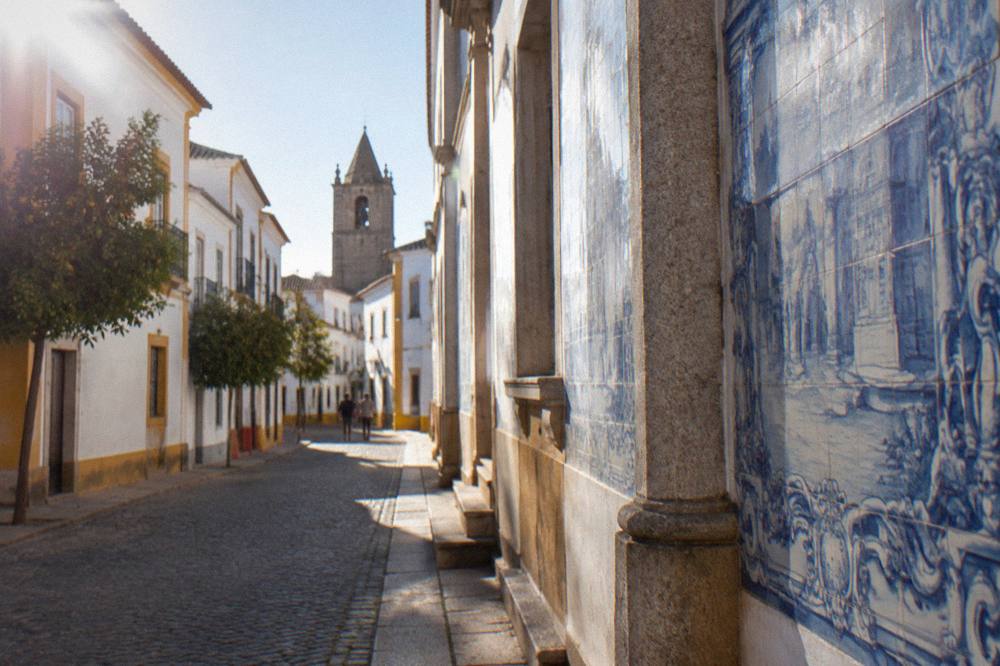
The facade is the sight most people come away with: blue and white tiles framing the entrance, a form of decoration that spread across the Alentejo in the period after the college was founded. The cloister behind is the quieter half of the experience, a regular arcaded courtyard of the kind the Jesuits built for their colleges across Portugal and Spain. The college church completes the group.
Because the building is a working university, the practical rule is to treat a visit as part of a walk rather than a standalone ticketed attraction with a fixed circuit. The Évora Ticket network listing is the place to check what is open on the day, and the tourist office on the Praça do Giraldo, at number 73, can confirm current access. The office keeps weekday hours of 9:00 to 18:00 in winter, with weekend hours of 10:00 to 14:00 and 15:00 to 18:00, though the published page dates from 2023 and should be treated as indicative.
Around the college, the university quarter holds several of the city's key monuments within a few minutes' walk. The table below maps the neighbours.
| Neighbouring sight | Character | Distance from the college |
|---|---|---|
| Praça do Giraldo | Main square, arcaded, tourist office at number 73 | A few minutes on foot |
| Sé de Évora | Cathedral with cloister, roof terrace and museum | A few minutes on foot |
| Templo Romano | Roman temple, probably dedicated to the imperial cult, 25 x 15 m | A few minutes on foot |
| Igreja de São Francisco and Capela dos Ossos | Church and bone chapel, one museum ticket | A short walk |
| Museu de Évora | National museum in the former Archbishop's Palace | A short walk |
| Jardim Público | Public garden along the old walls | A short walk |
The Templo Romano, popularly called the Temple of Diana, is worth pausing on because the municipal page corrects the popular name: the temple was probably dedicated to the imperial cult, the name Diana has only been used since the seventeenth century, the podium measures 25 x 15 m, the building was reused as a municipal butcher's shop, and its walls were freed in 1870. It is an open-air monument with no ticket, and it stands within sight of the university quarter's edge. The Giraldo square and the public garden complete the loop.
How Old Is The University Of Évora?
The University of the Holy Spirit dates from 1553, founded under Jesuit management at the Colégio do Espírito Santo in Évora, and it operated until the Jesuits were expelled from Portugal in 1759, when the university was closed. The modern University of Évora is a public institution that occupies the historic college and forms part of the city's UNESCO-listed fabric.
The dates that are anchored in primary sources are few and clean, which is a gift to a visitor who wants the story without the legend. The table below sets out the fixed points of Évora's history as UNESCO and the municipality record them.
| Year | Event |
|---|---|
| 1165 | Moorish rule in Évora ends |
| 1553 | The Jesuit University of the Holy Spirit is founded at the Colégio do Espírito Santo |
| 1759 | The Jesuits are expelled from Portugal and the university closes |
| 1915 | The Museu de Évora is officially founded, in the former Archbishop's Palace |
| 1986 | UNESCO inscribes the Historic Centre of Évora, criteria (ii) and (iv) |
| 2027 | Évora is a European Capital of Culture |
The 1759 expulsion is the pivotal moment. The Jesuit order was suppressed in Portugal as part of the reforms of the Marquis of Pombal, and the university the order ran in Évora was extinguished with it. The college building survived, as colleges do, passing through other uses before the modern university took it over. The contrast with the city's own survival is the reason UNESCO's criterion (iv) wording works: Évora was largely spared the 1755 earthquake that reshaped Lisbon, so the golden-age city, including its university quarter, stands close to intact.
The 2027 European Capital of Culture title is the living end of that timeline. Évora and the Alentejo hold the title in 2027, promoted by an executive board led by the municipality with the regional culture directorate, the University of Évora and other partners. The year 2026 is a preparation programme built on the concept of "Vagar", and the full 2027 calendar had not been published as of the autumn of 2026. Anyone visiting in the run-up to 2027 will find a city in rehearsal, with the university as one of the institutions behind the programme.
How Do You Get To The University Of Évora From Lisbon?
CP's Intercidades service runs six through trains a day from Lisboa Oriente to Évora on the timetable valid since 6 September 2026, taking about 1 hour 40 to 1 hour 45, with a second-class fare of 13.90 EUR and a first-class fare of 18.50 EUR. From Évora station the university quarter is a walk into the historic centre.
The train is the simplest way in. The departures from Lisboa Oriente are at 07:02, 09:02, 09:58, 13:35, 17:02 and 19:02, arriving in Évora at 08:47, 10:45, 11:40, 15:13, 18:41 and 20:46. The services call at Entrecampos, Sete Rios, Pragal, Pinhal Novo, Vendas Novas and Casa Branca before Évora, and the through trains require no change at Casa Branca. The fare table prices Lisboa Oriente to Évora at 13.90 EUR in second class and 18.50 EUR in first class.
| Depart Lisboa Oriente | Arrive Évora | Class | Fare |
|---|---|---|---|
| 07:02 | 08:47 | 2nd | 13.90 EUR |
| 09:02 | 10:45 | 2nd | 13.90 EUR |
| 09:58 | 11:40 | 2nd | 13.90 EUR |
| 13:35 | 15:13 | 2nd | 13.90 EUR |
| 17:02 | 18:41 | 2nd | 13.90 EUR |
| 19:02 | 20:46 | 2nd | 13.90 EUR |
First class on the same services is 18.50 EUR. Check the weekday remarks on CP's published timetable before planning around a specific departure, and buy at the station or on CP's own channels. Coach services also run to Évora from Lisbon, but no fare or journey time for them can be stated with confidence, so compare on the operators' own pages before booking.
Once in Évora, everything in the historic centre is walkable, and the university quarter sits at its heart. The walking and getting around guide covers the layout, and the aqueduct and the old walls give the walk a spine: the Água de Prata aqueduct runs into the city from the east, and the medieval wall encloses the whole monument quarter.
What Is The Best Way To Tour The University Quarter?
A guided walk is the most efficient way to see the Colégio do Espírito Santo and the monuments around it, because the university quarter, the Sé, the Templo Romano and the Praça do Giraldo sit within minutes of one another behind the walls. Guided options from Évora run from a flexible historic-centre walk at $13.51 per person to private tours with monument tickets included, and free GuruWalk tours cover the same ground on a tip basis.
The choice is really between three shapes of tour. The first is a small, cheap, flexible group walk that covers the whole historic centre and lets the group set the pace. The second is a themed or private walk that goes deeper on one thread, the Jesuit century, the golden age or the city's legends. The third is the free, tip-based GuruWalk model, where payment is what you choose to give at the end.
The Évora: Personal & Flexible Walking Tour in Historic Center is the strongest fit for the university quarter specifically: three hours, from $13.51 per person, rated 4.8 from 105 reviews, and built around a group's own interests rather than a fixed script.
For a different angle, the Medieval Tour of Évora on a Sidecar & Wine Tasting covers the historic centre from a vintage motorcycle sidecar and ends with a tasting, three hours from $61.90 per person, rated 4.9 from 16 reviews. It is an odd way to see a Jesuit college, and that is exactly the point: the streets of Évora are wide enough for it, and the university facade reads differently from a moving vehicle than on foot.
The Golden Era of Évora walking tour pairs the city's golden age, the exact period UNESCO's criterion (iv) celebrates, with a Portuguese wine tasting, at $23.92 per person for 2.5 to 3 hours, rated 4.4 from 33 reviews. For a visitor whose interest in the university is really an interest in the years between 1553 and 1759, it is the most on-theme option on the list.
The free option should not be dismissed. GuruWalk lists several pay-what-you-want walks in Évora, including The Essential Free Tour of Évora, rated 4.93 from 774 reviews over two hours, and Évora through history and how it shaped the city, rated 4.88 from 74 reviews. The walk is free to join, and you tip at the end. For a first afternoon in the city, a free walk to orient, then a paid or private walk the next day for depth, is a sequence that works well.
When Is The Best Time Of Year To Visit The University Of Évora?
Spring and autumn are the comfortable seasons for walking the university quarter, because Évora's summers are genuinely hot: IPMA's 1991 to 2020 normals for the Évora station show a July mean maximum of 33.3 C and an August mean maximum of 33.5 C, with 31.9 days a year reaching 35 C or more, while April, May and October sit in the low to mid twenties.
The climate record is unambiguous about the shape of the year. Évora is inland, on the Alentejo plain, with no sea to moderate the temperature, and the Atlantic is roughly 90 km away. The table below gives the monthly picture from the IPMA 1991 to 2020 normals for station number 558.
| Month | Mean temp (C) | Mean max (C) | Mean min (C) | Rain (mm) |
|---|---|---|---|---|
| January | 9.3 | 14.1 | 4.5 | 68.6 |
| February | 10.3 | 15.7 | 5.0 | 52.3 |
| March | 12.7 | 18.7 | 6.9 | 60.8 |
| April | 14.6 | 20.7 | 8.5 | 62.1 |
| May | 18.0 | 25.0 | 10.9 | 46.6 |
| June | 22.0 | 30.2 | 13.8 | 10.6 |
| July | 24.5 | 33.3 | 15.6 | 2.7 |
| August | 24.7 | 33.5 | 16.0 | 6.0 |
| September | 22.1 | 29.5 | 14.6 | 33.9 |
| October | 18.2 | 24.1 | 12.3 | 81.5 |
| November | 12.8 | 17.6 | 7.9 | 86.0 |
| December | 10.0 | 14.6 | 5.3 | 85.1 |
Two figures deserve emphasis. The record maximum at the Évora station is 45.4 C, set on 4 August 2018, and the 1991 to 2020 normals count 31.9 days a year with a maximum of 35 C or more, of which 11.5 fall in July and 10.9 in August. A summer visit is perfectly possible, but it should be built around mornings: the university facade, the cloister and the shaded streets of the old quarter are all best before the early afternoon heat, and the Sé's roof terrace, at 5.00 EUR for the complete visit, is a morning or late-afternoon proposition rather than a midday one.
Winter is quiet and cool, with a January mean minimum of 4.5 C and the lowest minimum on record at -4.2 C, reached on 4 December 1998 and again on 23 January 2000. Rain concentrates from October to December, with 81.5, 86.0 and 85.1 mm respectively across the 1991 to 2020 window. The trade-off is crowd-free streets and low light on the azulejo tiles, against shorter days and the odd wet afternoon, which the rainy day guide covers.
How Does The University Fit Into One Day In Évora?
The Colégio do Espírito Santo belongs in the middle of a day in Évora, after the Praça do Giraldo and the Sé and before the Capela dos Ossos, because the whole circuit sits inside the walled centre and the walking distances between them are a few minutes each. A one-day plan pairs the university quarter with the cathedral, the Roman temple, the bone chapel and one of the museums, with an Évora Ticket covering the pass sites.
A workable day opens on the Praça do Giraldo, the arcaded main square where the tourist office sits at number 73. From there the walk to the university quarter is short, and the college facade, the church and the cloister can be taken in an unhurried hour. The Sé de Évora follows: the complete-visit ticket at 5.00 EUR covers the cathedral, the cloister, the roof terrace and the museum, children up to 12 free, open 9:00 to 17:00 and closed on the afternoon of 24 December, on 25 December and on 1 January.
Afternoon belongs to the Igreja de São Francisco and the Capela dos Ossos, whose single museum ticket at 7.00 EUR adult covers the chapel, the chapter room, the nativity collection and the other museum areas of the complex, open 9:00 to 18:30 in summer legal time and 9:00 to 17:00 in winter, every day except 1 January, Easter Sunday, the afternoon of 24 December and 25 December. The Chapel of Bones guide covers the chapel in depth, and the Igreja de São Francisco page covers the church that owns it.
If the day stretches, the Museu de Évora is the cultural heavyweight: Tuesday to Sunday, 9:30 to 13:00 and 14:00 to 17:30, closed Mondays, 8 EUR adult, 50% off for youth 13 to 24, seniors over 65 and families, free to age 12, and free on Sundays and holidays for residents of Portugal. Its collection lives in the former Archbishop's Palace, and the museum was officially founded in 1915. The Museu de Évora page has the detail.
For visitors with a second day, the options fan out across the Alentejo. Arraiolos is about 20 km away, Estremoz about 45 km, Vila Viçosa about 60 km, Elvas about 80 km and Marvão about 120 km, all rounded figures, and the marble towns and hill forts each justify a morning. Closer to hand, the Cartuxa monastery and winery and the Jewish quarter round out the city itself.
What Should You Know Before Visiting The University Of Évora?
Check the Évora Ticket page for the current list of network sites and what access to the Colégio do Espírito Santo includes, because the building is a working university and access arrangements sit with the network rather than with a standalone box office. Bring water and sensible shoes in the warmer half of the year, and plan the university quarter for the morning in July and August.
A few practical points make the difference between a smooth visit and a frustrated one. The university is a living institution, so rooms may be in use, and the network listing is the authority on what is open. The Museu de Évora is closed on Mondays, so a Monday visitor should not build the day around it. The Convento dos Lóios next door shows its price as temporarily unavailable on the official page, so ask before planning an entry there.
A municipal tourist tax applies to stays in Évora, so check with your hotel at booking rather than at checkout. The practical tips guide collects the rest: parking outside the walls, the layout of the old quarter, and the small daily logistics of an inland Alentejo city.
For entry formalities, the EU's Entry/Exit System has been fully deployed across the Schengen area since 10 April 2026, which affects how non-EU visitors are processed at the border but does not change visa rules. ETIAS, the travel authorisation for visa-exempt visitors, is not yet in operation and no start date should be relied on until it is announced officially.
Where Should You Eat Near The University Of Évora?
The streets between the university quarter and the Praça do Giraldo hold the densest concentration of places to eat in Évora, serving the Alentejo's bread, pork, cheese and red wine cooking, though no individual restaurant, tavern or dish price can be stated with confidence here, so treat the area as the recommendation rather than any named address.
The Alentejo table is the reason many visitors remember Évora as fondly as its stones. The region's cooking runs to bread-based soups, pork, lamb, sheep's cheese, migas and the red wines of the Alentejo, and the food guide and the Alentejo wine pages cover the ground properly. What this page can say with confidence is geography: the old quarter is compact, and the walk from the college facade to a table is measured in minutes, not transport.
For a tasting with a structure to it, the Evening Food & Wine Crawl runs three hours from $83.28 per person, rated 4.6 from 19 reviews, moving between stops in the historic centre. The Alentejo Wine and Cork tour from Évora, four hours from $78.78 per person, rated 4.7 from 24 reviews, takes the wine part out to the countryside instead. Both sit on the food and wine pages of Évora Travel Guide rather than here, but a visitor combining the university with an evening of Alentejo food has the sequence in one sentence: stones in the morning, table at night.
Common Questions About The University Of Évora
Is the University of Évora part of the UNESCO World Heritage Site?
Yes. The Colégio do Espírito Santo stands inside the Historic Centre of Évora, inscribed by UNESCO in 1986 under criteria (ii) and (iv). The citation names the Jesuit University of the Holy Spirit, which dates from 1553, as one of the monuments of the golden-age city.
How old is the University of Évora?
The University of the Holy Spirit dates from 1553 and was run by the Jesuits at the Colégio do Espírito Santo until the order was expelled from Portugal in 1759, when the university closed. The modern University of Évora is a public institution occupying the historic buildings.
Can you visit the University of Évora?
The Colégio do Espírito Santo is one of the sites in the Évora Ticket network, which costs 8 EUR for one day, 10 EUR for two and 12 EUR for three, free for children up to 12. Because it is a working university, check the network's current listing or the tourist office on the Praça do Giraldo for what is open on the day.
Does the Évora Ticket include the cathedral and the Capela dos Ossos?
No. The Évora Ticket covers the municipal network sites, including the Colégio do Espírito Santo, but not the Sé de Évora, the Capela dos Ossos or the Museu de Évora. Those three sell their own tickets: 5.00 EUR for the Sé's complete visit, 7.00 EUR for the Capela dos Ossos museum ticket, and 8 EUR for the Museu de Évora.
Who founded the University of Évora?
The university was founded under Jesuit management as the University of the Holy Spirit in 1553. The order ran it until the expulsion of the Jesuits from Portugal in 1759 closed the institution.
How far is the University of Évora from Lisbon?
Évora is about 130 km from Lisbon by road. CP's Intercidades trains run the route in about 1 hour 40 to 1 hour 45 on the timetable valid since 6 September 2026, at 13.90 EUR in second class and 18.50 EUR in first class, and the university quarter is a walk from the station into the historic centre.
The University of Évora rewards exactly the kind of slow, source-anchored attention the city itself does: one facade, one cloister, one expulsion decree, and four and a half centuries of a college that outlived the order that built it, in the finest surviving golden-age city in Portugal.