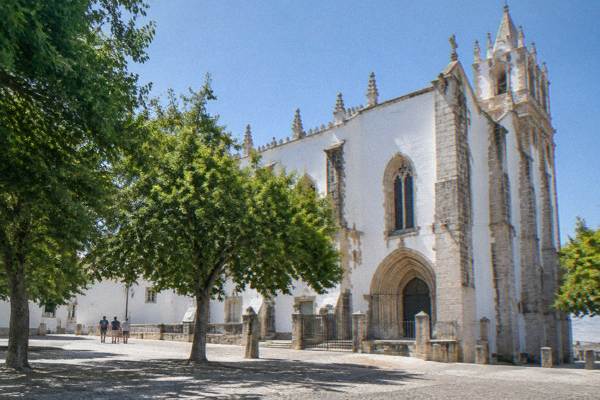
Évora Public Garden
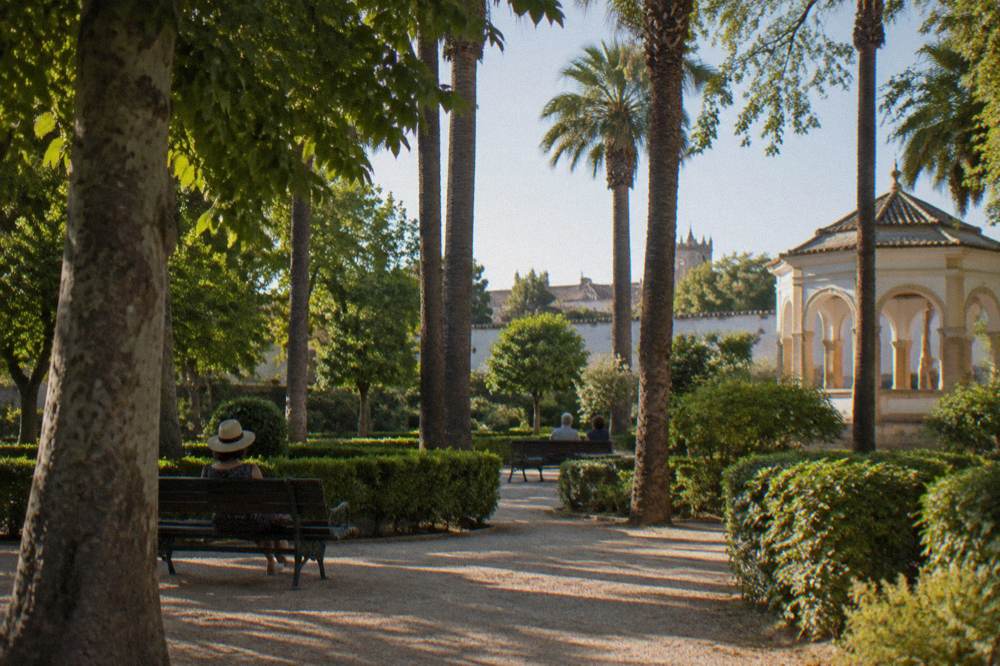
The Jardim Público is the green pause in the middle of Évora's walled historic centre, wedged between the Museu de Évora, the Convento dos Lóios and the remains of the old palace quarter. This guide covers where it sits, what to see around it, when the Alentejo heat makes shade matter, and how to fold it into a day of monuments.
Short answer
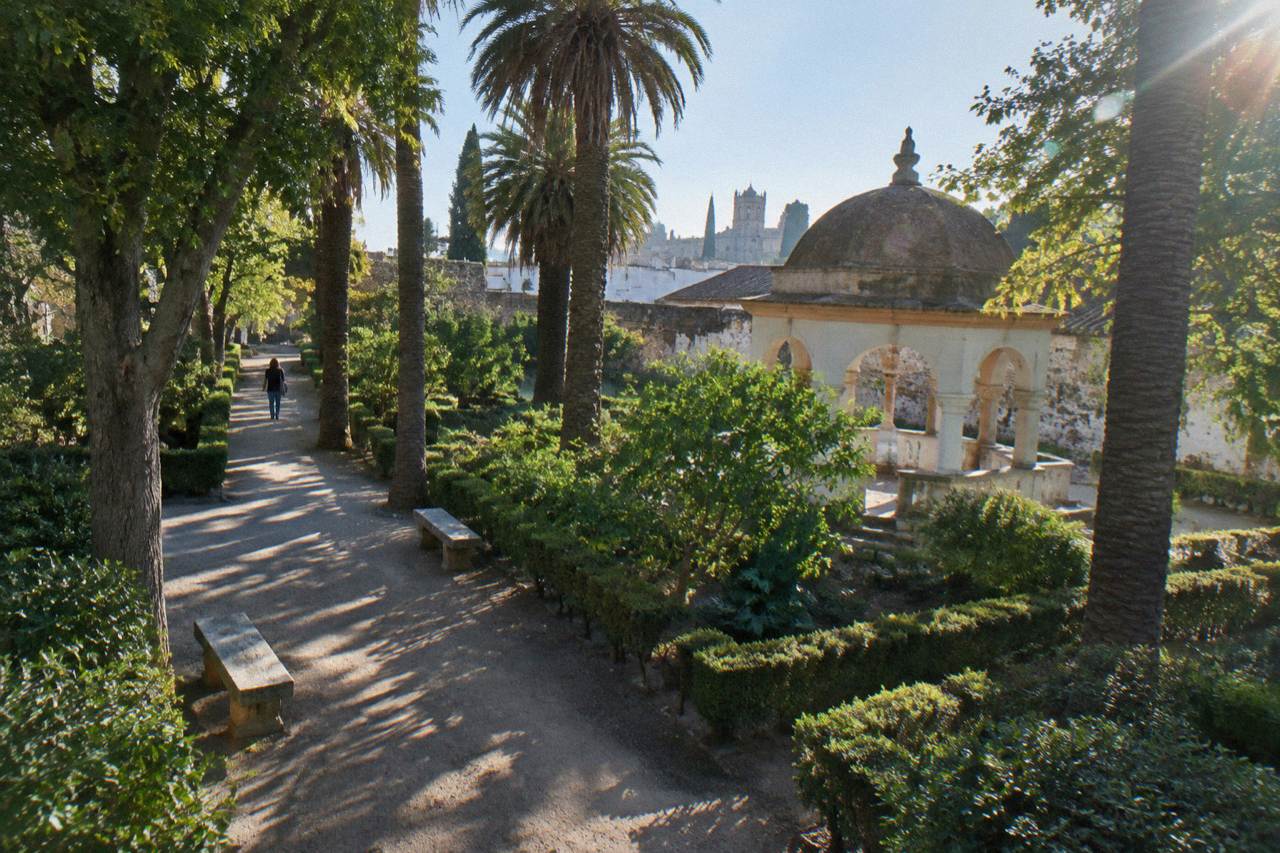
The Jardim Público is a public green space inside the UNESCO-listed historic centre of Évora, Portugal, sitting beside the Museu de Évora and the Convento dos Lóios a short walk from the Templo Romano and the Sé. It charges no ticket, it is open to the street, and it works best as a mid-day pause between the cathedral, the Capela dos Ossos and the museum quarter.
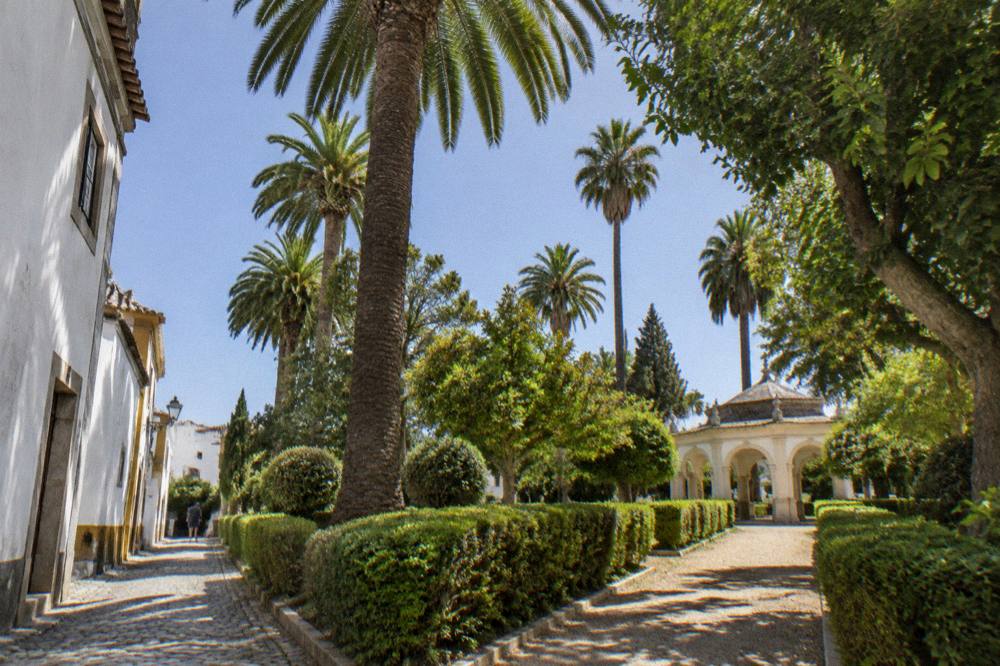
The Jardim Público is the main public garden of Évora, the inland capital of the Alentejo region of Portugal, roughly 130 km from Lisbon and about 90 km from the Atlantic coast. It sits inside the walled historic centre that UNESCO inscribed on the World Heritage list in 1986 under criteria (ii) and (iv), a stretch of city the inscription calls the finest example of a city of the golden age of Portugal, preserved because Évora was largely spared the 1755 earthquake that levelled Lisbon. The garden itself is the quiet green square of that city: a place of paths, shade and benches pressed between the Museu de Évora, the Convento dos Lóios and the palace remains of the old episcopal quarter. No ticket, no queue, no closing booth. It is simply there, in the way a city square is there, and most visitors cross it without realising it has a name.
That is the point of this page. A garden with no ticket and no published schedule does not generate the practical questions a cathedral does, so most guides give it a paragraph and move on. This one does the opposite: it treats the Jardim Público as the anchor of a whole corner of Évora, the corner that holds the museum, the Lóios convent church, the Templo Romano and the aqueduct arches that march down toward the southern walls. Read it as a plan for the museum quarter, with the garden as the resting point in the middle.
Where Is The Jardim Público In Évora?
The Jardim Público sits in the south-eastern part of Évora's walled historic centre, directly beside the Museu de Évora in the former Archbishop's Palace and a few minutes on foot from the Templo Romano, the Sé and the Praça do Giraldo. It is the green space of the old episcopal and palace quarter, the area around the Palácio de Dom Manuel, and it opens toward the line where the medieval wall meets the older Roman foundation. Everything in this corner of the city is compressed: the museum, the Convento dos Lóios, the Roman temple and the garden sit within a couple of blocks of each other, which is why this quarter rewards a slow half-day rather than a dash.
The geography matters more than it first appears. Évora's historic centre is small and dense, and its main sights split naturally into two clusters: the Praça do Giraldo and the Igreja de São Francisco with the Capela dos Ossos on one side, and the cathedral, museum and temple on the other. The garden belongs firmly to the second cluster. A visitor walking from the Praça do Giraldo toward the Sé will pass the garden's edge on the way to the museum, and the shaded paths are the natural place to stop between the two.
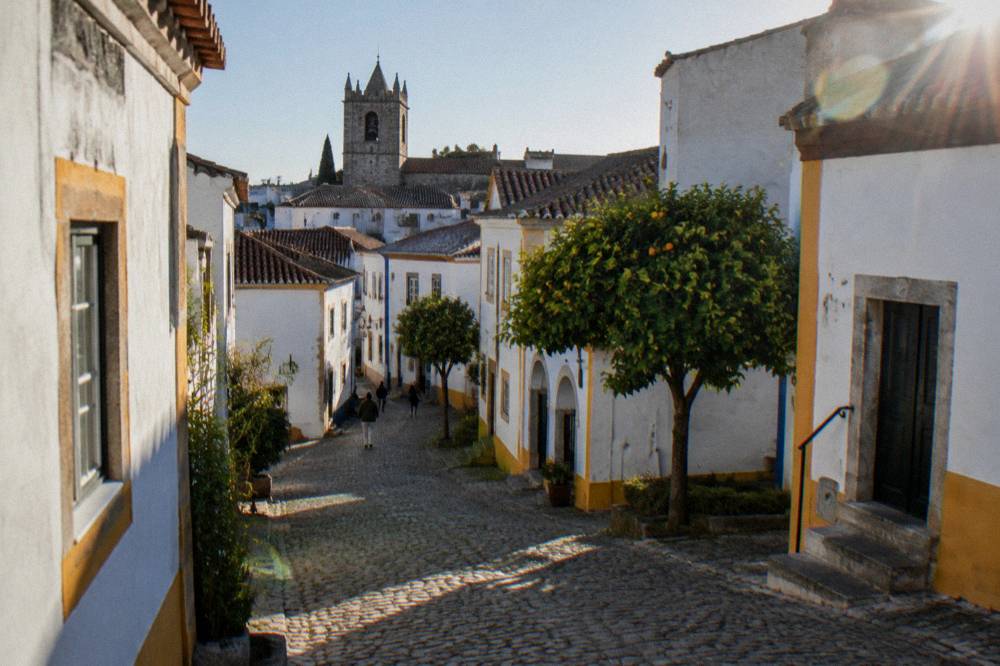
The surrounding streets keep the medieval grain. The Roman wall and its medieval successor are never far away here, and the garden's position against that line of fortification is part of its character: one side faces the palace and museum quarter, the other looks out toward the walls and the newer city beyond them. The Água de Prata aqueduct, the great stone water channel whose arches run through the southern edge of the town, is also within reach of this quarter, its armature threading between houses a short walk downhill.
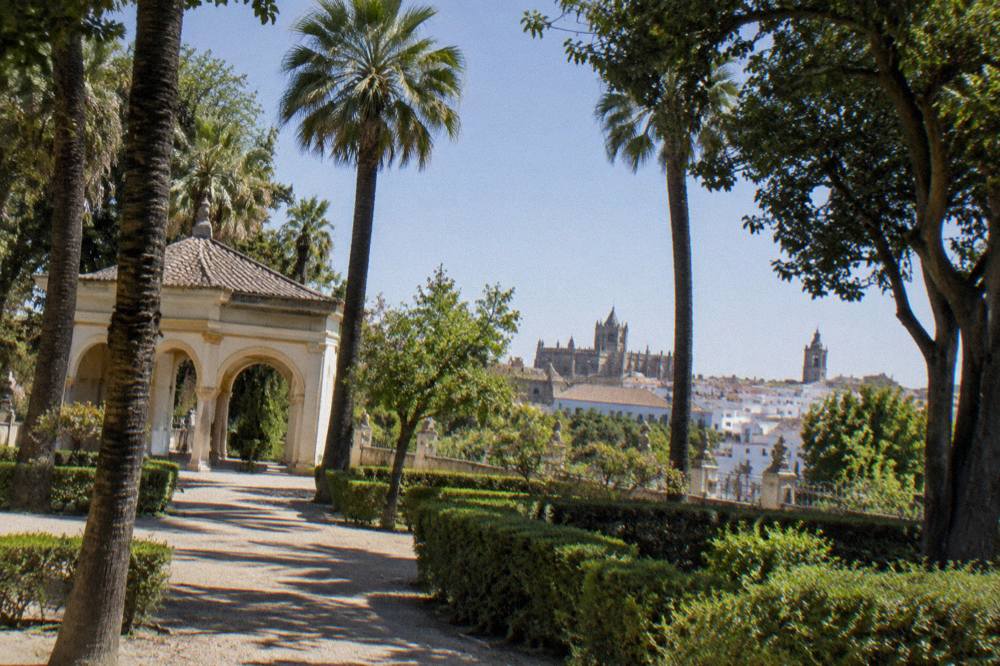
What Can You See Around The Évora Public Garden?
Within a short walk of the garden you can visit the Museu de Évora (adult ticket 8 EUR, closed Mondays), the Sé de Évora with its cloister and roof terrace (one complete-visit ticket 5.00 EUR), the Capela dos Ossos at the Igreja de São Francisco (adult museum ticket 7.00 EUR) and the Templo Romano, an open-air monument with no listed ticket. The Convento dos Lóios church stands at the garden's own edge, though its official page currently lists the ticket price as temporarily unavailable, so ask at the door rather than trusting any figure quoted elsewhere. This is the densest concentration of paid monuments in the city, all reachable on foot in minutes.
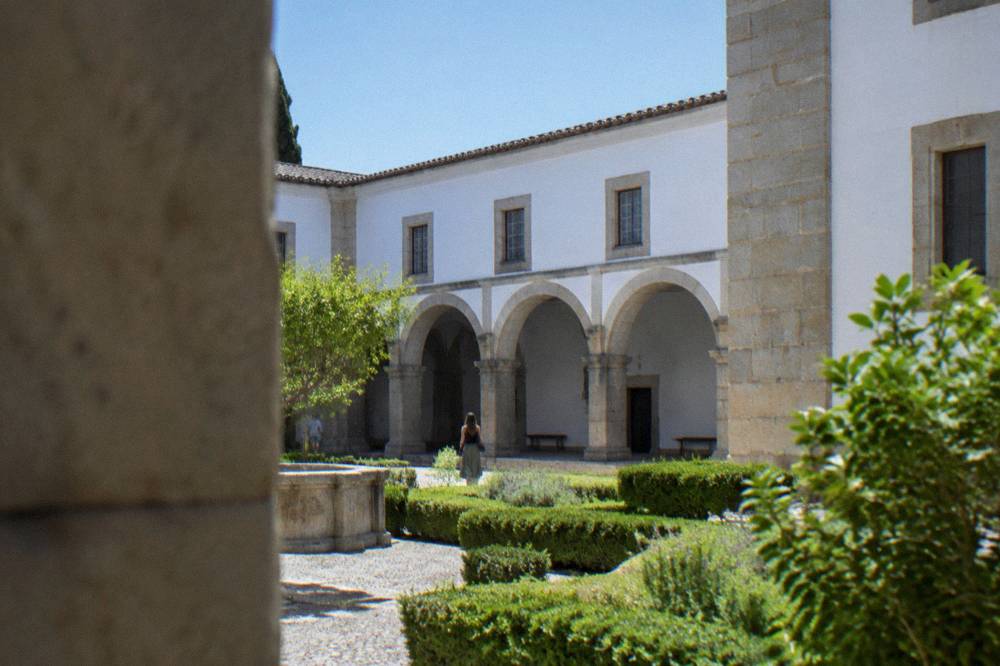
Start with the museum, because it is the garden's literal neighbour. The Museu de Évora, formally the Museu Nacional Frei Manuel do Cenáculo, was founded officially in 1915 and is housed in the former Archbishop's Palace, the building that gives this whole quarter its shape. It opens Tuesday to Sunday from 9:30 to 13:00 and again from 14:00 to 17:30, closing on Mondays, 1 January, Easter Sunday, 1 May, 29 June and 25 December. The adult ticket is 8 EUR, with 50% off for visitors aged 13 to 24, seniors over 65 and the family ticket, free entry to age 12, and free Sundays and holidays for residents in Portugal. The museum's own page publishes all of this, and it is the one set of hours in this quarter that is stated in full.
The Sé de Évora is the second stop, a few minutes north. Its single ticket, 5.00 EUR, covers the complete visit: cathedral, cloister, the panoramic roof terrace and the museum, with children up to 12 free alongside a parent or guardian. Hours run 9:00 to 17:00, with the museum's last admission 30 minutes before closing, and the cathedral closes on the afternoon of 24 December, on 25 December and on 1 January. There is no cheaper roof-only ticket on the official page, so the complete visit is the only way up to the terrace, and the terrace is where you see how the garden, the temple and the walls fit together as one plan.
The Templo Romano, popularly called the Temple of Diana, stands at the top of the quarter. The municipal page for the monument says it was probably dedicated to the imperial cult rather than to the goddess Diana, a name only in use since the 17th century, that it measures 25 x 15 m, that it was later reused as a municipal butcher's shop, and that its walls were freed in 1870. It is an open-air monument with no ticket or hours listed, which makes it the easiest sight in the quarter: you simply walk up to it. The Capela dos Ossos at the Igreja de São Francisco is the other pole, a longer walk across the centre, with its own museum ticket at 7.00 EUR for adults, 5.00 EUR for youth up to 25 and seniors over 65, and a family ticket at 15.00 EUR, open daily in summer from 9:00 to 18:30 and in winter from 9:00 to 17:00 except 1 January, Easter Sunday, the afternoon of 24 December and 25 December.
| Monument Near The Garden | Ticket | Hours Stated Officially | Closed |
|---|---|---|---|
| Museu de Évora | 8 EUR adult, 50% off youth 13-24, seniors over 65, family; free to 12 | Tue-Sun 9:30-13:00 and 14:00-17:30 | Mondays, 1 Jan, Easter Sunday, 1 May, 29 Jun, 25 Dec |
| Sé de Évora complete visit | 5.00 EUR, children to 12 free | 9:00-17:00 | 24 Dec afternoon, 25 Dec, 1 Jan |
| Capela dos Ossos museum ticket | 7.00 EUR adult, 5.00 EUR youth to 25 and seniors over 65, 15.00 EUR family | Summer 9:00-18:30, winter 9:00-17:00 | 1 Jan, Easter Sunday, 24 Dec afternoon, 25 Dec |
| Templo Romano | No ticket listed | Open-air monument, always visible | None listed |
| Convento dos Lóios | Temporarily unavailable on the official page | Not stated | Not stated |
One pass deserves a mention here even though it skips the headline monuments. The Évora Ticket, the multi-site pass for the Cidade-Museu network, costs 8 EUR for one day, 10 EUR for two days and 12 EUR for three days, and is free to age 12. It does not include the Sé, the Capela dos Ossos or the Museu de Évora, so for the garden quarter specifically it is not the shortcut it looks like: the three biggest sights around the garden each sell their own ticket, and the pass covers other sites in the network instead. Check the pass's own page for the current site list before buying, because the network is what you are paying for.
The garden itself, meanwhile, is the free hinge in all of this. Between the museum's morning session and its afternoon reopening, between the cathedral and the temple, between one ticketed interior and the next, the shaded paths are where a day in this quarter breathes. That is not a small thing in the Alentejo, as the next section makes clear.
When Is The Best Time To Visit The Évora Public Garden?
For a garden visit in Évora the sweet spots are April, May, late September and October, when the 1991-2020 IPMA normals for the Évora station show mean daily maxima of 20.7 C, 25.0 C, 29.5 C and 24.1 C with rain on roughly 8, 6, 4 and 8 days a month; July and August, with mean maxima of 33.3 C and 33.5 C and almost no rain, are months for the morning and evening only. The garden is an outdoor room, and in this inland city the calendar decides how long anyone wants to sit in it.
The climate table for Évora is unusually blunt for Portugal. The IPMA 1991-2020 normals for station number 558, at 38.5365N, 7.8880W and 247.6 m altitude, show 86.5 days a year with a maximum of 30 C or more and 31.9 days a year at 35 C or more, with the highest maximum on record at 45.4 C on 4 August 2018 and the lowest minimum at -4.2 C on 4 December 1998 and 23 January 2000. July averages 2.7 mm of rain across 0.6 days with 1 mm or more; October jumps to 81.5 mm across 7.7 such days. There is no sea breeze here: the Atlantic is roughly 90 km away, and nothing moderates the afternoon.
| Month | Mean Max (C), 1991-2020 | Mean Min (C) | Rain (mm) | Days With 1 mm+ Rain | Days At 30 C+ |
|---|---|---|---|---|---|
| March | 18.7 | 6.9 | 60.8 | 7.5 | 0.0 |
| April | 20.7 | 8.5 | 62.1 | 8.0 | 0.3 |
| May | 25.0 | 10.9 | 46.6 | 6.0 | 5.5 |
| June | 30.2 | 13.8 | 10.6 | 1.7 | 15.1 |
| July | 33.3 | 15.6 | 2.7 | 0.6 | 23.7 |
| August | 33.5 | 16.0 | 6.0 | 0.7 | 25.0 |
| September | 29.5 | 14.6 | 33.9 | 3.6 | 13.9 |
| October | 24.1 | 12.3 | 81.5 | 7.7 | 2.9 |
What this means for the garden is simple. In the shoulder months the shaded paths work at any hour of the day, and a museum-to-temple walk can pause in them without calculation. In June, July and August the pattern flips: do the Templo Romano and the outdoor stretches before the late morning, use the museum's air-conditioned rooms for the hottest hours of the afternoon, and let the garden be a short crossing between them rather than a destination to linger in. In winter the garden is still pleasant in the middle of the day, with January mean maxima of 14.1 C and mean minima of 4.5 C, but the light goes early and the quarter's indoor sights carry the visit.
Rain, for once, is a real planning input in Évora, unlike in the coastal south. November and December average 86.0 mm and 85.1 mm of rain respectively, on 8.8 and 8.7 days with 1 mm or more, and October's 81.5 mm is close behind. A wet day in the museum quarter is not a lost day: the Museu de Évora's two daily sessions, the Sé's complete visit and the Capela dos Ossos are all indoors, and the garden becomes the short dash between doors rather than the reason to be there.
How Does The Garden Fit Into A One-Day Évora Itinerary?
In a one-day Évora plan the garden works as the mid-day hinge between the two halves of the historic centre: the Praça do Giraldo and the Capela dos Ossos in the morning, then the garden, the Museu de Évora, the Convento dos Lóios, the Templo Romano and the Sé through the afternoon, with the roof terrace of the cathedral as the day's closing view. The quarter around the garden is compact enough that this whole second half is a walk of a few blocks, and the garden is where the day changes gear from ticking monuments to drifting between them.
A realistic shape for the day looks like this. Arrive on the first train from Lisbon if you are day-tripping: CP's timetable valid since 6 September 2026 has a 07:02 departure from Lisboa Oriente arriving in Évora at 08:47, about an hour forty to an hour forty-five on the through Intercidades service. Walk into the centre through the morning streets to the Praça do Giraldo, then continue to the Igreja de São Francisco and the Capela dos Ossos while the morning is still cool, since its summer hours run to 18:30 and winter hours to 17:00 and the morning queue is the shorter one. From there, cross the centre north-east toward the garden. Everything else covered here is indexed on Évora Travel Guide.
| Block Of The Day | Where | What The Official Sources State |
|---|---|---|
| Morning, first half | Praça do Giraldo | Public square, no ticket, open to the street |
| Morning, second half | Igreja de São Francisco and Capela dos Ossos | Museum ticket 7.00 EUR adult; summer 9:00-18:30, winter 9:00-17:00 |
| Midday pause | Jardim Público | Public green space beside the Museu de Évora, no ticket |
| Early afternoon | Museu de Évora | 8 EUR adult; Tue-Sun 9:30-13:00 and 14:00-17:30, closed Mondays |
| Late afternoon | Templo Romano, then the Sé | Temple open-air with no listed ticket; Sé complete visit 5.00 EUR, 9:00-17:00 |
| Close of day | Sé roof terrace | Included in the 5.00 EUR complete-visit ticket, no separate roof tier |
The museum's split day is the one scheduling constraint worth planning around. With sessions from 9:30 to 13:00 and 14:00 to 17:30 and a Monday closure, a visitor arriving on a Monday has to swap the museum for something else, and a visitor who reaches the quarter at 13:15 has a natural garden-and-lunch hour before the doors reopen at 14:00. That is precisely the slot the garden exists for in an itinerary: the shade at the hottest, deadest hour of an Alentejo afternoon, with the museum's afternoon session as the next fixed point.
If you have two days rather than one, the second day belongs outside the walls. The rounded distances from Évora are about 20 km to Arraiolos, about 40 to 45 km to Monsaraz, about 45 km to Estremoz and about 60 km to Vila Viçosa, with Elvas about 80 km and Marvão about 120 km. The megalithic circuit is closer still: the Almendres Interpretation Centre in the village of Guadalupe, the municipal partner site for the Cromeleque dos Almendres, opens 10:00 to 18:00 in summer from 1 May to 31 October and 10:00 to 17:00 in winter from 1 November to 30 April, reached by taking the national road toward Lisbon and following the turn-off after about 8 km. A fuller plan for that circuit is in the Cromeleque dos Almendres guide, and the wider menu of options is in the site's overview of things to do in Évora.
Which Guided Tours Cover The Garden Quarter Of Évora?
The guided options that fit the garden quarter are the historic-centre walking tours, especially the private skip-line tour of the university, cathedral and Capela dos Ossos with a wine tasting (from $91.39 per person, rated 5 from 48 reviews, 3 hours), the private walking tour of the cathedral and Chapel of Bones (from $111.42 per person, rated 5 from 106 reviews, 2.5 hours) and the flexible historic-centre walk (from $13.51 per person, rated 4.8 from 105 reviews, 3 hours). All three are Évora-start walking tours whose routes run through exactly the streets described above.
The skip-line tour is the one most aligned with this page's itinerary, because it bundles the quarter's ticketed interiors into a single guided block. The university, cathedral and bones chapel tour with wine covers the University of Évora's college building, the Sé and the Capela dos Ossos without waiting at each counter, then finishes with a Portuguese wine tasting; at 3 hours it leaves the rest of the day free for the museum and the garden at your own pace. Check availability on the operator's live listing if that shape suits your day.
The private option goes deeper on the same ground. The private walking tour with cathedral and Chapel of Bones runs 2.5 hours from $111.42 per person, rated 5 from 106 reviews, and includes the monument tickets, which matters if you would rather not handle the Sé and Capela dos Ossos counters yourself. For a lighter, cheaper introduction, the flexible historic-centre walking tour is from $13.51 per person, rated 4.8 from 105 reviews over 3 hours, and its flexible format means the route can be steered toward the garden and museum quarter if that is what you want from the morning.
There are also free, tip-based walks in Évora, run on the GuruWalk platform, and naming the platform is part of describing them honestly. The Essential Free Tour of Évora, rated 4.93 from 774 reviews over about 2 hours, is the most reviewed of these, and its guru leads the walk on a pay-what-you-want basis; the free History and Heritage walk, rated 5 from 9 reviews, and the Évora through history walk, rated 4.88 from 74 reviews, cover similar ground in the same 2-hour format. A free walk is a sound first morning in the city: it maps the centre, it costs nothing but the tip, and it ends conveniently close to the ticketed monuments you will want to enter afterwards on your own.
| Guided Option | Format | Price | Rating | Duration |
|---|---|---|---|---|
| University, cathedral and bones chapel, skip-line plus wine | Guided walking tour with tickets and tasting | From $91.39 per person | 5 from 48 reviews | 3 hours |
| Private walking tour, cathedral and Chapel of Bones | Private walk, monument tickets included | From $111.42 per person | 5 from 106 reviews | 2.5 hours |
| Personal and flexible historic-centre walk | Flexible group walk | From $13.51 per person | 4.8 from 105 reviews | 3 hours |
| Small-group cultural walk with Chapel of Bones | Small-group walk | From $77.66 per person | 4.9 from 141 reviews | 2 hours |
| The Essential Free Tour of Évora | Free, tip-based walk on GuruWalk | Tip based, no fixed price | 4.93 from 774 reviews | 2 hours |
How Do You Get To Évora And The Garden From Lisbon?
Six through Intercidades trains a day run from Lisboa Oriente to Évora on the CP timetable valid since 6 September 2026, departing at 07:02, 09:02, 09:58, 13:35, 17:02 and 19:02 and arriving about 1 hour 40 to 1 hour 45 later, at a fare of 13.90 EUR in second class or 18.50 EUR in first class. The services call at Entrecampos, Sete Rios, Pragal, Pinhal Novo, Vendas Novas and Casa Branca, and no change is needed on these through trains. Check the CP weekday remarks before locking a plan, because the PDF carries notes that matter on specific days.
The station sits a short walk from the historic centre, and the garden quarter is reached by heading uphill into the walled town past the aqueduct's arches. The fare table, valid from 1 January 2026, prices the full Lisboa Oriente to Évora leg at 13.90 EUR second class and 18.50 EUR first class, which makes a day trip by train cheaper than most single monument-heavy guided days once tickets are added up. For the return, the evening 19:02 arrival pattern in reverse gives a full day in the city, though the last departure times back toward Lisbon should be read from the current PDF before you commit to a late dinner.
| Train From Lisboa Oriente | Arrival In Évora | Fare, Second Class | Fare, First Class |
|---|---|---|---|
| 07:02 | 08:47 | 13.90 EUR | 18.50 EUR |
| 09:02 | 10:45 | 13.90 EUR | 18.50 EUR |
| 09:58 | 11:40 | 13.90 EUR | 18.50 EUR |
| 13:35 | 15:13 | 13.90 EUR | 18.50 EUR |
| 17:02 | 18:41 | 13.90 EUR | 18.50 EUR |
| 19:02 | 20:46 | 13.90 EUR | 18.50 EUR |
Coaches also run the Lisbon to Évora corridor, but no fare or timetable for those services is stated here: check the operator's own site before booking. The same applies to the local city bus and to any taxi figure quoted for the run out to the cromlech. By car, Lisbon is about 130 km away on the A6, and parking around the historic centre is a matter of the municipal rules in force on the day; the site's parking guidance covers the practicalities without promising a specific lot.
Visitors arriving in 2026 and 2027 should also note the border change. The EU's Entry/Exit System has been fully deployed across the Schengen area since 10 April 2026, so non-EU travellers now have fingerprints and a facial image recorded at first entry rather than passport stamps. ETIAS, the travel authorisation for visa-exempt visitors, is not yet in operation and no start date is confirmed, so do not plan around it until an official announcement exists.
What Else Should You Know Before Visiting The Garden Quarter?
Three practical points shape a visit to this corner of Évora: the Museu de Évora closes on Mondays, so the quarter's indoor anchor disappears on the first day of the week; the Convento dos Lóios currently publishes no ticket price, so ask at the door; and a municipal tourist tax applies to overnight stays in the city, so check with your hotel rather than any figure quoted in passing. None of these is a problem if you know about it before the day starts, and all three are easy to work around.
The Monday closure is the one that actually bites. A day-tripper arriving on a Monday finds the museum dark and has to build the day from the cathedral, the Capela dos Ossos, the temple and the streets, which is still a full day but a different one.
That programme is the living context for a 2026 or 2027 visit. Évora and the Alentejo hold the European Capital of Culture title in 2027, promoted by an executive board led by the municipality, with 2026 running as a preparation year built on the concept of "Vagar". The first GUADIANA festival of Afro-Ibero-American literatures ran from 9 to 11 October 2026 with 28 authors from nine countries, and the Feira de São João filled the Rossio de São Brás from 23 June to 5 July 2026 under the theme "Évora: Capital Europeia ao Sul". The full 2027 calendar is not yet published, so treat any specific 2027 date you see elsewhere with caution and check the official programme pages.
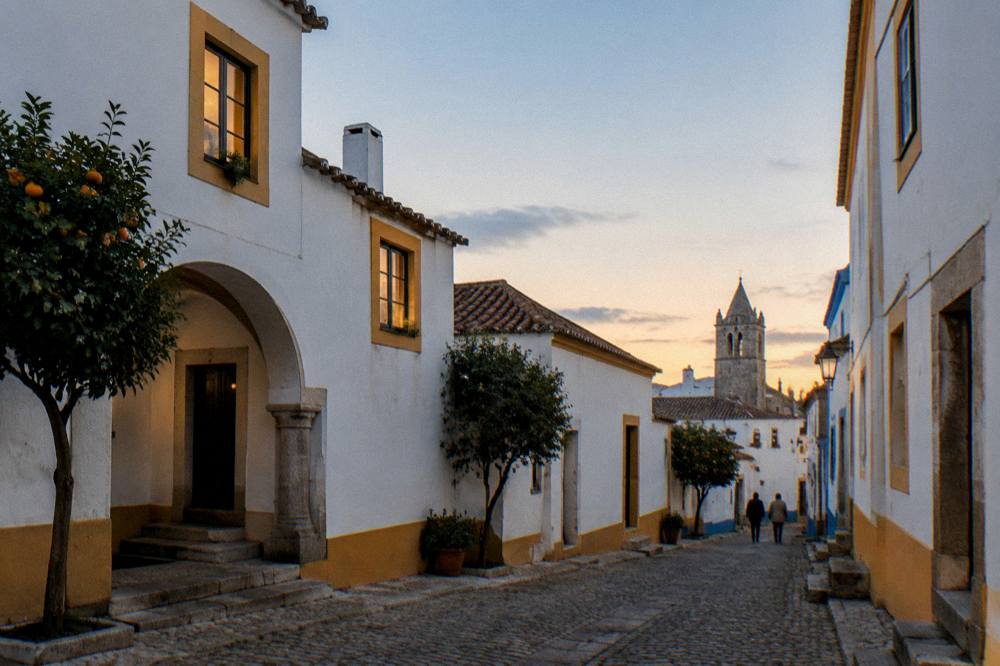
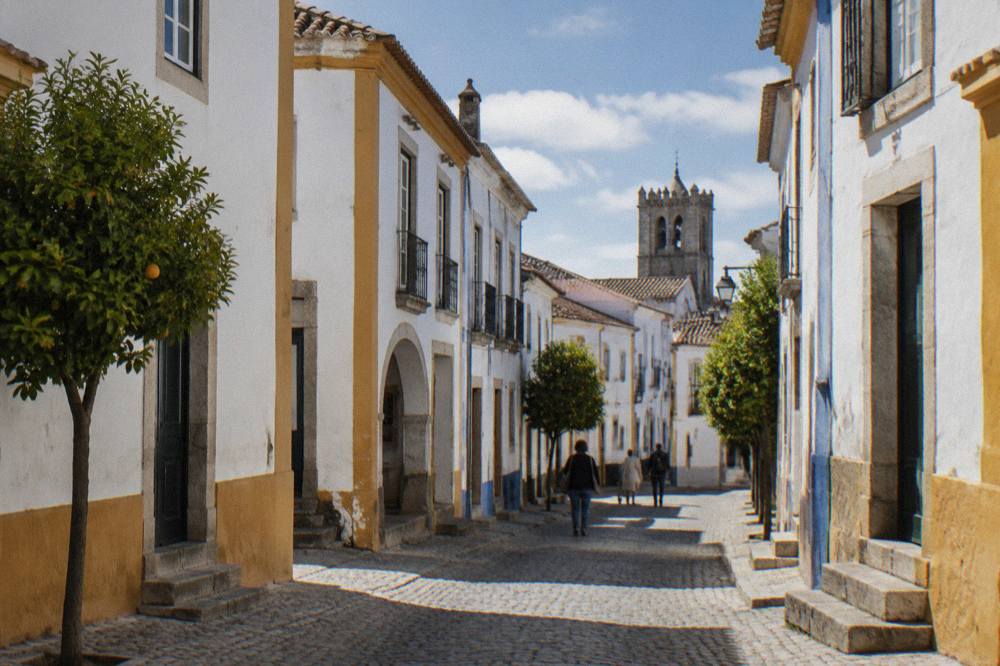
Beyond the garden, the quarter holds quieter sights that reward a slower pass: the Convento dos Lóios church at the garden's edge, the Jewish quarter streets that weave through the centre, the Roman baths and the archaeological sites that remind you this was Roman Ebora before it was anything else. Moorish rule here ended in 1165, the Jesuit University of the Holy Spirit dates from 1553, and the Jesuits were expelled in 1759; the layers are visible in the stonework of a single street, which is the honest reason UNESCO inscribed the whole centre rather than a list of individual buildings.
Common Questions About The Évora Public Garden
Is the Jardim Público in Évora free to enter?
It is a public green space in the middle of the historic centre, open to the street like a city square, with no ticket booth of its own. The paid sights are the ones around it: the Museu de Évora at 8 EUR, the Sé complete visit at 5.00 EUR and the Capela dos Ossos museum ticket at 7.00 EUR.
Where is the Jardim Público located in Évora?
It sits in the south-eastern part of the walled historic centre, directly beside the Museu de Évora in the former Archbishop's Palace and close to the Convento dos Lóios, the Templo Romano and the Sé, all within a few blocks of each other.
Which sights are closest to the Évora Public Garden?
The Museu de Évora is the garden's immediate neighbour, followed by the Convento dos Lóios church at its edge, then the Templo Romano a short walk uphill and the Sé de Évora a few minutes beyond that. The Capela dos Ossos and the Praça do Giraldo lie on the other side of the centre.
When is the best time of year to visit the garden?
April, May, late September and October, when the 1991-2020 IPMA normals for the Évora station show mean maxima between about 20 and 29 C and the rainy days are still counted in single figures per month. July and August, with mean maxima of 33.3 C and 33.5 C, are months for mornings and evenings.
Can you visit the garden and the Museu de Évora on the same day?
Yes, and they pair naturally: the museum's two daily sessions, 9:30-13:00 and 14:00-17:30, leave a midday gap that the garden's shade fills exactly, and both sit in the same quarter as the Templo Romano and the Sé. Just avoid a Monday, when the museum is closed.
The Jardim Público will never be the reason you come to Évora, and it does not need to be. It is the place where a day of monuments slows down, the shade between the museum and the temple, and the quiet proof that a city preserved from the golden age of Portugal kept its green breathing space inside the walls along with everything else.