Inquisition History In Évora
Évora, the religious capital of Portugal's Alentejo, hosted a tribunal of the Portuguese Inquisition. Its streets, cathedral and Jesuit college still carry the marks of the church court that watched the city for generations.
Short answer
Évora, in Portugal's Alentejo, hosted one of the tribunals of the Portuguese Inquisition, the church court that prosecuted people suspected of secretly practising forbidden faiths after the forced conversions that ended open Jewish life in Portugal. The city's Jewish community was dismantled, the Jesuits who ran its university from 1553 were expelled in 1759, and the story is read today through the UNESCO-listed streets rather than one single site.
Évora, the capital of Portugal's Central Alentejo region, keeps its religious history in plain sight. The cathedral stands on the high ground inside the walls, convent churches line the lanes, and the Jesuit college that became the University of the Holy Spirit frames a marble-paved square in the middle of town. Behind that visible architecture sits a harder chapter: Évora was one of the Portuguese cities where the Inquisition held a tribunal, a church court that watched, judged and punished generations of Alentejo families. The story runs from the forced conversions that created the court's prey to the expulsion of the Jesuits in 1759, and it can still be read in the street plan of the UNESCO-listed centre. For the wider picture, start with the Évora Travel Guide overview and the full history of Évora.
What Was The Évora Inquisition?
The Évora Inquisition was the local arm of the Portuguese Inquisition, the church court system that prosecuted people suspected of secretly practising Judaism, Islam or other forbidden beliefs after the forced conversions that ended open Jewish life in Portugal. Évora hosted one of the tribunal seats, and its court watched over the Alentejo for generations before the institution was eventually abolished.
The Portuguese Inquisition was a system of church courts created to enforce Catholic orthodoxy after the forced conversion of Portugal's Jews. Its central concern was the converso, or New Christian: a person of Jewish ancestry whose conversion the state had compelled and whose sincerity the church doubted. Tribunals sat in a small number of cities, and Évora, as the religious capital of the Alentejo, was one of them. The court here drew its cases from across the southern half of the country.
What it prosecuted is easier to list than what it feared. Secret observance of Jewish or Muslim ritual, heretical statements, bigamy, and the possession of forbidden books all brought people before the tribunal. Evidence came largely from denunciation. Ordinary residents were encouraged to inform on their neighbours, and a web of lay assistants, called familiars, gave the court eyes in every parish. A changed routine on a Saturday, food avoided in a particular week, clothes washed on an odd day: small domestic signals could become evidence. Suspicion attached to ancestry rather than to acts, which is why whole families lived for generations under a cloud that no behaviour could fully lift.
The public face of the court was the auto-da-fé, a solemn ceremony at which sentences were announced before the assembled town. It was theatre designed to teach the population what heresy cost, and it bound the civic life of a city like Évora to the tribunal's calendar. The institution was eventually abolished, and its paper trail, preserved in archives, is today one of the main sources for historians of Portuguese Jewry.
The vocabulary of the era still appears on information panels and in guidebooks, and it helps to know it before a visit.
| Term | What It Meant |
|---|---|
| Converso | A Jew compelled to convert to Catholicism, and that person's descendants |
| New Christian | The official label for a converso family, applied for generations after conversion |
| Old Christian | A person with no known Jewish or Muslim ancestry, a legal advantage in this era |
| Crypto-Jew | A New Christian suspected or accused of practising Jewish ritual in secret |
| Auto-da-fé | The public ceremony at which the tribunal announced its sentences |
| Familiar | A lay assistant of the Inquisition, often a local notable, who informed and served |
Why Did The Inquisition Take Root In Évora?
The Inquisition took root in Évora because the city was one of Portugal's great seats of religious power: an archbishopric with a cathedral, a university run by the Jesuits from 1553, and a large population of New Christians descended from converted Jews. A court that policed belief naturally gravitated to a city where the church, the schools and the suspect community all lived inside the same walls.
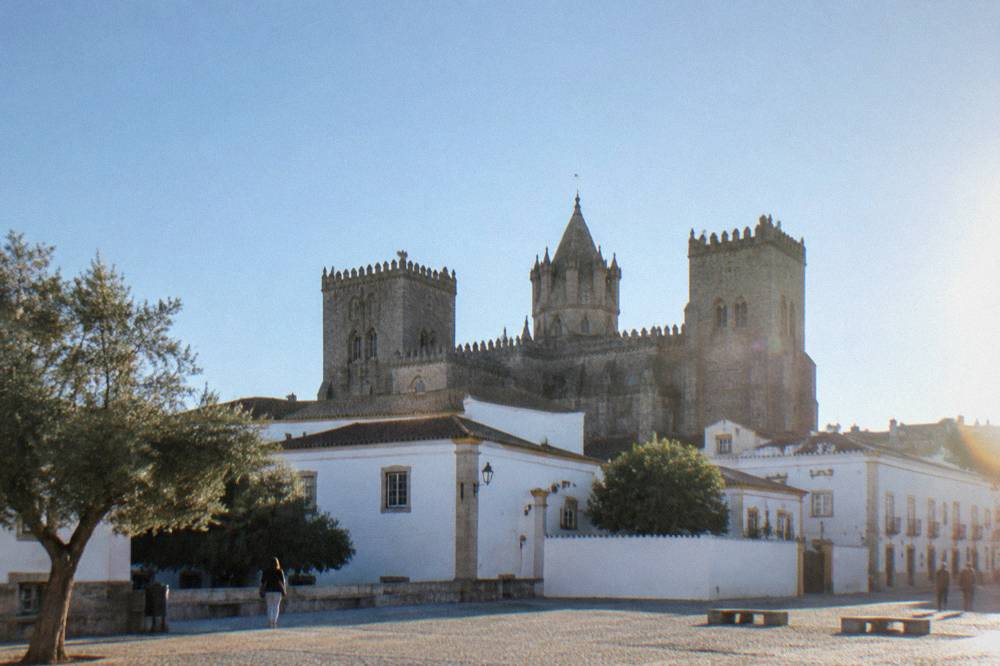
Start with religious power. Évora was an archbishopric, and its archbishops ranked among the grandees of the Portuguese church. The Sé, the metropolitan cathedral of a vast southern diocese, still shows that authority in granite and cloisters; the Sé de Évora in detail covers what a visit involves today. When the Inquisition needed a southern base, it found a city where the church already owned the skyline, the schools and much of the land.
Add learning. The Jesuits arrived in the city, and the University of the Holy Spirit dates from 1553, as UNESCO's description of the city records. A university meant printing, preaching and a trained clergy, and it meant a population of students and scholars within reach of a court that also policed books. The University of Évora campus still occupies the former Jesuit college in the historic centre, and its cloisters are the clearest architectural trace of that intellectual offensive.
Then add people. Évora's Jewish community was among the largest in medieval Portugal, and after the forced conversions the city held a substantial New Christian population of merchants, physicians and artisans. The crown and the church both wanted southern Portugal visibly orthodox, and Évora was the stage on which that orthodoxy was performed.
The dates that anchor this arc, as far as they can be stated, line up cleanly.
| Date | Event |
|---|---|
| 1165 | Moorish rule in Évora ends, recorded in UNESCO's listing of the city |
| 1553 | The Jesuit University of the Holy Spirit is founded in Évora |
| 1759 | The Jesuits are expelled from Portugal, as UNESCO's listing records |
| 1986 | UNESCO inscribes the Historic Centre of Évora, criteria (ii) and (iv) |
| 2027 | Évora becomes a European Capital of Culture |
The fastest way into this layered history is with a guide who knows which street carried which story. The guided options below all work the historic centre, and each adds a different angle on the same square kilometre of stone.
How Did The Inquisition Change Évora'S Jewish Community?
Évora's Jewish community, one of the largest in medieval Portugal, was dismantled in stages: first confined to a designated quarter, then converted by force, then watched for generations by a tribunal that treated any sign of old ritual as evidence of secret heresy. Families fled, assimilated or lived under permanent suspicion, and the open Jewish life of the city ended.
Before the conversions, the Jewish quarter of Évora was a functioning neighbourhood with its own institutions, trades and rhythms, as was the pattern in Portuguese cities of the medieval period. The forced conversions changed the community's legal identity overnight: its members became Catholics on paper, and their Judaism became, in the eyes of the new courts, a crime that could only be hidden rather than abandoned.
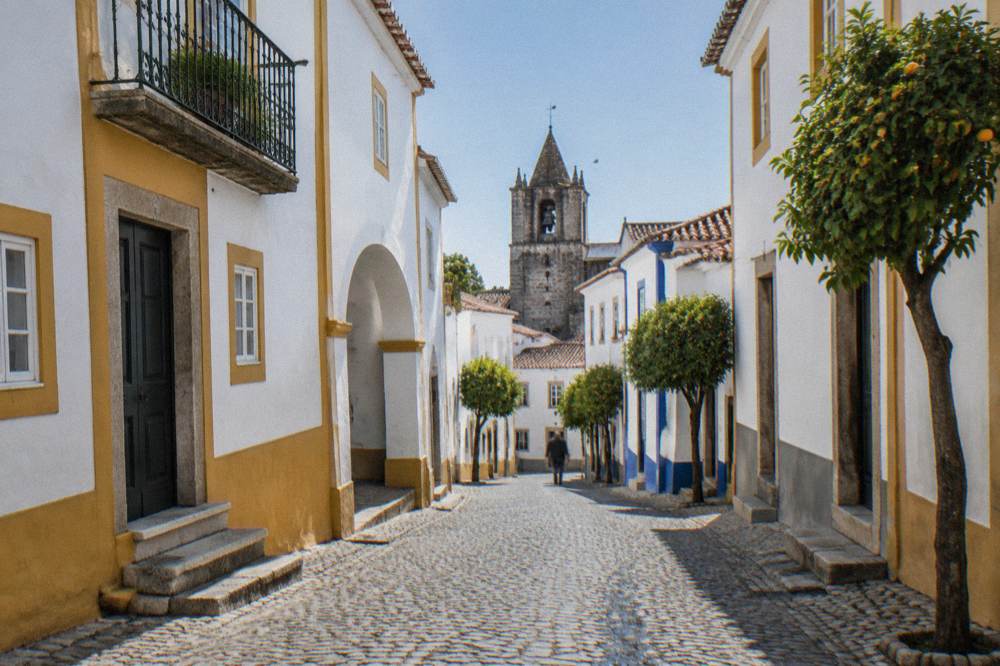
What followed was surveillance. Denunciation turned neighbour against neighbour, and the familiars of the tribunal kept the parish under observation. A family's fortunes could rest on the memory of a servant, the resentment of a business rival or the ambition of an informer. Emigration was the exit for those with means and contacts: New Christian families left Portugal for communities in northern Europe and the Ottoman world where open Jewish life was possible again. Those who stayed assimilated, changed names and buried their genealogies so deeply that many descendants never recovered them.
The result inside Évora was silence where there had been a community central to the city's commercial life. The street plan of the old quarter survives inside the walls, and that plan, more than any single plaque, is the monument. Local guides walk these lanes daily, and the flexible historic-centre walking tour, from $13.51 per person, spends three hours among exactly these streets Check availability on the operator's live listing.
What Survives Of The Inquisition Era In Évora Today?
What survives is mostly indirect: the street plan of the old Jewish quarter inside the UNESCO-listed centre, the cathedral and convent churches that embodied the power doing the judging, the university the Jesuits built, and museum collections that preserve the city's religious past. No single building is presented as the tribunal's seat, so the story is read through the urban fabric rather than one ticketed site.
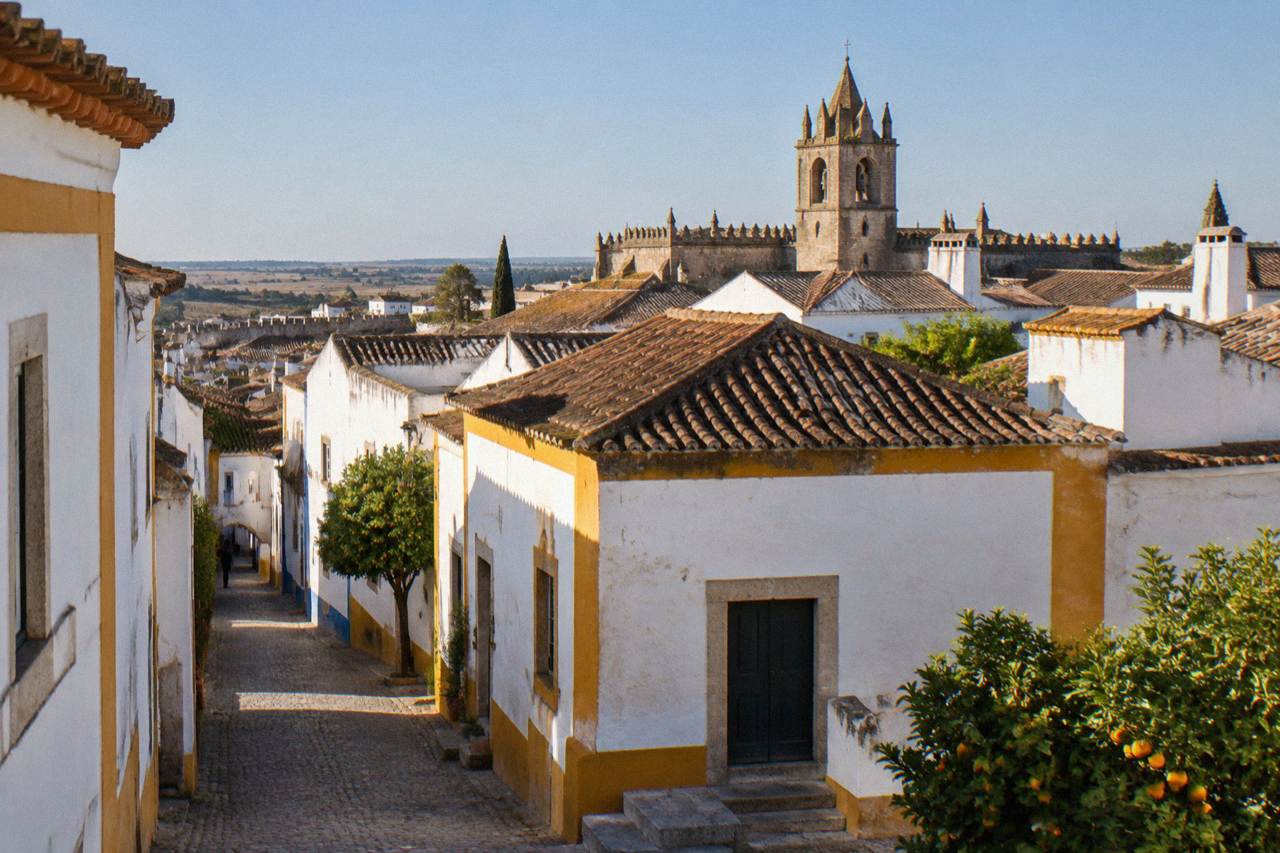
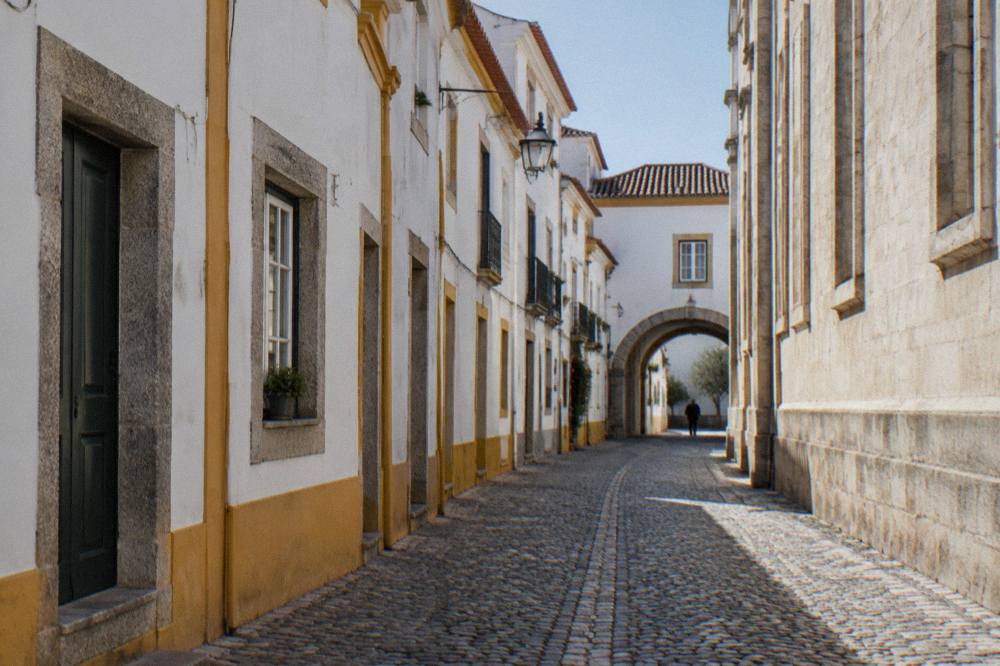
That indirectness is worth embracing rather than fighting. The Inquisition was a court, an administration and a climate of fear, not a monument, and the traces it left in Évora are structural. The lanes of the old Jewish quarter still follow their medieval lines. The ecclesiastical buildings that housed the authority behind the tribunal still stand, from the Sé to the convent churches. The university quarter still frames the square where the Jesuit college taught. A visitor who walks with that framework in mind finds the era legible almost everywhere.
Museums carry the rest. The Museu de Évora, founded officially in 1915 and housed in the former Archbishop's Palace, holds the city's religious art and archaeology; the Museu de Évora collections are the deepest single resource in the city for the visual culture of the church that ran the courts. Beyond the museums, the era's paper trail sits in archives, which historians of Portuguese Jewry continue to mine.
| Place | Connection To The Era | What You See |
|---|---|---|
| Praça do Giraldo | Main square, stage of public civic and religious life | Arcades, fountain, the tourist office at number 73 |
| Lanes of the old Jewish quarter | The designated quarter of the medieval community | Narrow medieval street plan inside the walls |
| Sé de Évora | Seat of the archbishopric whose authority underpinned the court | Cathedral, cloister, roof terrace, museum |
| University of Évora | Jesuit college from 1553 until the 1759 expulsion | Cloisters and the college church |
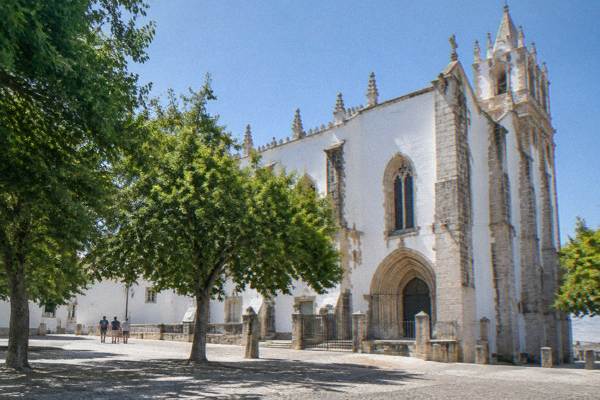
| Igreja de São Francisco | Convent church of the era, now holding the Capela dos Ossos | Church, bone chapel, museum areas |
| Museu de Évora | Former Archbishop's Palace, religious collections | Museum galleries in the palace |
For visitors who want the ecclesiastical core of the story tied together, the private walking tour with cathedral and chapel, from $111.42 per person and rated 5 from 106 reviews, arranges the monument tickets and moves at one group's pace.
Which Évora Monuments Open A Window Onto This Period?
The monuments that best frame the period are the Sé de Évora, whose single 5.00 EUR complete-visit ticket covers cathedral, cloister, roof terrace and museum; the Igreja de São Francisco with the Capela dos Ossos at 7.00 EUR; and the Museu de Évora, founded in 1915 in the former Archbishop's Palace, at 8 EUR with a 50% reduction for youth, seniors and families.
The Sé is the natural first stop, because the archbishopric it served was the institutional spine of religious power in the Alentejo. One ticket buys the complete visit: cathedral, cloister, the panoramic roof terrace and the museum, with children up to 12 free alongside a parent or guardian. Hours run 9:00 to 17:00, with the museum's last admission 30 minutes before closing, and the cathedral closes on the afternoon of 24 December, on 25 December and on 1 January.
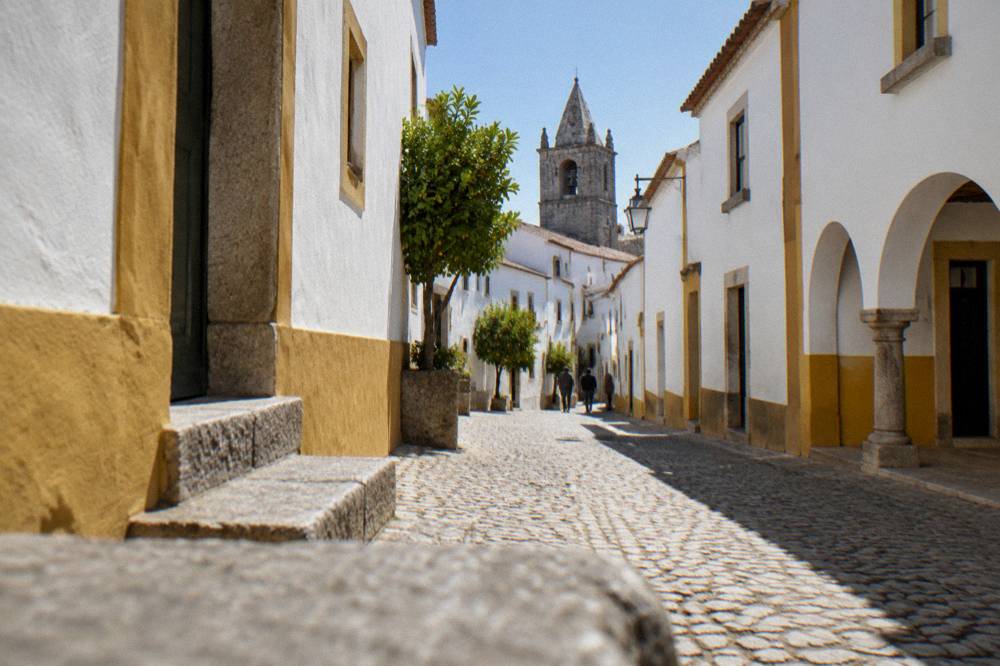
The Igreja de São Francisco, a convent church of the era, is the second key site, and it carries the strangest monument in the city: the Capela dos Ossos. The Chapel of Bones explained covers what the chapel is and how to visit; the essentials are a single 7.00 EUR museum ticket covering all the museum areas, reduced rates for youth up to 25 and seniors over 65, a 15.00 EUR family ticket, summer hours of 9:00 to 18:30 and winter hours of 9:00 to 17:00, and closure on 1 January, Easter Sunday, the afternoon of 24 December and 25 December. The church notes on its own page that it is a private religious entity and does not apply State Museum discounts.
The Museu de Évora completes the set. It opens Tuesday to Sunday, 9:30 to 13:00 and 14:00 to 17:30, and closes on Mondays, 1 January, Easter Sunday, 1 May, 29 June and 25 December. Adults pay 8 EUR, with 50% off for youth aged 13 to 24, seniors over 65 and the family ticket; entry is free to age 12, and free on Sundays and holidays for residents in Portugal. The Convento dos Lóios, another ecclesiastical landmark of the period, sits nearby; check the notice at the Convento dos Lóios entrance for the current situation before planning a visit inside.
One pass deserves a caution. The Évora Ticket costs 8 EUR for one day, 10 EUR for two days and 12 EUR for three days, free to age 12, but it does not include the Sé, the Capela dos Ossos or the Museu de Évora, so for this particular itinerary it saves nothing on the three headline sites.
| Site | Hours | Adult Ticket | Closures |
|---|---|---|---|
| Sé de Évora | 9:00-17:00 | 5.00 EUR complete visit | 24 Dec afternoon, 25 Dec, 1 Jan |
| Igreja de São Francisco and Capela dos Ossos | Summer 9:00-18:30, winter 9:00-17:00 | 7.00 EUR, youth and seniors 5.00 EUR, family 15.00 EUR | 1 Jan, Easter Sunday, 24 Dec afternoon, 25 Dec |
| Museu de Évora | Tue-Sun 9:30-13:00 and 14:00-17:30 | 8 EUR, 50% off youth 13-24, seniors and family | Mondays, 1 Jan, Easter Sunday, 1 May, 29 Jun, 25 Dec |
| Convento dos Lóios | Check the notice at the entrance | Check the notice at the entrance | Check the notice at the entrance |
| Évora Ticket pass | See the pass page for its site list | 8 EUR one day, 10 EUR two days, 12 EUR three days | Free to age 12 |
The budget-friendly way to put these buildings in order is the flexible historic-centre walking tour, from $13.51 per person and rated 4.8 from 105 reviews, which spends three hours on the streets between them.
How Did Évora Escape The Earthquake That Reshaped Portugal?
The 1755 Lisbon earthquake destroyed much of the capital, but Évora, about 130 km inland on the Alentejo plain, was largely spared, and UNESCO's inscription notes that its historic centre is the finest example of a city of the golden age of Portugal precisely because that catastrophe bypassed it. The Inquisition-era cityscape therefore survives in stone, which is rare for Portugal.
The 1755 earthquake and the tsunami and fires that followed levelled whole quarters of Lisbon and reshaped the capital's architecture, its administration and even its philosophy. Évora, sitting inland on the plain roughly 130 km from the Atlantic, felt none of that destruction to a comparable degree. UNESCO's criterion (iv) for the Historic Centre of Évora, inscribed in 1986 under criteria (ii) and (iv), makes the point directly: the city is the finest example of a city of the golden age of Portugal after the 1755 Lisbon earthquake, which Évora was largely spared.
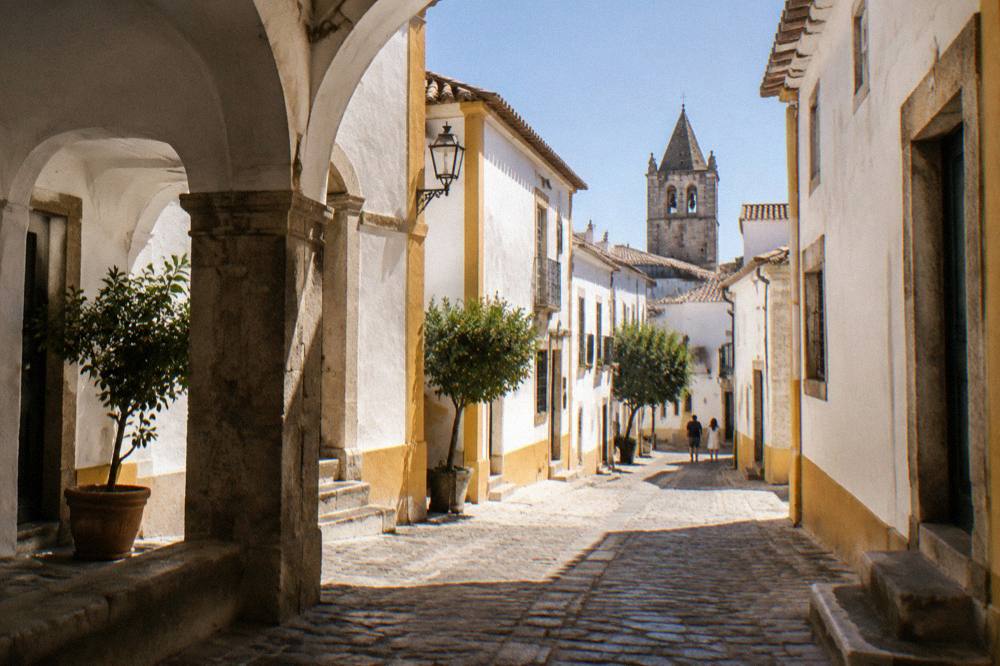
For the Inquisition story, that survival matters enormously. The streets the tribunal watched are the streets a visitor walks today. The squares where public ceremonies played out still hold their period frame. In Lisbon, the equivalent fabric burned; in Évora it stayed, which is why the UNESCO inscription exists and why this history can be read on foot rather than imagined from prints. The city's deeper past is part of the same continuity, from the Roman layers covered by the Roman Temple of Évora to the end of Moorish rule in 1165, and what is the history of Évora traces the full arc.
What Happened To The Jesuits Of Évora In 1759?
The Jesuits, who had run the University of the Holy Spirit in Évora since its foundation in 1553, were expelled from Portugal in 1759, a blow recorded in UNESCO's own description of the city. Their departure ended two centuries of Jesuit teaching in Évora and reshaped the university quarter that still occupies the former Jesuit college in the historic centre.
The Jesuits were the teaching order of the Counter-Reformation, and their college in Évora, founded with the University of the Holy Spirit in 1553, made the city a southern capital of Catholic learning. Generations of students passed through the college's cloisters. The order's reach, discipline and closeness to both the papacy and overseas missions eventually made it powerful enough to attract enemies at the highest levels of the Portuguese state.
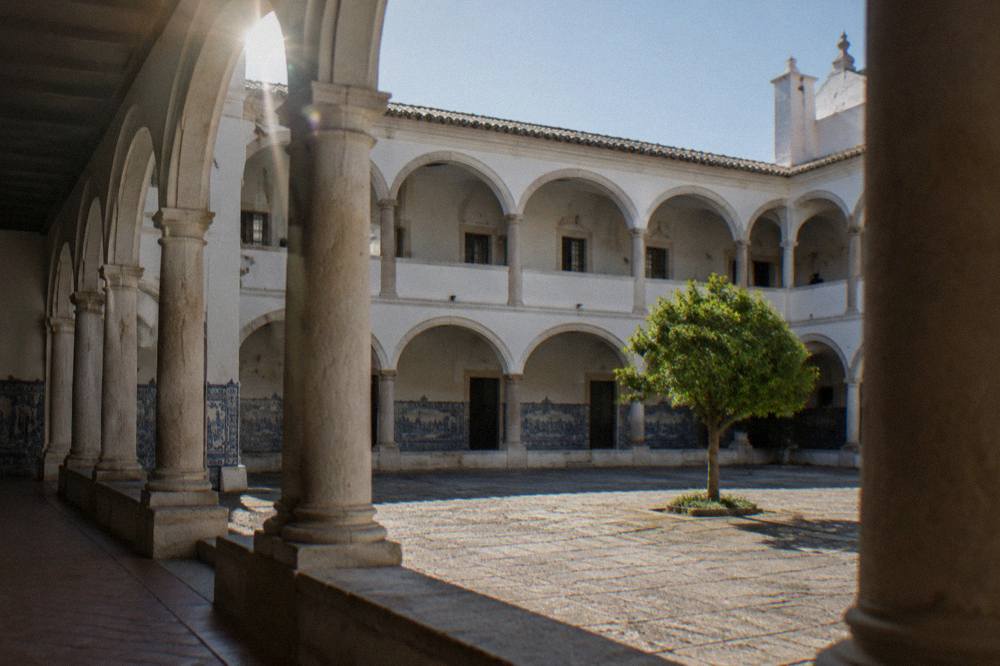
The end came in 1759, when the Jesuits were expelled from Portugal, as UNESCO's listing of Évora records. The college emptied, the order's properties passed to other hands, and the teaching tradition of the institution was interrupted. The buildings survived, and the university quarter of the historic centre still centres on the former Jesuit college, whose church and cloisters remain the most complete architectural expression of the era's religious ambition in the city.
The expulsion closes the arc that the Inquisition opened. A city that had spent generations watching its converted families for secret heresy then watched its most prominent teaching order removed by state decree in a single stroke, proof that the machinery of religious control could turn on the religious themselves. Walking from the old Jewish quarter lanes to the college cloisters traces both halves of that story in under an hour.
How Do You Walk Évora'S Inquisition History In Half A Day?
A half-day walk covers the whole story: start on Praça do Giraldo, the main square where public life played out, move through the streets of the old Jewish quarter, then climb to the Sé and finish at the University of Évora's cloisters. The circuit is compact because everything sits inside the walls of the UNESCO-listed centre, and a guided walk from $13.51 per person adds the context.
Begin on Praça do Giraldo, the great civic stage of the city, where the arcades and the fountain still frame every public occasion. The square sits at the junction of the medieval town's main axes, and its history as a place of assembly is the reason to start here: whatever the tribunal staged in public, this is where the city gathered to see it. The tourist office at Praça do Giraldo 73 is the practical first stop for maps and current information.
From the square, head into the lanes of the old Jewish quarter, where the street plan itself is the monument. Walk slowly here. The narrow plots, the shared walls and the turns that kept each lane semi-private all belong to the medieval community that the tribunal dismantled, and no single doorway matters more than the pattern of the whole.
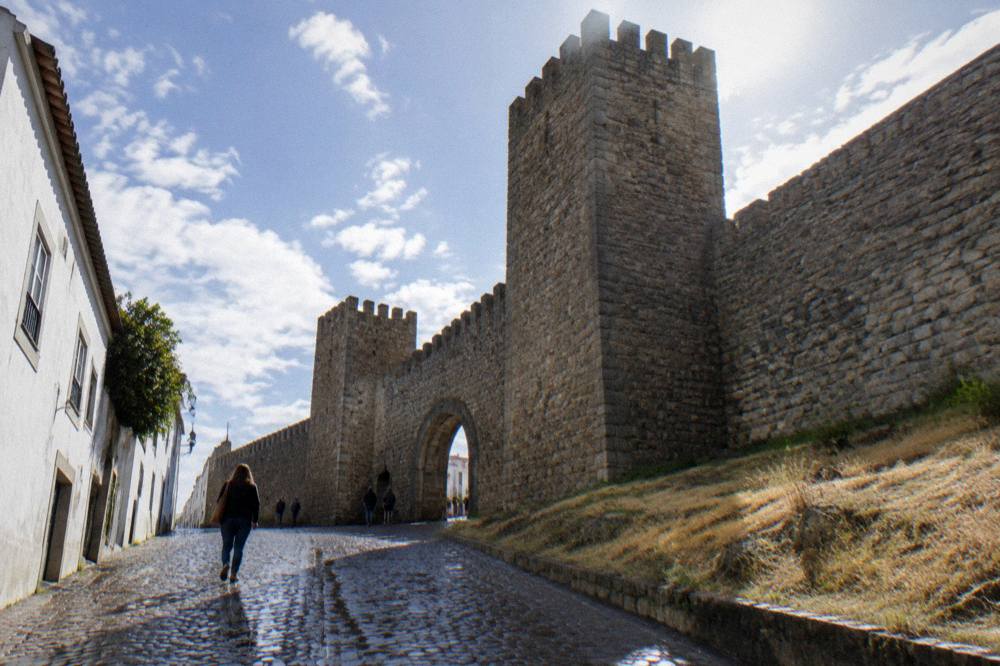
Climb next to the Sé, whose towers dominate the skyline from every lane below it. The complete-visit ticket, 5.00 EUR, covers the cathedral, the cloister, the roof terrace and the museum, and the roof terrace gives the clearest sense of how small this walled city is: the whole Inquisition-era stage in one glance. Finish at the University of Évora, where the Jesuit cloisters of 1553 close the arc that ends with the expulsion of 1759.
For a different pace, the medieval sidecar tour with wine tasting, from $61.90 per person and rated 4.9 from 16 reviews, covers the same walled centre from the seat of a classic motorcycle sidecar, three hours with a tasting stop.
The guided options below all start inside the historic centre and each frames this history differently, from a budget group walk to a private tour with monument tickets included.
Common Questions About The Évora Inquisition
Was there an Inquisition in Évora?
Yes. Évora, in Portugal's Alentejo, hosted one of the tribunals of the Portuguese Inquisition, the church court that prosecuted people suspected of secretly practising forbidden faiths after the forced conversions of Portugal's Jews. The tribunal watched the city and the surrounding region for generations.
Can you visit the Inquisition tribunal building in Évora?
No single building is presented as the tribunal's seat, so the story is read through the city itself: the lanes of the old Jewish quarter, the Sé de Évora, the Igreja de São Francisco and the University of Évora's former Jesuit college. A guided walking tour of the historic centre is the most efficient way to piece it together.
What happened to Évora's Jewish community?
The community, one of the largest in medieval Portugal, was dismantled in stages: confinement to a designated quarter, then forced conversion, then generations of surveillance by the tribunal. Families fled abroad, assimilated or lived under permanent suspicion, and open Jewish life in the city ended.
What do the key Évora monuments cost to visit?
The Sé de Évora complete-visit ticket is 5.00 EUR, the Igreja de São Francisco and Capela dos Ossos museum ticket is 7.00 EUR for an adult, and the Museu de Évora is 8 EUR with 50% off for youth aged 13 to 24, seniors over 65 and the family ticket. Children up to 12 enter the Sé and the museum free.
When were the Jesuits expelled from Évora?
The Jesuits were expelled from Portugal in 1759, as UNESCO's listing of the city records. They had run the University of the Holy Spirit in Évora since its foundation in 1553, and their former college still forms the university quarter of the historic centre.
Is the Inquisition history visible in Évora today?
Indirectly, yes. Because Évora was largely spared the 1755 Lisbon earthquake, the Inquisition-era street plan, squares and ecclesiastical buildings survive intact inside the UNESCO-listed centre, inscribed in 1986, so the period is read on foot rather than from a single monument.
Évora's Inquisition history has no ticket booth and no single entrance, and that is exactly what makes it worth walking. The lanes the tribunal watched, the cathedral that anchored its authority and the college the Jesuits lost in 1759 all sit within a few minutes of one another inside the walls, and a slow half-day among them tells a story that no one building could carry alone.