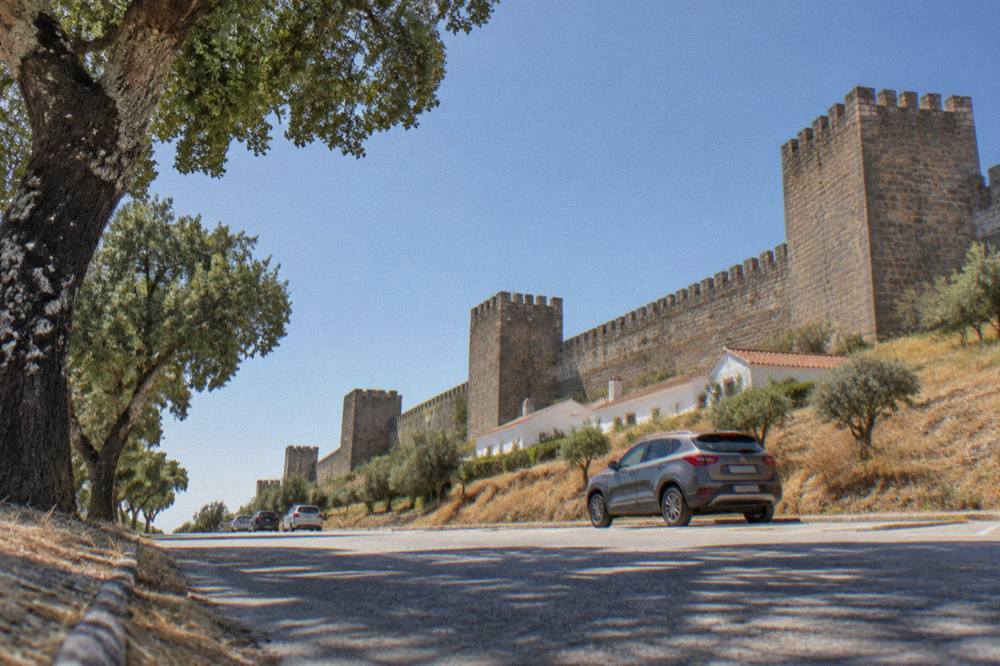
Setúbal From Évora
Setúbal is the closest Atlantic coast to Évora, a working fishing port on the Sado estuary under the Serra da Arrábida, and the natural answer when an Alentejo itinerary needs a day of sea air.
Short answer
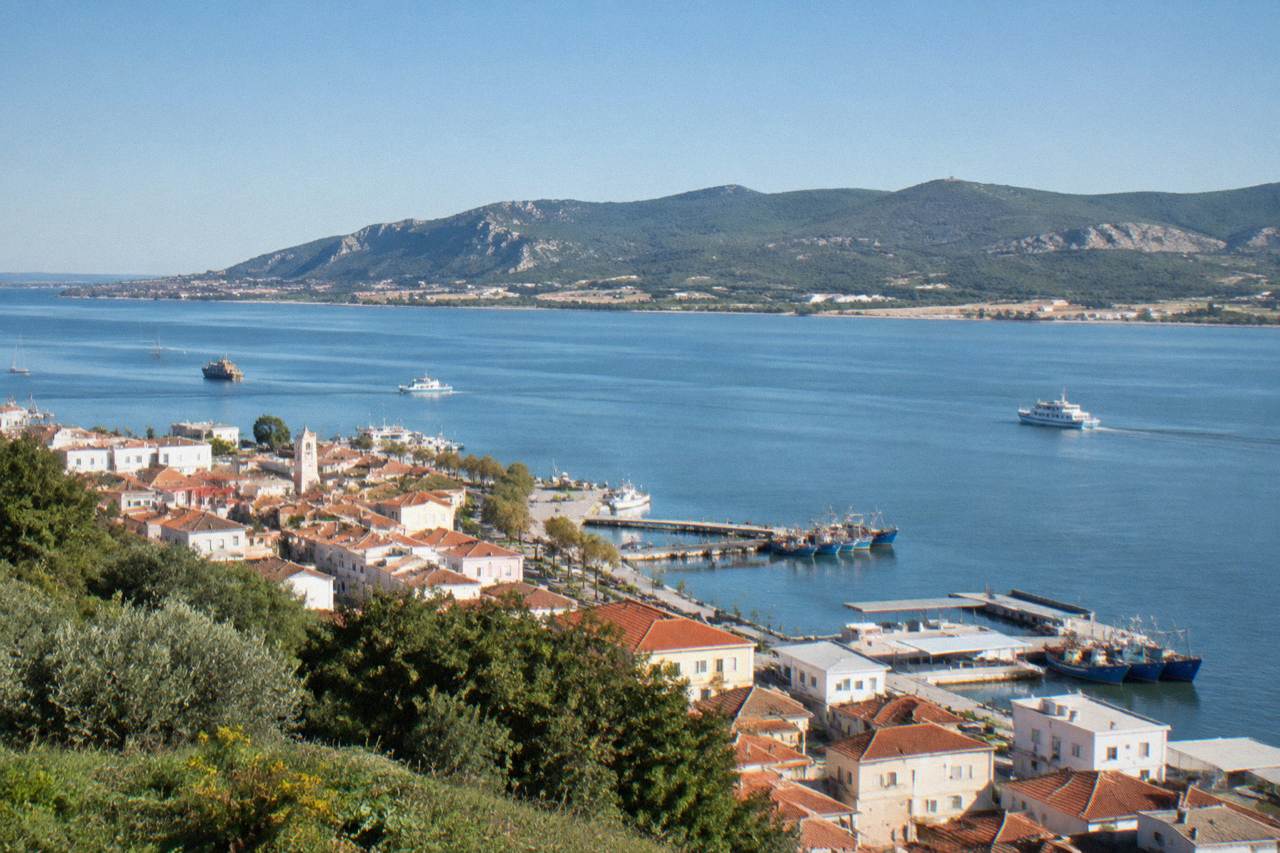
Setúbal is a port city on the north bank of the Sado estuary, west of Évora beyond the Alentejo plain, reached by car via the Lisbon direction. It is a coastal day trip: estuary boat trips, the Arrábida hills, grilled fish and a waterfront that has nothing in common with the inland monuments of Évora.
Setúbal is the Atlantic counterweight to an Évora itinerary. Évora, the capital of the Alentejo district of that name in Portugal, sits inland on a dry plain where the sea is roughly 90 km away; Setúbal is a fishing port on the north bank of the Sado estuary, tucked under the wooded slopes of the Serra da Arrábida, and everything about the day out there feels like the opposite of the walled medieval city. The contrast is the whole point. After three days of whitewashed lanes, Roman temple columns and chapel walls, a waterfront of cranes, trawlers and salt air resets the trip.
No opening hour, timetable or entry price for Setúbal itself is printed below, because none was verified on an official page for this article; where a figure matters, the reader is told exactly where to check it.
Where Is Setúbal And What Kind Of Day Trip Is It From Évora?
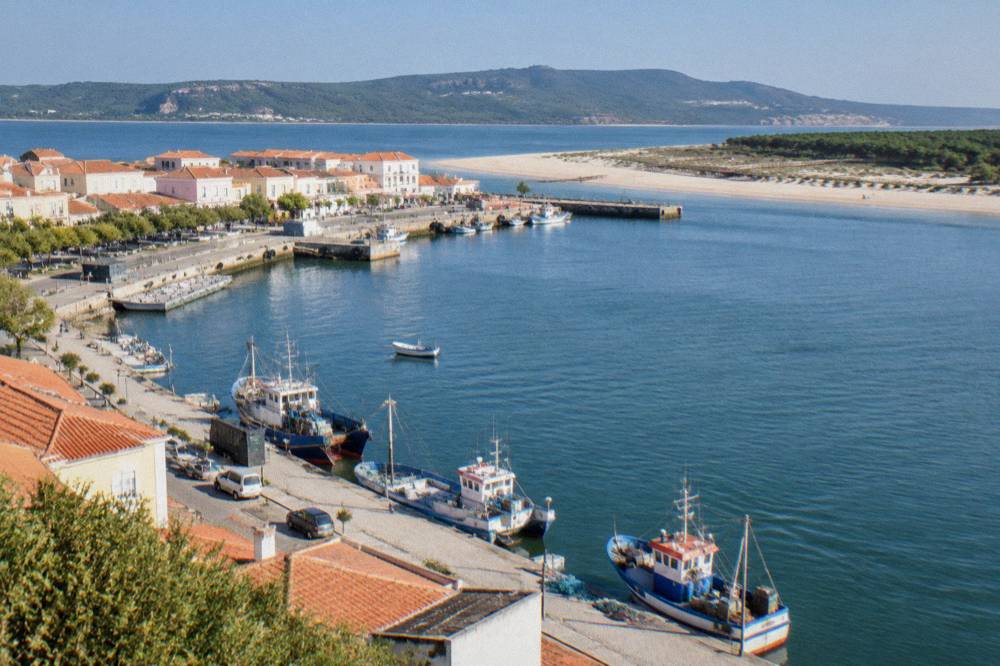
Setúbal lies west of Évora, beyond the Lisbon direction, on the Atlantic coast at the mouth of the Sado estuary, and it makes a full-day trip rather than a half-day one. The city is a working port with a fish-market heritage, a long waterfront and a ferry link across the estuary, framed by the Arrábida hills. It is the nearest place where an Évora-based traveller stands on an ocean shore, and the drive crosses the whole width of the Alentejo plain to get there.
The direction matters more than the distance. Every other classic day trip from Évora runs east or north: Monsaraz, Estremoz, Vila Viçosa, Elvas and Marvão are all Alentejo towns of stone, walls and castle silhouettes. Setúbal is the one big excursion that points toward Lisbon and the sea, and the landscape tells you so long before the water appears: the wheat-and-cork plain of the Évora district gradually gives way to pine, then to the scrubby green of the Arrábida. A traveller who has already spent days among Alentejo hill towns will notice the shift in the agriculture, the architecture and the light.
The day suits a car. There is no verified train or coach timetable for the Évora to Setúbal journey in this site's fact base, so no frequency or journey time is quoted here; anyone planning to attempt it by public transport should check the operators' own schedules before committing. What can be said is the shape of the day: a morning on the estuary or the Arrábida road, a long fish lunch on the waterfront, and an afternoon in the hills or across on the Tróia side before the drive back inland.
For comparison, here is how the classic day trips from Évora line up. The rounded distances are the only figures this site carries for these routes, and Setúbal has no verified figure at all, which is itself worth knowing before you plan.
| Destination | Direction From Évora | Rounded Distance | Character |
|---|---|---|---|
| Arraiolos | Northwest | about 20 km | Carpet-making hill town |
| Monsaraz | East | about 40-45 km | Walled village over the Alqueva |
| Estremoz | Northeast | about 45 km | Marble town and castle |
| Vila Viçosa | East | about 60 km | Ducal palace and marble quarries |
| Elvas | East | about 80 km | Fortress city near the border |
| Marvão | Northeast | about 120 km | Mountain-top village |
| Setúbal | West, toward Lisbon | no verified figure | Atlantic port and estuary |
The full list of inland options, with what each one offers, is covered in the best day trips from Évora guide, and the closer, shorter options like Arraiolos can be saved for a half-day when the Setúbal run would be too much.
What Are The Best Things To Do In Setúbal?
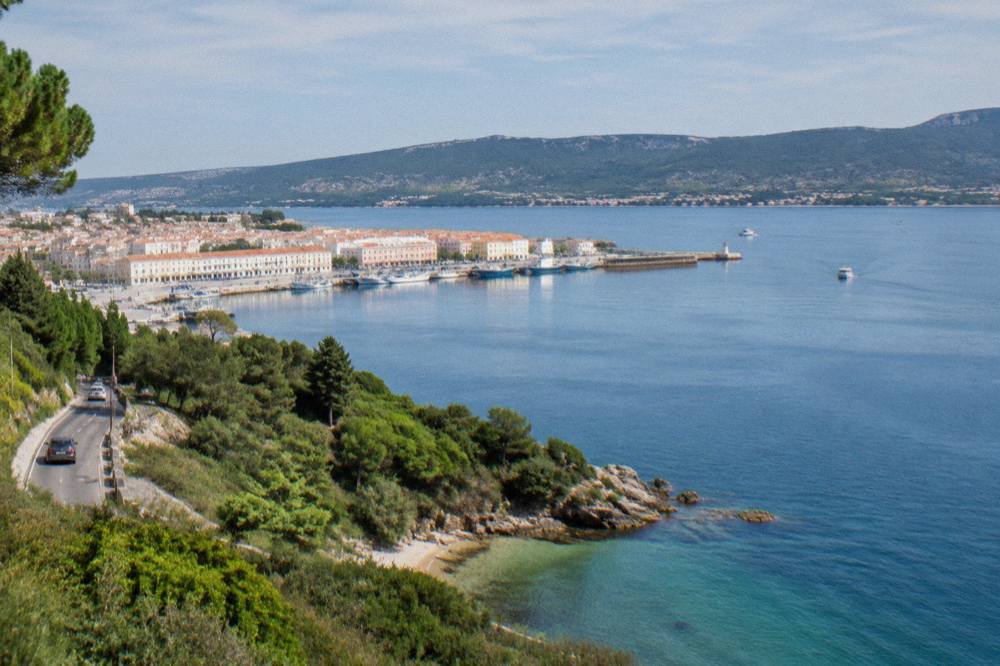
The core of a Setúbal day is the waterfront and the estuary: the fish market and the quays in the morning, a grilled-fish lunch in one of the streets off the harbour, and an afternoon either on the water or in the Serra da Arrábida, the protected hill park that runs along the coast south of the city.
The Arrábida road, threading between the hills and small coves, is the single most memorable stretch, with views down to clear water over rocks unlike anything within reach of Évora.
Start on the flat. The city centre is small enough to walk in a morning: the Praça do Bocage, the main square named after the poet born here, the church of Jesus with its Manueline doorway, and the market streets that still carry the port's sardine-trade heritage. None of this needs a ticket or a schedule, which suits a day trip with no verified opening hours to rely on. The fish market is the authentic opening scene of the day, and lunch is the second act: Setúbal's reputation rests on fresh fish, grilled simply, and on the local tradition of choco frito, fried cuttlefish, which appears on menus across the city.
The afternoon is where the day divides. One option is the water: boat trips on the Sado estuary look for the resident bottlenose dolphins that live in the river mouth, and the estuary's calm waters make this one of the most accessible marine experiences in Portugal. No operator, departure point or sighting rate is verified in this site's fact base, so book through a listing that states its own schedule and read what it does and does not promise; wild dolphins are never guaranteed, and an honest operator says so. The other option is the hills: the Serra da Arrábida is a protected natural park whose slopes drop to a string of small beaches, and the road through it, narrow and scented by pine and Mediterranean scrub, is the reason many travellers make the whole trip.
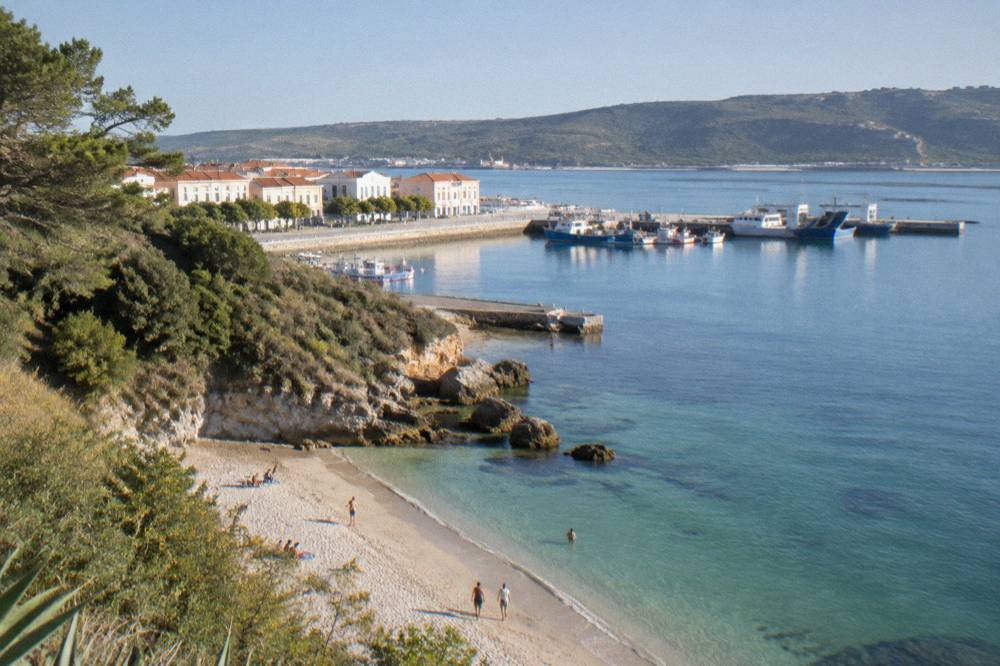
A third option, for a slower day, is the ferry across the estuary to the Tróia peninsula, a long sand spit with Roman ruins near the jetty and open beaches along its length. The crossing is short, the peninsula is flat and exposed, and it pairs naturally with a morning in the city.
If a full coastal day feels like too much detachment from the Alentejo theme of the trip, the guided options below keep a guide, a vehicle and a plan in the picture. Two of them run from Évora itself and stay inland; the first is a private-guide day that can be shaped around a coastal extension.
The private-guide tour above starts in Lisbon rather than Évora, which matters for how it fits an Évora-based trip: it is best treated as a Lisbon-anchored day, for instance on the leg of a journey that passes through the capital anyway. Its card prices it from $160.55 per person with a 4.9 rating from 128 reviews, and a private guide is the one format that can be asked, in advance, whether a Setúbal or Arrábida extension is possible on the day.
Is The Serra Da Arrábida Worth The Detour From Évora?
Yes, the Arrábida hills are the part of the Setúbal day that most justifies the drive, because nothing else within reach of Évora offers a green coastal mountain range dropping straight into clear Atlantic water. The park sits on the peninsula between Setúbal and Sesimbra, its slopes covered in dense Mediterranean maquis, and the road that crosses it passes above small coves that are the region's most photographed beaches. For a traveller based among the golden plains, the change of colour alone is the attraction.
The Arrábida is small as mountain parks go, but its character is dense rather than vast: a compact wall of green between the estuary and the open sea, threaded by one narrow road with viewpoints over both. The beaches beneath the cliffs, reached by steep lanes, are the classic afternoon stop, and the water off them is unusually clear for this latitude because the headland shelters it from the open swell. No beach facility, parking rule or season is verified in this site's fact base, so treat the coves as scenery first and swimming second, and check conditions on the day.
The practical caution is the road itself. It is narrow, winding and busy in summer, and the honest advice is to go early, drive slowly and accept that the viewpoints, not the schedule, should set the pace. In the height of summer the coast is also the hottest kind of heat, humid where the Alentejo is dry; the table below, from the IPMA 1991-2020 normals for the Évora station, shows what the inland side of the drive feels like, and the coast runs a few degrees softer.
| Month | Mean Maximum at Évora, 1991-2020 | Days at 30 C or More | Days With 1 mm or More of Rain |
|---|---|---|---|
| April | 20.7 C | 0.3 | 8.0 |
| May | 25.0 C | 5.5 | 6.0 |
| June | 30.2 C | 15.1 | 1.7 |
| July | 33.3 C | 23.7 | 0.6 |
| August | 33.5 C | 25.0 | 0.7 |
| September | 29.5 C | 13.9 | 3.6 |
| October | 24.1 C | 2.9 | 7.7 |
Those figures are Évora's own, from the IPMA 1991-2020 normals for the Évora station, and they are the right ones for planning the drive out of the city: the plain you cross to reach the coast is the hottest part of the journey, with a July mean maximum of 33.3 C and 23.7 days a month at 30 C or more. The record for the station stands at 45.4 C, set on 4 August 2018, a number worth remembering when choosing between a July coast day and an October one. October, with a mean maximum of 24.1 C and under eight rain days, is arguably the sweet spot for this excursion.
What About The Dolphins And The Sado Estuary?
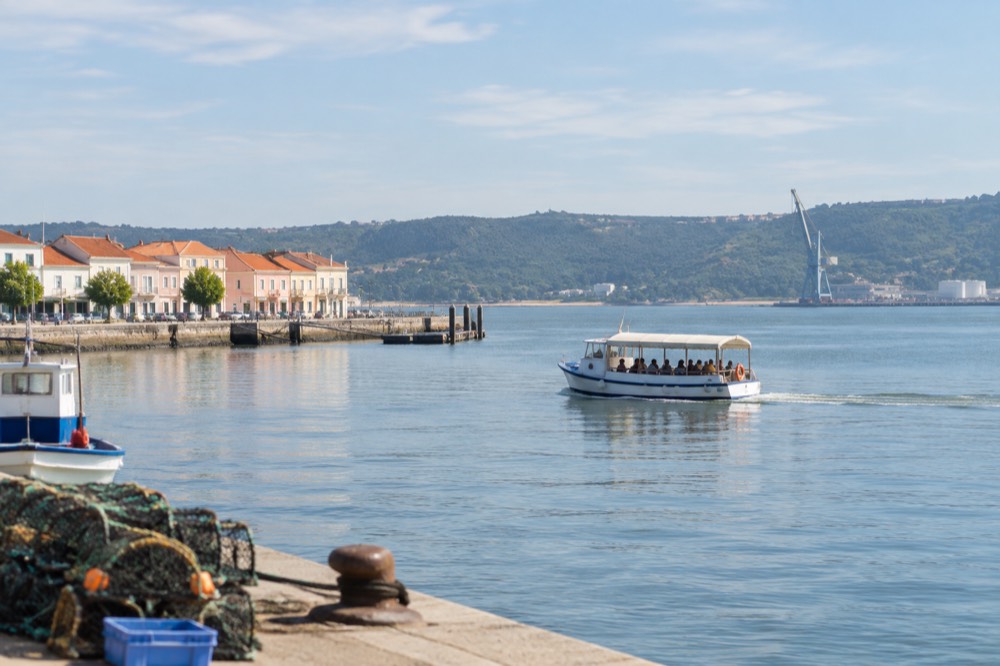
The Sado estuary is home to a resident community of bottlenose dolphins, one of very few such resident populations on the Portuguese coast, and boat trips to look for them run from the Setúbal waterfront. The estuary is a broad, sheltered arm of the Atlantic between the city and the Tróia peninsula, and its calm water makes the trips practical for families and for travellers who would never consider an ocean excursion. Sightings are likely on most trips but never certain.
That last sentence is the one to hold on to when booking. Any listing that promises a sighting is overpromising; a listing that states its sighting record honestly, explains what happens when the dolphins are elsewhere and offers a partial or full alternative, is the one to take. This site's fact base carries no operator names, departure times, durations or prices for these trips, so nothing of that kind appears here; the operator's live listing is the place where those details live, and they change with the season. The wider set of guides lives on Évora Travel Guide.
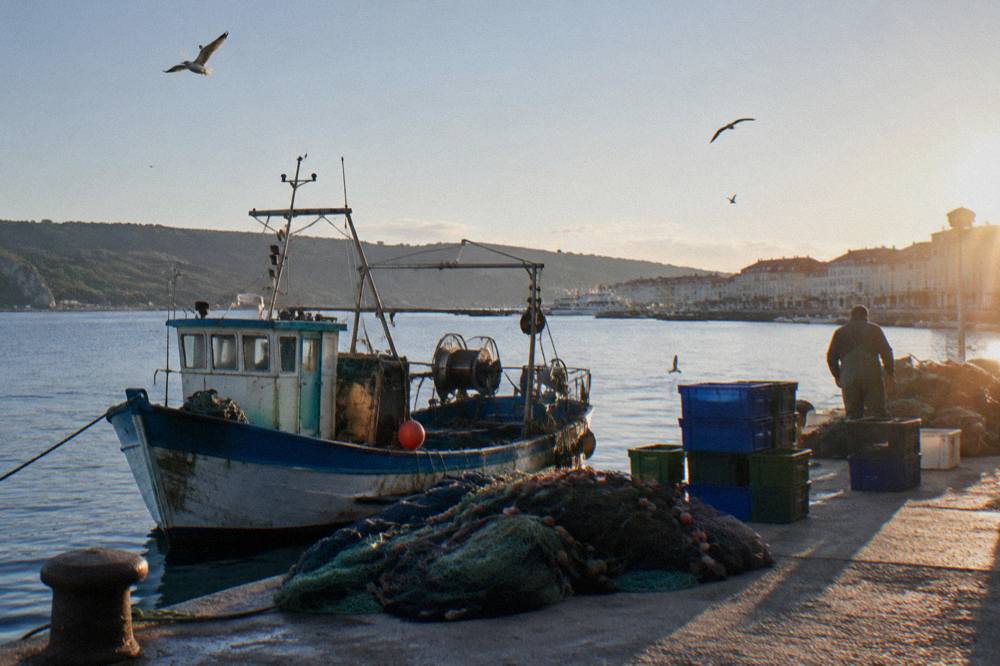
The estuary deserves attention even without the dolphins. It is a working body of water: cargo berths and shipyard cranes at the city end, salt pans and marsh along the margins, fishing boats working the middle, and the long sand line of Tróia closing off the mouth. A morning walk along the quays, watching the port function, is a genuine piece of Portugal that the monument itinerary of Évora never shows. The contrast with the Praça do Giraldo, Évora's polished and ancient main square, could not be sharper, and that is exactly the value of the day.
For travellers who prefer their Alentejo days guided, the archaeologist-led megaliths half-day below is the inland opposite of the estuary boat: stones rather than dolphins, and a science-led walk rather than a deck. It runs from Évora, from $74.54 per person, rated 5 from 77 reviews.
How Does Setúbal Compare With Comporta And Sines?
Setúbal is the port-and-hills option among Évora's reachable coastal day trips, where Comporta is the dune-and-rice-field option and Sines is the industrial-town-with-beaches option further down the coast. Setúbal suits a traveller who wants boats, fish and a dramatic scenic road; Comporta suits one who wants a low, sandy, fashionable calm; Sines suits one passing down the coast with time for a working town and its rocky shores.
The three make a natural comparison set because they are the only Atlantic-facing destinations on this site's day-trip list, and because they answer different moods. Comporta, reached via the Comporta and Alentejo coast guide, is the quiet one: a village of thatched fishermen's houses beside rice fields and a long beach, with an atmosphere of deliberate understatement that has made it a retreat for people who could be anywhere. Sines, covered in the Sines guide, is a paradox of a place, a deep-water port with petrochemical berths wrapped around coves and a birthplace-museum claim to the navigator Vasco da Gama.
| Coastal Option | Setting | Best For | Watch Out For |
|---|---|---|---|
| Setúbal | Estuary port under the Arrábida hills | Boats, dolphins, fish lunch, scenic drive | Narrow busy park road in summer |
| Comporta | Dunes, rice fields, long open beach | Calm, walking, beach day, low-key style | Little shade; small village fills in season |
| Sines | Port town with coves and headlands | A coast-bound road trip stop, rocky shores | Industry shares the shoreline |
None of the three has a verified distance, drive time or timetable in this site's fact base, so the choice between them should be made on character, not on a quoted hour. What is certain is the geography: all three lie to the west, beyond the Lisbon direction, and all three require crossing the full width of the Alentejo. If the trip already includes a night in Lisbon, a coastal stop slots neatly into the transfer day; the Lisbon to Évora routing guide covers how the two cities connect, including the CP Intercidades trains, six through services a day from Lisboa Oriente taking about 1 hour 40 to 1 hour 45, at 13.90 EUR second class.
What Should You Know Before You Leave Évora For The Coast?
Three things shape the day: the summer heat on the plain you cross, the lack of any verified timetable or price for the Évora to Setúbal journey, and the fact that everything worth booking, from the dolphin boat to any Arrábida stop, runs on its own seasonal schedule. Leave early in the hot months, carry water for the plain, book the boat in advance through its listing, and keep the plan loose enough that a long lunch or a viewpoint can absorb an hour.
The heat point deserves its own paragraph. IPMA's 1991-2020 normals for the Évora station show a July mean maximum of 33.3 C and an August mean maximum of 33.5 C, with 31.9 days a year reaching 35 C or more, and the drive west spends its first hour on exactly that plain. The coast is milder, but the road there is not. In June, July and August, an early start is not a preference but a comfort decision, and the Arrábida road is best driven before the afternoon traffic anyway.
Before leaving Évora, it is also worth settling what remains unfinished in the city itself, because a coast day eats a full daylight cycle. The main paid monuments run on their own tickets: the Sé de Évora's complete-visit ticket, covering the cathedral, cloister, roof terrace and museum, is 5.00 EUR with children up to 12 free; the Capela dos Ossos museum ticket at the Igreja de São Francisco is 7.00 EUR adult, 5.00 EUR for youth to 25 and seniors over 65, 15.00 EUR family; the Museu de Évora is 8 EUR adult, closed Mondays. The Évora Ticket, at 8 EUR for one day, 10 EUR for two and 12 EUR for three, covers the Cidade-Museu network but not those three headline sites.
| Évora Monument | Ticket | Notes |
|---|---|---|
| Sé de Évora, complete visit | 5.00 EUR | Cathedral, cloister, roof terrace, museum; children to 12 free |
| Capela dos Ossos, Igreja de São Francisco | 7.00 EUR adult | Youth to 25 and seniors over 65 at 5.00 EUR; family 15.00 EUR |
| Museu de Évora | 8 EUR | Closed Mondays; 50% off for youth 13-24 and seniors |
| Évora Ticket, Cidade-Museu network | 8 EUR one day | 10 EUR two days, 12 EUR three days; free to age 12 |
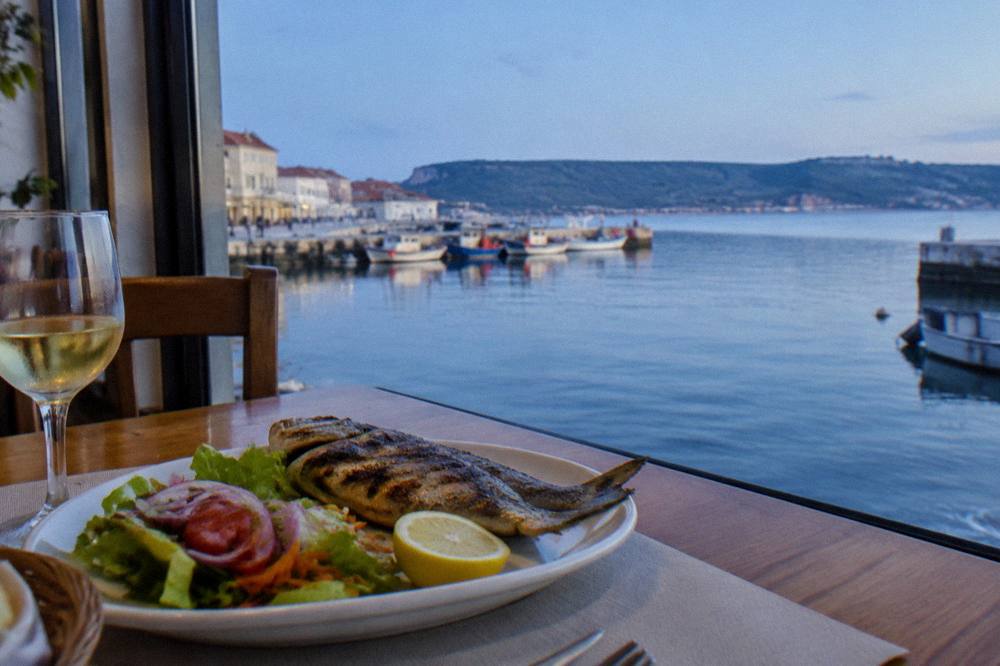
Lunch in Setúbal is the meal the day is built around, and the honest way to write about it is without naming kitchens this site has not verified. The port's fish tradition is the reliable fact: the quayside streets serve the catch that lands at the market next door, and grilled fish, cuttlefish and shellfish dominate the menus. Pick a room that is busy with locals, order what is written on the board rather than what the laminated card translates for tourists, and let the lunch take the time it takes.
Should You Take A Tour Instead Of Driving Yourself?
A guided tour makes sense when the day is really about the Alentejo rather than the coast, when you would rather not drive the plain and the park road in one day, or when a Lisbon leg of the trip creates a natural tour start.
The private-guide day, the archaeologist-led megaliths half-day and the Monsaraz and wine half-day all start from or near Évora or Lisbon and remove the driving question entirely; none of them goes to Setúbal, so the coast remains a self-drive day unless a private guide is asked to extend.
That is the honest position: this site's guided products are inland products, and the coast is not on their routes. The private-guide day, from $160.55 per person and rated 4.9 from 128 reviews, is the flexible one, a Lisbon start that can be briefed in advance on what the day should include; whether a coastal extension is possible is a question for the operator, not for a guidebook. The megaliths half-day, from $74.54 per person, rated 5 from 77 reviews, is the specialist's choice, led by archaeologists to the Cromeleque dos Almendres and the great dolmen of Zambujeiro. The Monsaraz and wine half-day, from $78.78 per person, rated 4.6 from 51 reviews, pairs the walled village with a tasting, and the Monsaraz guide covers the village itself.
For travellers who want a guided city experience closer to home before or after the coast day, the things to do in Évora overview gathers the monument core, and the free GuruWalk walks, including the Essential Free Tour of Évora, rated 4.93 from 774 reviews, cover the historic centre on a pay-what-you-want basis with no ticket needed.
Common Questions About Setúbal
How Far Is Setúbal From Évora?
No verified distance figure for the Évora to Setúbal route appears in this site's fact base, so none is printed. What is verified is the geography: Setúbal lies to the west, beyond the Lisbon direction, on the Atlantic coast, and the drive crosses the full width of the Alentejo plain. Plan it as a full day, not a half-day.
Can You See Dolphins In Setúbal?
The Sado estuary carries a resident community of bottlenose dolphins, and boat trips from the Setúbal waterfront look for them. The animals are wild, so sightings are likely on many trips but never guaranteed. Book through the operator's live listing, read its own sighting terms, and treat the trip as an estuary outing that usually includes dolphins rather than a dolphin guarantee.
Is Setúbal Worth Visiting Compared With Alentejo Towns?
They answer different questions. The Alentejo towns east and north of Évora, from Arraiolos at about 20 km to Marvão at about 120 km, deliver stone, walls and castle views; Setúbal delivers water, boats, fish and a green coastal mountain range. A trip that has had enough of whitewash for one week will find Setúbal the more refreshing day, and a trip built on monuments will find the Alentejo towns the better use of the hours.
What Is The Best Time Of Year For The Setúbal Day Trip?
The Évora side of the drive is the constraint: IPMA's 1991-2020 normals for the Évora station put the July mean maximum at 33.3 C and August at 33.5 C, with 25.0 days at 30 C or more in August. Spring and autumn are gentler on the plain, with October showing a mean maximum of 24.1 C, and the coast is at its quietest outside the July and August school holidays.
Do You Need A Car For Setúbal From Évora?
A car is the practical answer, because the Arrábida road, the coves and the estuary viewpoints are spread along a coast that public transport serves thinly. No timetable for the Évora to Setúbal journey is verified here, so anyone considering trains or coaches should check the operators' own schedules before planning around them.
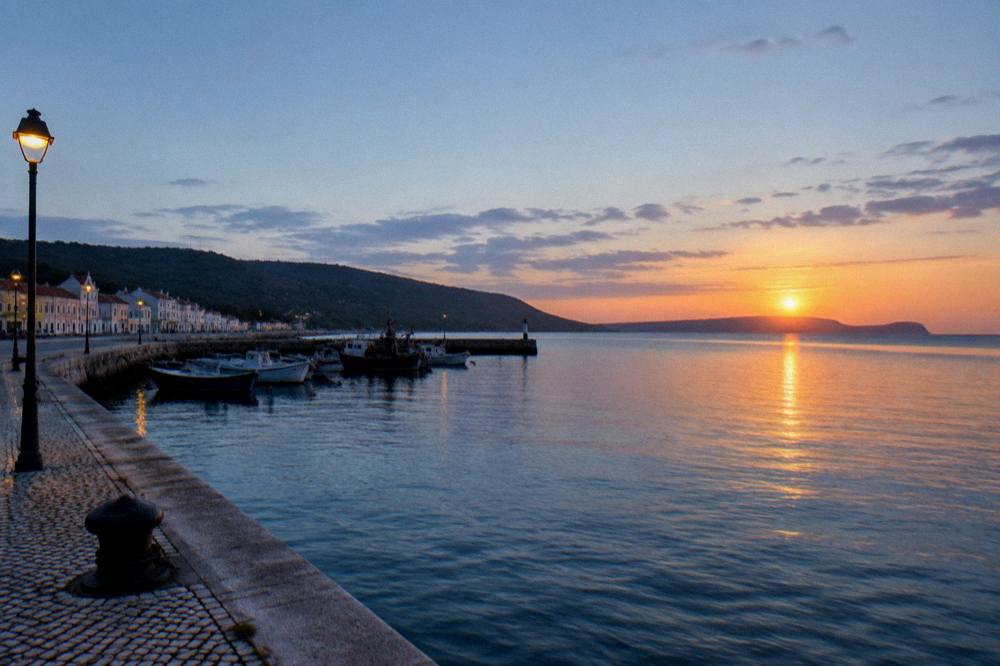
The last light on the estuary, with the Tróia peninsula drawn as a dark line across the water and the Arrábida hills going purple behind the city, is the image most travellers carry back inland. It is a two-hour-world away from the Praça do Giraldo at the same hour, and that is the argument for the day: Évora is a city of walls and stones, and the coast at Setúbal is the nearest place where the horizon is water. Take the day when the itinerary has earned a change of element, drive the plain early, book the boat through its listing, and let the fish lunch run long.