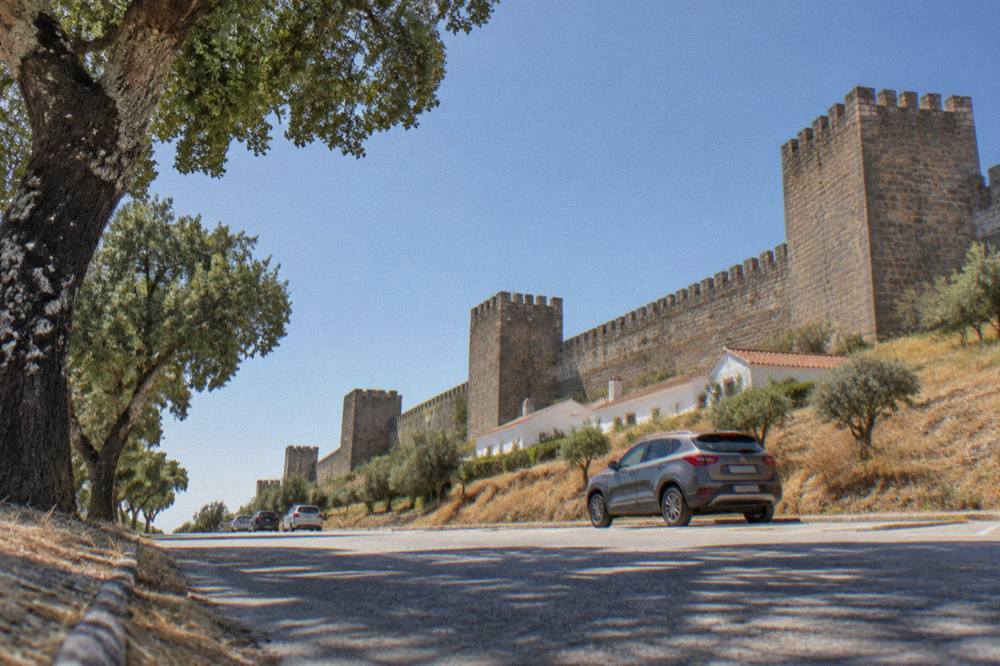
Borba Day Trip From Évora: Marble, Wine And The Alentejo Plain
Borba sits east of Évora in the Alentejo marble belt, a small wine town that pairs naturally with Estremoz and Vila Viçosa on a single day out from the Évora Travel Guide editorial desk's home city.
Short answer
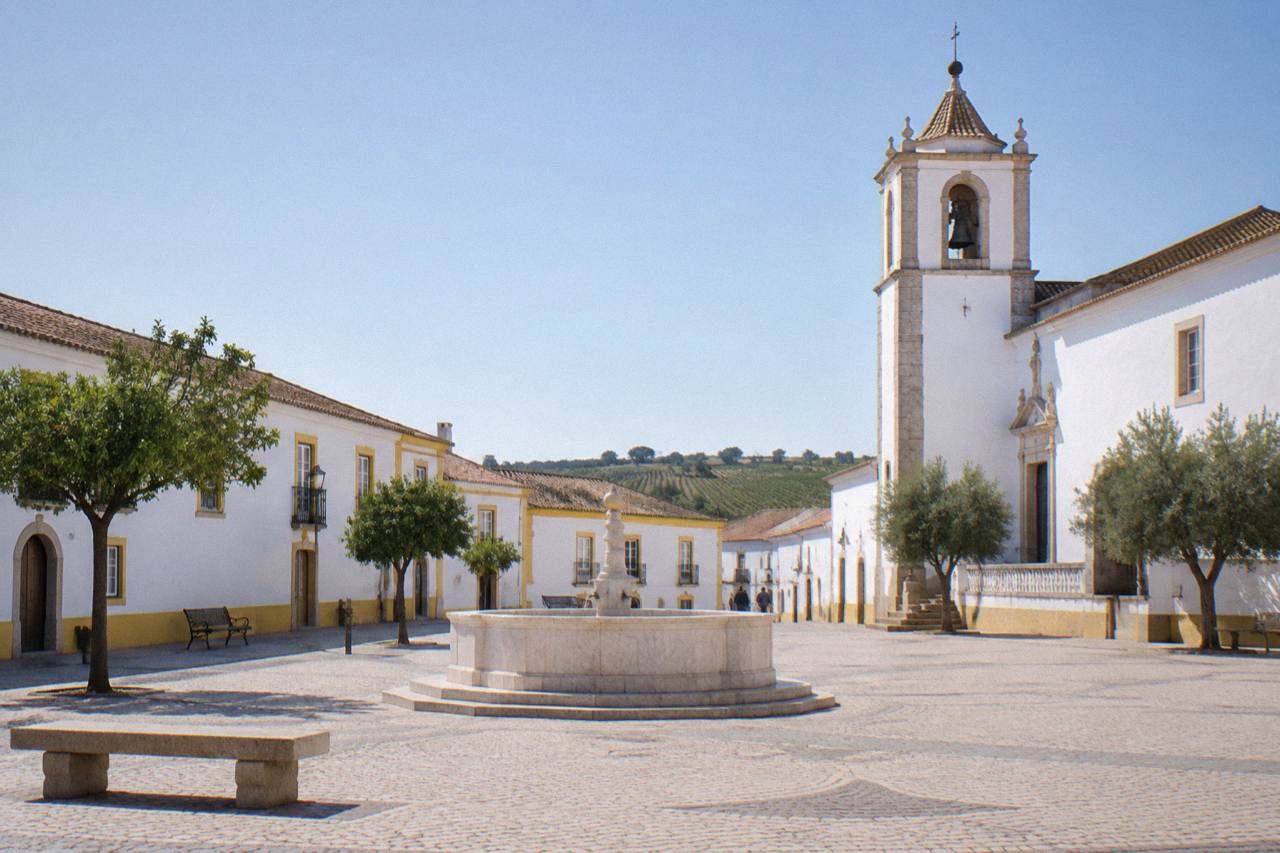
Borba is a small Alentejo marble and wine town east of Évora, usually visited on a combined day with Estremoz, about 45 km away, and Vila Viçosa, about 60 km away, with guided marble and walking tours from Évora starting at $28.14 per person.
Borba is a small town on the Alentejo plain east of Évora, Portugal, part of the marble belt that also holds Estremoz and Vila Viçosa. It is a wine town first and a stone town second, or the other way round depending on who is asked, and either way it makes a quiet, low-stops kind of day out from Évora. The Historic Centre of Évora, the UNESCO-listed base most visitors sleep in, is about 130 km from Lisbon by road, and Borba lies beyond it to the east, deeper into the Alentejo.
What Is Borba And Why Does It Pair So Well With Évora?
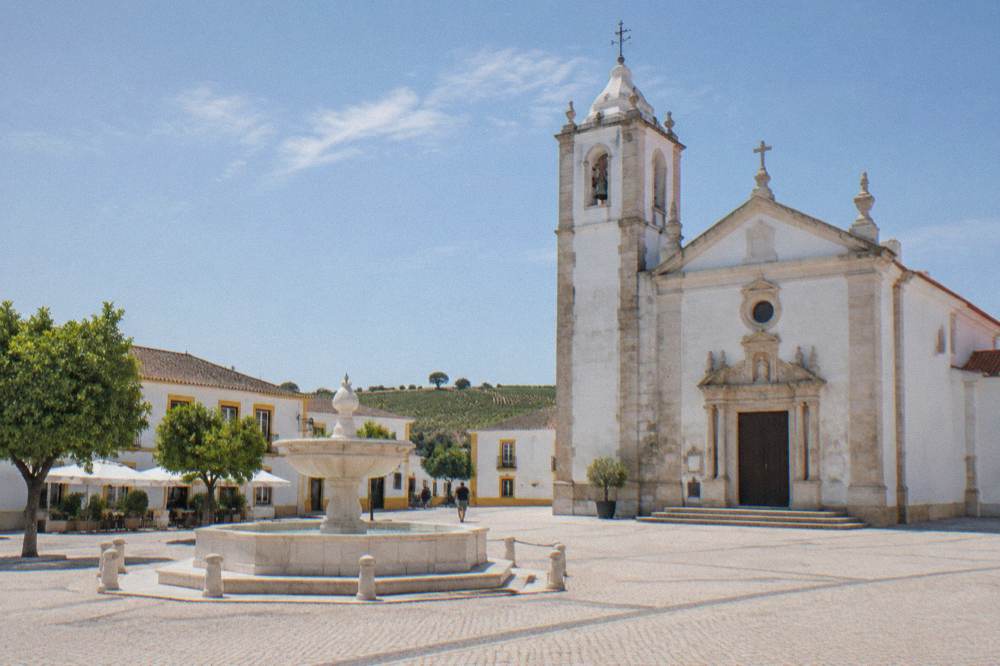
Borba is an Alentejo marble and wine town east of Évora, small enough to walk across in a morning and best known for the pale stone that shapes its buildings and the red wines of the surrounding plains. Most visitors do not treat it as a destination on its own: they fold it into a marble-country loop with Estremoz, about 45 km from Évora, and Vila Viçosa, about 60 km, both of which carry ducal palaces and quarry landscapes of their own.
That combination is the whole logic of the day. Évora is the region's cultural heavyweight, a university city whose walled centre was inscribed by UNESCO in 1986 under criteria (ii) and (iv), the second of which calls it the finest example of a city of the golden age of Portugal after the 1755 Lisbon earthquake, which Évora was largely spared. Borba belongs to a different register entirely. It is a working town whose wealth shows in stone doorways and church façades rather than in monuments with ticket queues.
The pairing works in both directions. Travellers based in Évora use Borba as one stop of three on a loop through the marble towns, and travellers coming from Lisbon often reach Évora first, spend a night inside the walls, and then head east. The best day trips from Évora all follow this pattern: one anchor town, two or three smaller ones, and a road that never leaves the plain.
What Can You Actually See In Borba On A Day Trip?
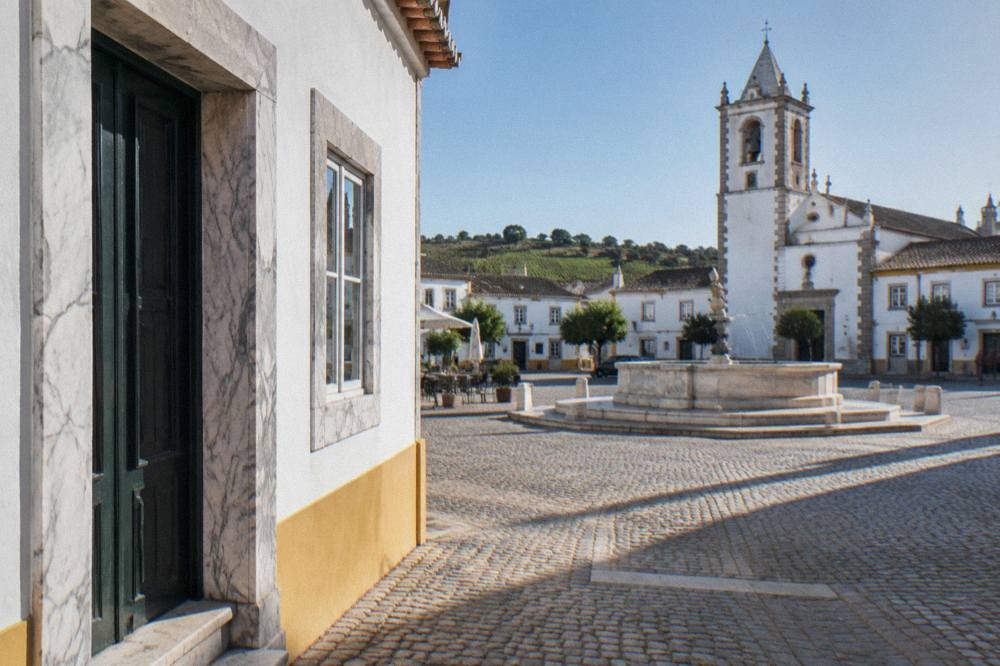
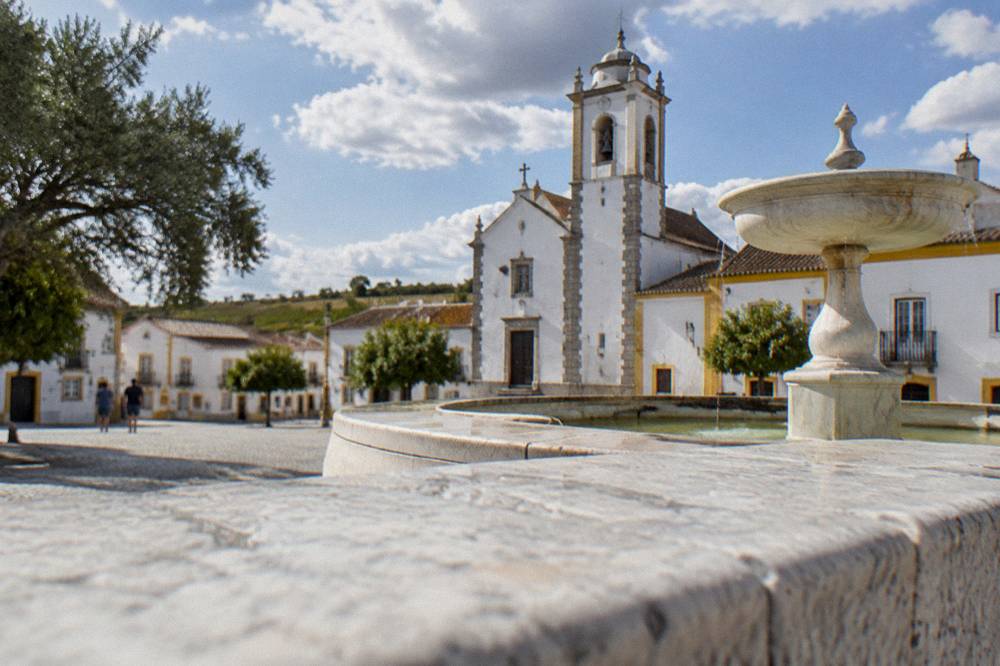
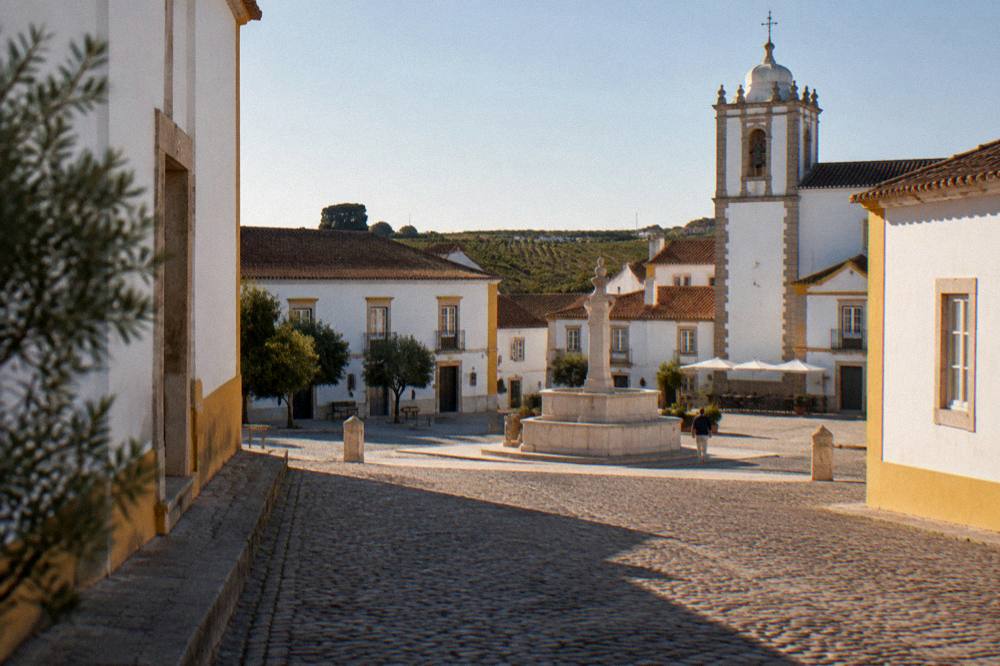
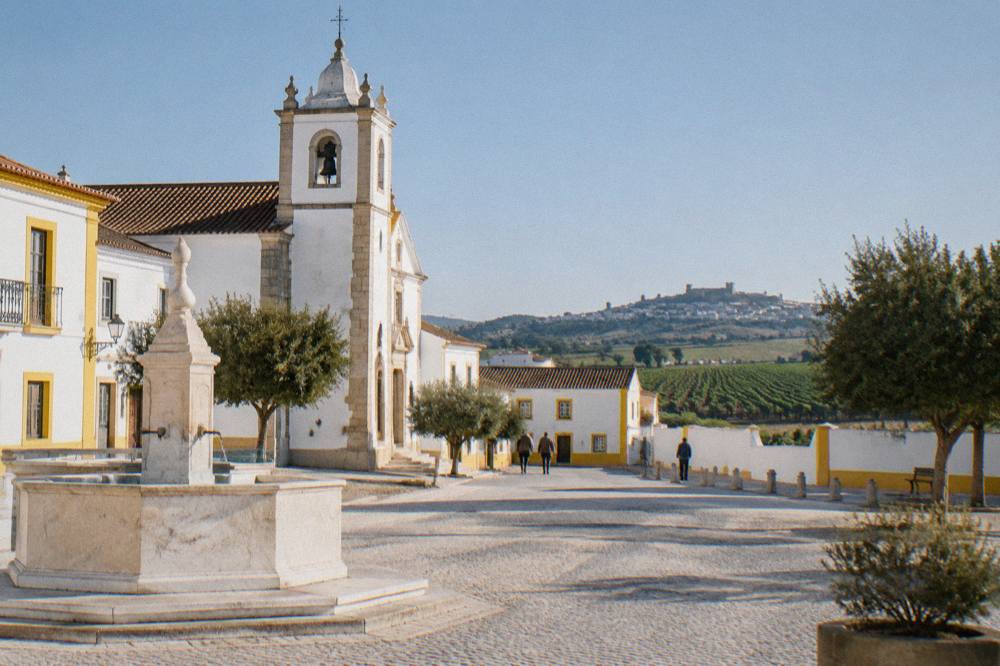
Borba's sights are its marble civic architecture, its churches, its wine culture and its market-town rhythm: a main square, stone-framed portals, a couple of religious buildings and the sense of a place that exists for itself rather than for visitors. No castle hours, quarry entry fees or workshop prices were verified for Borba, so the honest plan is to treat it as a town to walk and taste rather than a list of ticketed monuments.
That is not a dismissal. The Alentejo rewards exactly this kind of slow stop. The marble that defines the region is visible in Borba's street furniture, its door surrounds and its church fronts, and the town sits inside the same stone belt that made Estremoz and Vila Viçosa wealthy. Wine is the other thread: the plains around Borba produce the reds the Alentejo is known for, and the town's name appears on bottles across Portugal.
What a day here does not offer is a packed itinerary. Visitors who want structure do better pairing Borba with guided visits elsewhere in the belt, and the tours below, all starting from Évora or from towns in the same marble country, are the ones that fit a Borba-centred day. Prices are per person, in US dollars, exactly as they appear on each tour's live listing.
| Tour | Starts From | Price | Rating | Duration |
|---|---|---|---|---|
| Marble Trail, Landscape to Archaeology | Vila Viçosa | from $28.67 | 4.9 from 324 reviews | See card |
| Marble Tour, 2-Hour | Vila Viçosa | from $28.14 | 4.8 from 82 reviews | 2 hours |
| Estremoz Heritage Walking Tour | Estremoz | from $28.67 | 4.8 from 19 reviews | See card |
| Alentejo Wine and Cork | Évora | from $78.78 | 4.7 from 24 reviews | 4 hours |
A note on the pattern in that table: the marble experiences cluster at the affordable end of the Alentejo's guided options, while the full-day wine and cork circuits from Évora cost roughly three times as much and trade the marble towns for cellar doors and cork oak country. Neither is the wrong choice. The first fits a self-drive loop, the second fits a day without a car.
How Do The Marble Tours From Évora And Vila Viçosa Work?
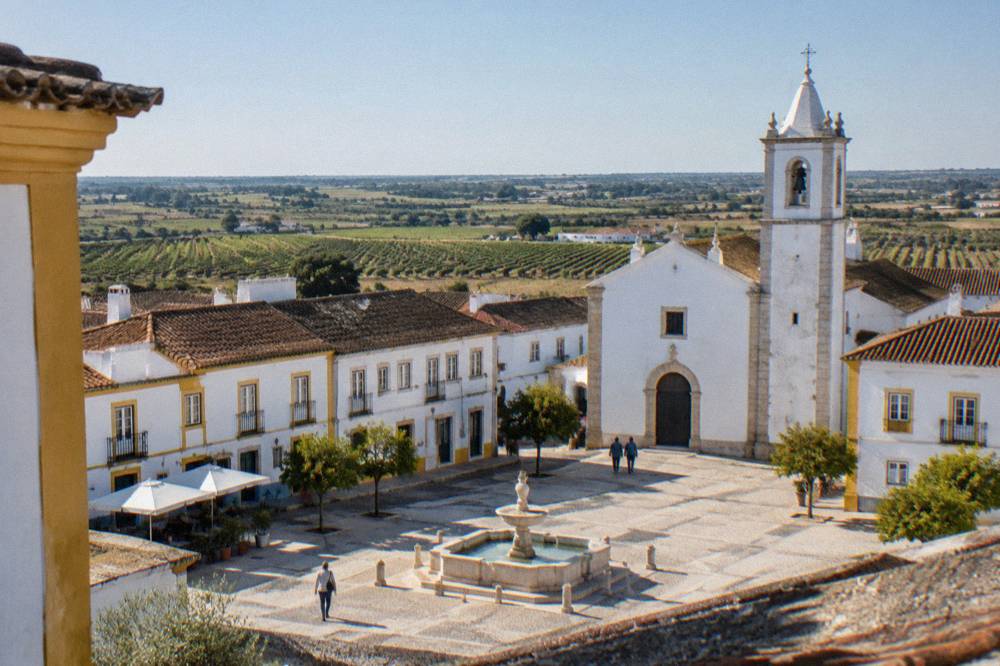
The guided marble options run out of Vila Viçosa rather than Borba itself: two separate marble tours, one from $28.67 rated 4.9 from 324 reviews and one from $28.14 rated 4.8 from 82 reviews over 2 hours, both exploring the quarry landscape, the stone heritage and the archaeology of the marble country. From Évora the closest equivalents are the wine-and-cork circuits and the Estremoz walking tour, from $28.67, rated 4.8 from 19 reviews.
The practical shape of the day follows from that. A visitor drives or is driven east from Évora, stops in Borba for the town itself, then continues to Vila Viçosa for the guided marble trail, or reverses the order. The Marble Trail, Landscape to Archaeology tour is the strongest fit for a Borba day because it covers the stone story the whole region shares, and it can be checked directly: Check availability.
The other Vila Viçosa marble tour covers the same stone country from a different angle, and it is worth comparing the two listings side by side before booking either.
For travellers without a car, the honest answer is that no guided product in the current listings departs from Borba. The nearest guided starts are Évora itself and the marble towns around it, which is one reason the Estremoz guide and the Vila Viçosa guide are worth reading alongside this page before committing to a route.
What Does A Borba, Estremoz And Vila Viçosa Day Look Like?
A sensible marble-country day from Évora runs Évora to Borba for the town and a wine stop, then Estremoz, about 45 km from Évora, for the hilltop castle quarter and market town feel, then Vila Viçosa, about 60 km, for the ducal palace and the guided marble trail, returning to Évora in the evening. The order can flip, but the three towns sit close enough together that all three fit comfortably in daylight.
No drive times, opening hours or entry prices were verified for any of the three towns, so the plan above is deliberately built on distances and character rather than on a timetable. What the region does verify is the geography: all three lie east and northeast of Évora on the Alentejo plain, and the plain itself is the experience, flat, cork oak and vine, with the marble outcrops announcing themselves in the roadside cuttings long before any town appears.
The walking-tour option anchors the Estremoz leg. That tour, from $28.67 and rated 4.8 from 19 reviews, is the guided way to absorb the middle stop of the loop, and it pairs with the Vila Viçosa marble tours without duplication: one covers a town on foot, the others cover the stone landscape that made all these towns rich.
Travellers who prefer to skip the driving altogether can build the same day from Évora with a wine focus instead, and the one day in Évora itinerary shows how the city itself fills a day when the marble country is left for another trip.
How Much Do The Évora Monuments Cost Before Or After The Trip?
The verified Évora monument prices are 5.00 EUR for the Sé de Évora complete visit, 7.00 EUR for the Capela dos Ossos museum ticket at the Igreja de São Francisco, and 8 EUR for the Museu de Évora, while the Évora Ticket pass runs 8 EUR for one day, 10 EUR for two and 12 EUR for three, free to age 12. The pass does not include the Sé, the Capela dos Ossos or the Museu de Évora, so it is not a shortcut to those three.
Most Borba-day visitors spend at least a morning or an evening in Évora around the drive, and the ticket structure below is the verified part of that side of the trip. The Capela dos Ossos ticket covers all the museum areas of the Igreja de São Francisco complex, and the church's own page notes it is a private religious entity that does not apply State Museum discounts. The Sé ticket covers the cathedral, cloister, roof terrace and museum in one, with children up to 12 free.
| Monument | Adult Ticket | Concessions | Hours |
|---|---|---|---|
| Sé de Évora, complete visit | 5.00 EUR | children up to 12 free | 9:00-17:00 |
| Capela dos Ossos, Igreja de São Francisco | 7.00 EUR | youth to 25 and seniors over 65, 5.00 EUR; family 15.00 EUR | summer 9:00-18:30, winter 9:00-17:00 |
| Museu de Évora | 8 EUR | youth 13-24, seniors, family 50% off; free to age 12 | Tue-Sun 9:30-13:00 and 14:00-17:30 |
The closing days matter more than the prices on a short stay. The Sé closes on 24 December afternoon, 25 December and 1 January. The Igreja de São Francisco opens daily except 1 January, Easter Sunday, 24 December afternoon and 25 December. The Museu de Évora closes Mondays, 1 January, Easter Sunday, 1 May, 29 June and 25 December, and offers free Sundays and holidays to residents in Portugal.
| Évora Ticket | Price | Validity |
|---|---|---|
| One day | 8 EUR | 1 day |
| Two days | 10 EUR | 2 days |
| Three days | 12 EUR | 3 days |
The Convento dos Lóios is the one monument to leave unpriced: its official page currently lists the ticket as temporarily unavailable, so check the notice before planning a visit. More on the city's own sights sits in the things to do in Évora roundup.
When Is The Best Time Of Year For A Borba Day Trip?
Spring and autumn are the best windows for a Borba day trip: IPMA's 1991-2020 normals for the Évora station show April with a mean maximum of 20.7 C and October 24.1 C, against July and August means of 33.3 C and 33.5 C, with 31.9 days a year reaching 35 C or more and the record maximum 45.4 C set on 4 August 2018. Rain stays modest in the warm months, with July averaging 2.7 mm.
The marble-country drive is an open, unshaded one, and that is the whole argument for the shoulder seasons. The table below pulls the verified monthly figures for the months a visitor is most likely to choose. These are 1991-2020 averages for the Évora station, the closest verified climate record to the whole marble belt.
| Month | Mean Max (C) | Mean Min (C) | Rain (mm) | Days 30 C+ |
|---|---|---|---|---|
| March | 18.7 | 6.9 | 60.8 | 0.0 |
| April | 20.7 | 8.5 | 62.1 | 0.3 |
| May | 25.0 | 10.9 | 46.6 | 5.5 |
| June | 30.2 | 13.8 | 10.6 | 15.1 |
| September | 29.5 | 14.6 | 33.9 | 13.9 |
| October | 24.1 | 12.3 | 81.5 | 2.9 |
There is a cultural angle to the calendar too. Évora and the Alentejo are European Capital of Culture in 2027, with 2026 running as a preparation year built on the concept of "Vagar", and the Feira de São João ran 23 June to 5 July 2026 at the Rossio de São Brás under the theme "Évora: Capital Europeia ao Sul". A 2027 visit layers the marble country onto a city in festival mode, though the full programme calendar has not yet been published.
How Do You Get To Borba From Évora Or From Lisbon?
No train, bus, fare or timetable was verified for the Évora to Borba leg, so the honest answer is that the drive east across the plain is the standard way, with no published figures to quote for it. From Lisbon the verified rail link is the CP Intercidades service to Évora, six through trains a day taking about 1 hour 40 to 1 hour 45, at 13.90 EUR second class or 18.50 EUR first class, and Évora is the staging point for the marble towns beyond.
The rail facts are the firmest transport numbers in the whole region. CP's timetable, valid since 6 September 2026, lists these departures from Lisboa Oriente and arrivals at Évora.
| Depart Lisboa Oriente | Arrive Évora |
|---|---|
| 07:02 | 08:47 |
| 09:02 | 10:45 |
| 09:58 | 11:40 |
| 13:35 | 15:13 |
| 17:02 | 18:41 |
| 19:02 | 20:46 |
Those are through trains, calling at Entrecampos, Sete Rios, Pragal, Pinhal Novo, Vendas Novas and Casa Branca, with no change needed. Coach services from Lisbon to Évora also exist, but no fare or journey time was verified for them, so check the operator's notice before relying on one.
For visitors who would rather not drive the marble loop at all, the guided day tours are the alternative, and several of the strongest run from Lisbon with Évora in the itinerary. That wine-and-cork circuit, from $78.78 and rated 4.7 from 24 reviews, covers the Alentejo produce story from Évora, and the Évora day trip from Lisbon page lays out the full range of Lisbon-start options for the region.
What Other Alentejo Towns Sit Within A Day Of Évora?
The verified rounded distances from Évora are Arraiolos about 20 km, Monsaraz about 40-45 km, Estremoz about 45 km, Vila Viçosa about 60 km, Elvas about 80 km and Marvão about 120 km, with Borba sitting in the same eastern belt as Estremoz and Vila Viçosa. Each of these makes a distinct kind of day, and several combine naturally with a Borba stop.
The table below is the verified distance list, and it is the only distance data this page will print, because no drive time, entry fee or opening hour was verified for any of these towns. What each one offers is character, not a timetable.
| Town | Distance From Évora | Character |
|---|---|---|
| Arraiolos | about 20 km | hilltop village, needlework carpets |
| Monsaraz | about 40-45 km | walled hill town above the Alqueva plain |
| Estremoz | about 45 km | marble market town with a castle quarter |
| Vila Viçosa | about 60 km | ducal palace town in the marble belt |
| Elvas | about 80 km | fortified border city |
| Marvão | about 120 km | mountain-top walled village |
The natural companions to Borba are the two nearest. Estremoz shares the marble and adds a castle-crowned hill, and the Elvas guide extends the same eastern line toward the Spanish border for travellers with a second day. To the south, Redondo keeps the wine theme inside a shorter loop.
Common Questions About A Borba Day Trip
Is Borba worth visiting?
Borba is worth a stop for travellers already crossing the Alentejo marble belt between Évora, Estremoz and Vila Viçosa. It is a wine and marble town rather than a monument town, so it rewards a slow walk and a cellar stop more than a tick-list visit.
What is Borba in Portugal known for?
Borba is known for Alentejo wine and for the pale marble that shapes its doorways, churches and public spaces, the same stone belt that runs through Estremoz and Vila Viçosa east of Évora.
How far is Borba from Évora?
Borba lies east of Évora in the marble belt, close to Estremoz, about 45 km from Évora, and Vila Viçosa, about 60 km. No measured road distance for Borba itself was verified, so plan on the region's rounded figures rather than a precise number.
Can you visit Borba from Lisbon in a day?
Yes, though it is a long day. The verified rail link is CP's Intercidades from Lisboa Oriente to Évora, six through trains taking about 1 hour 40 to 1 hour 45 at 13.90 EUR second class, and from Évora the marble towns need a car or a guided tour. Several tours starting in Lisbon visit Évora and the surrounding Alentejo in one day.
Do you need a car for a Borba day trip?
A car is the standard way to reach Borba, since no guided tour in the current listings departs from the town itself. The alternatives are the marble tours that start in Vila Viçosa, the walking tour in Estremoz, and the wine and cork circuits that start in Évora.
What else should you see near Borba?
Estremoz, about 45 km from Évora, and Vila Viçosa, about 60 km, are the two towns most often combined with Borba, and Elvas, about 80 km, extends the same eastern route toward the border. All sit on the Alentejo plain within a day's reach of Évora.
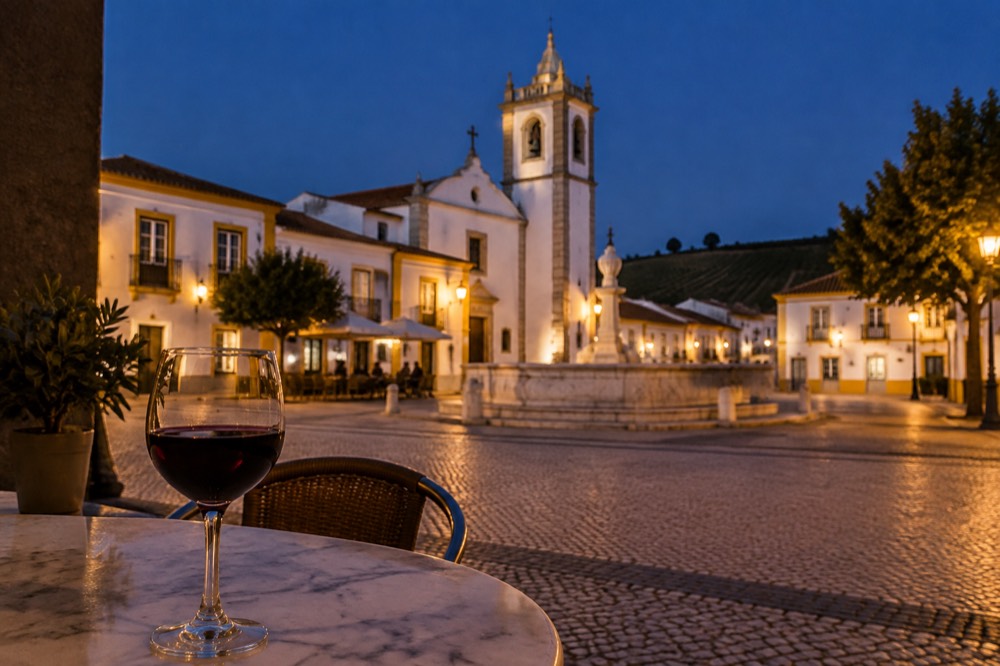
The short version of a Borba day: leave Évora early, walk the marble town at your own pace, let a guided marble trail or the Estremoz walking tour carry the structure, and be back inside the UNESCO walls in time for dinner. The Évora Travel Guide editorial desk rates it as the quietest of the marble-belt stops, which on the Alentejo plain is exactly the point.